kiomigo
search
search
add New trip
Melbourne

Melbourne

Population: 5.000.000 Since: Founded in 1835 Price: Mid-range Capital city
accessible Accessibility: Most areas are accessible, but some parks have uneven paths.

Introduction

Melbourne is a vibrant city known for its rich cultural scene and diverse neighborhoods. Visitors are often drawn to its eclectic mix of art, music, and food, making it a hub for creativity and innovation.

The city's laneways are filled with street art and hidden cafes, while its parks and gardens provide a refreshing escape from urban life. Melbourne's weather can be unpredictable, so it's wise to dress in layers and be prepared for sudden changes.

In pictures

Melbourne
Melbourne
Melbourne
Melbourne
Melbourne
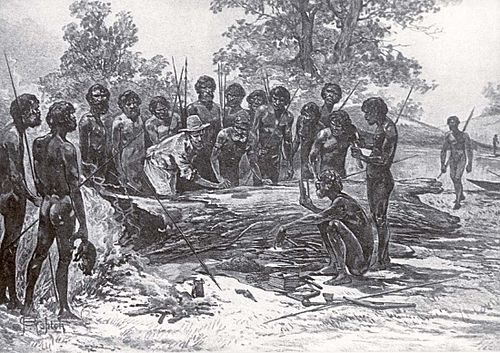
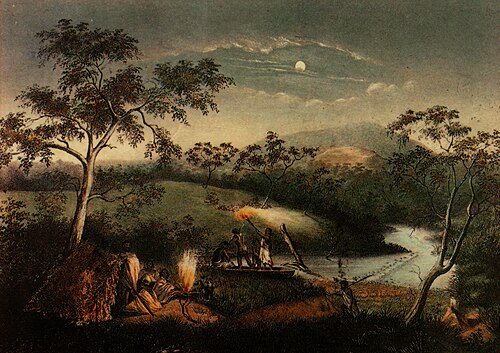
A late 19th-century artist's depiction of John Batman's treaty with a group of Wurundjeri elders.

Sightseeing

Federation Square: a cultural precinct with galleries and events
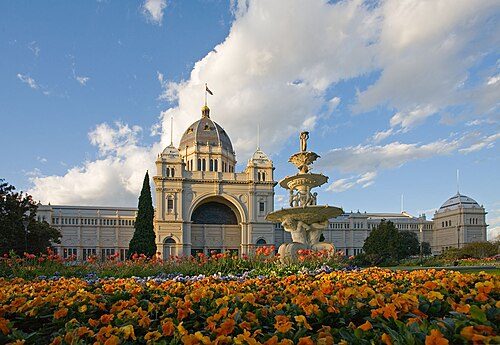
Royal Botanic Gardens: expansive gardens ideal for a leisurely stroll
Melbourne Zoo: home to a wide variety of animals
National Gallery of Victoria: Australia's oldest public art museum
Queen Victoria Market: a bustling market with local produce and goods
Eureka Skydeck: offers stunning views of the city skyline
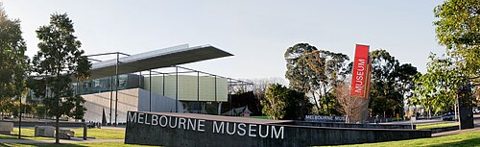
Melbourne Museum: explores the city's history and culture
St Kilda Beach: a popular beach with a lively atmosphere

"Melbourne: A City of Culture and Coffee"Melbourne

Things to do

Explore the laneways: discover hidden street art and cafes
Visit the Melbourne Cricket Ground: catch a game or tour the iconic stadium
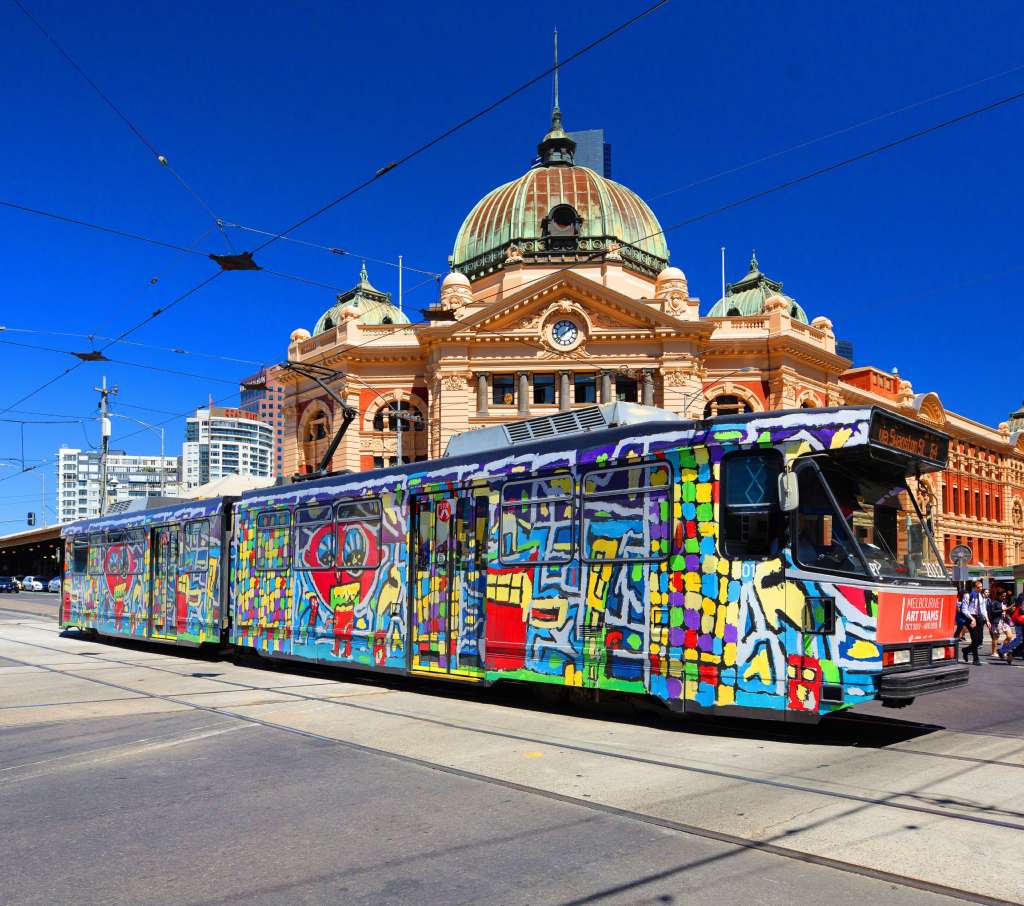
Take a tram ride: experience the city's famous tram network
Attend a festival: enjoy events like the Melbourne International Comedy Festival
Go shopping: browse boutiques in Fitzroy and Chapel Street
Relax in a park: unwind in one of the city's many green spaces

Local food and drinks

Coffee: Melbourne is famous for its café culture
Meat Pie: a classic Australian snack, try it at local bakeries
Lamington: a sponge cake coated in chocolate and coconut
Chinatown: offers a variety of Asian cuisines
Brunch: indulge in the city's vibrant brunch scene
Local traditions - Melbourne

Local traditions

Melbourne International Comedy Festival: a month-long celebration of comedy
Moomba Festival: a community festival featuring parades and activities
Australian Open: a major tennis tournament held annually
Footy Season: passionate support for Australian Rules Football
History - Melbourne

History

Melbourne was founded in 1835 by settlers from Tasmania and quickly grew due to the gold rush in the 1850s. The city was named after British Prime Minister William Lamb, 2nd Viscount Melbourne, and became the capital of Victoria in 1851.

Throughout the 20th century, Melbourne evolved into a multicultural city, attracting immigrants from around the world. Its rich history is reflected in its architecture, with a blend of Victorian, modern, and contemporary styles visible throughout the city.

Things to know

Be cautious of pickpockets in crowded areas
Public transport can be confusing for newcomers
Melbourne's weather changes rapidly, so check forecasts
Some attractions may have long queues during peak times

Do's and don'ts

Try local coffee at a café
Visit during a festival for a unique experience
Explore different neighborhoods for diverse cultures
Take a day trip to the Great Ocean Road
Don't ignore the weather forecast
Don't limit yourself to just the city center
Don't miss out on local markets
Don't forget to validate your public transport ticket

Good to know

Accessibility: Most areas are accessible, but some parks have uneven paths.
Price level: mid-range

Photo: Wikipedia / Wikimedia Commons