kiomigo
search
search
add New trip
Copenhagen

Copenhagen

Population: 800.000 Since: Founded around 1000 AD Price: Expensive Capital city
accessible Accessibility: Most areas are accessible, but some attractions have limitations.

Introduction

Copenhagen is a vibrant blend of historic charm and modern innovation. The city’s canals, colorful buildings, and lush parks create a picturesque atmosphere that invites exploration.

Visitors will find a welcoming vibe, with friendly locals and a strong emphasis on sustainability. However, be prepared for a high cost of living and occasional weather changes that can impact your plans.

In pictures
Copenhagen
Copenhagen
Copenhagen
Copenhagen
Copenhagen
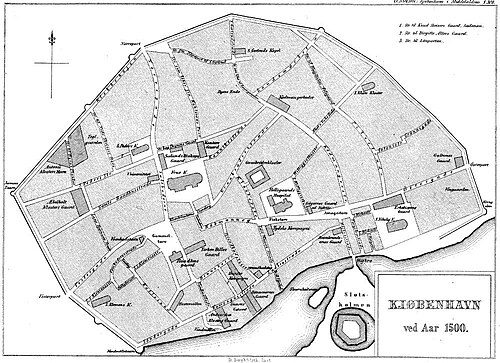
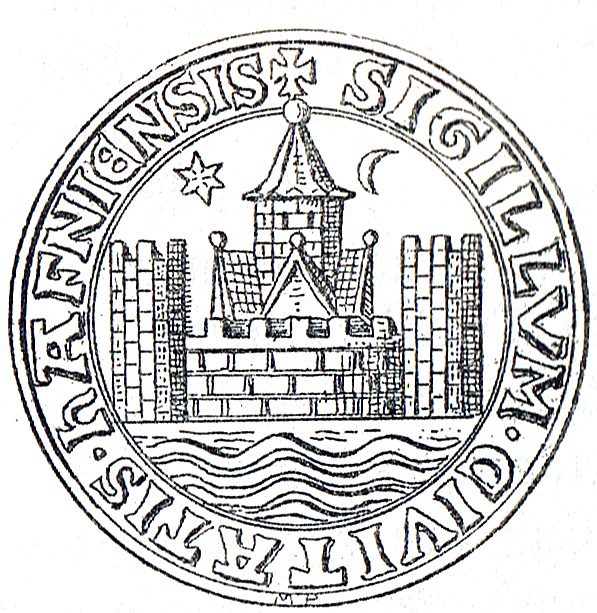
Reconstruction of Copenhagen c. 1500

Sightseeing

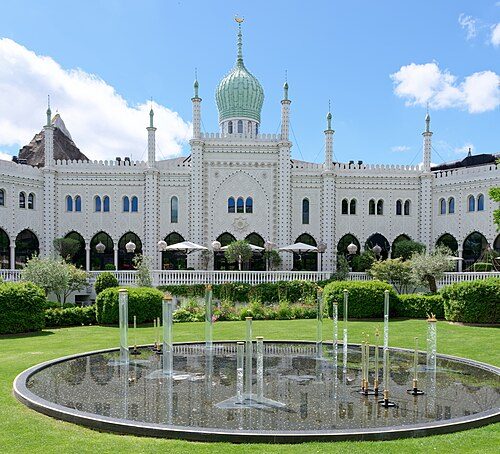
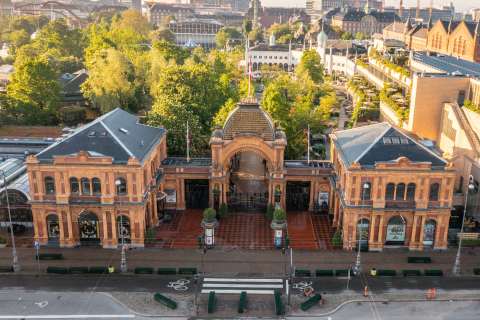
Tivoli Gardens: a historic amusement park with beautiful gardens
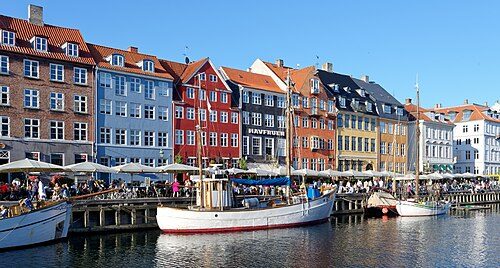
Nyhavn: a picturesque waterfront lined with colorful buildings
The Little Mermaid: a famous statue inspired by Hans Christian Andersen
Rosenborg Castle: a stunning Renaissance castle housing royal artifacts
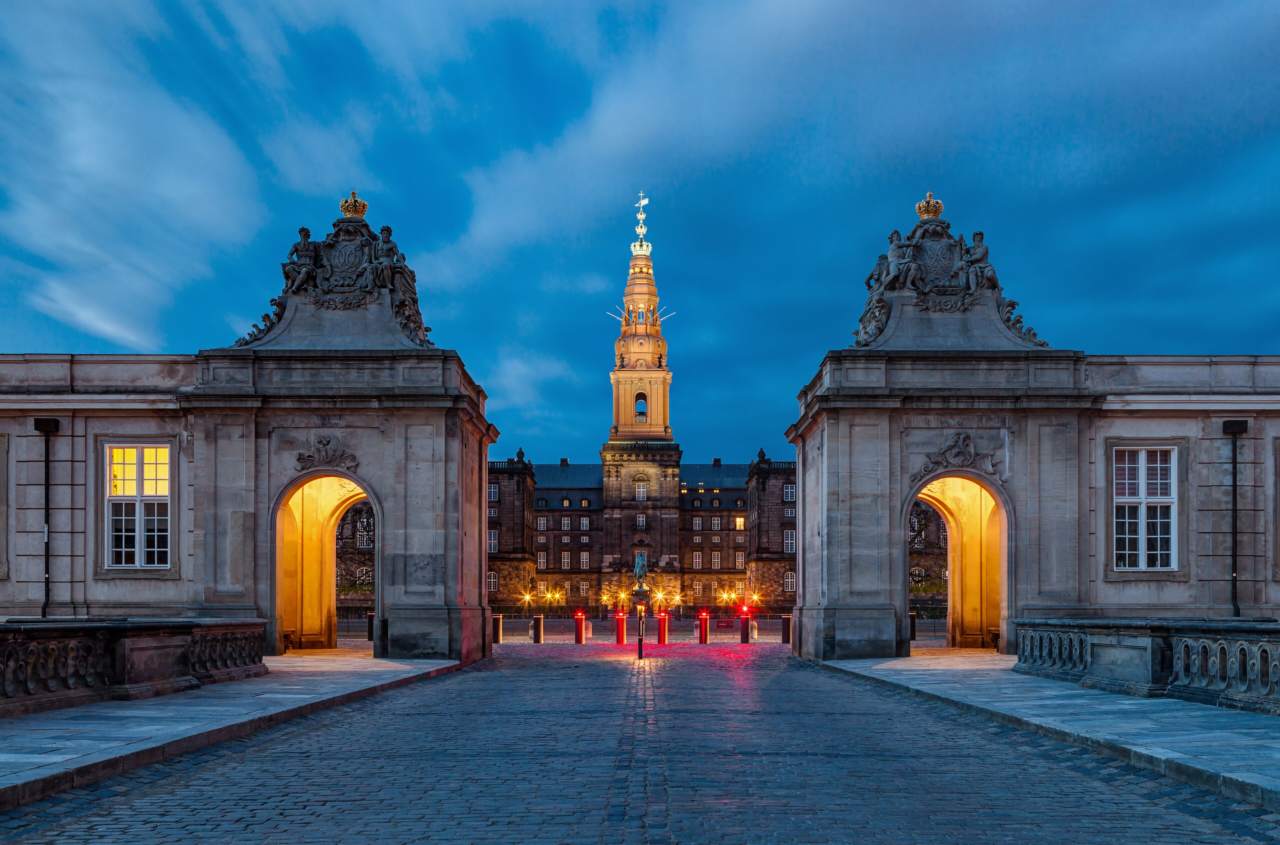
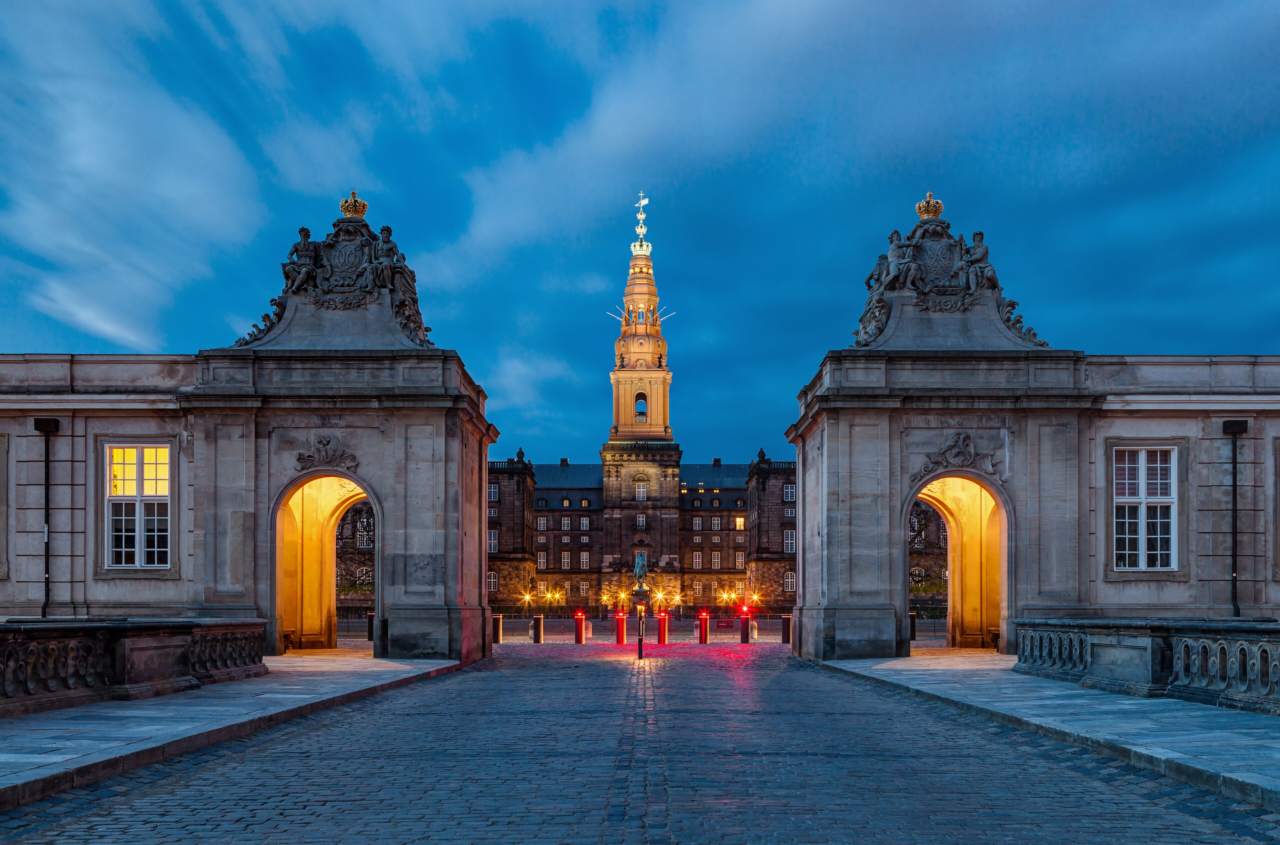
Christiansborg Palace: the seat of the Danish Parliament
The Round Tower: an iconic 17th-century tower with panoramic views
Amalienborg Palace: the royal family's winter residence
Freetown Christiania: a unique, self-proclaimed autonomous neighborhood

"A city of history and innovation"Copenhagen

Things to do

Explore the canals by boat: a unique perspective of the city
Visit the National Museum: learn about Denmark's history and culture
Bike around the city: a popular way to get around
Enjoy a food tour: taste local delicacies and street food
Relax in the King's Garden: a beautiful park near Rosenborg Castle
Local food and drinks - Copenhagen

Local food and drinks

Smørrebrød: traditional open-faced sandwiches
Danish pastries: sweet treats like cinnamon rolls
Noma: world-renowned restaurant for innovative Nordic cuisine
Torvehallerne: a food market with diverse offerings
Craft beer: sample local brews at various breweries

Local traditions

Copenhagen Jazz Festival: an annual celebration of jazz music
Copenhagen Carnival: a vibrant festival showcasing culture and dance
Christmas markets: festive markets during the holiday season
Midsummer's Eve: celebrated with bonfires and gatherings
History - Copenhagen

History

Copenhagen's history dates back to the 10th century when it began as a small fishing village. It grew rapidly, becoming the capital of Denmark in the 15th century, and has since evolved into a major cultural and economic center in Northern Europe.

The city has witnessed significant events, including the Great Fire of 1728 and the German occupation during World War II. Today, Copenhagen is known for its progressive values and commitment to sustainability, making it a model for modern urban living.

Things to know

Expect high prices for food and accommodation
Public transport is efficient but can be crowded
Bicycles are the preferred mode of transport, so watch for cyclists
Some attractions may have long queues during peak seasons

Do's and don'ts

Try local pastries at a bakery
Use a bike for easy city navigation
Visit museums on free admission days
Engage with locals to learn about their culture
Don't assume everyone speaks English fluently
Don't miss out on the lesser-known neighborhoods
Don't forget to check the weather before heading out
Don't rush through meals; savor the dining experience

Good to know

Accessibility: Most areas are accessible, but some attractions have limitations.
Price level: expensive

Photo: Wikipedia / Wikimedia Commons