kiomigo
search
search
add Neue Reise
Dublin

Dublin

Bevölkerung: 550.000 Seit: Founded around 841 AD Preis: Mid-range Hauptstadt
accessible Barrierefreiheit: Many areas are walkable, but some have cobblestones.

Einführung

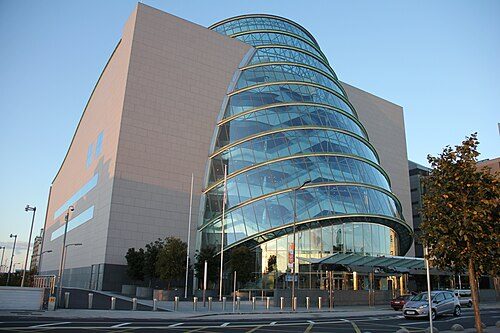
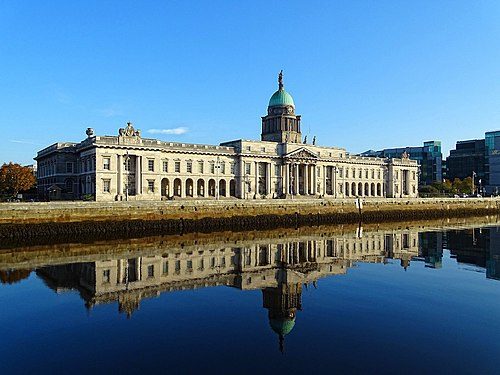
Dublin is a vibrant city that blends rich history with a lively modern culture. Visitors are often drawn to its friendly locals, bustling streets, and a unique mix of traditional and contemporary attractions.

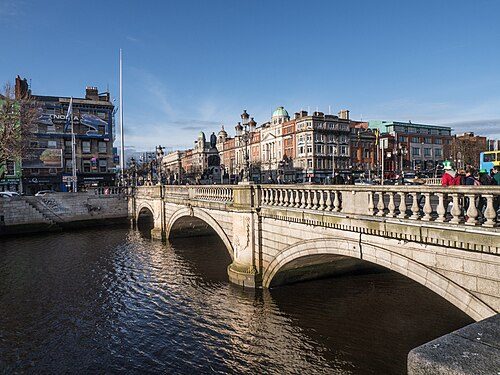
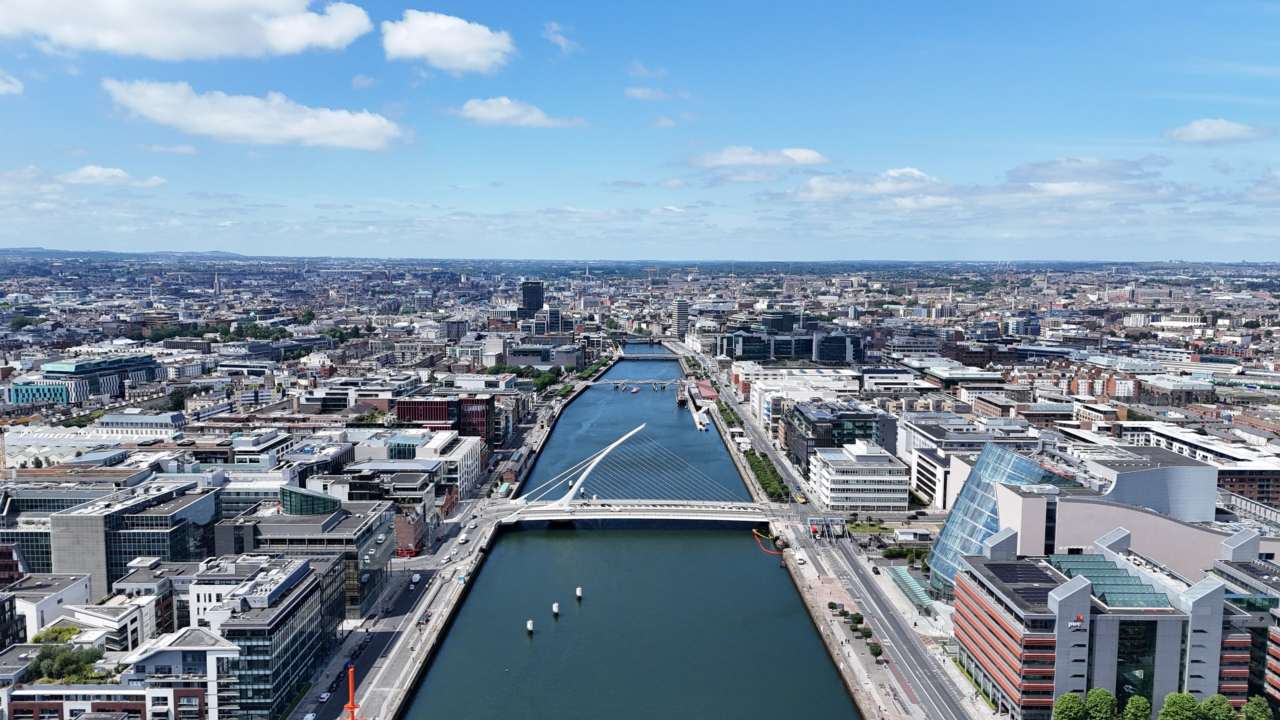
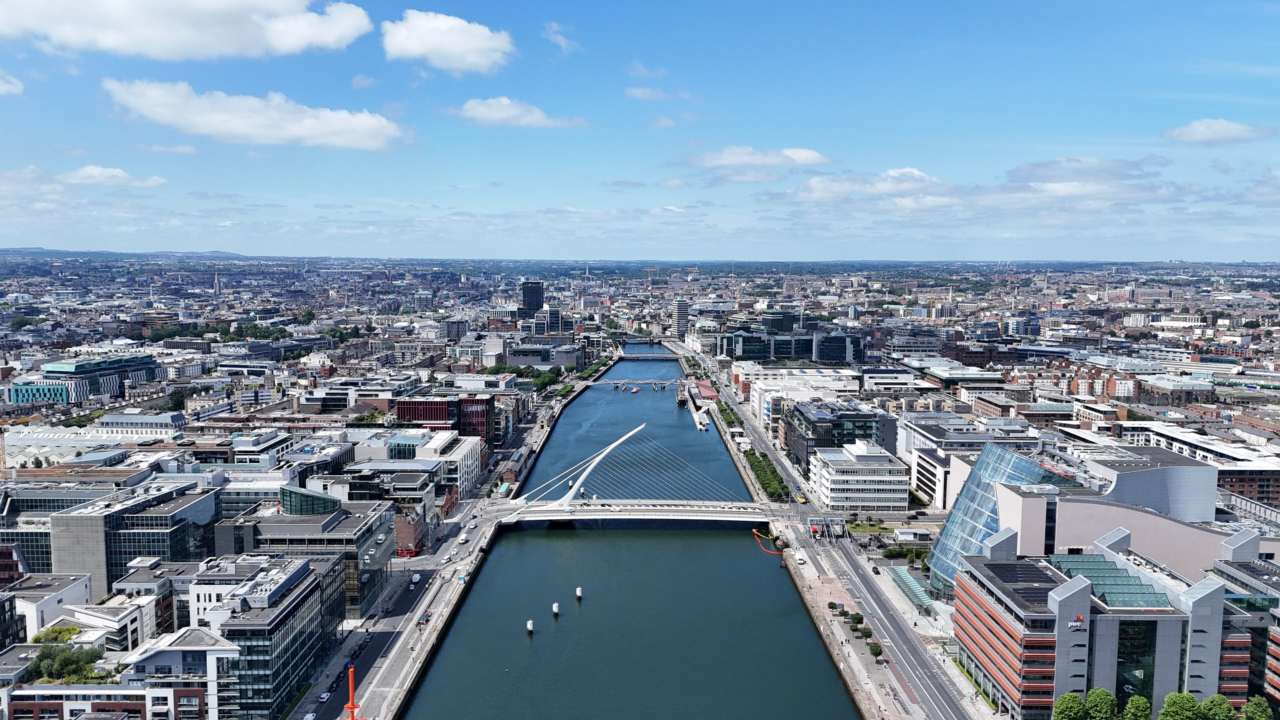
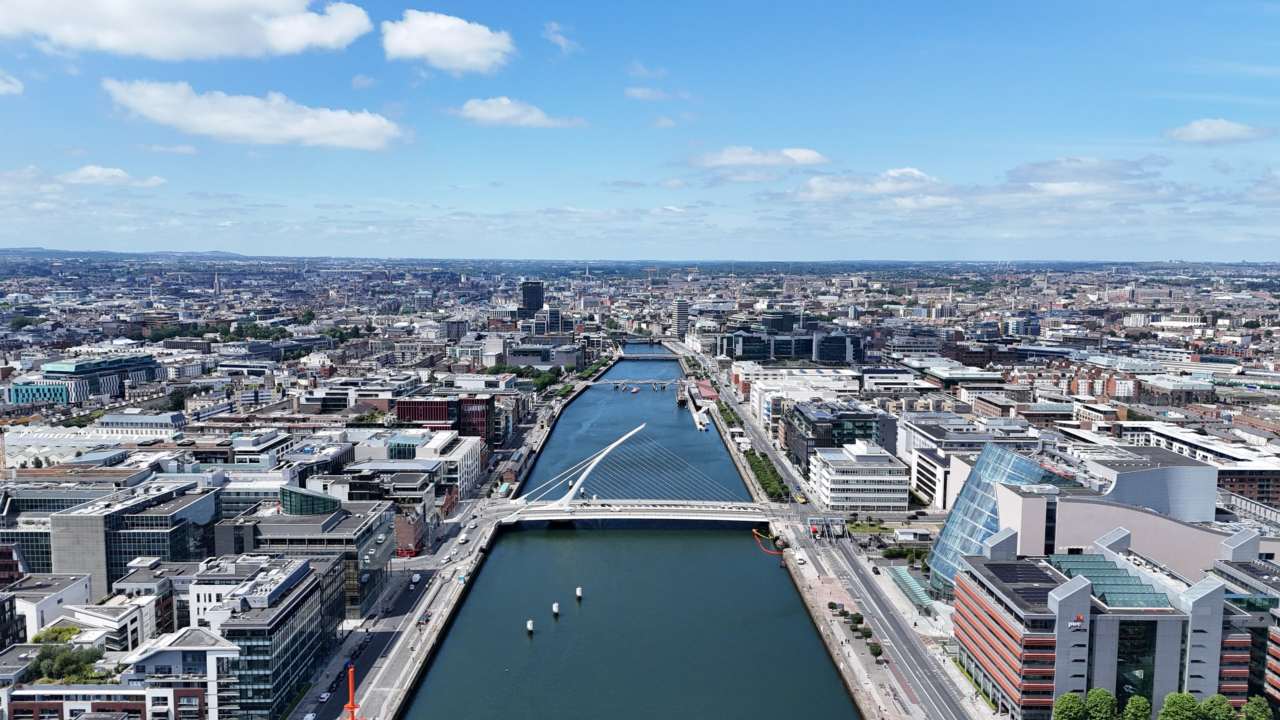
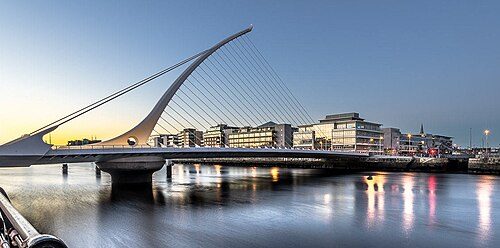
The River Liffey runs through the heart of the city, offering picturesque views and a sense of connection between the north and south sides. From historic pubs to world-class museums, Dublin has something for everyone, though it can feel crowded, especially during peak tourist seasons.

In Bildern
Dublin
Dublin
Dublin
Dublin
Dublin
Dublin

Sightseeing

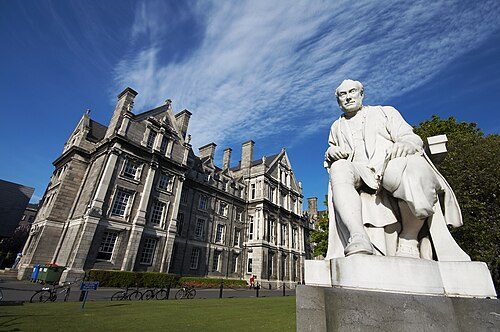
Trinity College: home to the Book of Kells
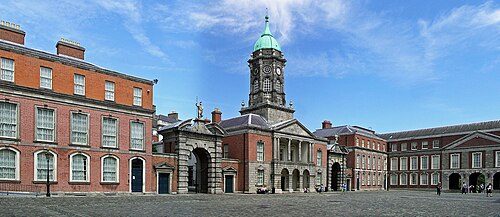
Dublin Castle: a historic castle with beautiful gardens
St. Patrick's Cathedral: the largest cathedral in Ireland
Guinness Storehouse: learn about Ireland's famous stout
Kilmainham Gaol: a former prison with a rich history
The National Museum of Ireland: explore Irish heritage and culture
Phoenix Park: one of the largest city parks in Europe
Temple Bar: the cultural quarter known for nightlife

"Where history meets modern vibrancy"Dublin

Things to do

Take a walking tour: discover Dublin's history on foot
Visit a traditional pub: enjoy live music and local brews
Explore the Dublin Bay: take a scenic coastal walk
Attend a literary event: immerse yourself in Dublin's literary scene
Lokales Essen und Trinken - Dublin

Lokales Essen und Trinken

Irish Stew: a hearty traditional dish
Soda Bread: a staple in Irish cuisine
Guinness: the iconic Irish stout
Fish and Chips: a popular pub meal
The Woollen Mills: a great spot for local dishes
Lokale Traditionen - Dublin

Lokale Traditionen

St. Patrick's Day: a major celebration on March 17
Dublin Fringe Festival: an annual arts festival
Bloomsday: a celebration of James Joyce's 'Ulysses'
The Dublin Horse Show: a prestigious equestrian event
Geschichte - Dublin

Geschichte

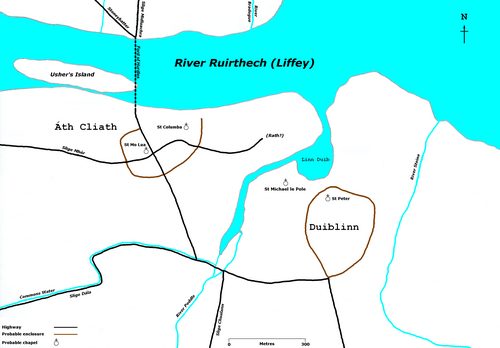
Dublin's origins date back to the Viking settlement in the 9th century, evolving into a significant medieval city. It became the capital of Ireland under British rule, shaping its political and cultural landscape.

The city has witnessed numerous historical events, including the 1916 Easter Rising, which played a crucial role in Ireland's path to independence. Today, Dublin is a UNESCO City of Literature, reflecting its rich literary heritage.

Wissenswertes

Be cautious of tourist traps in Temple Bar, especially overpriced drinks
Public transport can be limited; consider walking or cycling
Pickpocketing can occur in crowded areas, so stay vigilant
Weather can be unpredictable; dress in layers and carry an umbrella

Do's und Don'ts

Explore the local markets for unique finds
Engage with locals to learn about their culture
Visit museums on free admission days
Try traditional Irish music sessions in pubs
Don't rush through the city; take your time
Don't miss out on lesser-known neighborhoods
Don't assume all pubs serve food late at night
Don't forget to check opening hours before visiting attractions

Gut zu wissen

Barrierefreiheit: Many areas are walkable, but some have cobblestones.
Price level: mid-range

Foto: Wikipedia / Wikimedia Commons