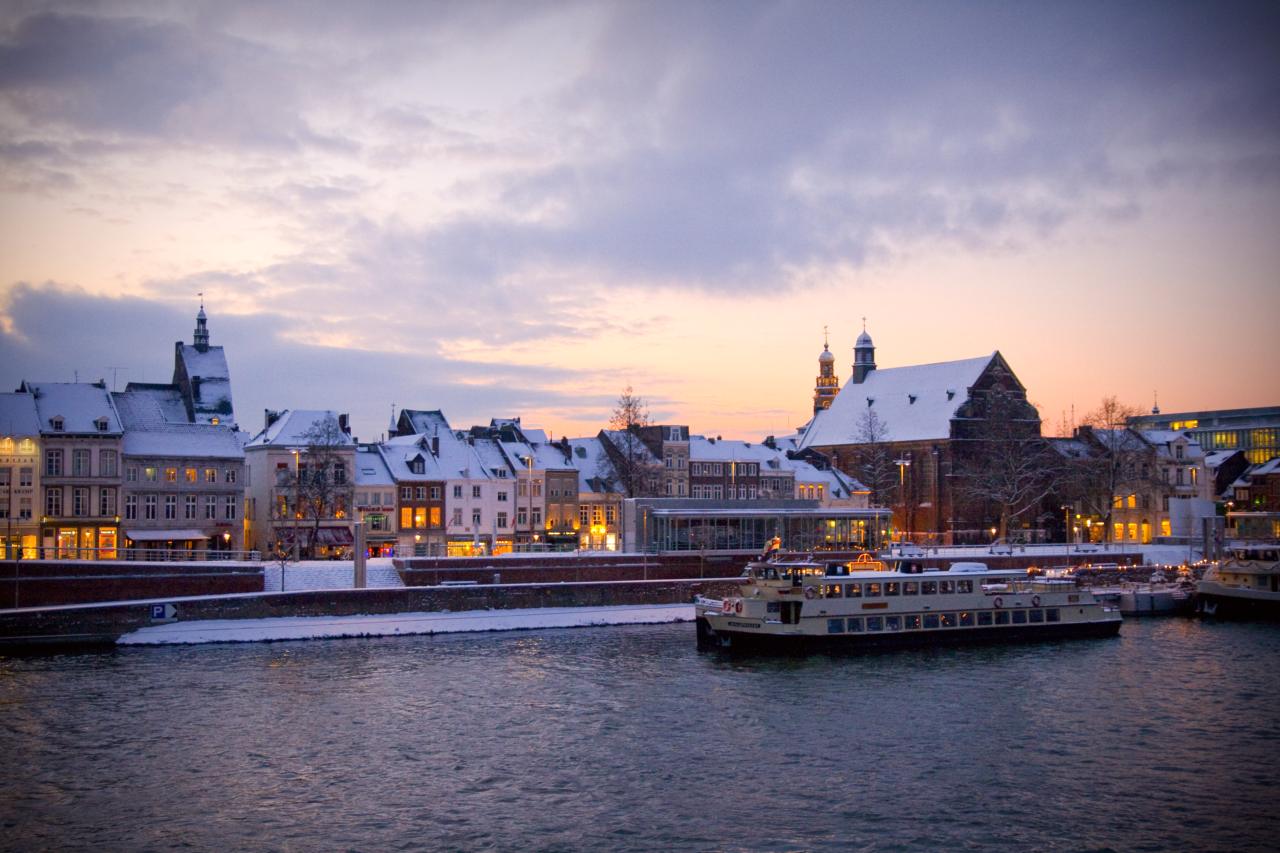
Maastricht
Population: 122.000
Since: Founded around 50 AD
Price: Mid-range
Introduction
Maastricht offers a blend of history and modernity, with its cobblestone streets and lively squares. The city is known for its rich architectural heritage, from medieval buildings to contemporary art spaces.
Visitors can stroll along the Maas River or explore the vibrant local markets. The atmosphere is relaxed, making it easy to enjoy a coffee at a café or browse through boutique shops.
Sightseeing
Vrijthof: the central square with St Servaas Church and St Jan's Cathedral
St Servaas Church: a historic church dating back to the 11th century
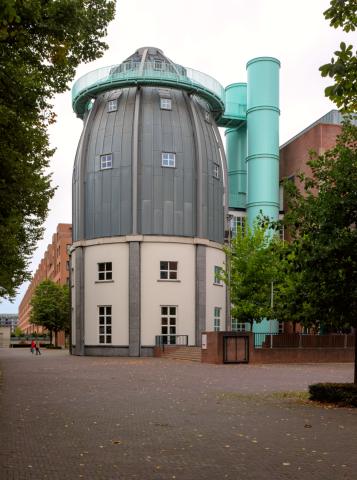
Bonnefanten Museum: contemporary art museum located by the river
Maastricht Underground: extensive network of caves and tunnels
Helpoort: the oldest surviving city gate in the Netherlands
Market Square: lively area with local vendors and cafes
Onze Lieve Vrouweplein: picturesque square with a beautiful basilica
Stokstraat: charming shopping street with boutiques and galleries
Things to do
Explore the caves of Maastricht Underground: guided tours available
Attend the Carnival: a lively celebration with parades and costumes
Take a bike ride along the Maas: scenic routes available
Visit the European Fine Art Fair: held annually, showcasing fine art
Top attractions
Local food and drinks
Café Sjiek: known for its local dishes and cozy atmosphere
Cato by cato: offers a variety of sandwiches and light meals
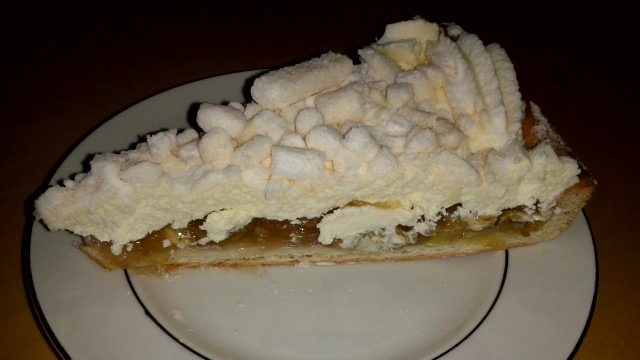
Bisschopsmolen: famous for its traditional Limburg pie
De Brandweerkantine: casual spot for drinks and snacks
Brouwerij Bosch: local brewery with a selection of beers
Local traditions
Carnival: a major celebration with parades and costumes
Preuvenemint: a food festival showcasing local cuisine
Maastricht Christmas Market: festive stalls and holiday cheer
Annual art fair: attracts international art lovers
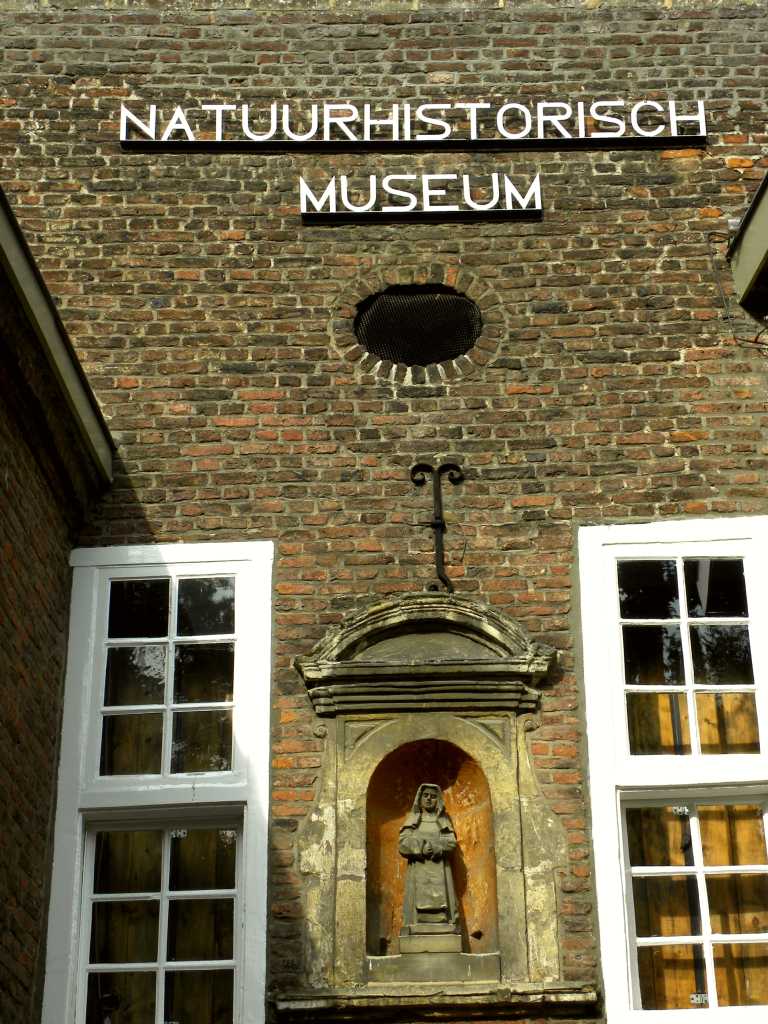
History
Maastricht's history dates back to Roman times, when it was known as Trajectum.
The city has seen various rulers and influences, shaping its unique character. It played a significant role in European history, especially during the signing of the Maastricht Treaty in 1992, which established the European Union.
Things to know
Be cautious of pickpockets in crowded areas.
Public transport can be limited on weekends.
Some shops close early on Mondays.
Parking can be challenging in the city center.
Do's and don'ts
Visit local markets for fresh produce.
Try the local Limburg pie.
Explore the city by bike for a unique perspective.
Attend a local festival for cultural immersion.
Don't ignore the local cycling rules.
Don't miss the chance to try local beers.
Don't expect all shops to be open on Mondays.
Don't rush your visit; take time to explore.
Good to know
Accessibility:
The city has some accessible areas but also steep streets.
Price level:
mid-range
Popular routes here
Photo: Wikipedia / Wikimedia Commons