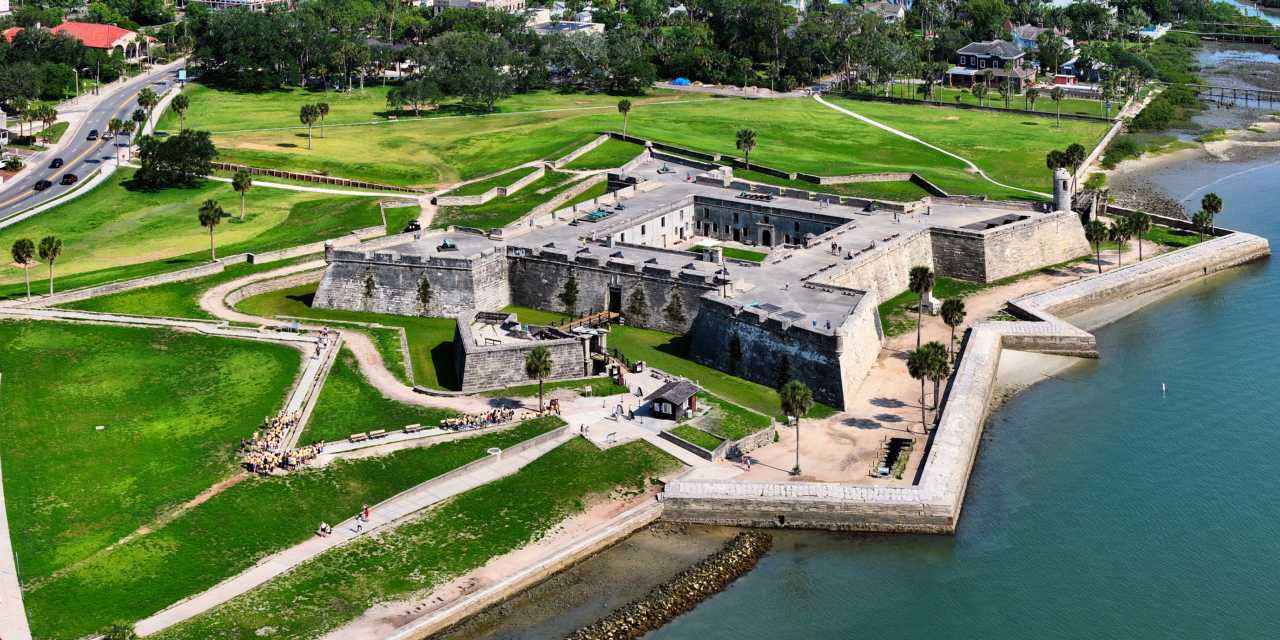
Castillo de San Marcos
Introduksjon
Castillo de San Marcos er en historisk festning som ligger i St. Augustine, Florida. Bygget på slutten av 1600-tallet, er det den eldste mursteinsfestningen i det kontinentale USA, og tiltrekker seg besøkende som er interessert i militærhistorie og kolonialarkitektur.
Festningen har vært en militærbase for ulike nasjoner gjennom århundrene. I dag står den som en påminnelse om områdets komplekse fortid og tilbyr guidede turer, gjenopplevninger og naturskjønne utsikter over den omkringliggende vannkanten.
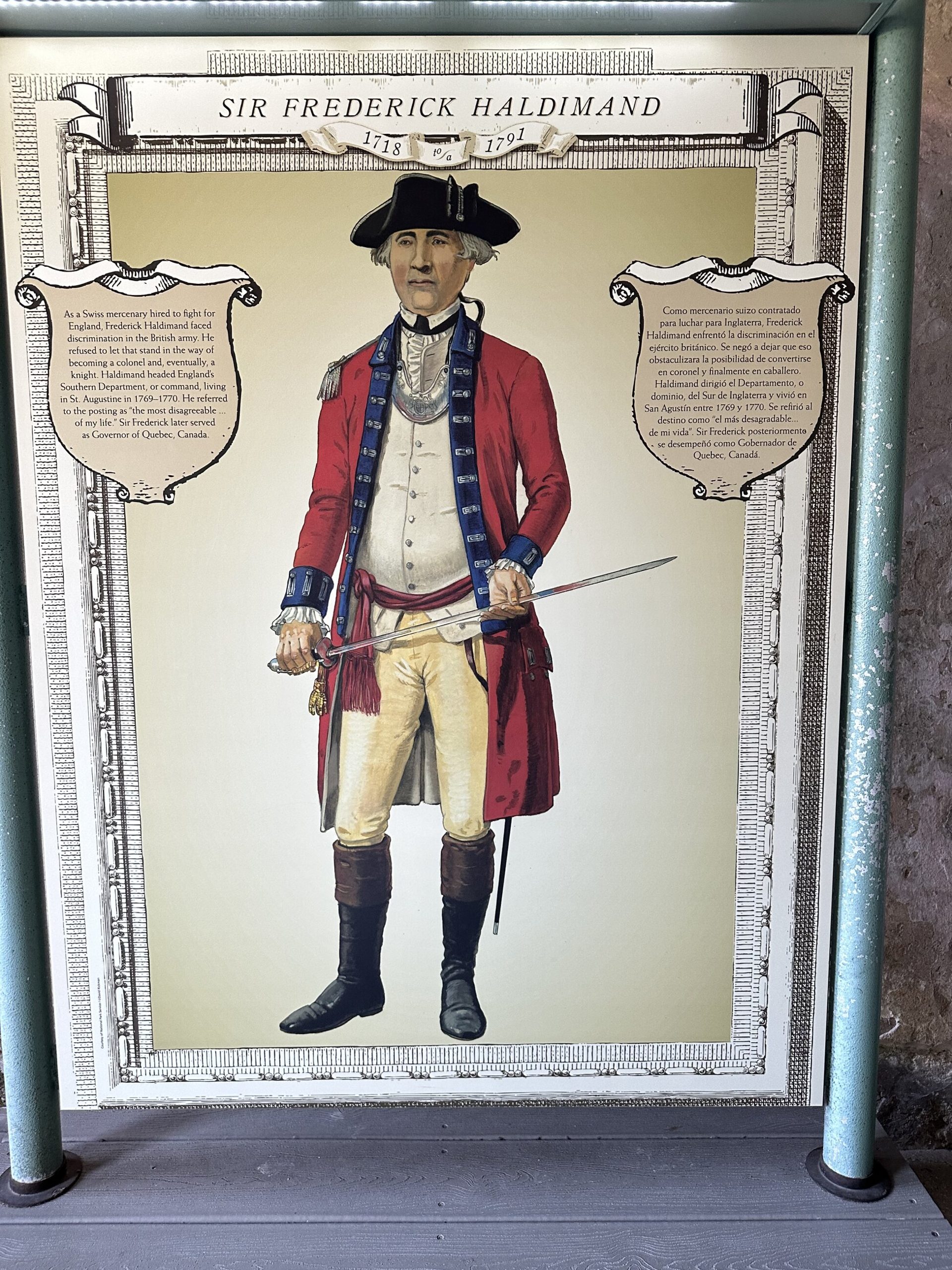
Sir Frederick Haldimand
Sir Frederick Haldimand's journey is all about sticking it out and showing leadership. He started as a Swiss mercenary in the British Army and faced a lot of discrimination, but he worked his way up to become a colonel and even got knighted. Haldimand was in St. Augustine from 1769 to 1770, and he found that posting pretty tough. Later, he moved to Canada and became the Governor of Quebec. His story highlights the tricky nature of colonial military life and the personal struggles of those who served far from home.
Introduction
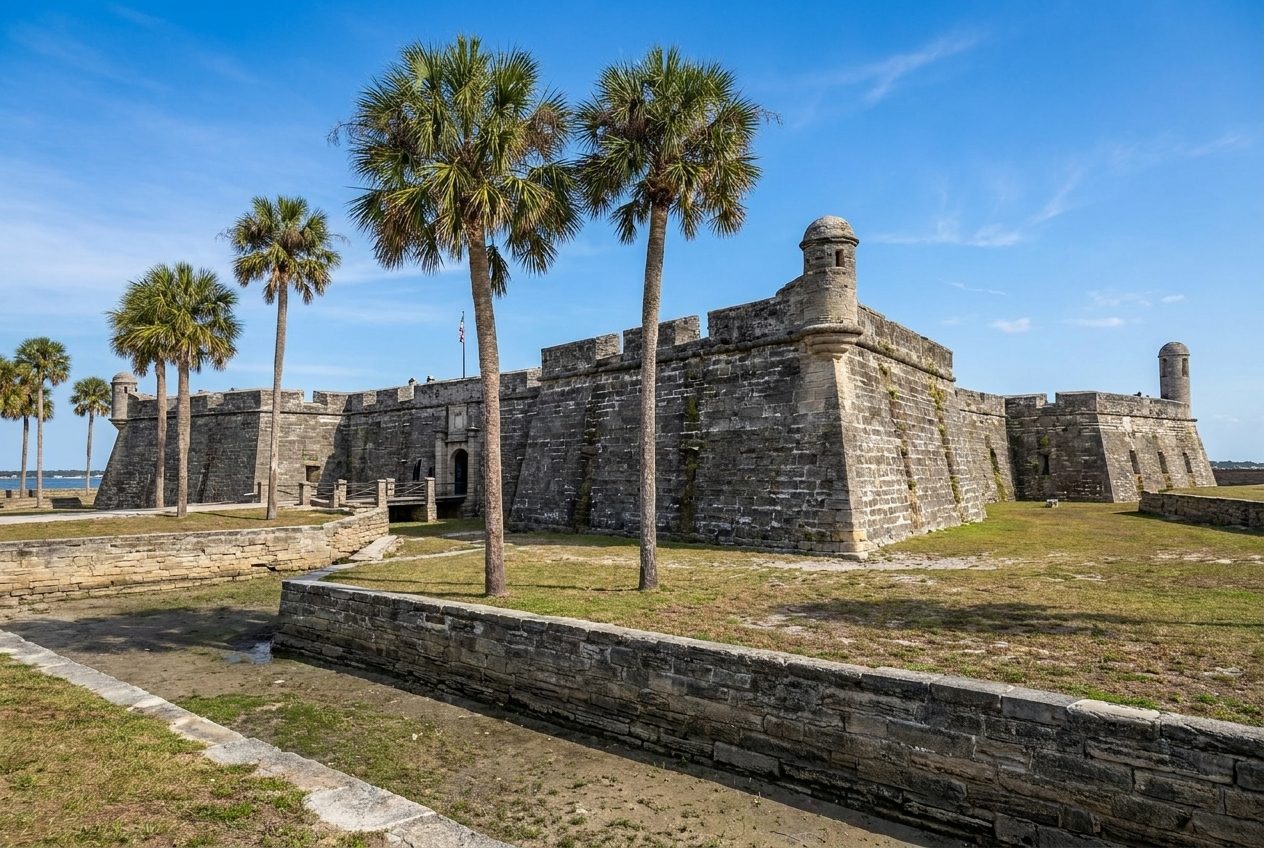
Castillo de San Marcos
Castillo de San Marcos in St. Augustine, Florida, is the oldest stone fort in the continental U.S. Built by the Spanish between 1672 and 1695, this star-shaped fort was made to protect the city and its shipping routes from pirates and enemy attacks. Its coquina walls, made from a special shellstone, have survived many sieges over the years. Now, it's a national monument where you can learn about the military history of the area.
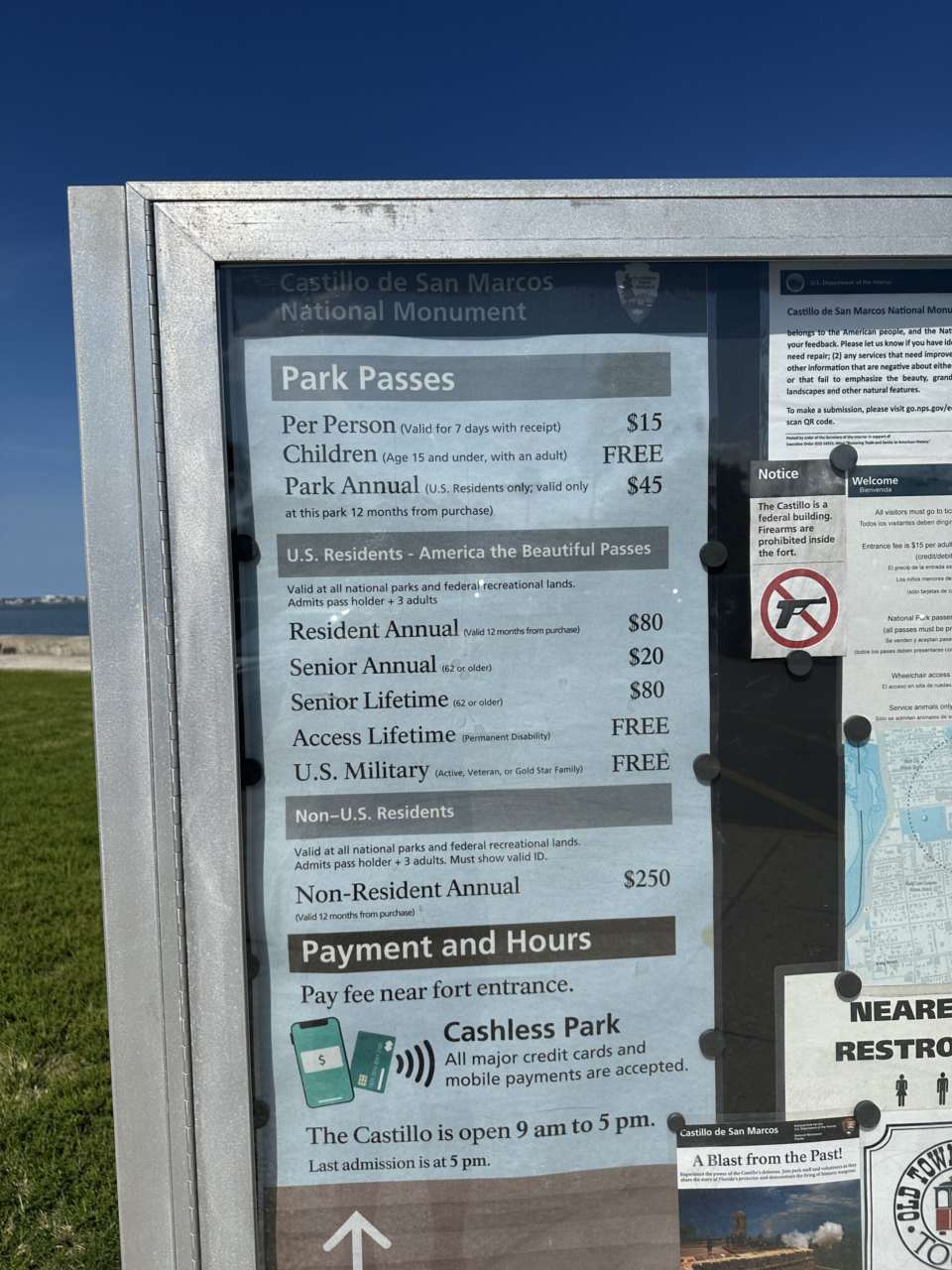
To visit Castillo de San Marcos, you'll need to buy a park pass. Right now, it costs $15 per person and is good for seven days. Kids 15 and under can get in free with an adult. U.S. residents can get an annual pass for $45, while non-residents can buy one for $250. The fort is open every day from 9 am to 5 pm, with the last entry at 5 pm. Keep in mind that the park doesn't take cash, so be ready to pay with a credit card or mobile payment.
While the fort's history and architecture are impressive, it can get busy, especially during peak tourist times. Arriving early can help you skip long lines and explore at a relaxed pace. Don’t miss the various exhibits and demonstrations throughout the day that give you a deeper understanding of the fort's history and the lives of the soldiers who defended it.
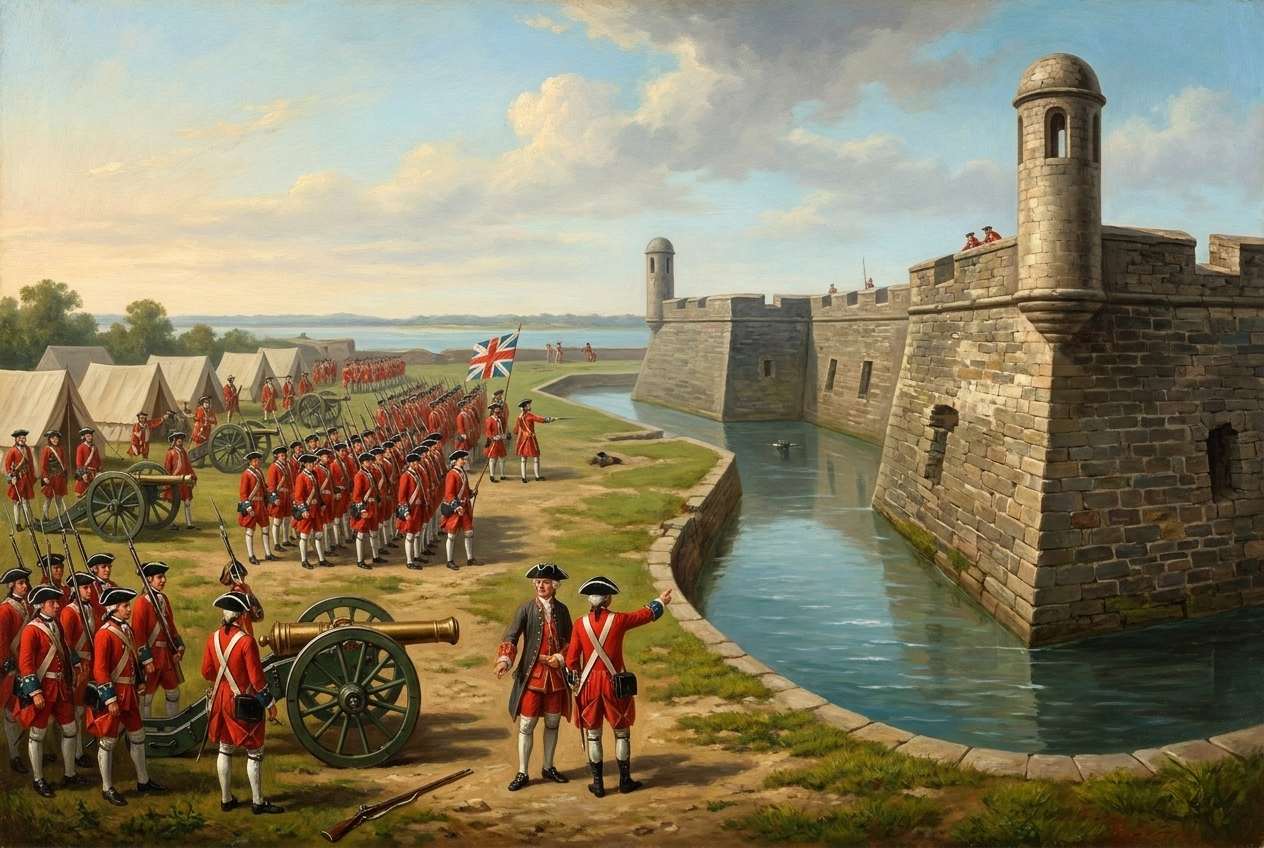
Historical Timeline
The history of Castillo de San Marcos is closely tied to Florida's colonial past. Construction started in 1672 after British forces attacked St. Augustine. The Spanish Crown decided to build a stone fort to replace the wooden ones that weren't cutting it. By 1695, the fort was finished, featuring a star shape that allowed for effective cannon fire against enemies.
Over the years, Castillo de San Marcos saw many military conflicts. In 1702 and again in 1740, British forces tried to take the fort but were pushed back each time. Its location along the Matanzas River helped guard against pirate attacks and British ships, making it a key military site.
In 1763, after the Seven Years War, Spain gave Florida to Great Britain. The fort changed hands again in 1784 when Spain took it back after the American Revolution. The U.S. got Florida in 1821, and the fort was renamed Fort Marion in honor of Revolutionary War hero Francis Marion.
Throughout its history, Castillo de San Marcos has played many roles, from a military stronghold to a tourist spot. It became a national monument in 1924 and was restored to its original name in 1942. Today, it stands as a reminder of Florida's complex colonial history, attracting visitors interested in its architecture and the stories of those who lived and fought there.
History
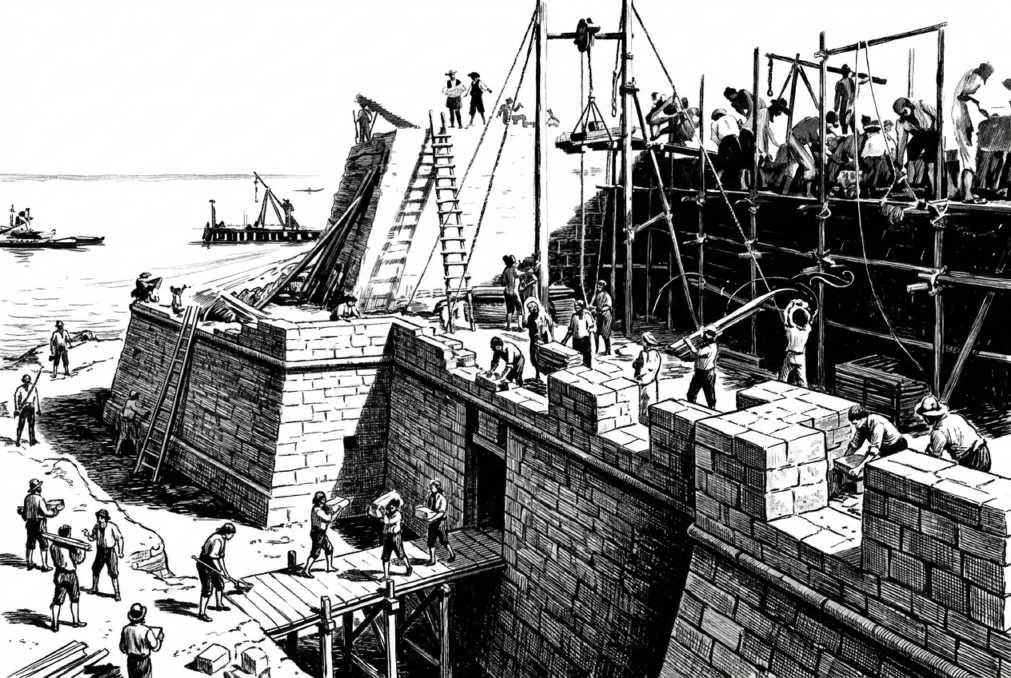
Building the Castillo
Construction of Castillo de San Marcos kicked off on October 2, 1672. Spanish workers faced a lot of challenges, like food shortages and disease, which slowed things down for years. By August 1695, the fort had its stone walls and a wooden interior. It wasn't fully completed until 1756, with solid stone walls and rooms. The fort was crucial for defending St. Augustine, a key port for ships heading to Europe from Spanish colonies in the Americas. One of the casemates, used for storage, held supplies like canvas, rope, and lanterns needed for sea journeys. Under U.S. control, this space was turned into a prison.
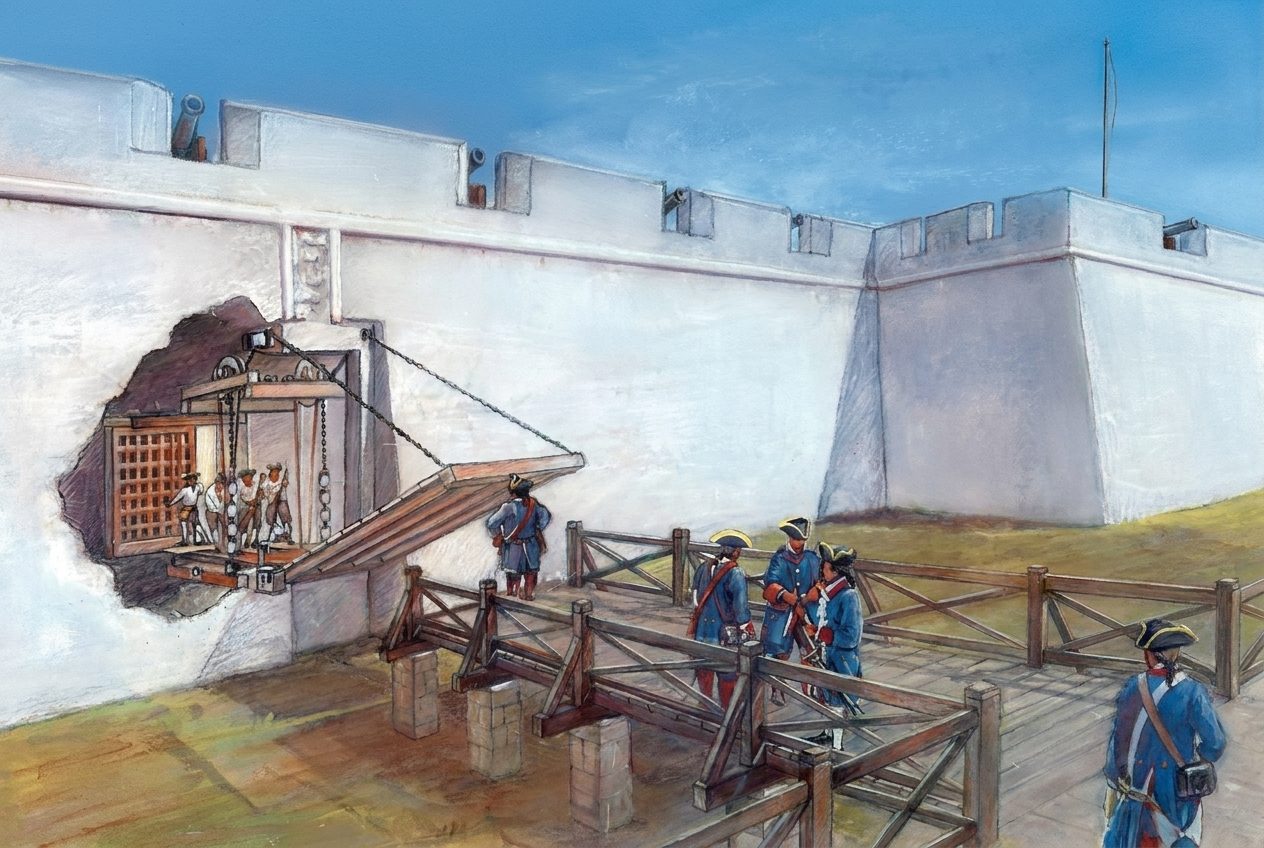
Defensive Features
Castillo de San Marcos has a complex defense system to protect its entrance. The most vulnerable area was reinforced with a heavy portcullis gate, two drawbridges, and a ravelin. It took three soldiers about fifteen minutes to close the larger drawbridge, which stayed open during peacetime. At night, the outer drawbridge was raised to secure the fort. The ravelin acted as an extra barrier, while soldiers operated the portcullis gate to block access. The drawbridge weighed 1,800 pounds and was lifted using counterweights, operated by a hand-cranked windlass.

Weapons of War
Castillo de San Marcos has three main types of artillery: cannons, mortars, and howitzers. Each type had its own advantages in battle. Cannons were great for long-range fire, while mortars launched explosive projectiles in a high arc. Howitzers combined features of both. The fort's star shape allowed for overlapping fields of fire, creating a deadly crossfire against attackers. The thick walls were built to deflect cannonballs, and the wide ditch around the fort left little cover for advancing forces. Despite many sieges, the Castillo was never taken.
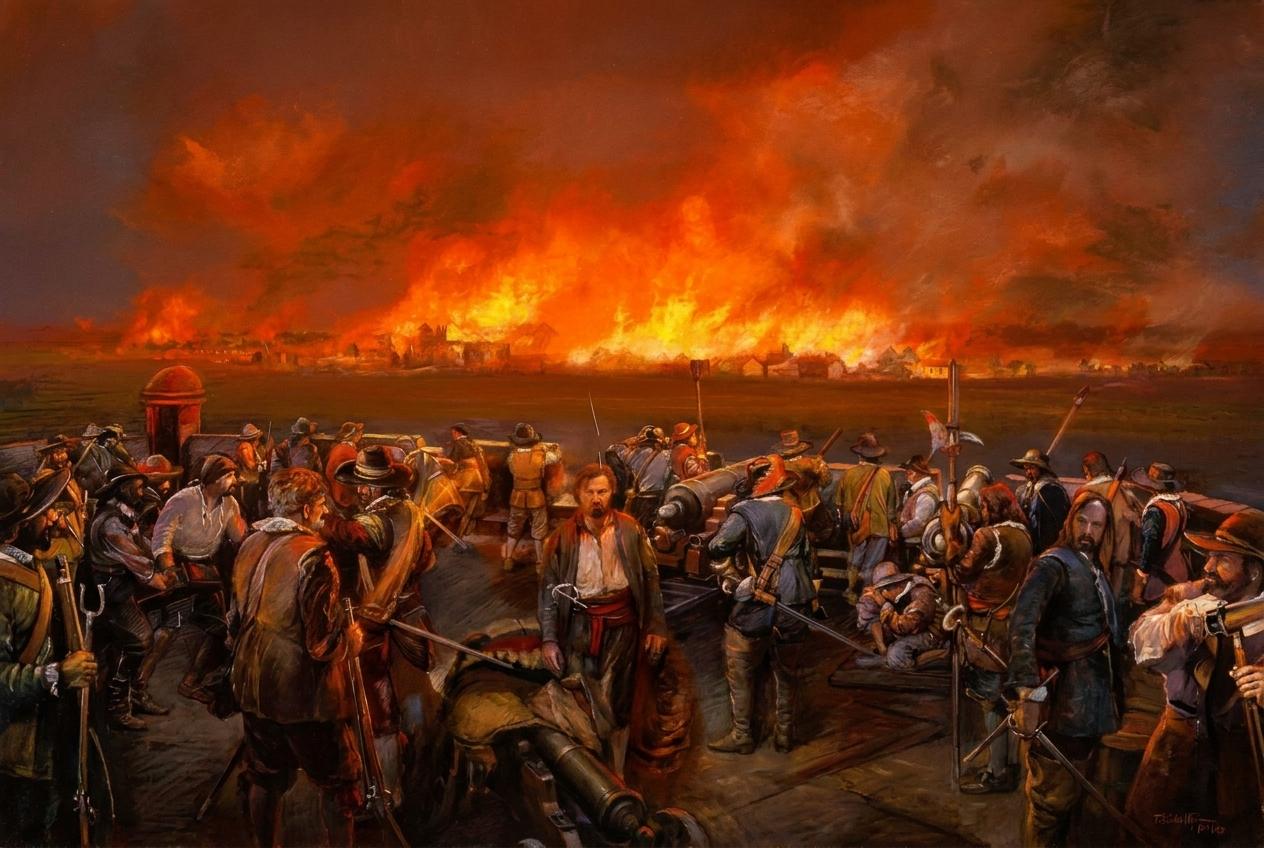
Major Sieges
The Castillo faced major sieges, especially in 1702 and 1740. During the 1702 siege, English troops set fire to St. Augustine while Spanish soldiers took shelter inside the fort. The siege lasted nearly two months, but the Castillo held strong. Afterward, the Spanish rebuilt their homes and defenses. In 1740, the British launched another attack, kicking off a 38-day siege. Although the fort took some damage, it successfully withstood the bombardment, proving the effectiveness of its design.
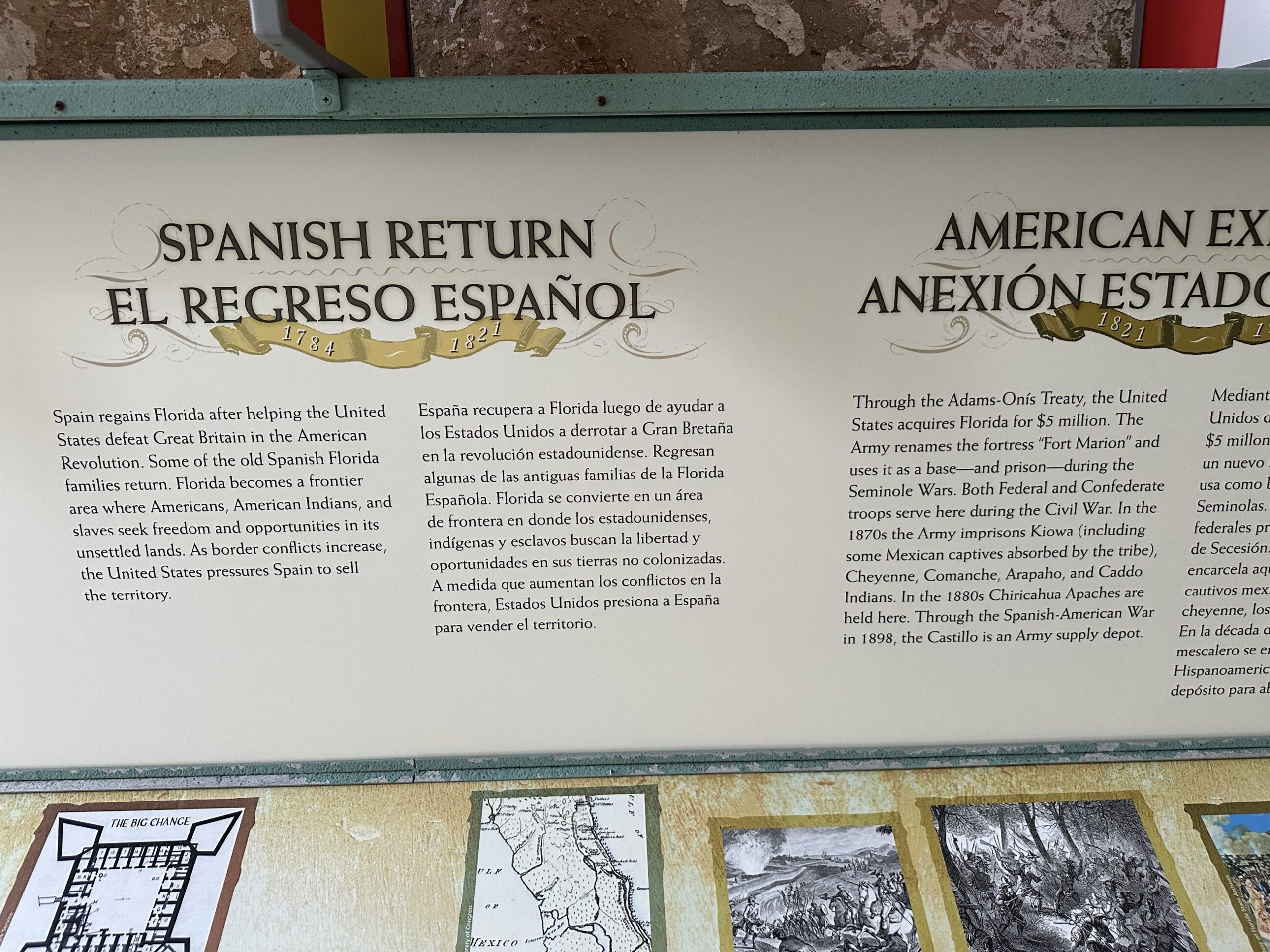
Spanish Return to Florida
Spain regained control of Florida in 1784 after helping the United States in the American Revolution. This time saw some Spanish families returning to the area. Florida became a frontier region, attracting Americans, Native Americans, and enslaved people looking for new opportunities. As tensions rose, the U.S. government pressured Spain to sell the territory, leading to big changes in the region.
American Expansion
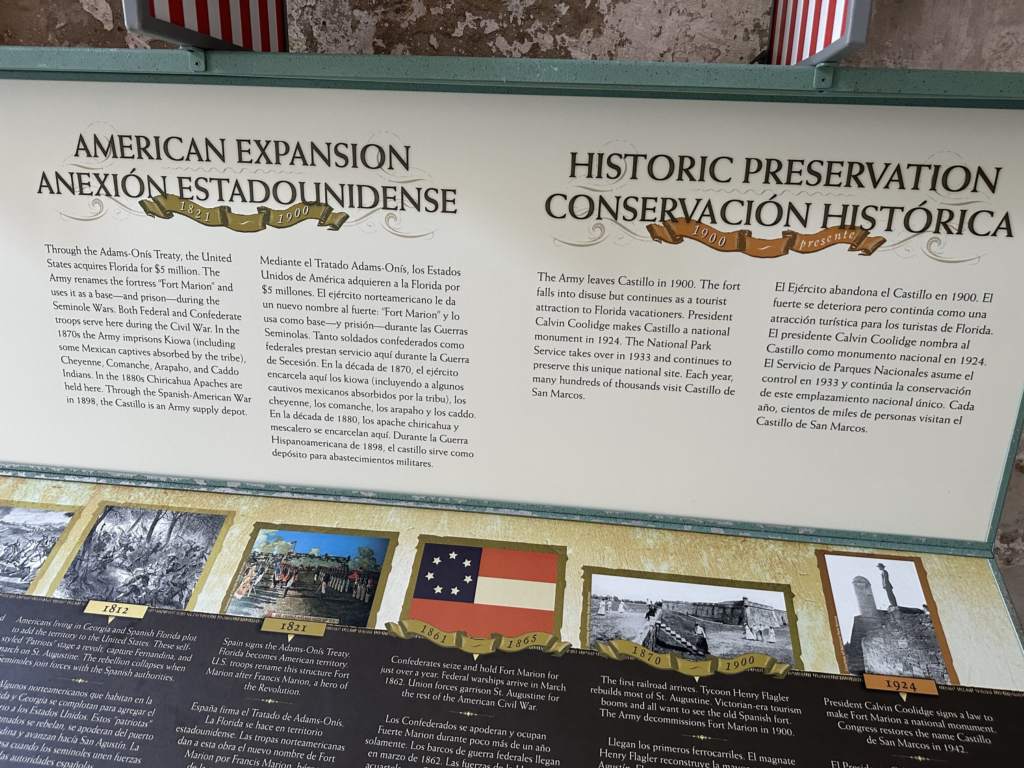
The United States acquired Florida in 1821 through the Adams-Onís Treaty for $5 million. The Castillo was renamed Fort Marion and took on various roles, including as a base during the Seminole Wars and a prison during the Civil War. In the late 19th century, it housed different Native American tribes. After the Army left the fort in 1900, it fell into disrepair but remained a tourist spot. In 1924, President Calvin Coolidge designated it a national monument, and the National Park Service took over in 1933 to ensure its preservation.
Practical Information
Visiting Details
Visiting Castillo de San Marcos is easy. The entrance fee is $15 per person, valid for seven days with a receipt. Kids 15 and under can enter for free with an adult. If you plan to visit multiple times, consider the annual park pass for U.S. residents, which costs $45 and is good for 12 months from the purchase date. For frequent national park visitors, the America the Beautiful Pass is available for $80, allowing access to all national parks and federal recreational lands for the pass holder and up to three adults. Active military members, veterans, and Gold Star families can enter for free, as can individuals with permanent disabilities. Non-U.S. residents can buy an annual pass for $250, also valid for 12 months.
The fort is open daily from 9 am to 5 pm, with the last admission at 5 pm. Payment is cashless, so be ready to use a credit card or mobile payment method at the entrance.
Fort Layout
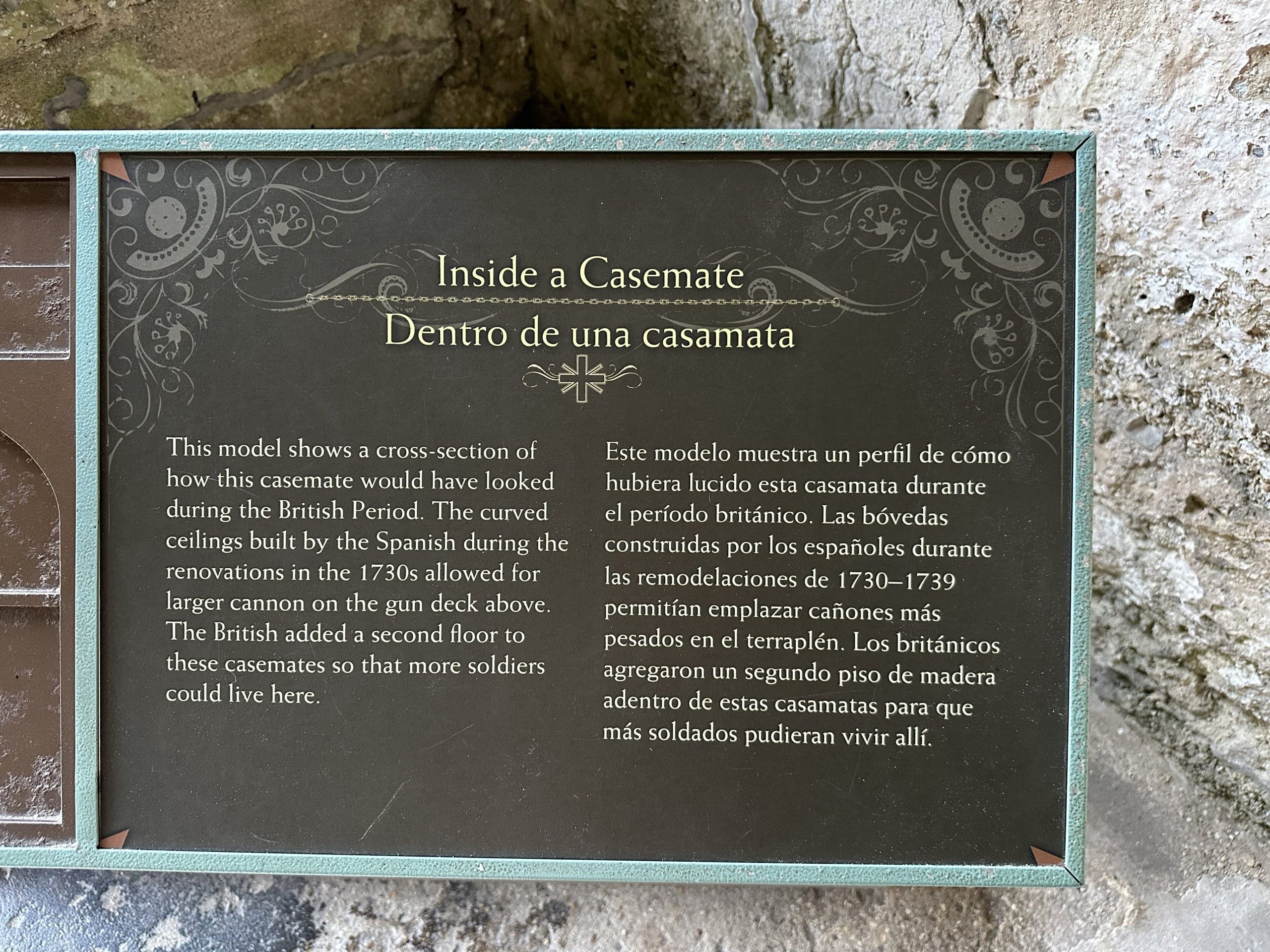
The layout of Castillo de San Marcos shows its military history. The fort has a casemate structure, which is a fortified room used for housing cannons and soldiers. During the British period, these casemates were modified to include a second floor, allowing more soldiers to be stationed there. The Spanish originally built the arched ceilings in the 1730s, which made it possible to place larger cannons on the gun deck above. This design not only served a practical purpose but also showcased the architectural style of the time.
Visitors can explore the casemates and imagine what life was like for the soldiers stationed here. The cross-section model inside the fort gives a visual representation of how the casemates would have looked during the British occupation, highlighting the historical significance of the structure. Take your time to walk through the fort and appreciate the strategic layout that has stood the test of time.
Verdt å vite
Godt å vite
Bilde: Wikipedia / Wikimedia Commons