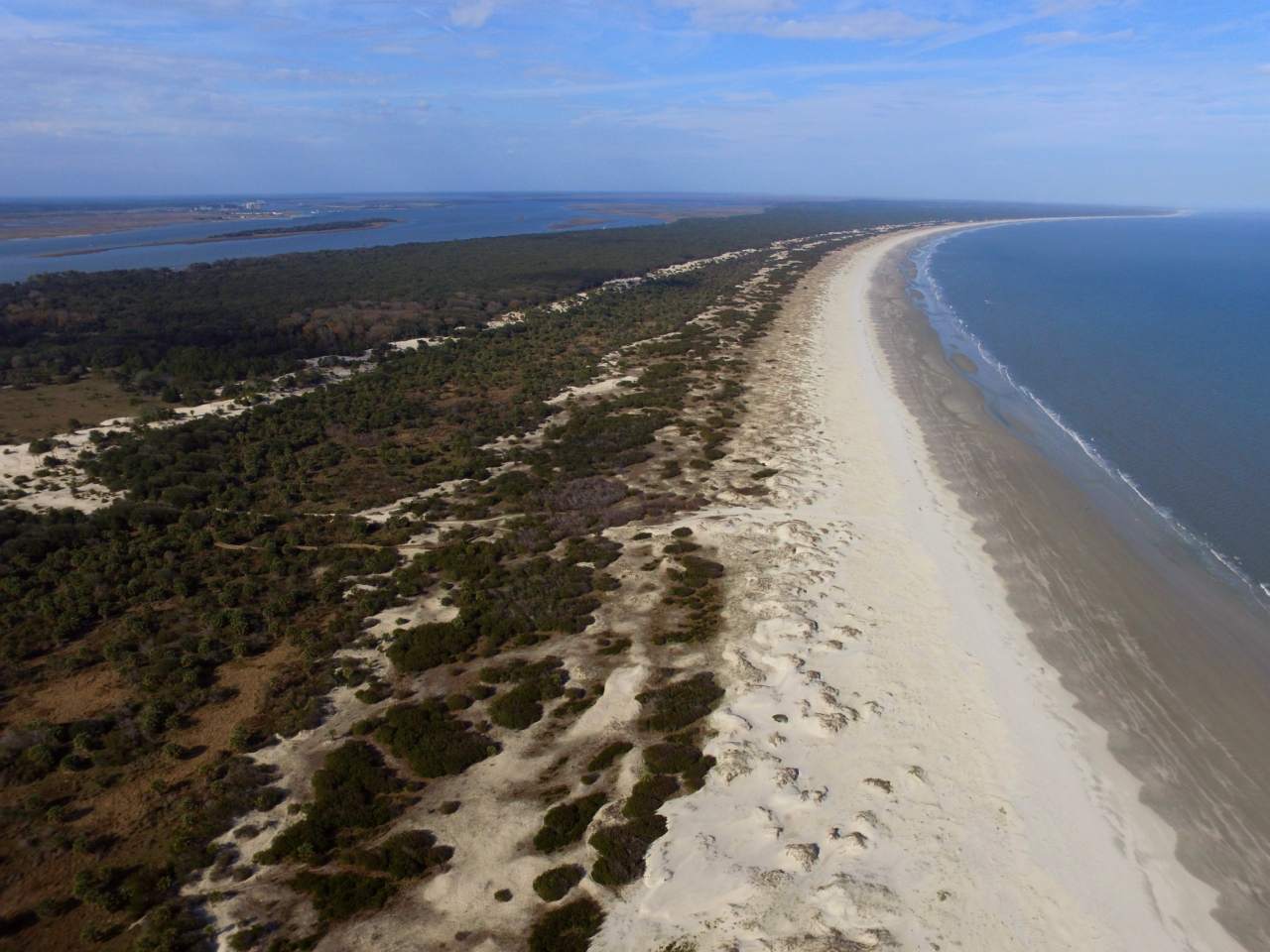
Cumberland Island National Seashore
Introducción
El Parque Nacional de Cumberland Island es un área protegida en Georgia conocida por sus ecosistemas diversos y su rica historia. Los visitantes vienen a explorar sus playas, pantanos y las ruinas de Dungeness, una mansión que refleja el pasado de la isla. La isla es hogar de caballos salvajes y varias especies de aves, lo que la convierte en un lugar único para los entusiastas de la naturaleza. Los viajeros a menudo aprecian la tranquilidad y la oportunidad de desconectarse del ajetreo de la vida cotidiana.
Cumberland Island
Natural Features of Cumberland Island
Cumberland Island is one of those beautiful barrier islands off the southeast coast of the U.S. Over thousands of years, these islands have changed shape because of rising and falling sea levels during the ice ages. The landscape is always shifting, thanks to the tides, currents, and storms. You’ll find all sorts of habitats here, like marshes that sit between the mainland and the barrier islands. These marshes are home to salt-loving plants like cordgrass, which are super important for birds, fish, and other wildlife.
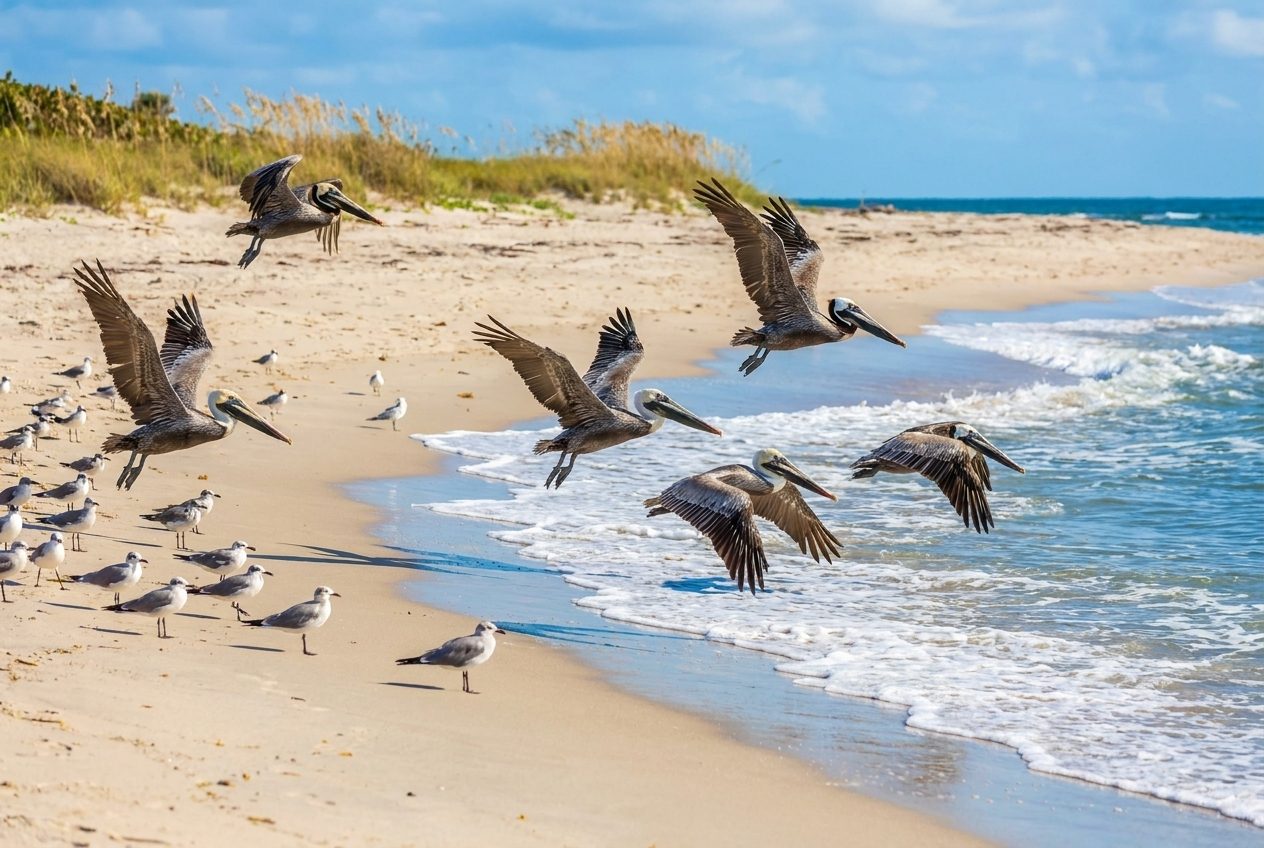
The beach is always changing too, with the ocean coming in and going out twice a day. This creates tide pools and shifts the sand along the shore. Sea oats, which are protected, help keep the dunes stable but can get damaged by foot traffic. If you’re lucky, you might see shorebirds like sandpipers and gulls, or even ospreys diving for fish. Loggerhead turtles come up at night to lay their eggs, and about 60 days later, the hatchlings make their way to the ocean.
Wildlife on Cumberland Island
Cumberland Island is a haven for all kinds of wildlife, thanks to its diverse ecosystems. The maritime forest is filled with live oaks that create a thick canopy, giving shelter to palmettos and ferns. You’ll see Spanish moss hanging from the branches, and colorful birds like painted buntings and summer tanagers flitting around. Keep an eye out for white-tailed deer, armadillos, and maybe even a bobcat while you stroll through the forest.
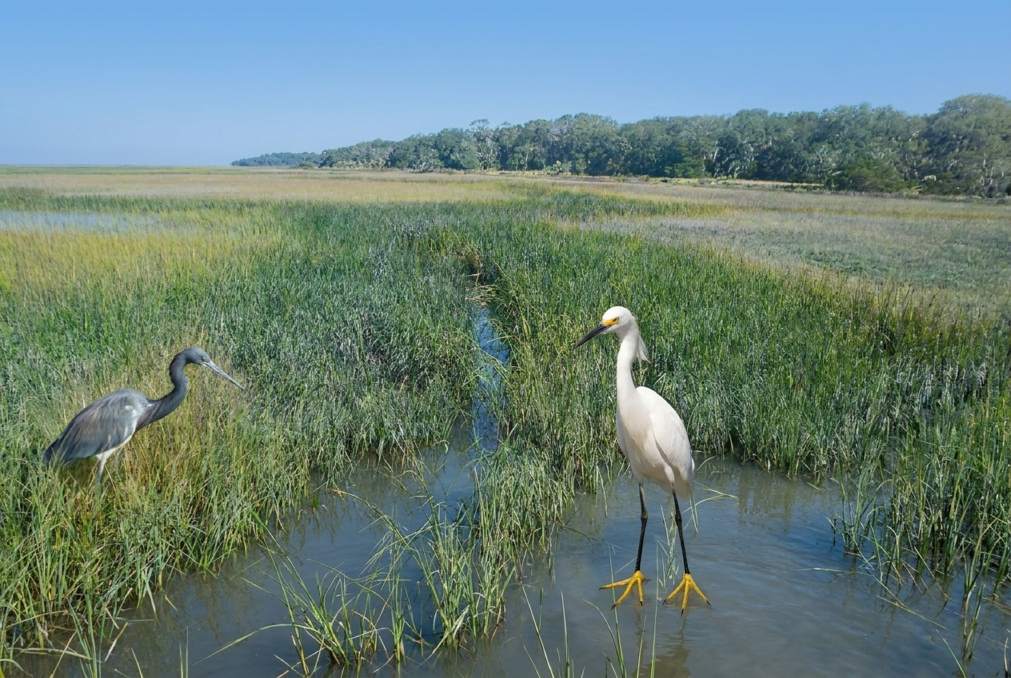
The saltwater marshes really come alive at low tide, with birds wading through the grasses and fiddler crabs scurrying across the mud. Raccoons can often be spotted hunting for crabs and shellfish. These marshes are crucial for many species, providing both protection and food. In spring, you can hear the deep calls of bull alligators near the freshwater ponds, adding to the island's rich wildlife experience.
History of Cumberland Island
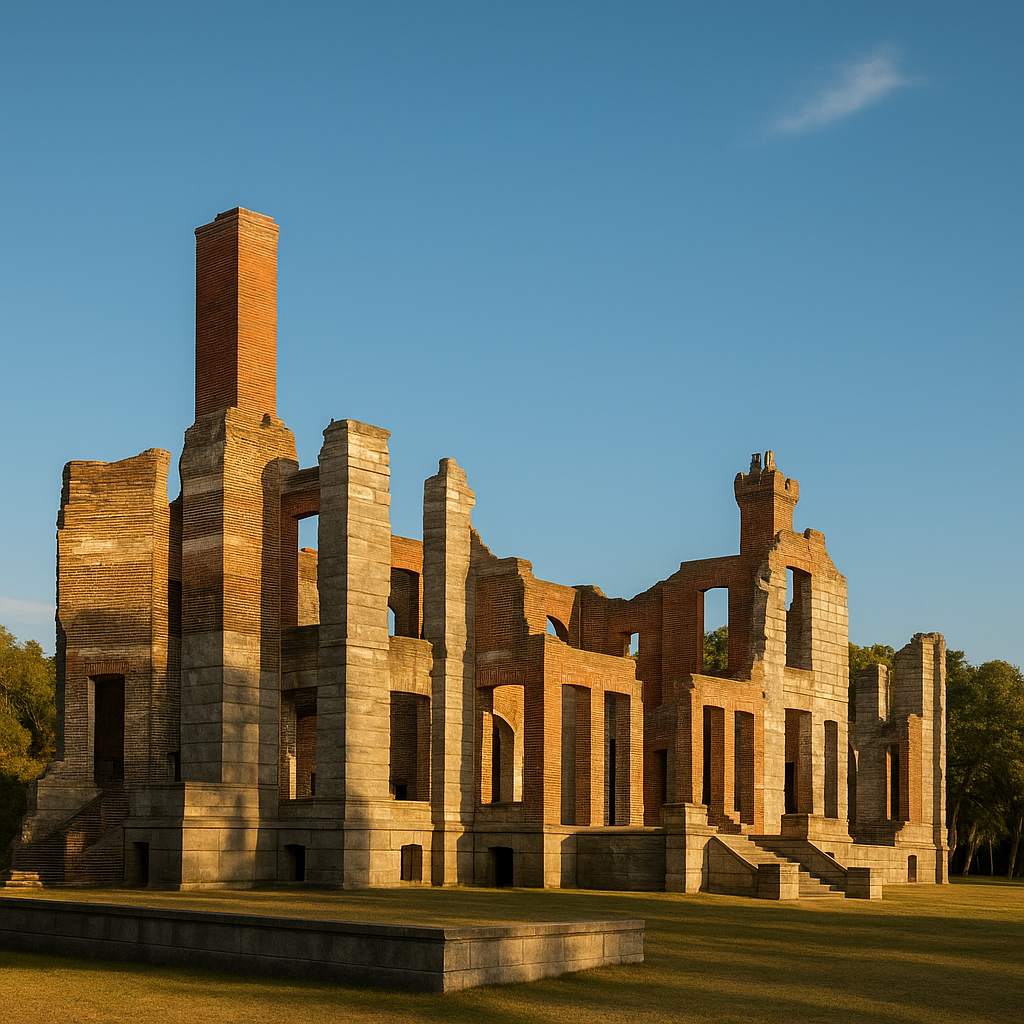
Cumberland Island has a fascinating history of human habitation, with signs of the Timucua peoples found in shell middens scattered around. Over the centuries, the island has seen various cultures and settlements. Back in the 1700s, the British set up some defenses here, though not much is left today. In 1803, Catharine Greene built a four-story mansion called Dungeness using tabby, a concrete-like material made from lime, sand, and oyster shells. Later, in the late 19th century, industrialist Thomas Carnegie and his wife built another Dungeness mansion nearby.
The ruins of these structures, along with the island's natural beauty, tell the story of its past. Visitors can wander through the remnants of these homes and learn about the island's rich history, which includes both indigenous peoples and European settlers.
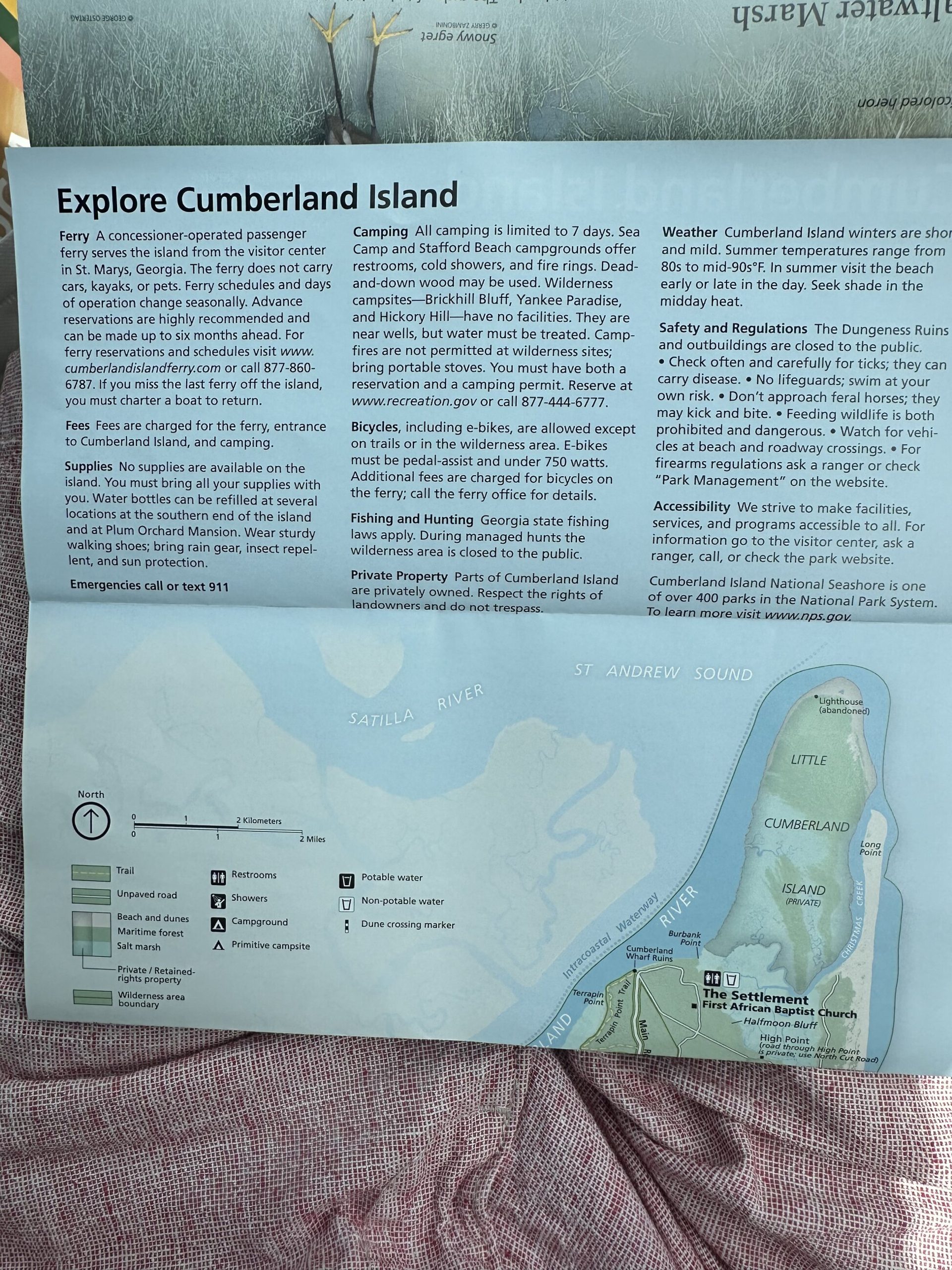
Practical Information for Visitors
To get to Cumberland Island, hop on the ferry from the visitor center in St. Marys, Georgia. Just a heads up, the ferry doesn’t take cars or pets, and the schedule changes with the seasons, so it’s best to check ahead. It’s a good idea to make reservations, which you can do up to six months in advance. If you miss the last ferry, you’ll need to find a private boat to get back.
There are fees for the ferry rides, park entrance, and camping. Keep in mind that there are no supplies available on the island, so bring everything you need, including water, which you’ll need to treat before drinking. You can rent bicycles at Plum Orchard Mansion, but make sure to wear sturdy shoes, bring rain gear, insect repellent, and sun protection.
Camping is limited to seven days, with designated campgrounds that offer basic amenities. There are wilderness campsites available, but they don’t have facilities, and fires aren’t allowed there. You’ll need reservations and permits for camping, which can be arranged online.
Cosas que saber
Bueno saber
Foto: Wikipedia / Wikimedia Commons