Haleakalā National Park
Park Closure Due to Tropical Storm Lala — Both districts of Haleakalā National Park closed (8/14) due to Tropical Storm Lala—Kīpahulu at 5:00 PM and Summit at 6:30 PM. The park will reopen when it is safe to do so. For county road closures, visit mauicounty.gov/643/Road-Closure-Notifications.
No Water at Hosmer Campground — As of September 30, 2025, water at Hosmer Campground in the Summit District is shutoff due to a waterline break. Water is available 24-hours at Headquarters Visitor Center one mile up the road. At this point we don't have an estimate for when repairs will be complete.
Expect Long Waits at the Summit Entrance Station Before Sunset — Due to a high volume of traffic, cars may be temporarily turned around at the gate when capacity is reached. Purchasing a pass online does not guarantee entry at sunset. To ensure timely access, arrive 3 hours before sunset.
Limited Parking and Traffic Delays in Summit District — Beginning Monday, January 12, 2026 Haleakalā Visitor Center (summit district) parking lot will have limited parking due to a water infrastructure project. Expect traffic delays. The project will last several months.
Drive Cautiously - Endangered Birds on Roadway — Nēnē (Hawaiian geese) and ʻuaʻu (Hawaiian petrel) are nesting in the park and may land on or frequent park roads, parking lots, and road leading up to the park. Drivers are reminded to drive at the posted speed limits and exercise caution.
Source: US National Park Service, refreshed several times a day.
Introducción
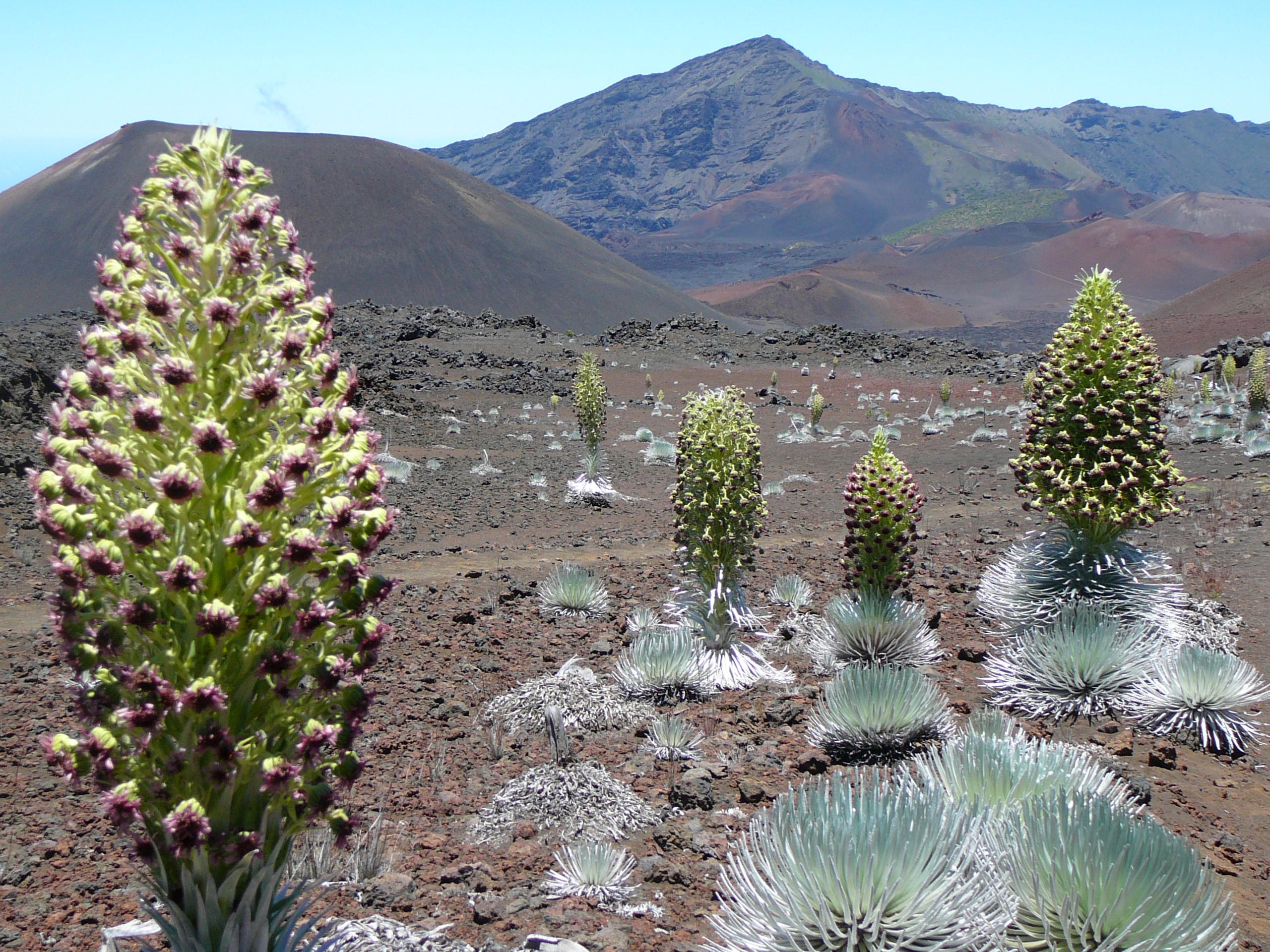
El Parque Nacional Haleakalā se encuentra en la isla de Maui, Hawái. Presenta un enorme cráter volcánico y ecosistemas diversos, atrayendo a visitantes por sus paisajes únicos y oportunidades para actividades al aire libre. Muchos vienen a presenciar el amanecer desde la cumbre, una vista que se ha convertido en una experiencia popular para los viajeros que buscan belleza natural.
Establecido en 1916, el parque cubre más de 30,000 acres, con una parte significativa designada como Área Silvestre. El terreno incluye extensos flujos de lava y conos de ceniza, creando un entorno austero pero fascinante. Los visitantes deben estar preparados para condiciones climáticas variables y la necesidad de reservas durante los momentos de mayor afluencia.
En imágenes
Cosas que saber
Bueno saber
Foto: NPS