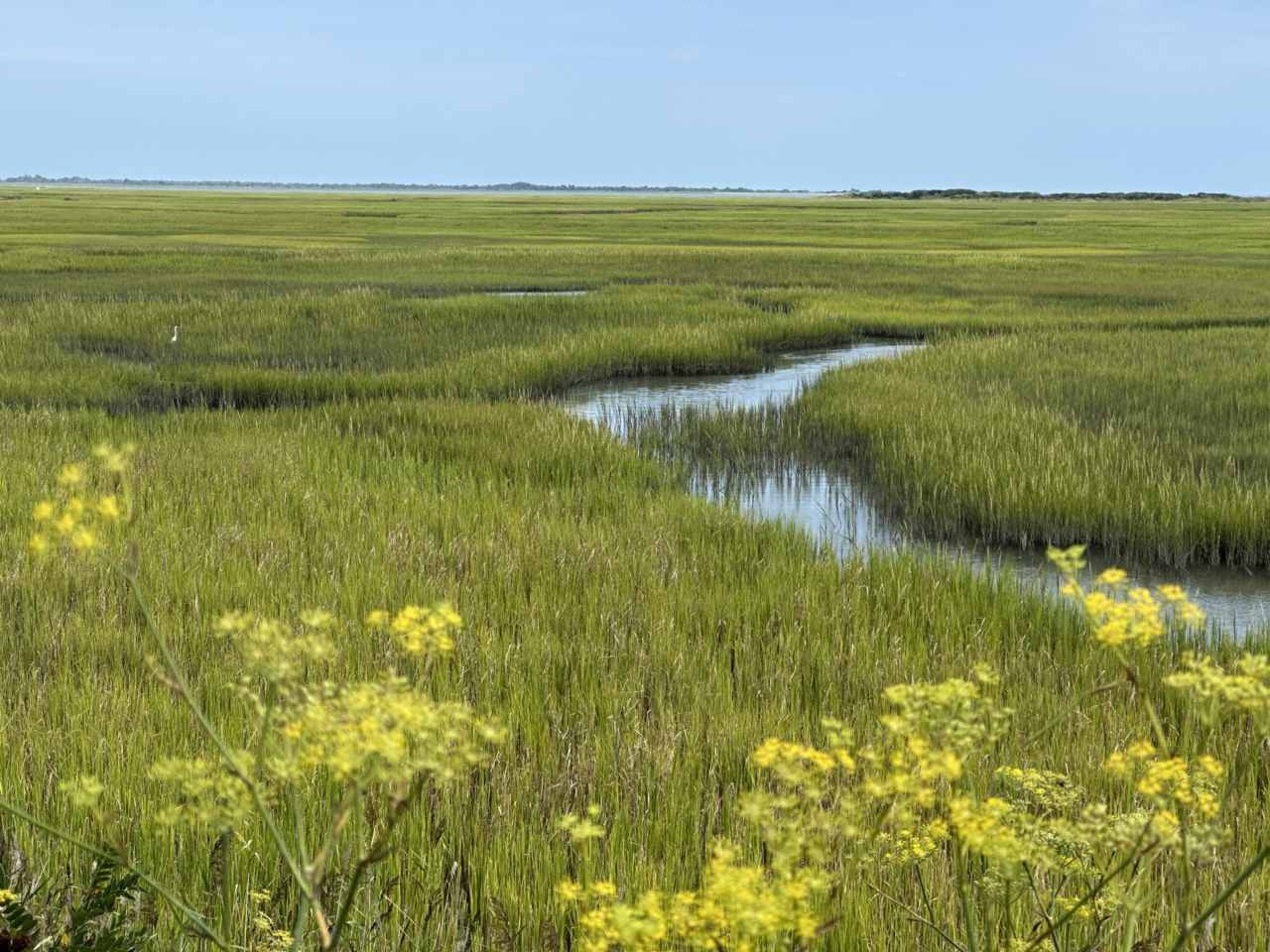
Eastern Shore of Virginia National Wildlife Refuge
Introduksjon
Eastern Shore of Virginia National Wildlife Refuge er et beskyttet område som strekker seg over 1 100 dekar. Det fungerer som et viktig habitat for trekkfugler og annet dyreliv, og tiltrekker seg naturentusiaster og fugletittere gjennom hele året.
Besøkende kommer for å utforske stiene, observere ulike arter og nyte de rolige landskapene. Tilfluktsstedet gir en mulighet til å knytte bånd med naturen og lære om lokale økosystemer, noe som gjør det til et fredelig tilfluktssted fra bylivet.
I bilder
Introduction
Eastern Shore of Virginia National Wildlife Refuge
The Eastern Shore of Virginia National Wildlife Refuge covers 1,415 acres at the tip of the Delmarva Peninsula. Established in 1984, this refuge is crucial for migratory birds and endangered species. It lies between the Atlantic Ocean and Chesapeake Bay, making it a key stopover for birds during their migration. The refuge is open daily from half an hour before sunrise to half an hour after sunset. The visitor center has varying hours by season, so it's best to call ahead at 757-331-2760 for the current schedule. Fisherman Island National Wildlife Refuge, located nearby, is closed to the public but offers guided tours on Saturdays from October to February. This area is significant for its diverse habitats, providing nesting grounds for shorebirds and waders. Access to the refuge is off Route 13 in Virginia, just north of the Chesapeake Bay Bridge-Tunnel.
A Vital Stopover for Birds
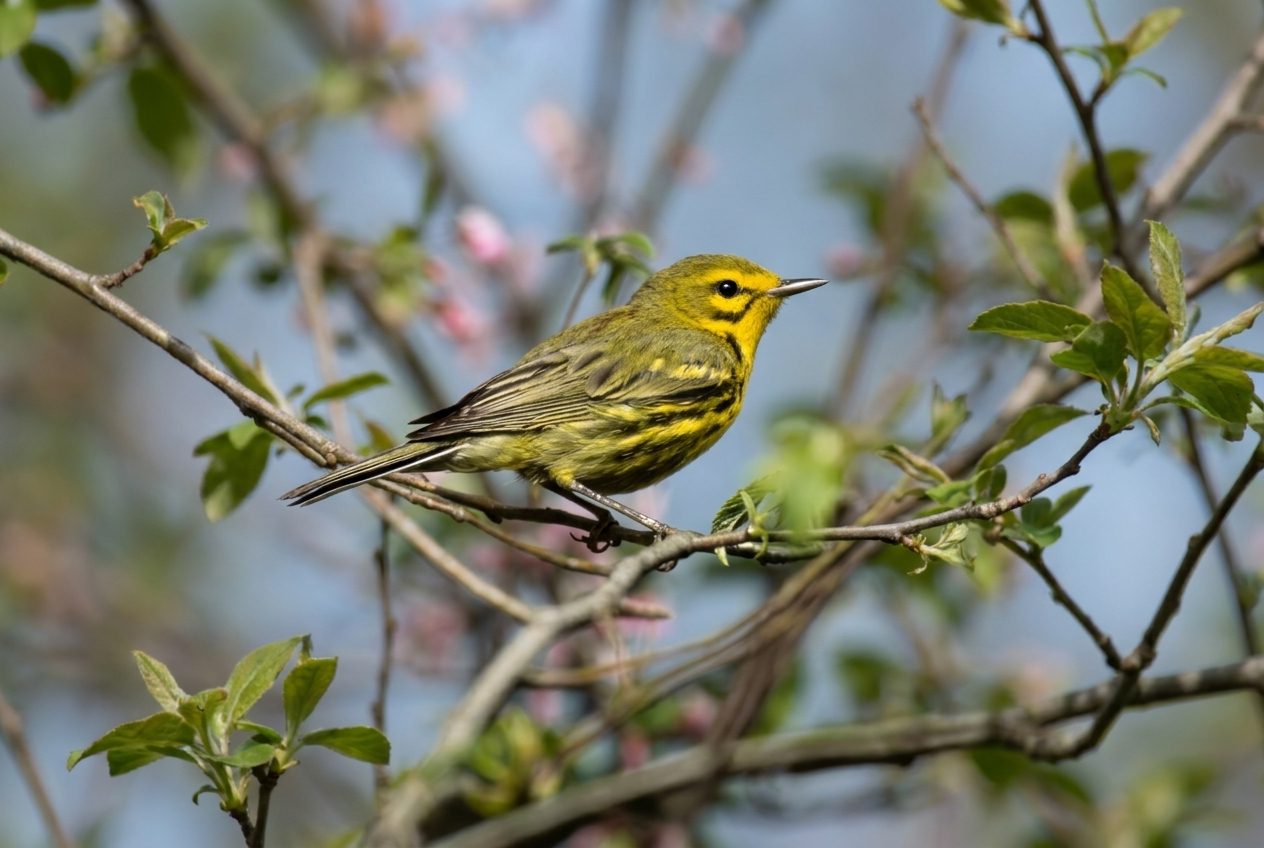
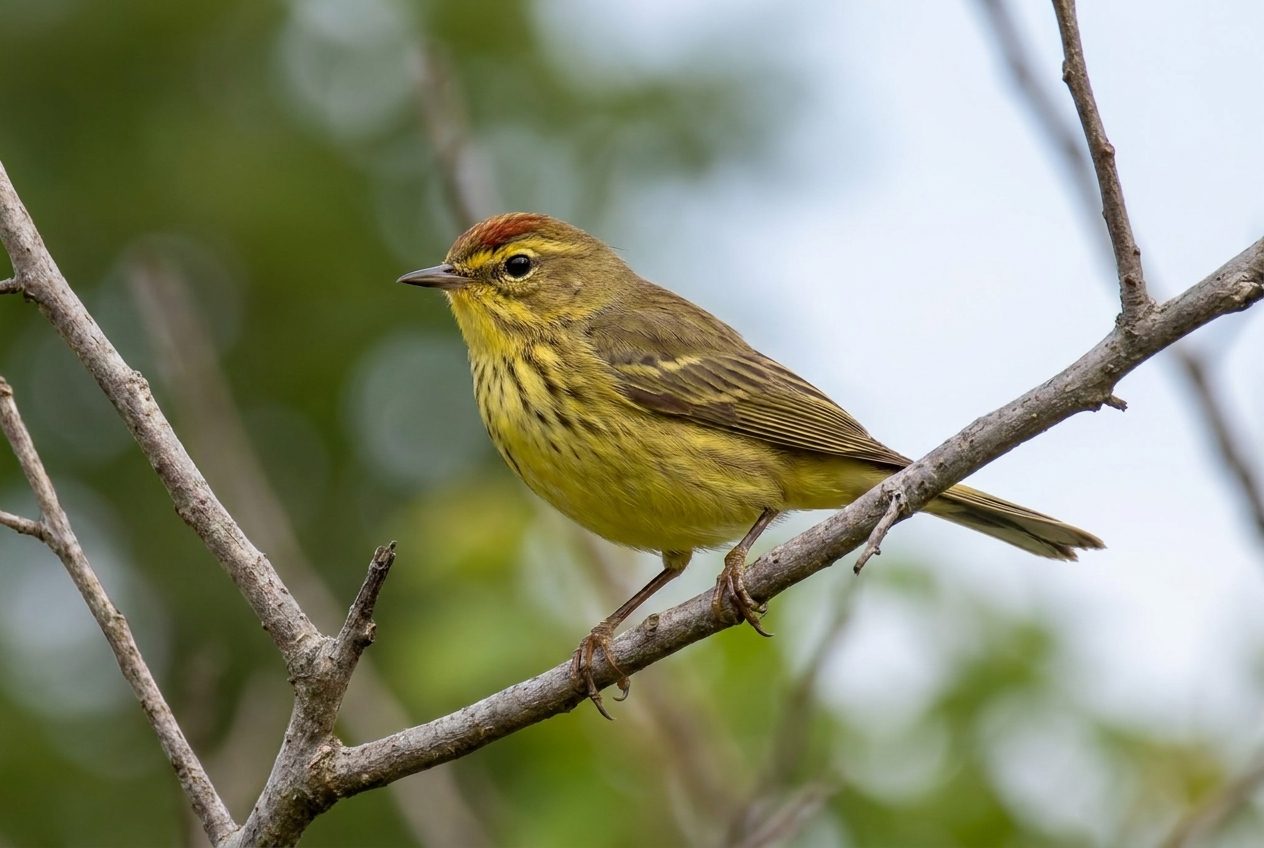
The Eastern Shore of Virginia National Wildlife Refuge is a critical stop for birds during their migration. Each fall, millions of birds pass through, seeking refuge and nourishment before continuing their journey south. The unique geography of the Delmarva Peninsula funnels these birds into the refuge, where they can find berries and insects to refuel. Over 406 species of birds have been recorded here, including waterfowl, raptors, and sparrows in winter, and colorful warblers in the fall. The trees and shrubs provide shelter from predators, allowing birds to rest before they resume their travels. This area is particularly busy in the fall, when the migration creates a lively spectacle of sound and color.
Butterfly Trail
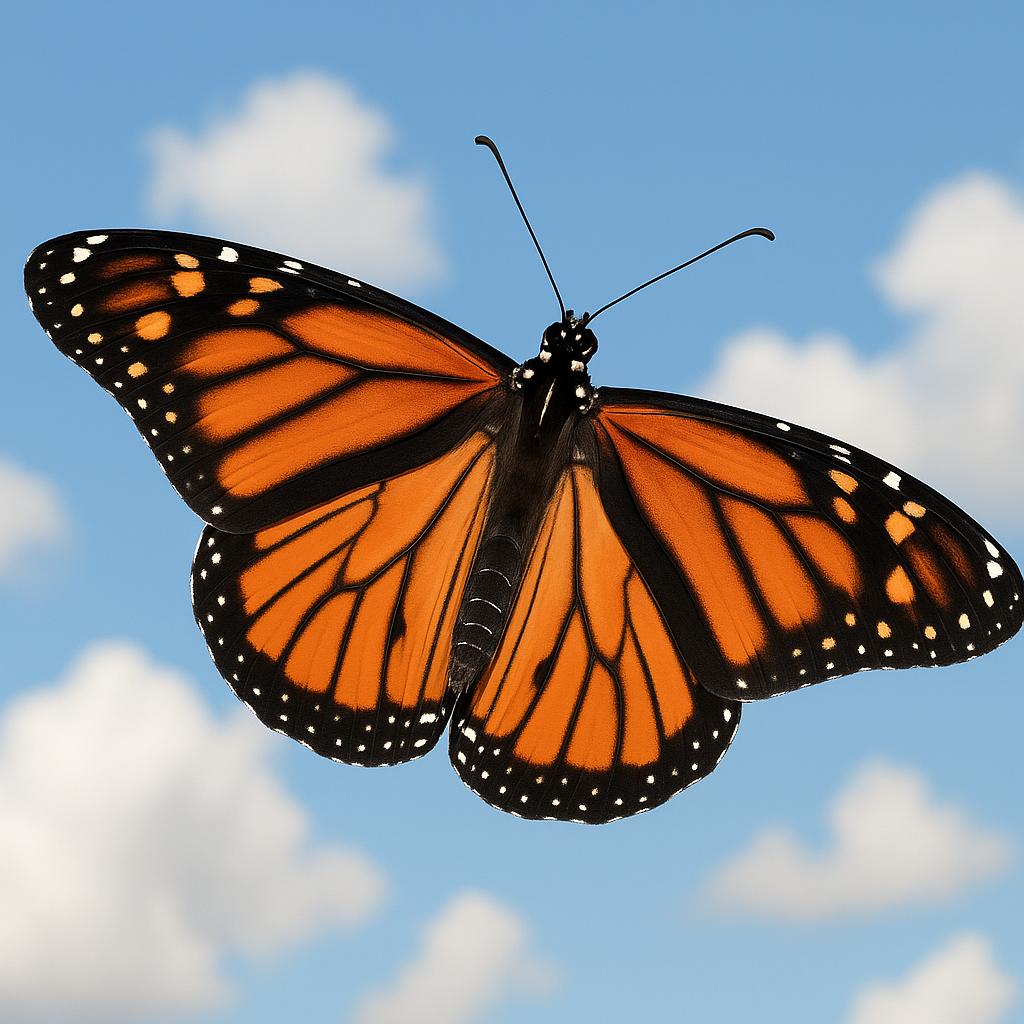
The Butterfly Trail at the Eastern Shore of Virginia National Wildlife Refuge offers a chance to observe various butterfly species in their natural habitat. This trail is designed for those interested in butterflies and the ecosystems that support them. While specific details about the trail's length or features are not provided, it is important to note that access may be limited due to private land property lines. Visitors should be mindful of these boundaries while exploring. The trail is a great way to appreciate the delicate beauty of butterflies and the role they play in the local environment.
Wildlife Diversity
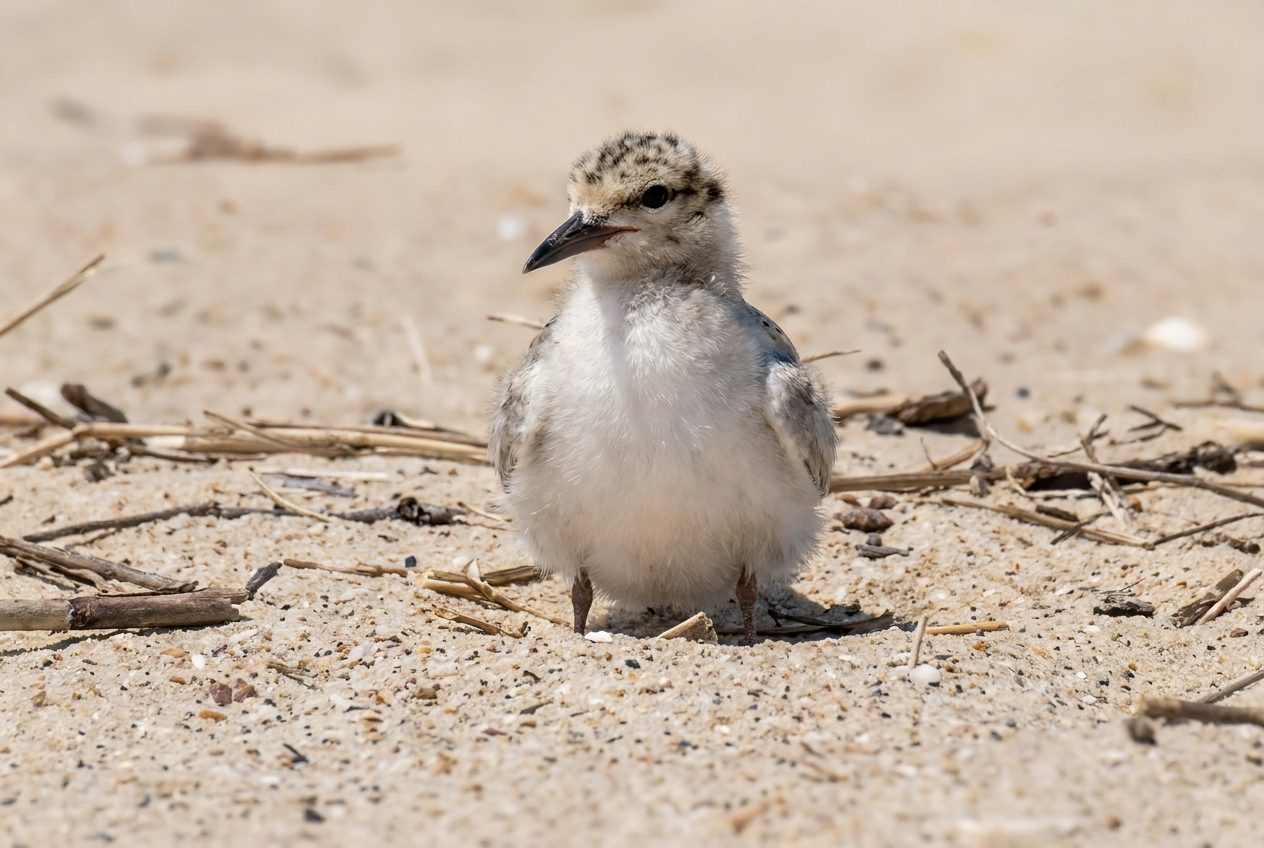
Diverse Habitats
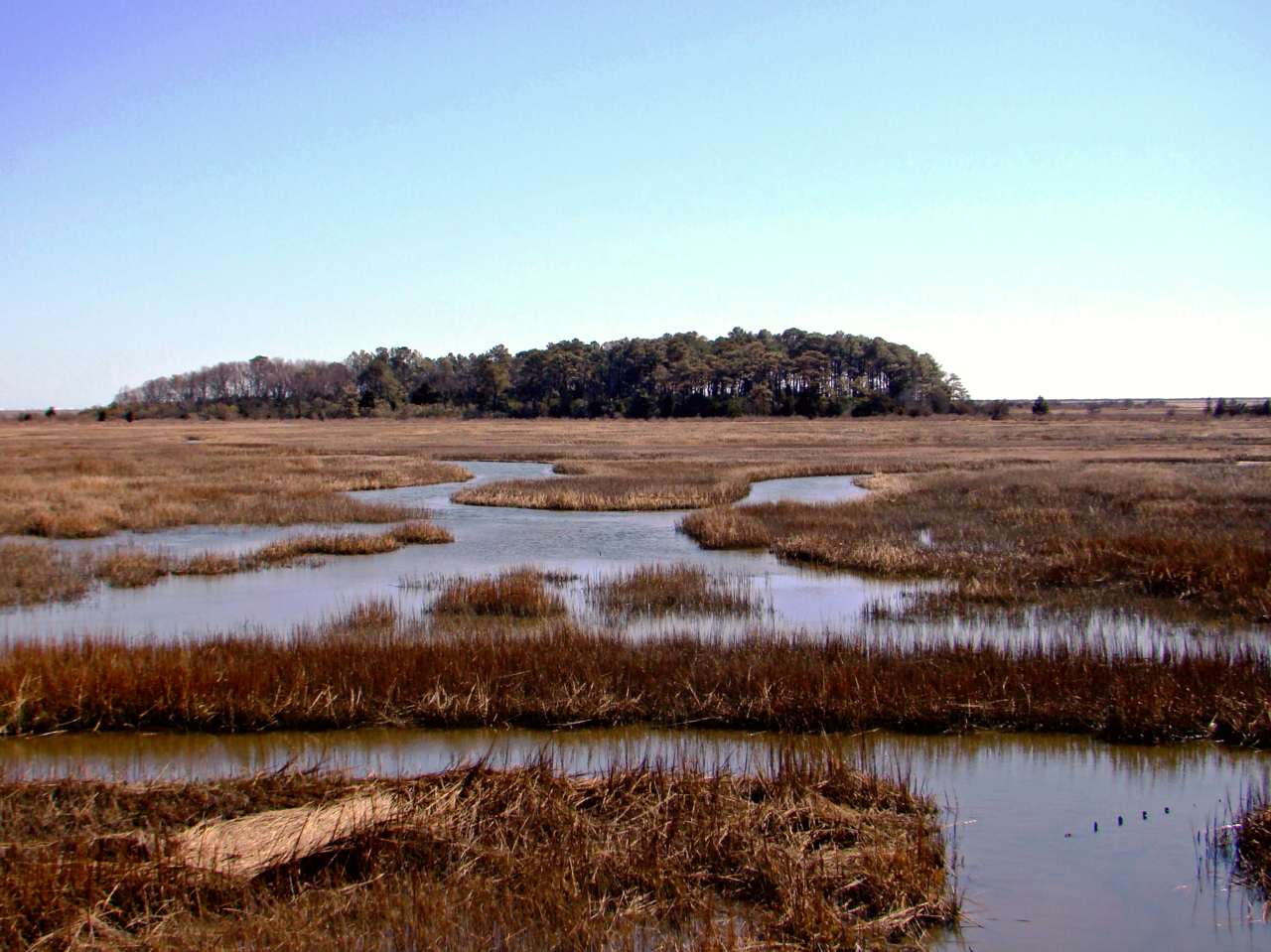
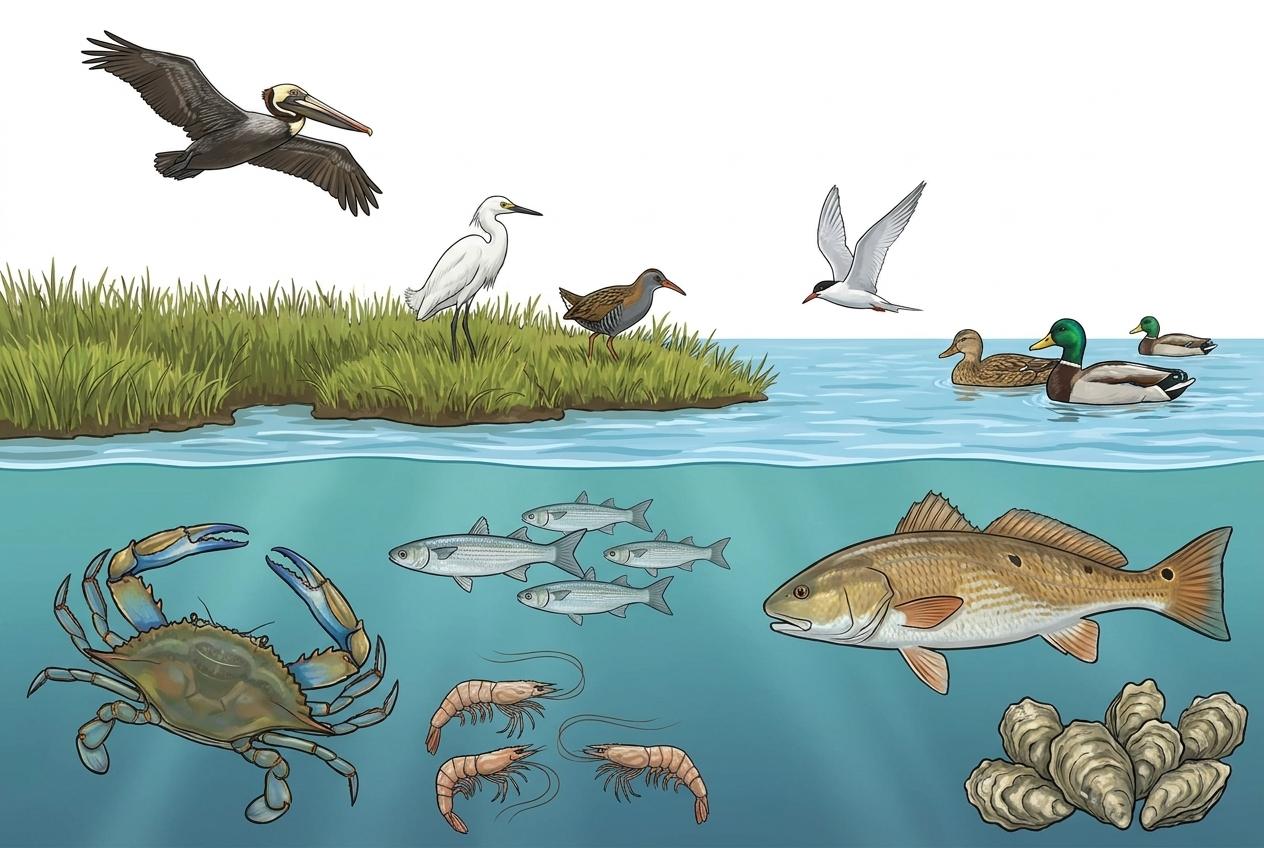
The Eastern Shore of Virginia National Wildlife Refuge features a variety of habitats that support a wide range of wildlife. The refuge includes salt marshes, loblolly pine forests, and both fresh and brackish ponds. These ecosystems are crucial for many species, including ospreys, eagles, and diamondback terrapins. The salt marshes, in particular, are essential for shorebirds like American oystercatchers and plovers, which rely on these areas for nesting. However, life in these habitats can be challenging. Predators such as raccoons and coyotes pose threats to nesting birds, while high spring tides can wash away nests. To protect these vulnerable species, certain areas are closed to the public, ensuring that wildlife can thrive without disturbance. Guided tours are available on Saturdays from October to March, allowing visitors to experience the unique habitats and observe the shorebirds in their natural environment.
Fisherman Island's Role
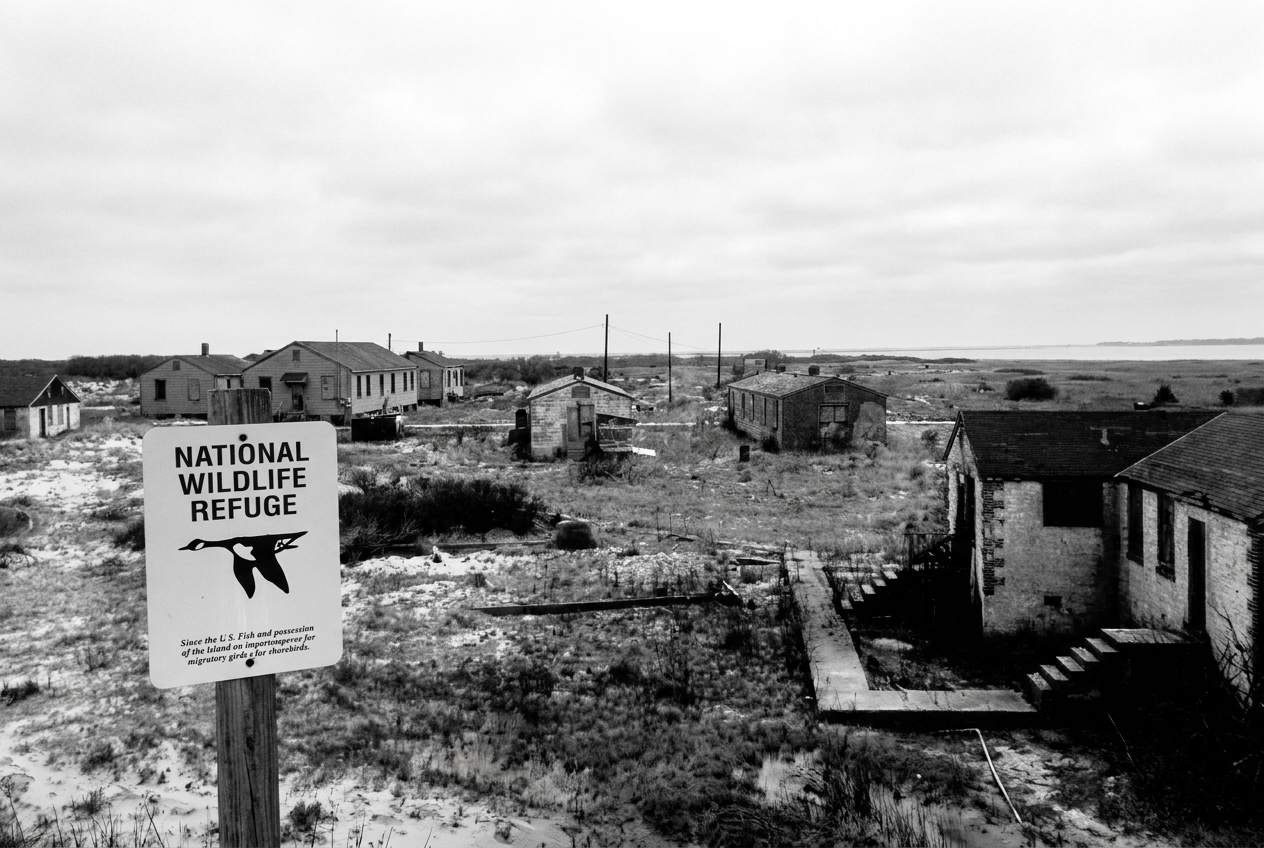
Fisherman Island plays a significant role in the ecosystem of the Eastern Shore. Located at the southernmost point of Virginia's barrier islands, it serves as a critical habitat for various bird species and other wildlife. The island is home to shorebirds that depend on its diverse habitats, including dunes and salt marshes. Historically, Fisherman Island has also been important for military defense, housing a Marine Hospital in the late 1800s and later serving as a coastal artillery station during World War II. Since the U.S. Fish and Wildlife Service took control in 1973, the island has become a vital stopover for migratory birds and a nesting area for shorebirds. Public access is limited to protect these species, but guided tours provide an opportunity to learn about the island's ecological significance and observe its wildlife.
Importance of Salt Marshes
Salt marshes are crucial ecosystems found at the Eastern Shore of Virginia National Wildlife Refuge. These tidal zones, where land meets the ocean, are periodically flooded with saltwater and dominated by salt-tolerant plants like smooth cordgrass and seaside goldenrod. Salt marshes provide essential food and shelter for a variety of wildlife, including birds, fish, and shellfish. They also serve as nursery grounds for many marine species. Some animals, such as certain fish and birds, are exclusive to these marshes, making them vital for biodiversity. The health of salt marshes is closely linked to the overall well-being of the coastal ecosystem, and protecting these areas is essential for sustaining the wildlife that depends on them.
Visitor Information
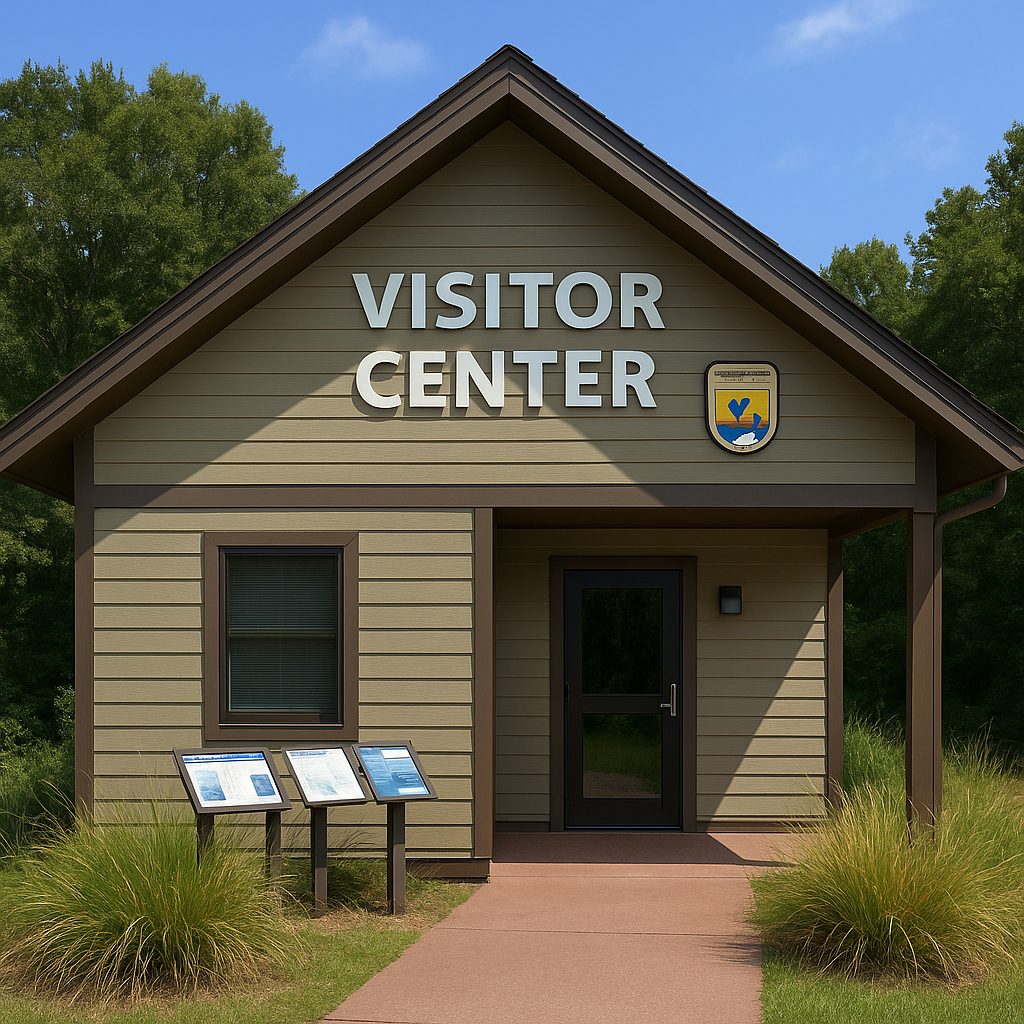
Visitor Center Details
The Visitor Center at the Eastern Shore of Virginia National Wildlife Refuge is a great starting point for your exploration. Located about 500 yards from the main entrance, the center is open Friday through Sunday from 10 AM to 4 PM. Here, you can check out various exhibits that highlight the local wildlife and ecosystems. There is also a film that provides insights into the refuge's significance. If you have questions or just want to chat, volunteers are often available to share their knowledge.
In addition to the indoor activities, the center offers access to nature trails and a viewing platform. These areas are perfect for observing the diverse wildlife that inhabits the refuge. Don't forget to pick up a Junior Refuge Manager booklet if you are visiting with kids; it can make the experience more engaging for them. Keep your eyes peeled for birds and other wildlife along the trails, as they are often active and visible.
Hours of Operation
The Eastern Shore of Virginia National Wildlife Refuge is open daily from half an hour before sunrise until half an hour after sunset, allowing for ample time to enjoy the natural surroundings. The Visitor Center operates on a more limited schedule, open only from Friday to Sunday, 10 AM to 4 PM. If you plan to visit outside of these hours, you can still explore the refuge, but be mindful of the closing times to ensure you have enough daylight for your activities.
For those interested in guided tours of the nearby Fisherman Island National Wildlife Refuge, these are available on Saturdays from October to February. It is important to call ahead at 757-331-2760 for more information and to confirm the schedule. Keep in mind that Fisherman Island itself is closed to the public, but the tours provide a unique opportunity to learn about this important habitat.
Historical Significance
Military History of the Refuge
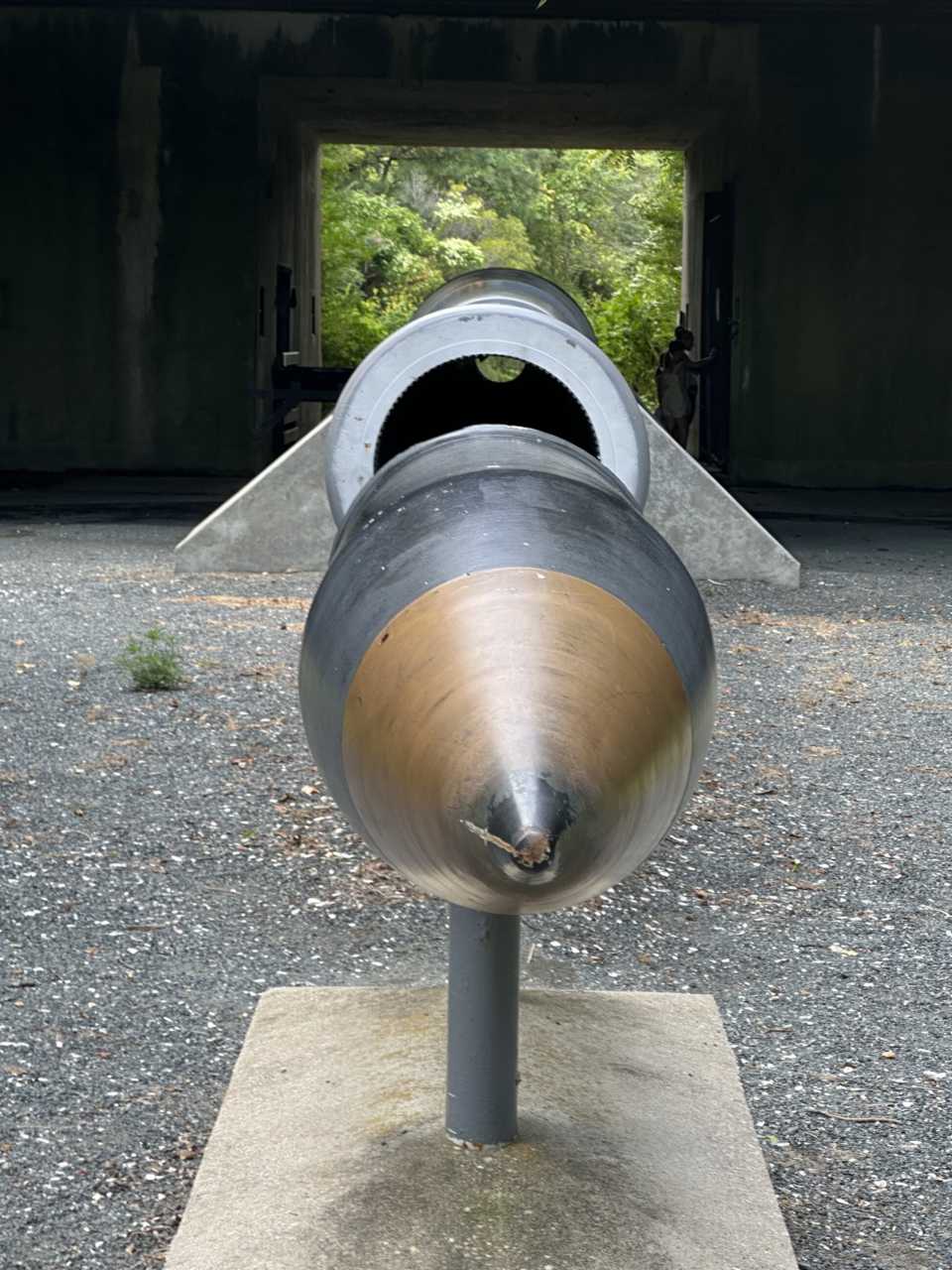
The Eastern Shore of Virginia National Wildlife Refuge has a significant military history, particularly during World War II. Its strategic location at the mouth of the Chesapeake Bay made it a prime site for defense against potential threats. In 1940, as the country prepared for war, this area was designated as a military reservation to protect naval bases and the nation’s capital. By 1943, the site was equipped with various artillery, including 8-inch railway guns and 16-inch guns, alongside controlled mines and radar systems. At the height of the war, around 800 soldiers were stationed here, ready to defend the coastline.
Interestingly, despite the heavy fortifications, the site never saw combat. By 1946, Fort Custis, as it was known, was placed in caretaker status and officially closed in 1948. The weapons were dismantled, having never been fired in battle. The area saw a brief resurgence in military activity in 1950 when it became the Cape Charles Air Force Station, part of a national radar network, until its closure in 1981. As you explore the refuge, keep an eye out for remnants of this military past, which serve as a reminder of the site’s role in protecting the nation.
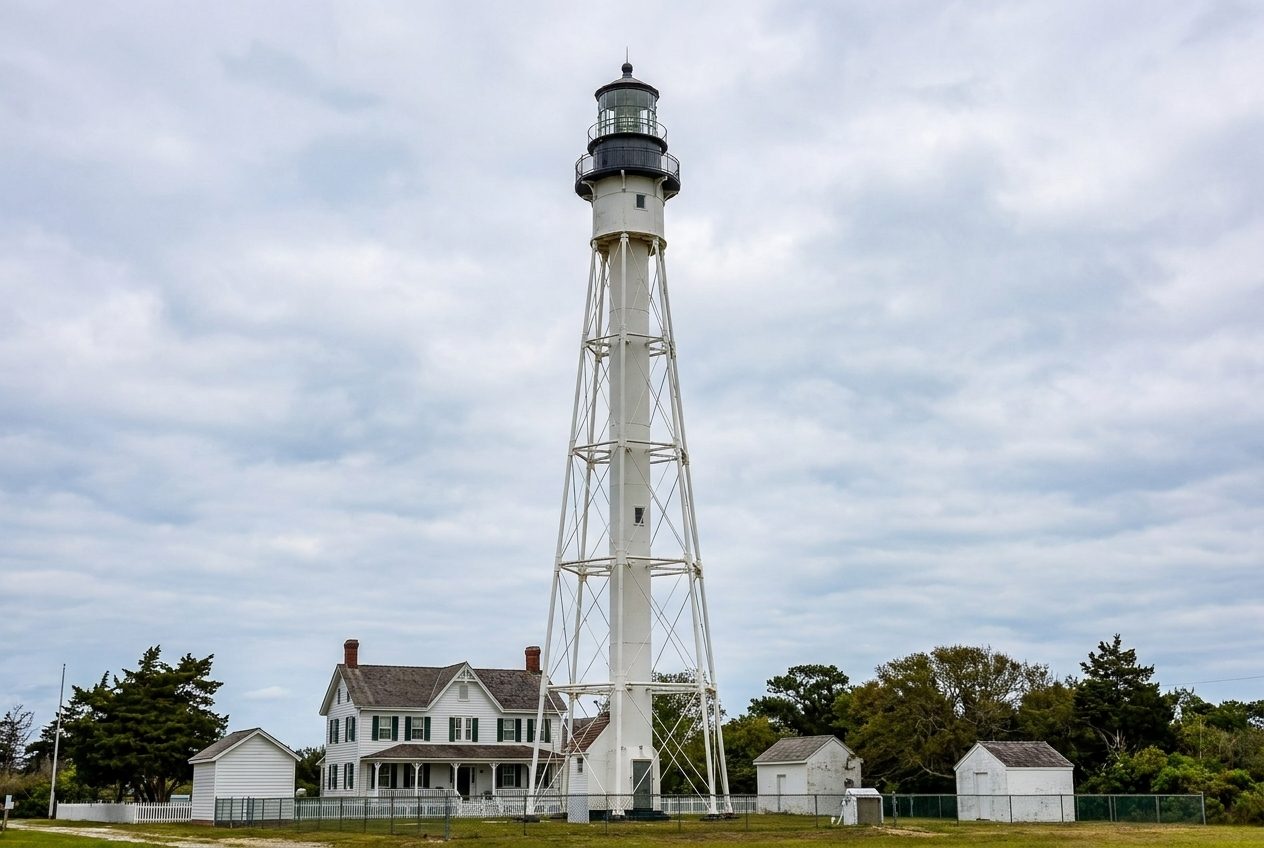
Cape Charles Lighthouse
The Cape Charles Lighthouse, built in 1895, is a notable piece of maritime history on the Eastern Shore. Standing at 191 feet, it was one of the tallest lighthouses on the East Coast, guiding sailors for decades before modern navigation systems were developed. Its light could be seen from 18 miles away, a crucial beacon for those navigating the treacherous waters filled with shoals and shifting sandbars.
The lighthouse keeper and his family lived on nearby Smith Island, tending to the light that warned mariners of danger. Initially powered by a kerosene lamp and a clockwork mechanism, the lighthouse was electrified and automated in 1933. Although it is no longer operational, the Cape Charles Lighthouse remains an important symbol of the region's maritime heritage.
Interestingly, this is the third lighthouse built in the area. The first two were constructed on the mainland but were abandoned due to erosion. Today, visitors can view the lighthouse from the Chesapeake Bay Bridge-Tunnel. For more information about its history, stop by the Visitor Center. The Cape Charles Lighthouse is a testament to the region's navigational history and the challenges faced by those who relied on its light.
Conservation Efforts
National Wildlife Refuge System
The National Wildlife Refuge System is a significant network of lands and waters dedicated to wildlife conservation. It is the only federal system focused primarily on the needs of wildlife. Across the United States and its territories, the U.S. Fish and Wildlife Service oversees more than 560 refuges, from the Caribbean to Alaska. In addition, over 150 of these refuges manage wetland districts, which are crucial for various species.
These refuges serve as habitats for thousands of animal and plant species. They also provide opportunities for outdoor activities such as hunting, fishing, wildlife observation, and photography. Environmental education is another key aspect, allowing visitors to learn about the ecosystems and conservation efforts in place.
The mission of the National Wildlife Refuge System is clear: to manage and restore fish, wildlife, and plant resources and their habitats. This commitment is aimed at benefiting both current and future generations of Americans. The system plays a vital role in preserving biodiversity and ensuring that natural habitats remain intact.
If you plan to visit a national wildlife refuge, be prepared for a range of experiences. Each refuge has its own unique features and regulations, so checking ahead is advisable. Some areas may have specific seasons for hunting or fishing, while others might focus on educational programs. Overall, the National Wildlife Refuge System is a crucial part of America's conservation landscape.
Verdt å vite
Godt å vite
Bilde: Kiomigo