kiomigo
search
search
add Neue Reise
Salvador

Salvador

Bevölkerung: 2.900.000 Seit: Founded in 1549 Preis: Mid-range Hauptstadt
accessible Barrierefreiheit: Some areas are hilly, but accessible options exist

Einführung

Salvador is a vibrant city that pulses with Afro-Brazilian culture, music, and history. Visitors are often captivated by its colorful colonial architecture and lively street festivals, creating an atmosphere that feels both festive and welcoming.

The city's rich heritage is evident in its historic neighborhoods, particularly Pelourinho, where cobblestone streets are lined with art galleries, shops, and restaurants. However, be prepared for the heat and humidity, which can be intense, especially in the summer months.

In Bildern

Salvador
Salvador
Salvador
Salvador
Salvador
Salvador

Sightseeing

Pelourinho: the historic heart of Salvador, known for its colonial buildings
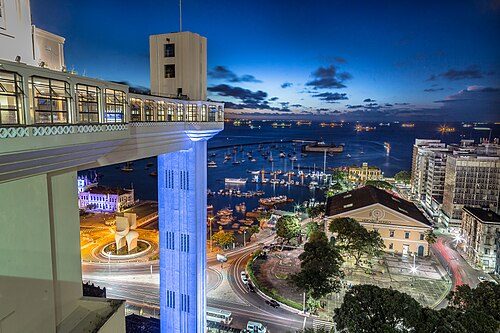
Elevador Lacerda: an iconic elevator connecting the lower and upper city
São Francisco Church: a stunning baroque church with intricate gold leaf interiors
Mercado Modelo: a bustling market for local crafts and souvenirs
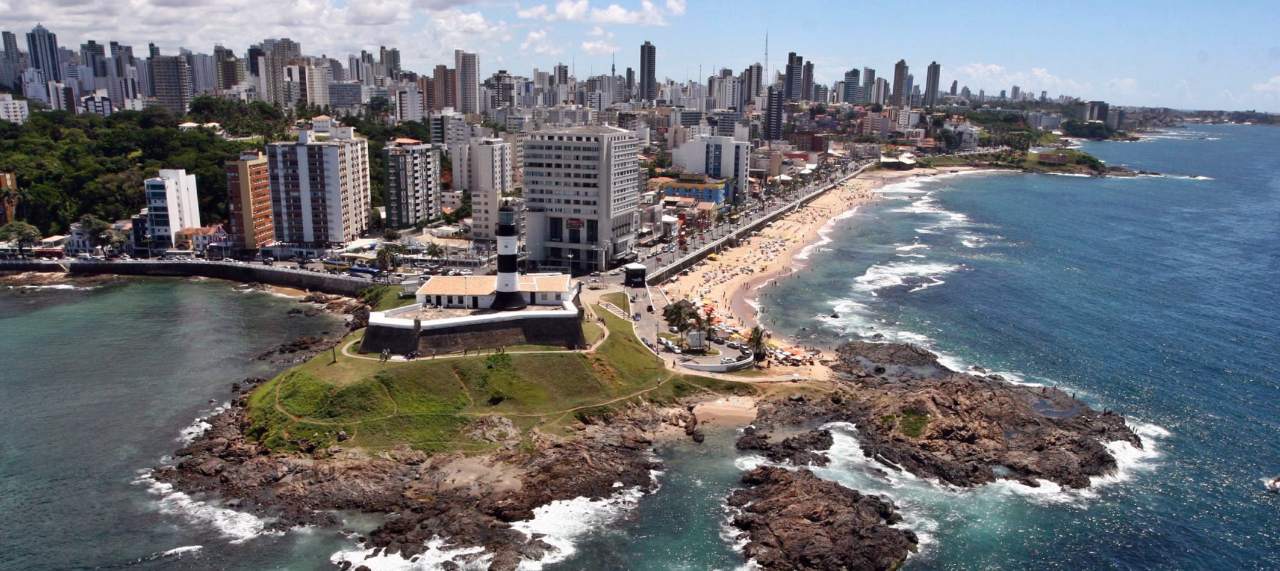
Farol da Barra: a lighthouse with panoramic views of the coastline
Museu de Arte da Bahia: showcasing Bahian art and culture
Dique do Tororó: a scenic lake with beautiful sculptures
Praia do Porto da Barra: a popular beach for swimming and sunset views

"A Cultural Gem of Brazil"Salvador

Things to do

Explore the vibrant street art in the neighborhoods
Attend a capoeira performance for a taste of local martial arts
Take a boat tour of the Baía de Todos os Santos
Visit the local candomblé terreiros to learn about Afro-Brazilian religion
Join a cooking class to learn how to make traditional Bahian dishes

Lokales Essen und Trinken

Acarajé: a deep-fried ball of black-eyed pea dough filled with shrimp
Moqueca: a flavorful fish stew made with coconut milk
Cocada: a sweet coconut treat, often sold by street vendors
Caipirinha: Brazil's national cocktail made with cachaça
Bar do Ulisses: a popular spot for local snacks and drinks

Lokale Traditionen

Carnaval: a massive festival with parades and music in February
Festa de Iemanjá: a celebration honoring the goddess of the sea in February
São João: a traditional June festival with bonfires and folk dances
Candomblé: a religious tradition that blends African beliefs with Catholicism

Geschichte

Founded in 1549, Salvador was the first capital of Brazil and played a crucial role in the country's colonial history. It became a major port for the transatlantic slave trade, which significantly influenced its cultural landscape, particularly in music, dance, and cuisine.

Over the centuries, Salvador has evolved, but it retains a strong sense of identity rooted in its African heritage. The city has faced challenges, including economic disparities and urban violence, yet it remains a vibrant hub of culture and history.

Wissenswertes

Be cautious of pickpockets in crowded areas, especially during festivals
Public transport can be unreliable, consider using rideshare apps
Some neighborhoods may be unsafe at night, so stay aware
Expect high humidity and heat, stay hydrated and wear sunscreen

Do's und Don'ts

Try the local street food for an authentic experience
Learn a few Portuguese phrases to connect with locals
Respect local customs and traditions, especially during festivals
Take time to explore beyond the tourist hotspots
Don't flash valuables in public areas
Don't assume everyone speaks English, be patient
Don't miss out on local music events, they are integral to the culture
Don't rush your visit, take time to soak in the atmosphere

Gut zu wissen

Barrierefreiheit: Some areas are hilly, but accessible options exist
Price level: mid-range

Foto: Wikipedia / Wikimedia Commons