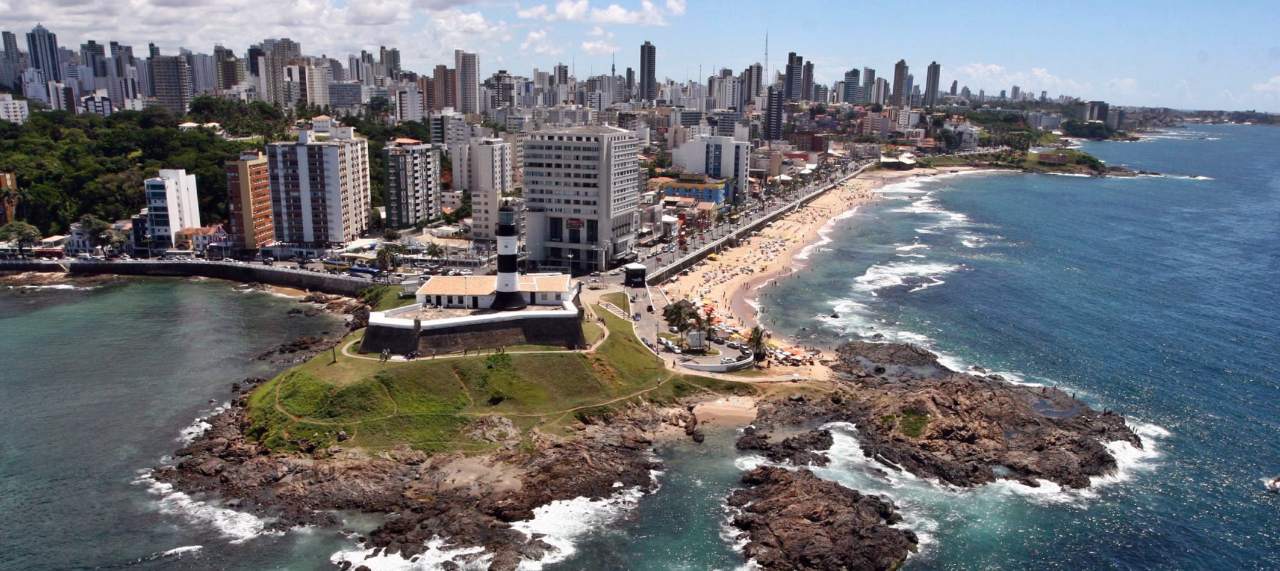
Salvador
Introduction
Salvador is a vibrant city that pulses with Afro-Brazilian culture, music, and history. Visitors are often captivated by its colorful colonial architecture and lively street festivals, creating an atmosphere that feels both festive and welcoming.
The city's rich heritage is evident in its historic neighborhoods, particularly Pelourinho, where cobblestone streets are lined with art galleries, shops, and restaurants. However, be prepared for the heat and humidity, which can be intense, especially in the summer months.
En images


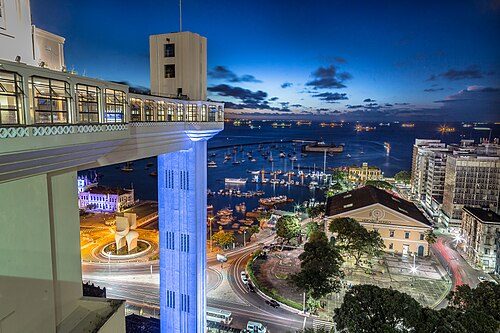

Sightseeing
Things to do
Principales attractions
Museu de Ciências da Bahia
Interactive science museum for kids
Parque Metropolitano de Pituaçu
Large park with trails and playgrounds
Planetário da Bahia
Planetarium with educational shows
Praia do Porto da Barra
Family-friendly beach with calm waters
Cuisine et boissons locales
Traditions locales
Histoire
Founded in 1549, Salvador was the first capital of Brazil and played a crucial role in the country's colonial history. It became a major port for the transatlantic slave trade, which significantly influenced its cultural landscape, particularly in music, dance, and cuisine.
Over the centuries, Salvador has evolved, but it retains a strong sense of identity rooted in its African heritage. The city has faced challenges, including economic disparities and urban violence, yet it remains a vibrant hub of culture and history.
À savoir
À faire et à éviter
Bon à savoir
Photo: Wikipedia / Wikimedia Commons