kiomigo
search
search
add New trip
Rio de Janeiro

Rio de Janeiro

Population: 6.748.000 Since: Founded in 1565 Price: Mid-range Capital city
accessible Accessibility: Some areas are accessible, but many are hilly.

Introduction

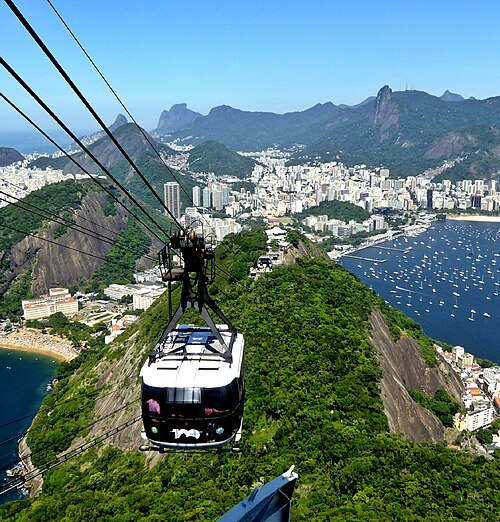
Rio de Janeiro is a vibrant city known for its stunning landscapes, lively culture, and iconic beaches. Visitors are often captivated by the breathtaking views from Sugarloaf Mountain and the Christ the Redeemer statue, both of which symbolize the city's spirit.

However, Rio is not just about its picturesque scenery. The city has a complex social fabric, and while many areas are safe and welcoming, others can be challenging. It's essential to stay aware of your surroundings and choose your destinations wisely.

In pictures
Rio de Janeiro
Rio de Janeiro
Rio de Janeiro
Rio de Janeiro
Rio de Janeiro
Rio de Janeiro

Sightseeing

Christ the Redeemer: an iconic statue overlooking the city
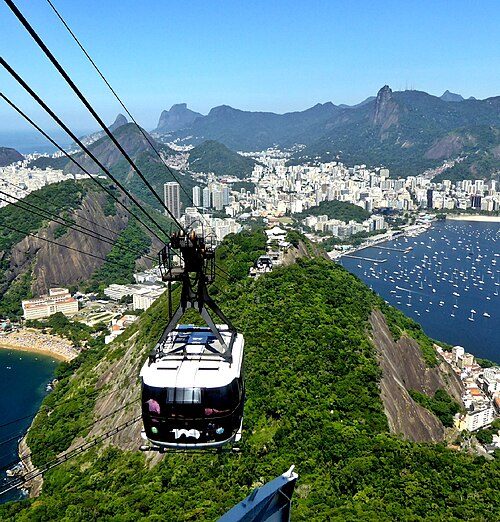
Sugarloaf Mountain: offers panoramic views of Rio
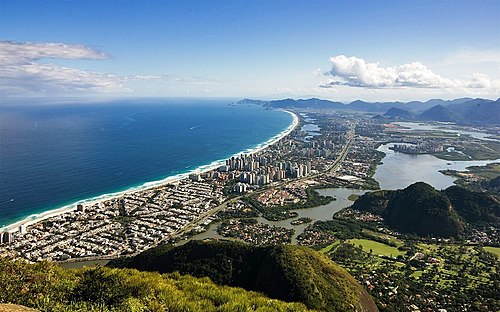
Copacabana Beach: famous for its lively atmosphere
Ipanema Beach: known for its beautiful sunsets
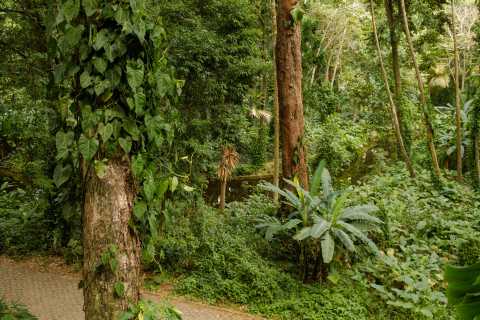
Tijuca National Park: one of the largest urban rainforests
Selarón Steps: a colorful mosaic staircase by artist Jorge Selarón
Maracanã Stadium: a historic football stadium
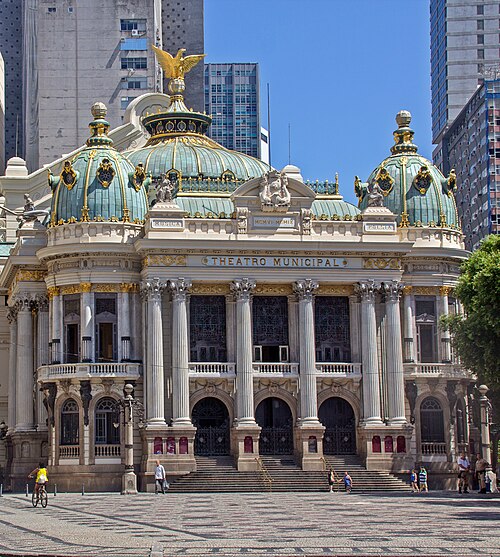
Theatro Municipal: a stunning opera house with rich architecture

"A city of vibrant culture and beauty"Rio de Janeiro

Things to do

Take a cable car to Sugarloaf Mountain: enjoy breathtaking views
Explore the historic Santa Teresa neighborhood: discover local art and culture
Visit the Botanical Garden: a peaceful retreat with diverse flora
Experience a samba show: immerse yourself in Brazil's dance culture
Hike to Pedra Bonita: enjoy stunning vistas of the coastline

Local food and drinks

Feijoada: a hearty black bean stew with pork
Pão de queijo: delicious cheese bread rolls
Caipirinha: Brazil's national cocktail made with cachaça
Açaí bowl: a refreshing smoothie bowl topped with fruits
Churrasco: Brazilian barbecue, often served at steakhouses

Local traditions

Carnival: a world-famous festival with parades and samba
Festa Junina: a traditional June festival with folk dances
New Year's Eve at Copacabana: a massive beach celebration
Cultural events at Theatro Municipal: showcasing local talent

History

Rio de Janeiro was founded in 1565 by the Portuguese and quickly became a significant port city. It served as the capital of Brazil for nearly two centuries, playing a crucial role in the country's development.

The city has witnessed various historical events, including the arrival of the Portuguese royal family in 1808, which transformed Rio into a cultural hub. Despite facing challenges such as economic disparities and urban violence, Rio remains a symbol of Brazilian identity and resilience.

Things to know

Be cautious in favelas, as some areas can be unsafe
Public transport can be crowded and confusing for newcomers
Avoid tourist traps, especially near major attractions
Stay hydrated and wear sunscreen, as the sun can be intense

Do's and don'ts

Try local street food for an authentic experience
Learn a few Portuguese phrases to connect with locals
Respect local customs and traditions during festivals
Use registered taxis or rideshare apps for safer transport
Don't flash valuables in public areas
Don't assume all beaches are safe; research beforehand
Don't engage in political discussions with strangers
Don't ignore local advice about safety and areas to avoid

Good to know

Accessibility: Some areas are accessible, but many are hilly.
Price level: mid-range

Photo: Wikipedia / Wikimedia Commons