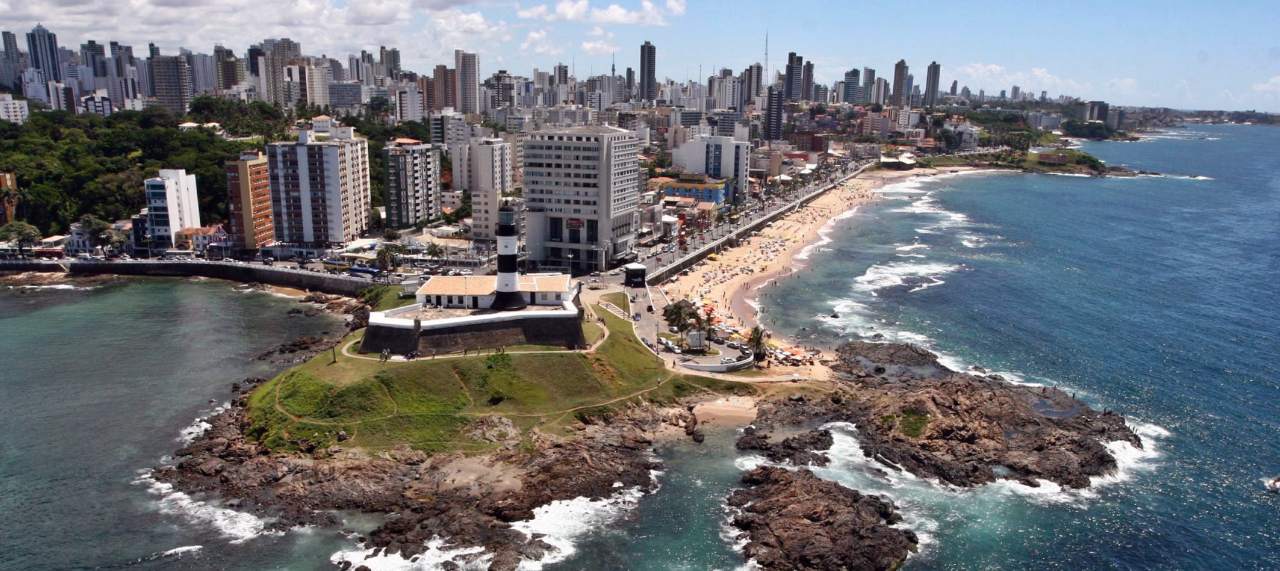
Salvador
Introduction
Salvador is a vibrant city that pulses with Afro-Brazilian culture, music, and history. Visitors are often captivated by its colorful colonial architecture and lively street festivals, creating an atmosphere that feels both festive and welcoming.
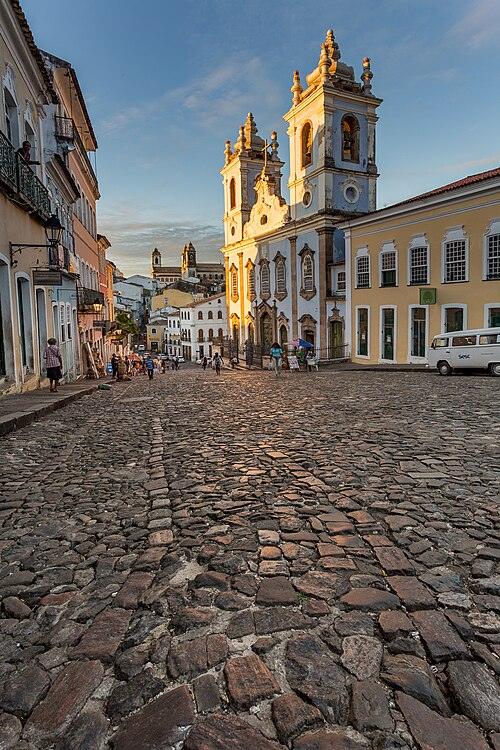
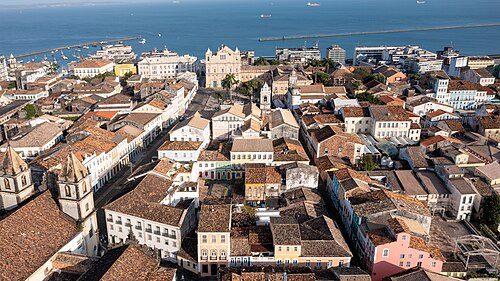
The city’s rich heritage is evident in its historic neighborhoods, particularly Pelourinho, where cobblestone streets are lined with art galleries, shops, and restaurants. However, the heat can be intense, and the city’s layout may be challenging for those with mobility issues.
In pictures
Sightseeing
Things to do
Top attractions
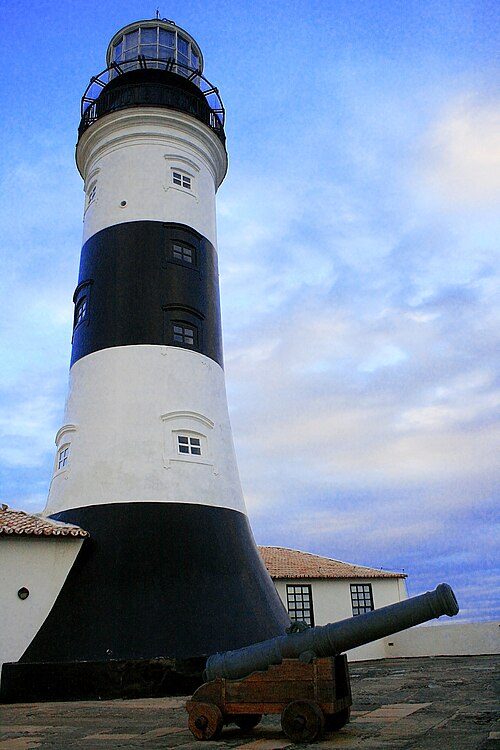
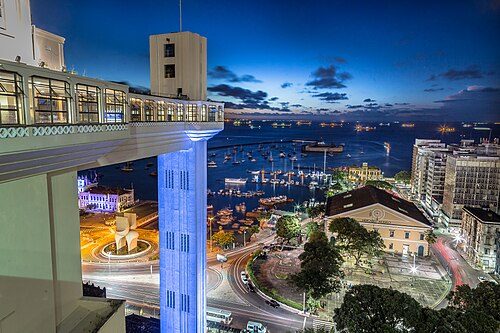
Farol da Barra
Iconic lighthouse with panoramic views
Igreja de São Francisco
Famous for its stunning baroque architecture
Mercado Modelo
A great place for local crafts and souvenirs
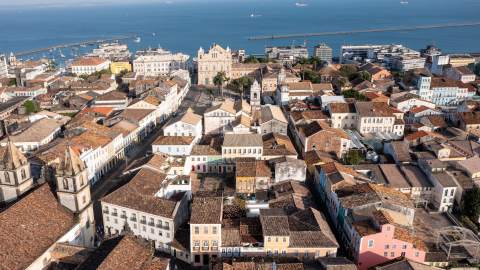
Pelourinho
A UNESCO World Heritage site with vibrant culture
Local food and drinks
Local traditions
History
Founded in 1549, Salvador was the first capital of Brazil and played a crucial role in the country's colonial history. It became a major port for the transatlantic slave trade, which significantly influenced its cultural landscape, particularly in music, religion, and cuisine.
Over the centuries, Salvador has evolved into a cultural hub, known for its rich Afro-Brazilian heritage. The city has faced challenges, including economic disparities and urban violence, but it remains a vibrant destination that celebrates its diverse roots.
Things to know
Do's and don'ts
Good to know
Photo: Wikipedia / Wikimedia Commons