São Paulo
Introduction
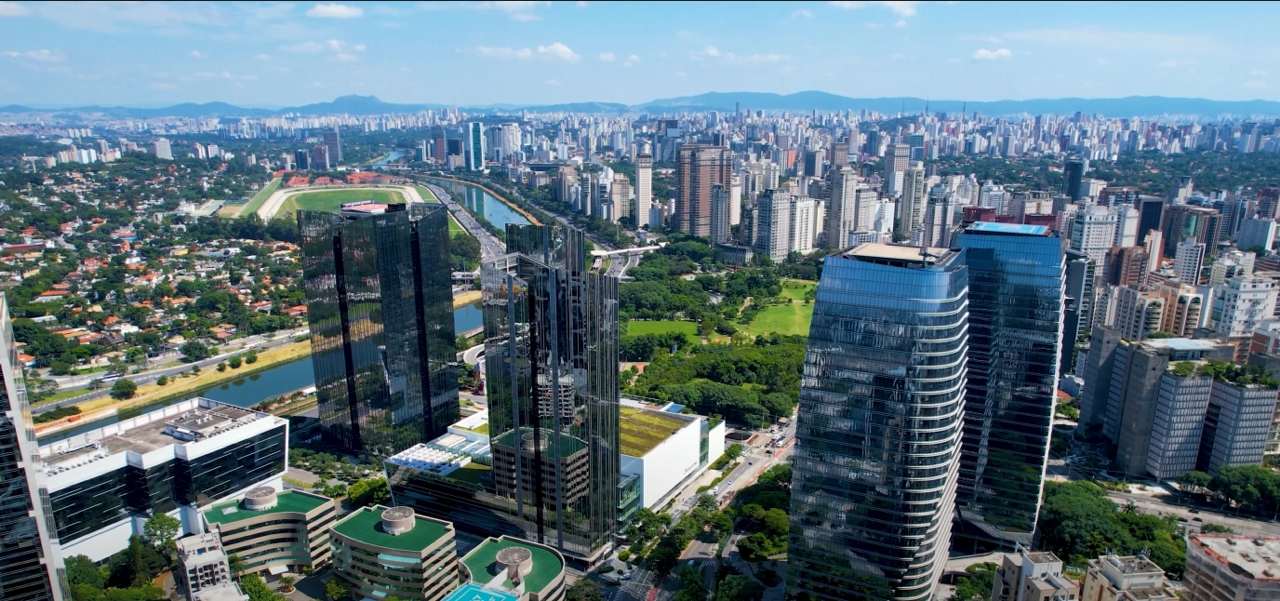
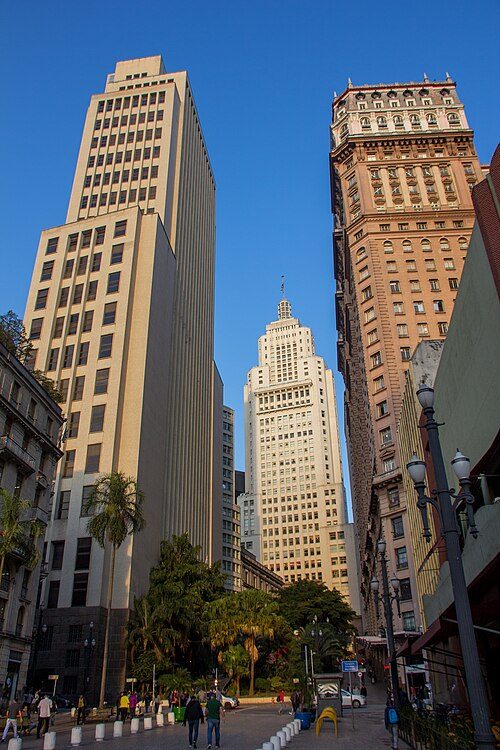
São Paulo is a vibrant metropolis that pulses with energy, offering a mix of cultures, cuisines, and experiences. Visitors are often struck by its vastness, with towering skyscrapers and bustling streets filled with people from all walks of life.
However, the city's size can be overwhelming, and navigating its neighborhoods requires some planning. While there are plenty of attractions, be prepared for traffic and the occasional language barrier, as not everyone speaks English.
In pictures
Sightseeing
Things to do
Top attractions
Aquário de São Paulo
One of the largest aquariums in Brazil
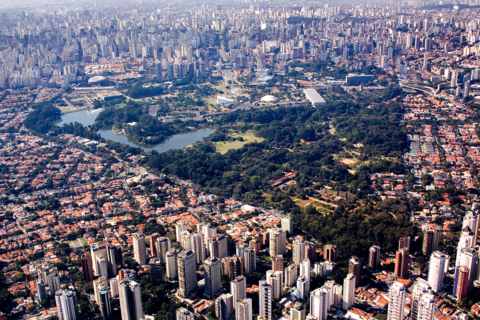
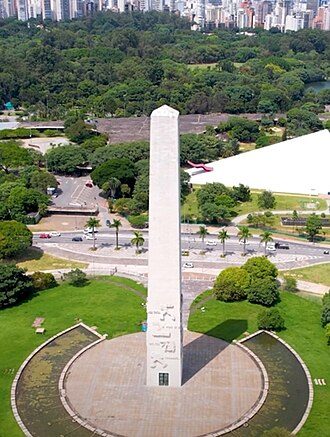
Ibirapuera Park
A green oasis in the urban landscape
Mercadão
Famous for its delicious food offerings
Museu Catavento
Interactive science museum for kids
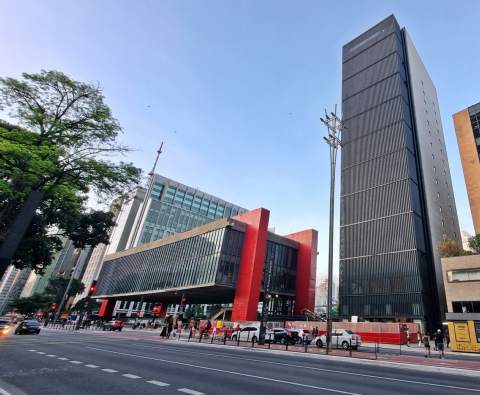
Museu de Arte de São Paulo
Home to a renowned art collection
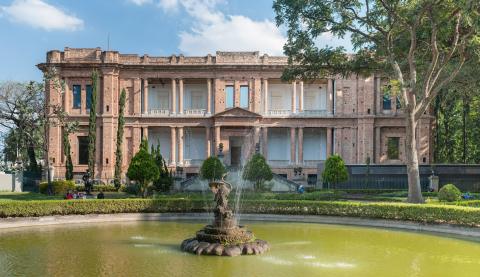
Pinacoteca do Estado
A key museum for Brazilian art
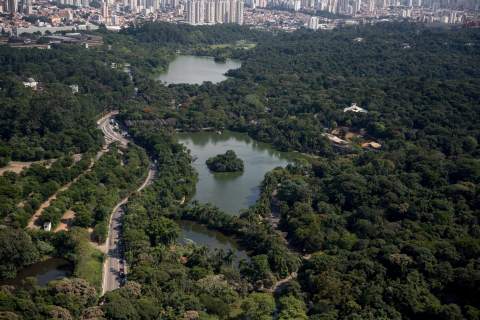
São Paulo Zoo
Home to a variety of animal species
Local food and drinks
Local traditions
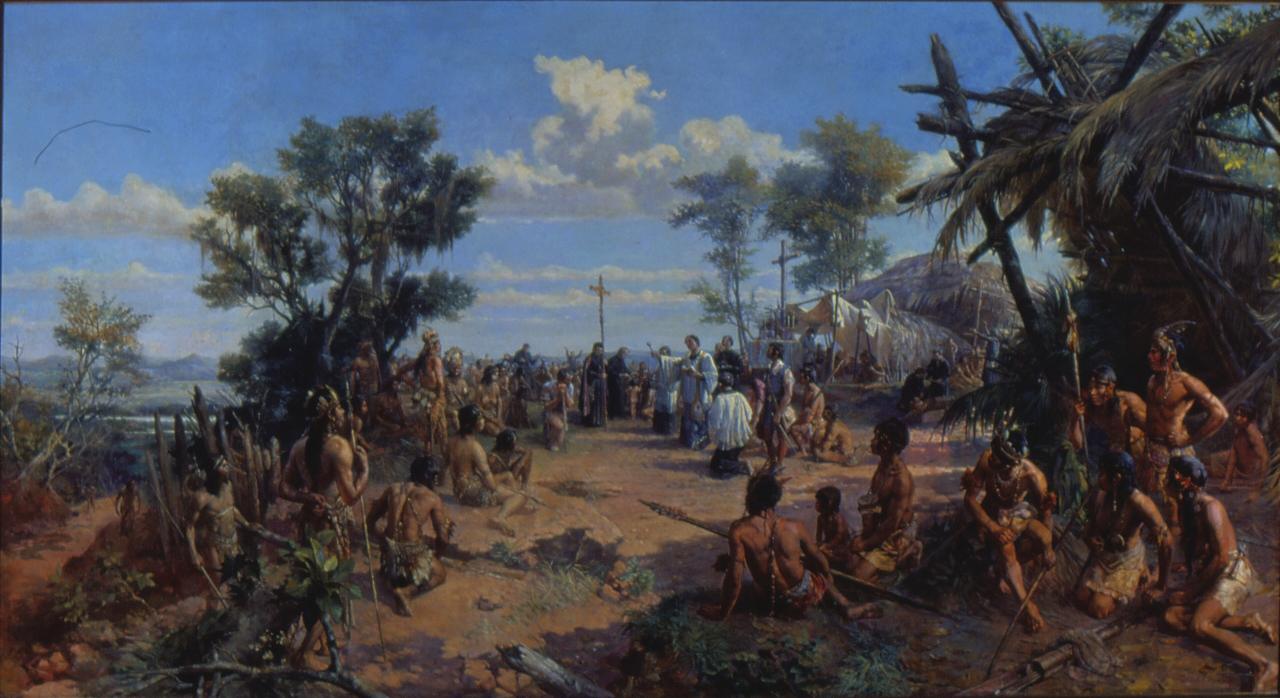
History
Founded in 1554 by Jesuit priests, São Paulo began as a small mission and has since transformed into one of the largest cities in the world. Its growth was fueled by coffee production in the 19th century, attracting immigrants from various countries.
Throughout the 20th century, São Paulo became a hub for industry and finance, shaping Brazil's economy. Today, it stands as a symbol of diversity and innovation, though it still grapples with challenges such as inequality and urban sprawl.
Things to know
Do's and don'ts
Good to know
Photo: Wikipedia / Wikimedia Commons