kiomigo
search
search
add New trip
São Paulo

São Paulo

Population: 12.300.000 Since: Founded in 1554 Price: Mid-range Capital city
accessible Accessibility: Many areas are accessible, but some have challenges.

Introduction

São Paulo is a vibrant metropolis that pulses with energy, offering a rich tapestry of culture, art, and gastronomy. As Brazil's largest city, it boasts a diverse population and a dynamic atmosphere that can be both exhilarating and overwhelming for visitors.

The city's skyline is dotted with modern skyscrapers, yet it also embraces historical architecture. From bustling markets to serene parks, São Paulo invites exploration, but be prepared for its notorious traffic and the need to navigate its sprawling layout.

In pictures
São Paulo
São Paulo
São Paulo
São Paulo
São Paulo
São Paulo

Sightseeing

Avenida Paulista: the city's main avenue, lined with cultural institutions
Ibirapuera Park: a vast urban park ideal for relaxation and recreation
São Paulo Museum of Art: known for its impressive collection and striking architecture
Municipal Market: famous for its fresh produce and local delicacies
Liberdade: the Japanese district, vibrant with culture and cuisine
Pinacoteca do Estado: an art museum showcasing Brazilian art
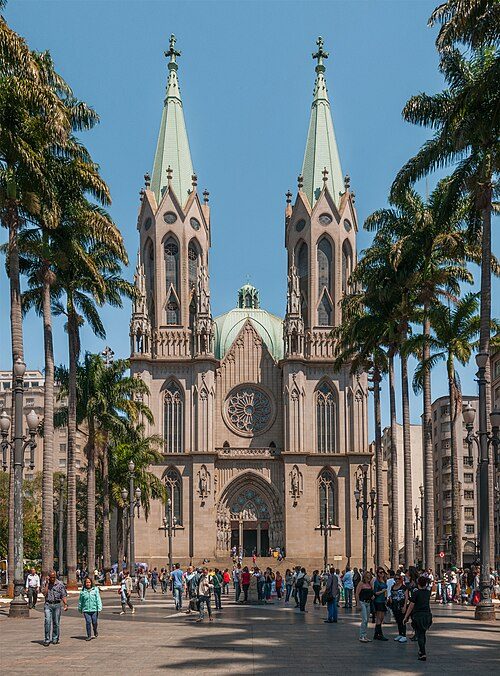
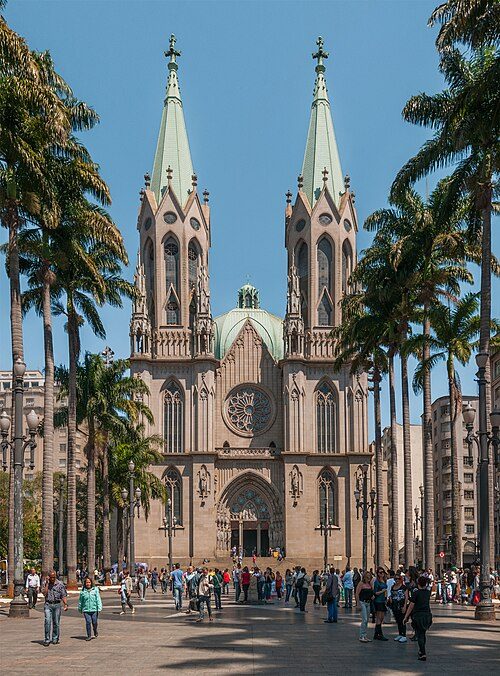
Cathedral da Sé: a stunning neo-Gothic cathedral in the city center
Beco do Batman: a colorful alleyway filled with street art

"A city that never sleeps"São Paulo

Things to do

Explore the street art in Vila Madalena: a vibrant neighborhood with murals
Visit the Mercado Municipal: sample local foods and fresh fruits
Attend a football match: experience the passion of Brazilian soccer
Stroll through Ibirapuera Park: enjoy nature and cultural institutions
Discover the nightlife in Vila Olímpia: a hub for bars and clubs

Local food and drinks

Feijoada: a traditional black bean stew with pork
Pão de queijo: cheese bread, a popular snack
Coxinha: chicken-filled dough shaped like a drumstick
Brigadeiro: a chocolate truffle, a favorite dessert
Chopp: a popular draft beer served in bars

Local traditions

Carnival: a vibrant festival celebrated with parades and samba
Festa Junina: a traditional June festival with food and dance
Virada Cultural: a 24-hour cultural festival showcasing arts
New Year's Eve at Copan: a popular gathering for celebrations

History

Founded in 1554 by Jesuit priests, São Paulo began as a small mission and has since transformed into a sprawling urban center. The city grew rapidly in the 19th century, fueled by coffee production and immigration, which shaped its diverse cultural landscape.

Throughout the 20th century, São Paulo became an industrial powerhouse and a magnet for people seeking opportunities. Its rich history is reflected in its architecture, neighborhoods, and the vibrant mix of cultures that define the city today.

Things to know

Traffic can be severe, plan your travel times wisely
Public transport is extensive but can be crowded
Be cautious in certain neighborhoods, especially at night
Watch out for tourist traps in popular areas

Do's and don'ts

Try local street food for an authentic experience
Visit museums on free admission days
Use public transport to navigate the city
Learn a few Portuguese phrases to enhance interactions
Don't flash valuables in public spaces
Don't rely solely on taxis, use rideshare apps
Don't assume all areas are safe at night
Don't skip the local markets for food experiences

Good to know

Accessibility: Many areas are accessible, but some have challenges.
Price level: mid-range

Photo: Wikipedia / Wikimedia Commons