search
search
add New trip
Aswan

Aswan

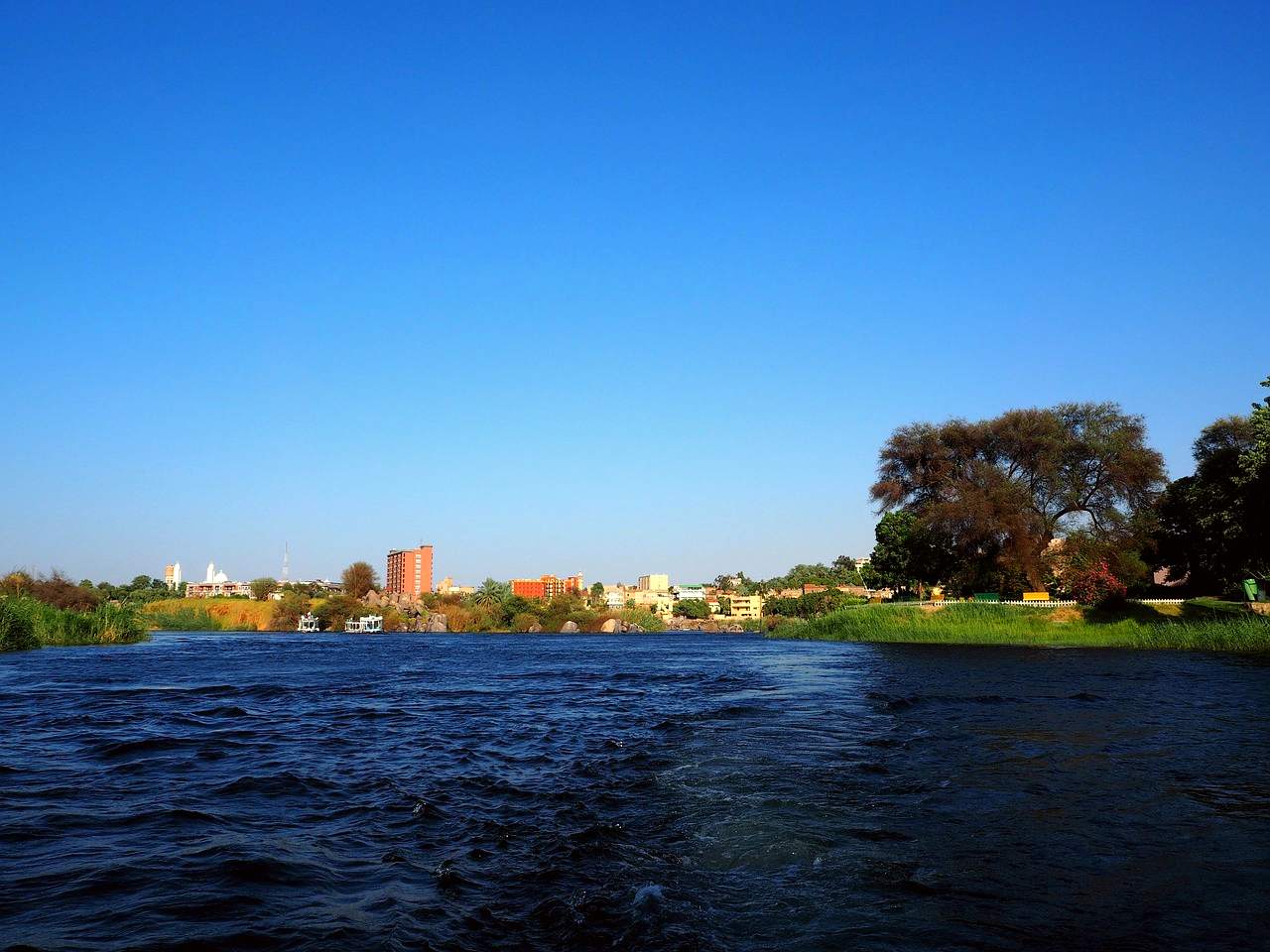
NadineDoerle · Pixabay
calendar_monthOct–Marbest time schedule3 daysplan for directions_car2 h 36from Luxor child_careYeswith kids confirmation_numberMid-rangeprice
AswanYour own route Plan a trip here →

Aswan is a captivating city in southern Egypt, known for its stunning Nile views and rich Nubian culture. Visitors are often drawn to its warm climate and friendly locals, making it a welcoming stop on any Egyptian itinerary.

Read more

The city serves as a gateway to ancient temples and monuments, with a laid-back atmosphere that contrasts with the hustle of Cairo. Aswan's charm lies in its blend of history and natural beauty, offering travelers a unique glimpse into Egypt's past and present.

Routes through here

Every route opens in the planner as your own copy: change any stop, any night.
In pictures

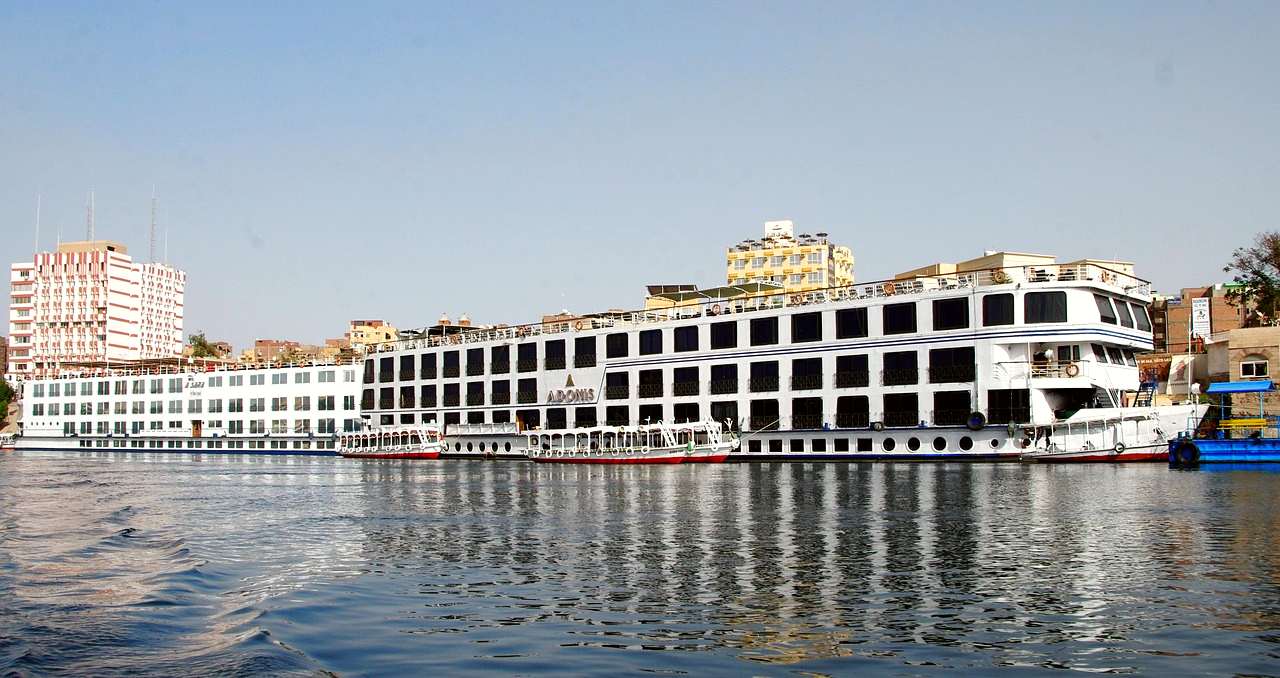
Aswan DEZALB · Pixabay
Aswan la pet · Pixabay

Sightseeing

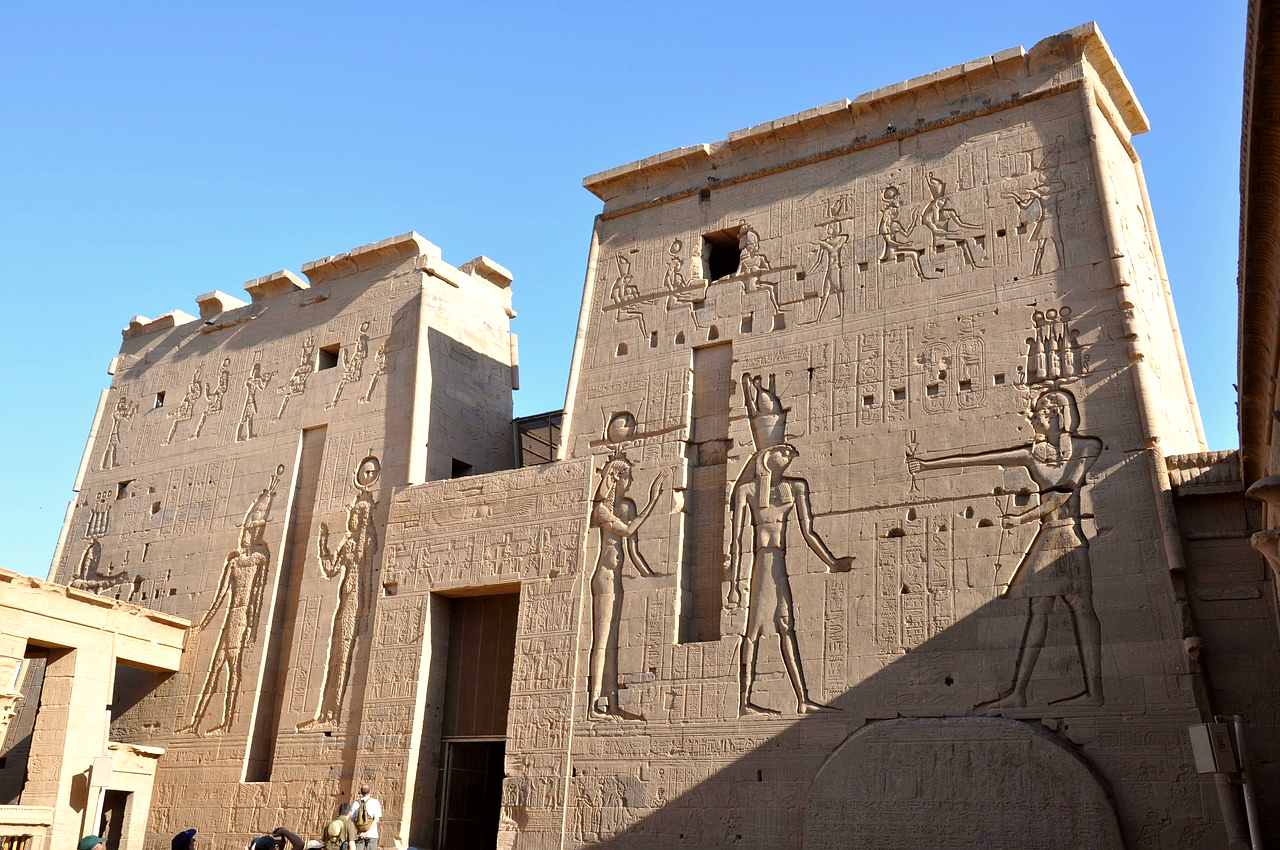
Philae Temple: an ancient temple dedicated to the goddess Isis
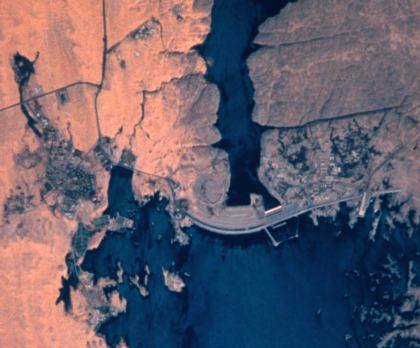
Aswan High Dam: a monumental engineering feat on the Nile
Nubian Museum: showcases the history and culture of Nubia
Unfinished Obelisk: an ancient quarry site with a massive obelisk
Elephantine Island: home to archaeological sites and lush gardens
Kitchener's Island: a botanical garden with exotic plants
Aswan Botanical Garden: a peaceful retreat with diverse flora
Nubian Villages: colorful villages showcasing local life

"Where the Nile Meets History"Aswan

Things to do

Take a felucca ride: enjoy a traditional sailboat experience on the Nile.
Visit the local souk: shop for spices, textiles, and handicrafts.
Explore the temples: discover the ancient history at nearby sites.
Attend a Nubian music night: experience local culture through music.
Relax by the Nile: unwind at riverside cafes with views of the river and the city.
Rent a bike: many hotels offer rentals, allowing you to explore the area at your own pace.

Local food and drinks

Koshari: a hearty mix of rice, lentils, and pasta
Ful Medames: a popular fava bean dish, often eaten for breakfast
Nubian bread: traditional flatbread, perfect for dipping
Aswan tea: a sweet, spiced tea enjoyed by locals
Local restaurants: try places like El Masry and Nubian House for authentic meals

Local traditions

Nubian weddings: colorful celebrations with music and dance
Ramadan: a month of fasting, with special evening meals
Coptic Christmas: celebrated with unique traditions in January
Local crafts: artisans continue to create traditional Nubian handicrafts

Do's and don'ts

Respect local customs and dress modestly
Bargain at markets, but do so politely
Try local dishes to experience authentic flavors
Learn a few Arabic phrases to connect with locals
Don't take photos of locals without permission
Don't engage in political discussions with strangers
Don't ignore safety advice from locals or guides
Don't rush through your visit; take time to soak in the atmosphere

Practical

At a glance

Founded
3000 BC
Population
150.000
Accessibility
Some areas are accessible, but expect uneven paths.
Price level
Mid-range

Things to know

Be cautious of aggressive vendors in tourist areas.
Public transport can be limited and confusing for newcomers.
Safety can vary; stay aware of your surroundings.
Timing is essential; visit popular sites early to avoid crowds.
Note that the best time to visit is between October and April when temperatures are milder.
history_eduHistoryexpand_more

Aswan has been a significant city since ancient times, serving as a strategic trade route and a gateway to Nubia. The area is rich in archaeological sites, with evidence of human settlement dating back thousands of years.

During the Pharaonic era, Aswan was known for its quarries, providing granite for monumental structures. The construction of the Aswan High Dam in the 1960s transformed the region, creating Lake Nasser and altering the local economy and environment.

Photo: NadineDoerle · Pixabay Content License · Pixabay

Photo credits (2)