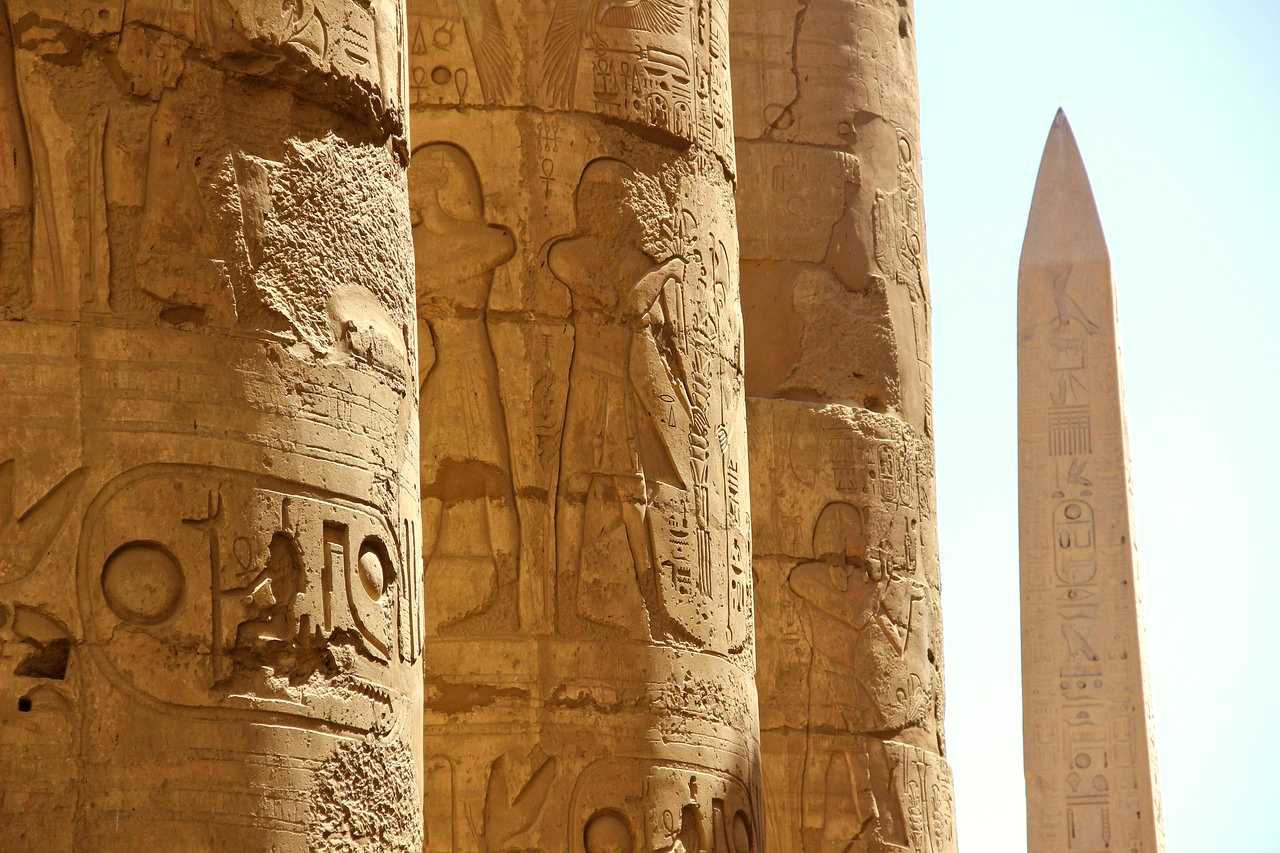
Luxor is often referred to as the world's greatest open-air museum, showcasing the grandeur of ancient Egyptian civilization. The Nile River flows gracefully through the city, providing a stunning backdrop to its rich history and archaeological wonders.
Read more
Visitors are greeted by the majestic temples and tombs that whisper tales of pharaohs and gods. The atmosphere is vibrant, with local markets and friendly residents adding to the charm, but be prepared for the heat and the hustle of tourism.
Highlights
Hatshepsut Temple
A stunning architectural marvel dedicated to a female pharaoh.
Karnak Temple
A monumental temple complex with stunning architecture.
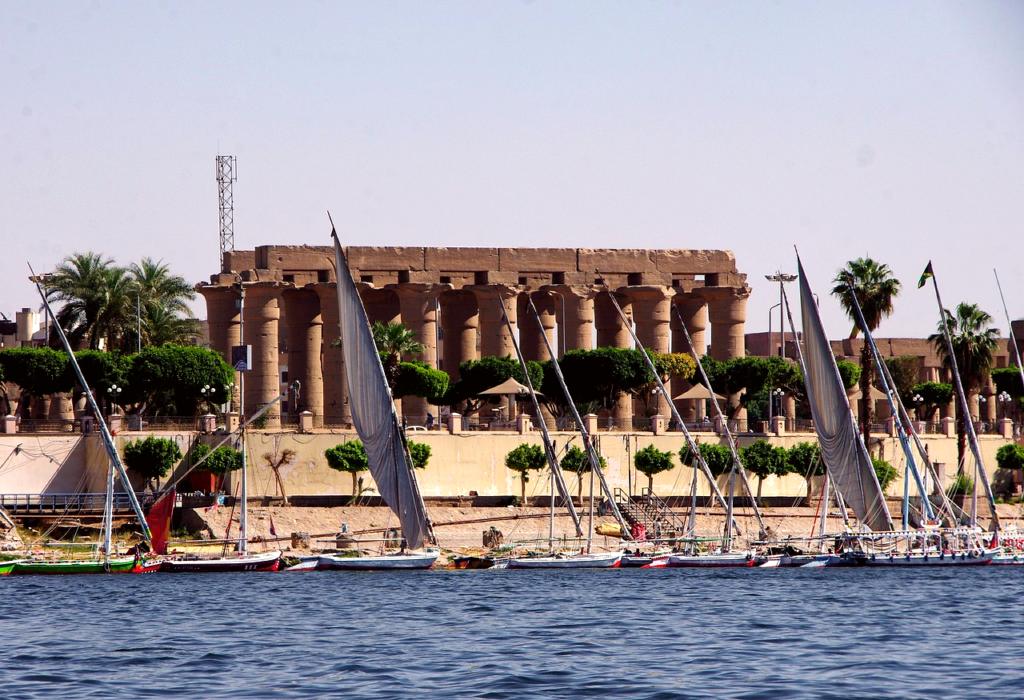
Luxor Temple
An impressive temple with beautiful night illuminations.
Valley of the Kings
Final resting place of many pharaohs, including Tutankhamun.
Routes through here
Every route opens in the planner as your own copy: change any stop, any night.
Sightseeing
Things to do
Local food and drinks
Local traditions
Do's and don'ts
Practical
At a glance
- Founded
- 3200 BC
- Population
- 500.000
- Accessibility
- Some areas are accessible, but many sites have stairs
- Price level
- Mid-range
Things to know
History
Luxor, known as Thebes in ancient times, was the capital of Egypt during the New Kingdom. It flourished from around 1550 BC to 1070 BC, becoming a center for art, culture, and religion, with monumental structures built in honor of the gods and pharaohs.
The city has witnessed the rise and fall of empires, with its temples and tombs reflecting the grandeur of ancient Egyptian civilization. Today, Luxor remains a key archaeological site, attracting historians and tourists alike who seek to uncover its rich past.
Photo: imedias · Pixabay Content License · Pixabay
Photo credits (2)
- DEZALB · Pixabay Content License · Pixabay
- fotoerich · Pixabay Content License · Pixabay