kiomigo
search
search
add New trip
Cape Coast

Cape Coast

Population: 200.000 Since: Founded around 15th century Price: Mid-range
accessible Accessibility: Some areas are accessible, but many have uneven terrain.

Introduction

Cape Coast is a vibrant coastal city in Ghana, known for its rich history and stunning beaches. Visitors are often captivated by the warm hospitality of the locals and the blend of cultural heritage that permeates the streets.

The city is a gateway to understanding Ghana's past, particularly its role in the transatlantic slave trade. Walking through its bustling markets and along the scenic coastline, you can feel the pulse of life that makes Cape Coast a unique destination.

Sightseeing

Cape Coast Castle: a UNESCO World Heritage site with a poignant history
Fort William: an impressive fortification with panoramic views
Kakum National Park: a lush rainforest with canopy walkways
Elmina Castle: another UNESCO site, rich in history
Cape Coast Beach: a relaxing spot for sunbathing and swimming
The Cape Coast Centre for National Culture: showcasing local arts and crafts
The Slave River: a historical site with deep significance
The local markets: vibrant places to experience daily life

"A coastal gem of history and culture"Cape Coast

Things to do

Explore the Cape Coast Castle: learn about its history
Visit Kakum National Park: hike through the rainforest
Relax at Cape Coast Beach: enjoy the sun and sea
Shop at local markets: find unique crafts and souvenirs
Attend a local festival: experience the culture and traditions

Local food and drinks

Fried Fish: a local delicacy, often served with rice
Banku and Tilapia: a traditional dish enjoyed by many
Kelewele: spicy fried plantains, a popular street snack
Palm Wine: a local drink, best enjoyed fresh
Chinchinga: spicy kebabs, perfect for a quick bite

Local traditions

Fetu Afahye Festival: a vibrant celebration of harvest
Traditional drumming and dancing: integral to local culture
Naming ceremonies: significant events in the community
Local fishing practices: still observed by many families
History - Cape Coast

History

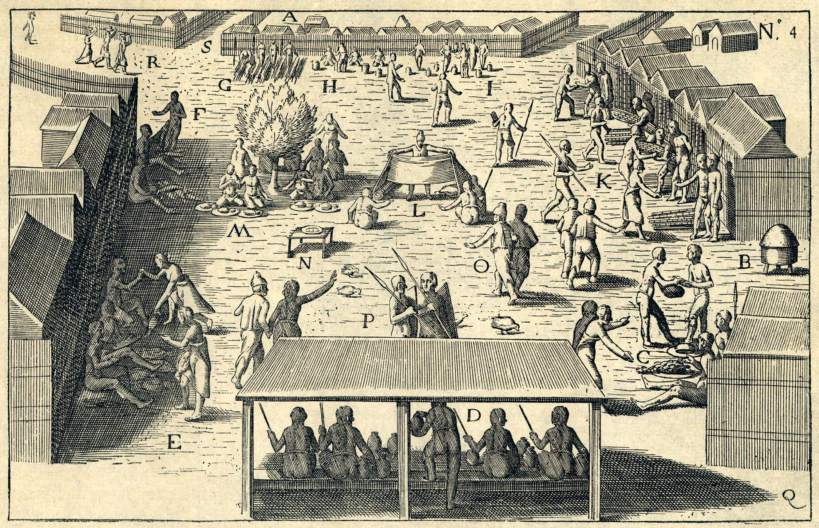
Cape Coast has a complex history, primarily known for its role in the transatlantic slave trade. Established in the 15th century, it became a major trading hub, with the construction of forts and castles by European powers.

The city was a center for the slave trade until the 19th century, and today, its historical sites serve as reminders of this dark past. The legacy of these events shapes the cultural identity of Cape Coast, making it a poignant place to visit.

Things to know

Be cautious of tourist traps near major attractions
Public transport can be unreliable, consider hiring a taxi
Safety can vary, avoid walking alone at night
Timing is important, as some sites may close early

Do's and don'ts

Engage with locals: they are friendly and welcoming
Try local dishes: the food is a highlight
Respect cultural sites: they hold significant meaning
Bargain at markets: it's part of the experience
Don't take photos without permission: especially of locals
Don't ignore local customs: be respectful of traditions
Don't venture into isolated areas alone: safety first
Don't rush your visit: take time to soak in the culture

Good to know

Accessibility: Some areas are accessible, but many have uneven terrain.
Price level: mid-range

Photo: Wikipedia / Wikimedia Commons