kiomigo
search
search
add Ny tur
Kumasi

Kumasi

Befolkning: 1.500.000 Siden: Founded around 1695 Pris: Mid-range
accessible Tilgjengelighet: Some areas are accessible, but many streets are uneven.

Introduksjon

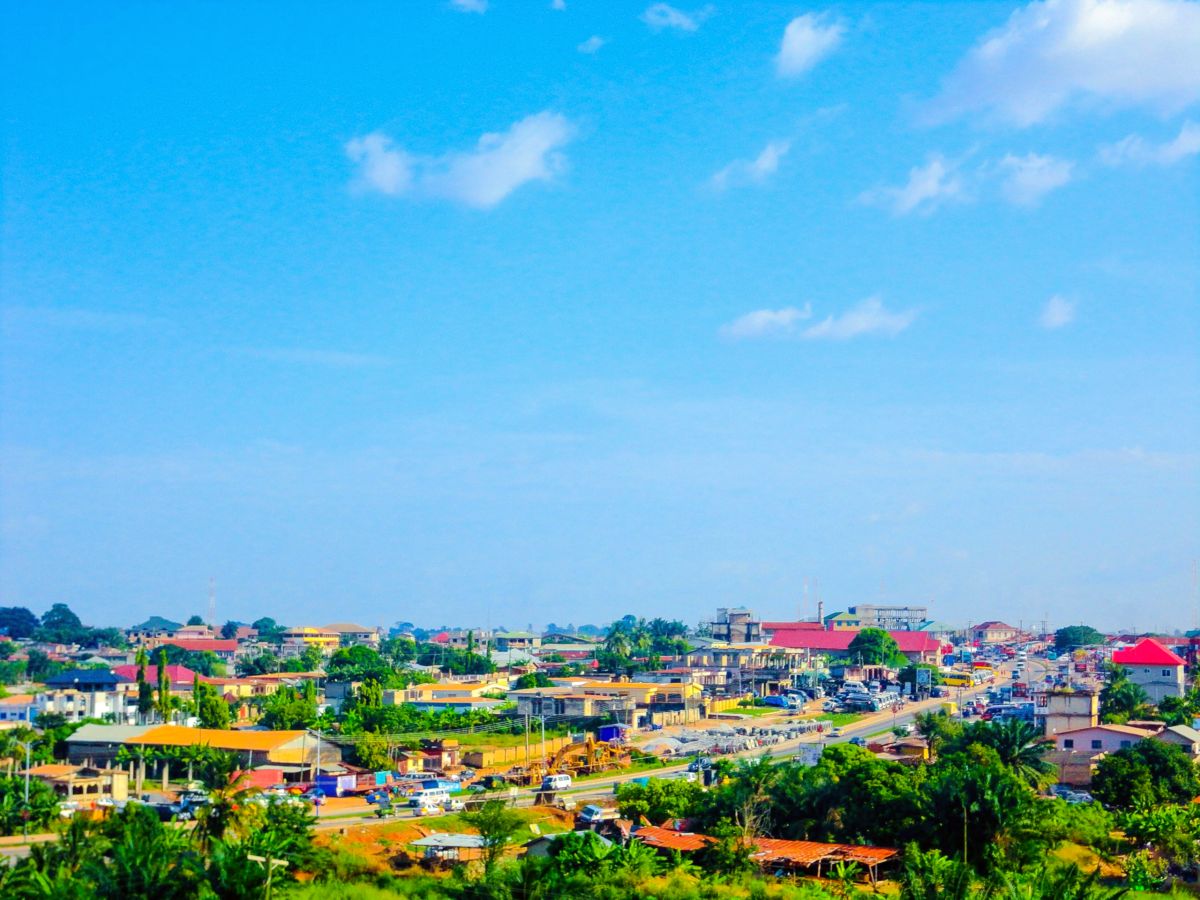
Kumasi, the vibrant heart of Ashanti culture, welcomes visitors with its bustling markets and rich traditions. The city is alive with the sounds of traders and the aroma of local delicacies, making it a sensory delight for anyone exploring its streets.

As the second-largest city in Ghana, Kumasi is a hub of activity and history. The warmth of its people and the colorful displays of craftsmanship create an inviting atmosphere, though navigating the busy areas can be overwhelming for some.

I bilder

Kumasi
Kumasi
Kumasi
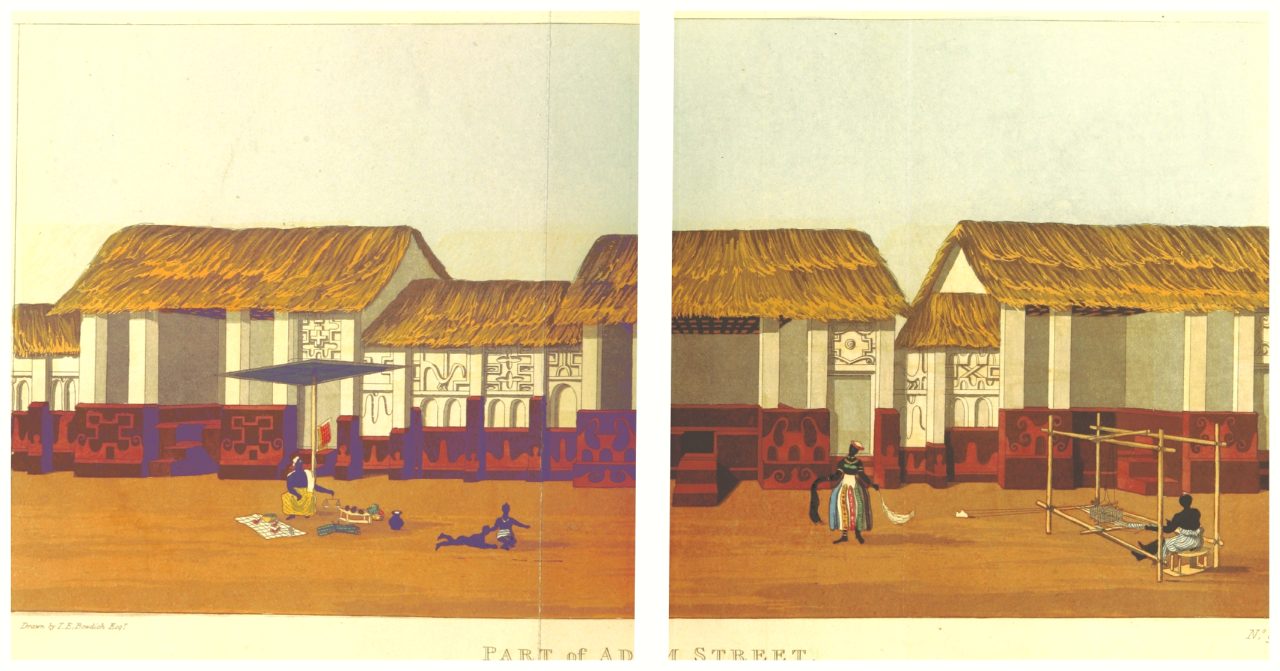
Kente weaver on Adum Street in Kumasi, Ghana, 1819
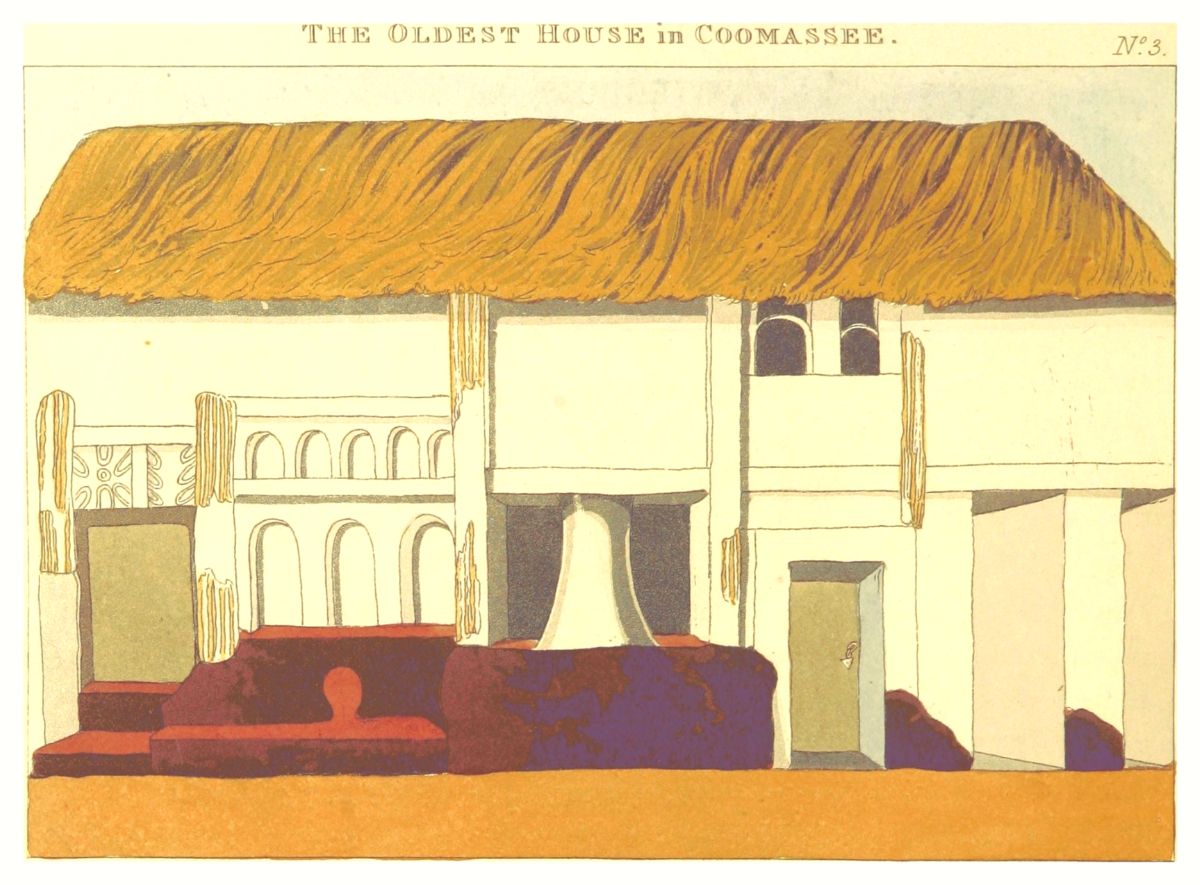
Bowdich's sketch of Kumasi c. 1817[22]
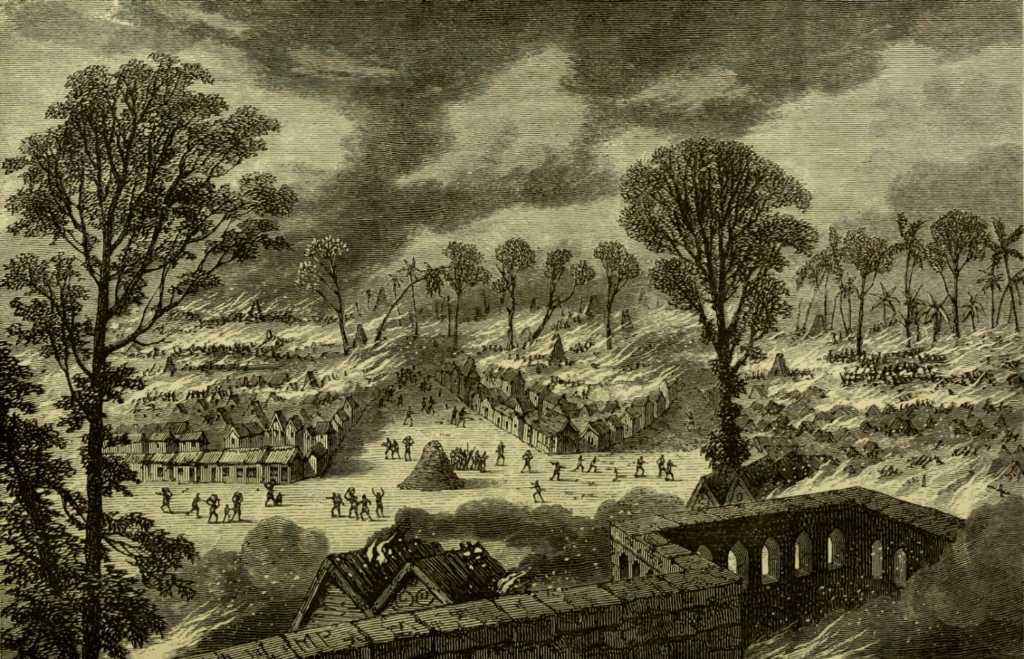
Burning of Kumasi in 1874 depicted by Henry Morton Stanley

Sightseeing

Kejetia Market: one of the largest open-air markets in West Africa
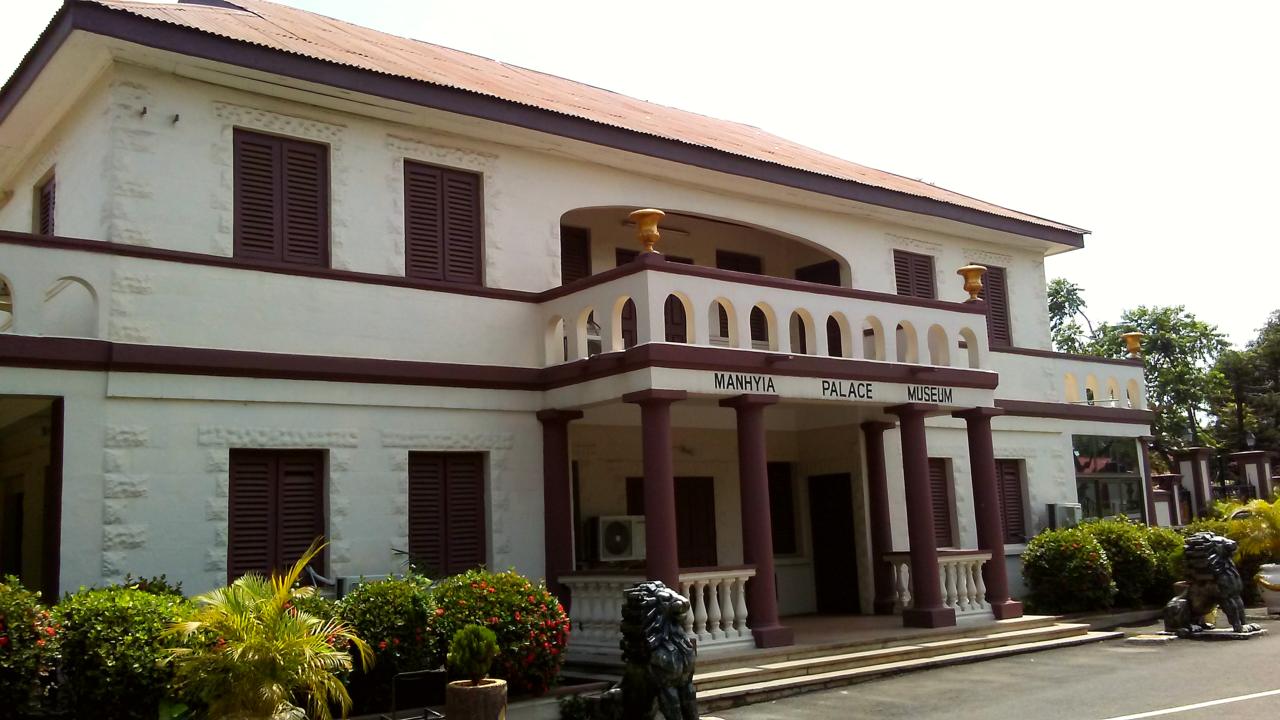
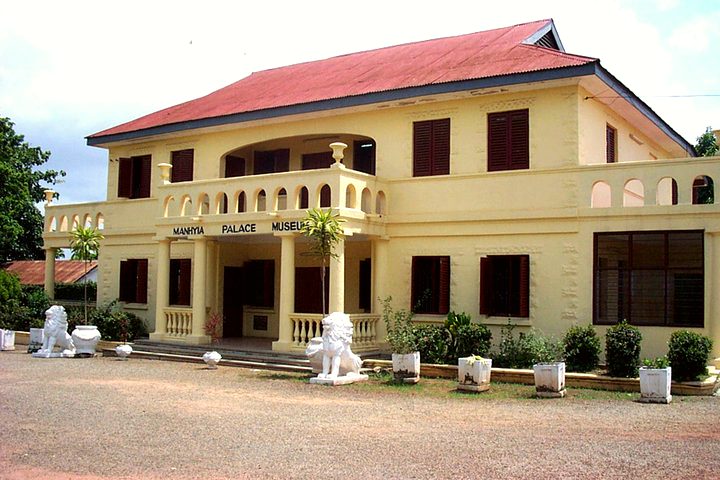
Manhyia Palace: the historical seat of the Ashanti kings
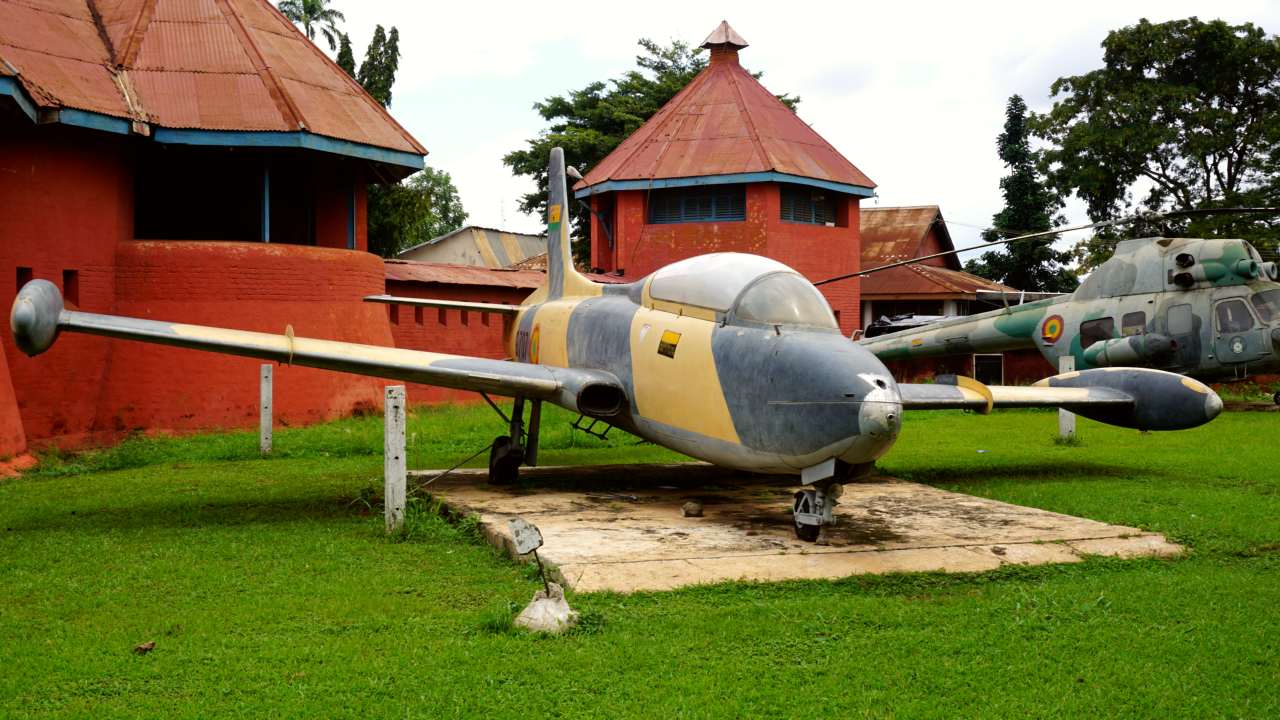
Kumasi Fort: a colonial-era fort with a museum
Prempeh II Jubilee Museum: showcasing Ashanti history and culture
Baba Yara Stadium: a venue for local football matches
Kumasi Central Mosque: an architectural landmark in the city
Okomfo Anokye Sword Site: a significant cultural site with legends attached
Lake Bosomtwe: a serene lake surrounded by hills

"Experience the Heart of Ashanti Culture"Kumasi

Things to do

Explore Kejetia Market: immerse yourself in local commerce
Visit the Manhyia Palace: learn about Ashanti royalty
Attend a cultural performance: experience traditional music and dance
Take a trip to Lake Bosomtwe: enjoy nature and tranquility
Join a guided city tour: discover hidden gems and local stories

Lokal mat og drikke

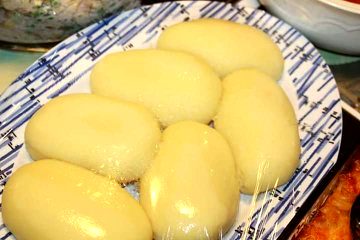
Fufu: a staple dish made from cassava and plantains
Jollof Rice: a popular West African rice dish
Kelewele: spicy fried plantains, a tasty snack
Chinchinga: grilled kebabs, often sold by street vendors
Palm Wine: a traditional alcoholic beverage enjoyed by locals

Lokale tradisjoner

Akwasidae Festival: a celebration of Ashanti heritage held every six weeks
Odwira Festival: a harvest festival honoring ancestors
Traditional drumming and dancing: integral to cultural events
Kente weaving: a traditional craft symbolizing status and identity
Historie - Kumasi

Historie

Kumasi was founded in the late 17th century and became the capital of the Ashanti Empire, known for its wealth and powerful kings. The city played a crucial role in the transatlantic trade and was a center for gold and cocoa production.

Throughout the colonial period, Kumasi faced significant challenges, including the British invasion in 1900. Despite this, it has retained its cultural significance and continues to be a symbol of Ashanti pride and resilience.

Verdt å vite

Traffic can be chaotic, so plan your travel times wisely
Beware of pickpockets in crowded areas like markets
Public transport can be limited; consider hiring a taxi
Be cautious when taking photos of locals without permission

Bør og bør ikke

Engage with local vendors at markets
Try traditional dishes at local eateries
Respect cultural customs and dress modestly
Learn a few phrases in Twi to connect with locals
Don't assume everyone speaks English fluently
Don't take photos of people without asking
Don't wander alone at night in unfamiliar areas
Don't rush through cultural sites; take your time to appreciate them

Godt å vite

Tilgjengelighet: Some areas are accessible, but many streets are uneven.
Price level: mid-range

Bilde: Wikipedia / Wikimedia Commons