kiomigo
search
search
add New trip
Lake Nakuru

Lake Nakuru

Population: 40.000 Since: Founded in the early 1900s Price: Mid-range

Introduction

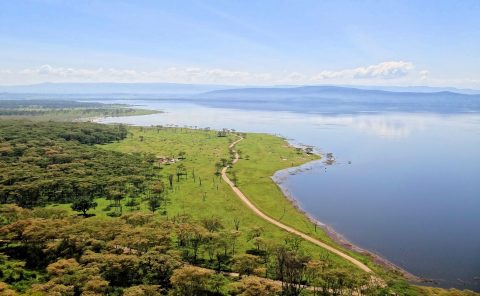
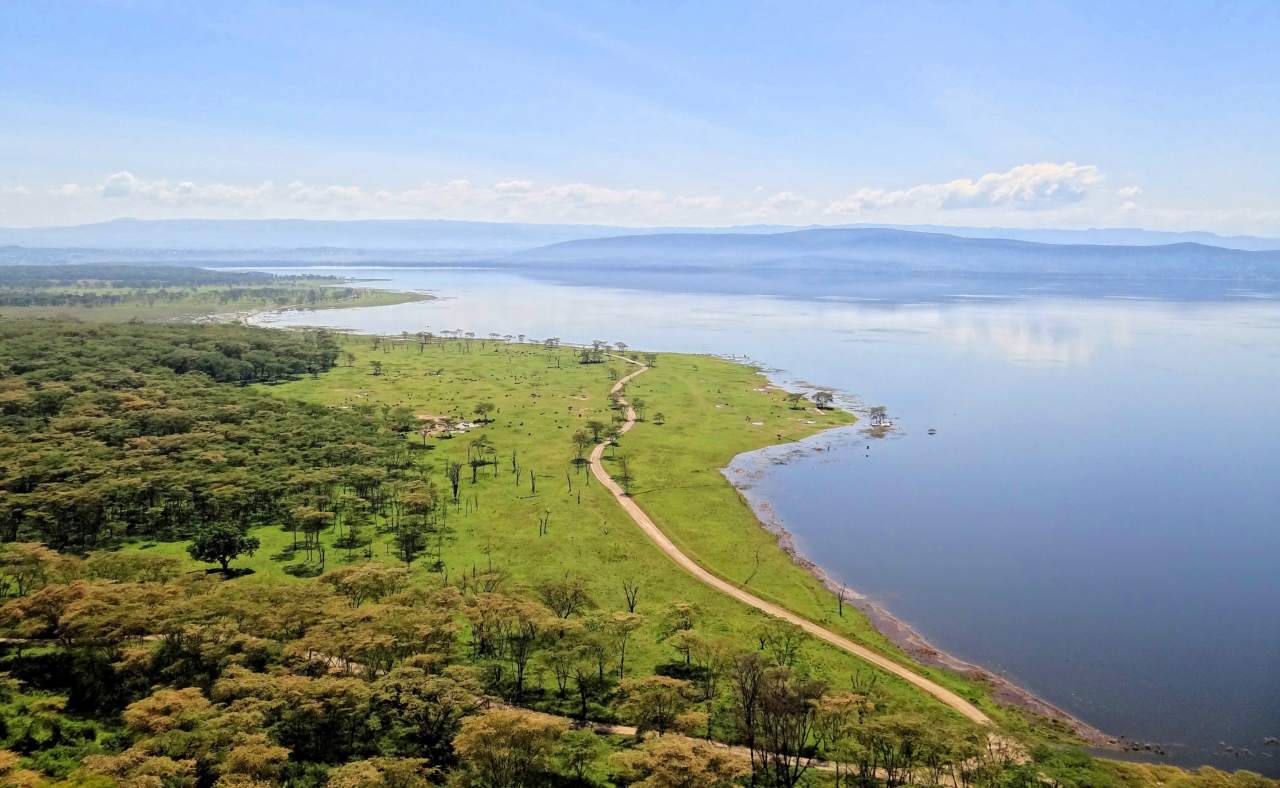
Lake Nakuru is a vibrant city nestled in the heart of Kenya, known for its stunning landscapes and rich wildlife. Visitors are often captivated by the breathtaking views of Lake Nakuru National Park, where flocks of flamingos create a pink hue along the shores, making it a photographer's paradise.

The city offers a unique blend of urban life and natural beauty, with bustling markets and local eateries that reflect the culture of the region. However, the charm of Lake Nakuru also comes with the challenges of navigating its busy streets and occasional traffic jams, so patience is key.

Sightseeing

Lake Nakuru National Park: famous for its flamingos and rhinos
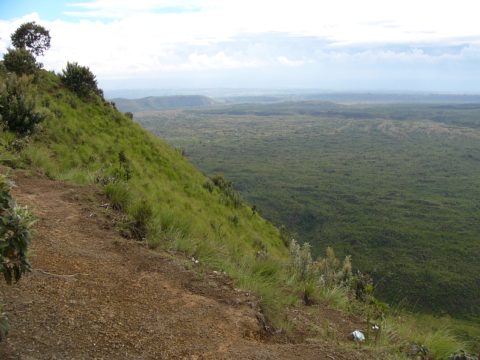
Menengai Crater: a stunning volcanic caldera with panoramic views
Nakuru War Cemetery: a solemn site honoring fallen soldiers
Hyrax Hill Prehistoric Site: an archaeological site showcasing ancient human habitation
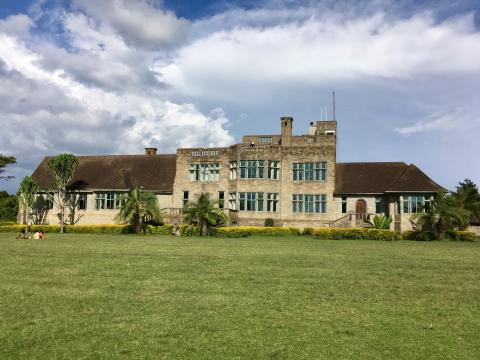
Lord Egerton Castle: a historical mansion with beautiful gardens
Kakamega Forest: a nearby rainforest offering diverse wildlife and hiking trails

"Nature's Beauty Awaits You"Lake Nakuru

Things to do

Go birdwatching: witness diverse avian species in their natural habitat
Take a safari: explore the national park's wildlife on a guided tour
Visit local markets: experience the vibrant culture and shop for souvenirs
Hike Menengai Crater: enjoy breathtaking views from the top
Relax by the lake: unwind and take in the serene surroundings

Local food and drinks

Nyama Choma: grilled meat, a local favorite
Ugali: a staple dish made from maize flour
Samosas: popular snacks filled with meat or vegetables
Chai: traditional Kenyan tea, often enjoyed with snacks
Java House: a well-known café chain serving local and international dishes

Local traditions

Nakuru Agricultural Show: an annual event showcasing local agriculture
Maasai cultural festivals: celebrations featuring traditional dances and attire
Kikuyu New Year: a time for family gatherings and feasting

History

Lake Nakuru's history dates back to the early 20th century when it was established as a railway town. The area quickly grew due to its strategic location and natural resources, becoming a hub for trade and agriculture.

In 1961, Lake Nakuru National Park was established, protecting the unique ecosystem and its diverse wildlife. The park has since become a UNESCO World Heritage Site, attracting visitors from around the globe who come to witness its natural beauty and rich biodiversity.

Things to know

Be cautious of traffic: roads can be congested and chaotic
Watch for wildlife: animals may roam near urban areas
Plan for weather: the rainy season can affect travel plans
Stay aware of your surroundings: petty crime can occur in busy areas

Do's and don'ts

Explore the national park early in the morning
Engage with local vendors at markets
Respect wildlife and maintain a safe distance
Try local dishes at street food stalls
Don't feed the animals in the national park
Don't wander alone at night in unfamiliar areas
Don't ignore local customs and etiquette
Don't rush your visit; take time to enjoy the scenery

Good to know

Accessibility: Some areas are wheelchair accessible, but not all.
Price level: mid-range

Photo: Wikipedia / Wikimedia Commons