kiomigo
search
search
add New trip
Lamu Island

Lamu Island

Population: 25.000 Since: Founded around 600 AD Price: Mid-range

Introduction

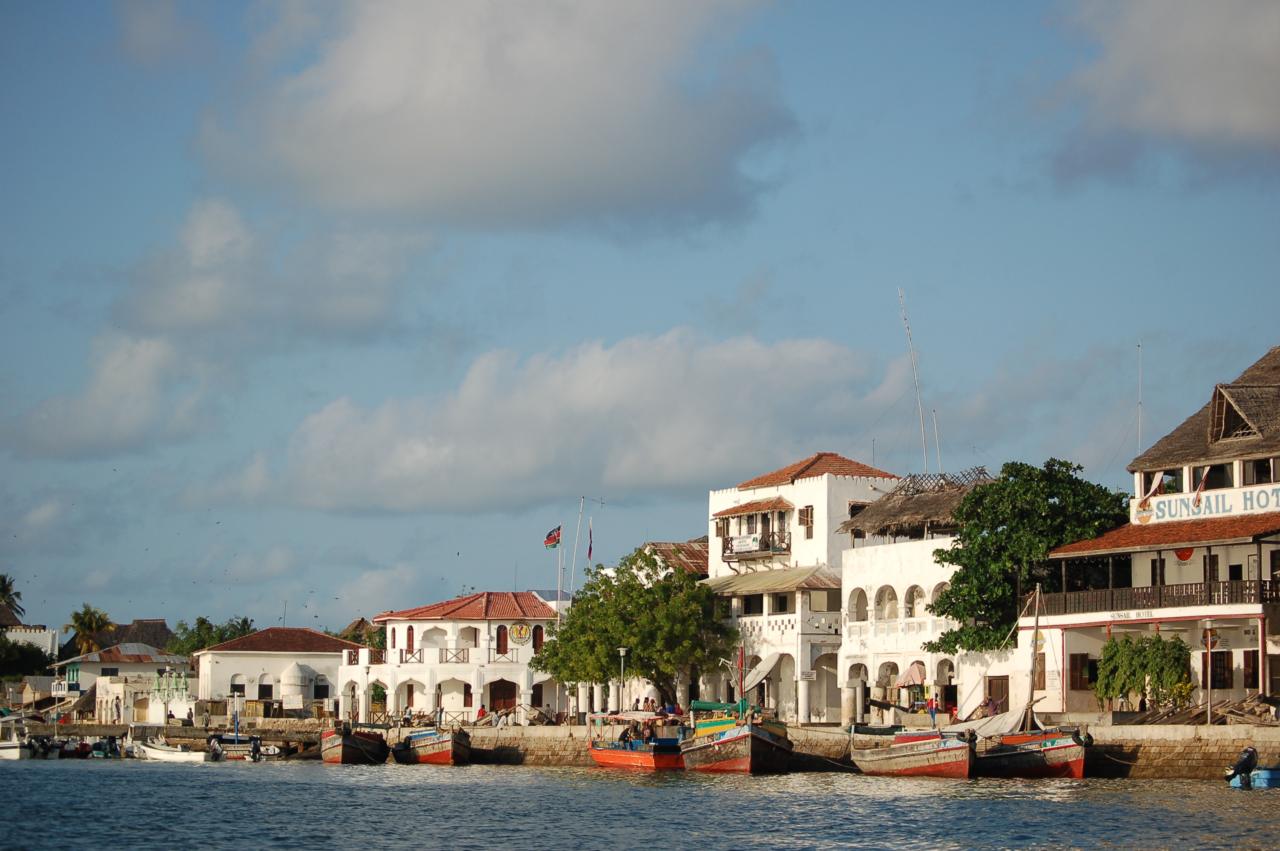
Lamu Island is a serene escape where time seems to stand still. The narrow streets, lined with coral stone buildings, invite you to wander and soak in the rich Swahili culture.

The island's laid-back atmosphere is complemented by stunning beaches and the gentle sound of the ocean. Visitors can expect a blend of history, art, and local hospitality that makes Lamu a unique destination.

Sightseeing

Lamu Old Town: a UNESCO World Heritage site with winding alleys
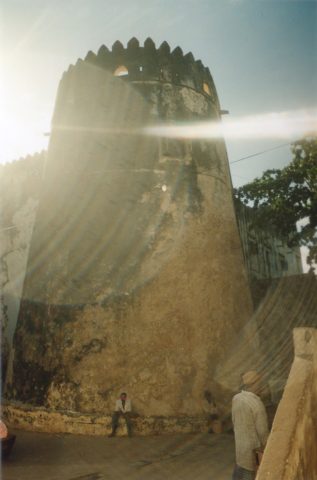
Fort Lamu: a historical fort offering panoramic views
Lamu Museum: showcasing the island's rich history and culture
Shela Beach: a beautiful stretch of sand perfect for relaxation
Manda Island: a nearby island known for its tranquility
Lamu Donkey Sanctuary: a haven for rescued donkeys
Swahili House Museum: an insight into traditional Swahili architecture
Lamu Cultural Festival: an annual celebration of local traditions

"A timeless island of culture and beauty"Lamu Island

Things to do

Explore the narrow streets of Lamu Old Town: discover hidden gems
Relax on Shela Beach: enjoy sunbathing and swimming
Take a dhow trip: experience traditional sailing on the Indian Ocean
Visit local markets: immerse yourself in the vibrant local culture
Attend a Swahili cooking class: learn to prepare local dishes

Local food and drinks

Seafood Pilau: a fragrant rice dish with spices and seafood
Lamu's Coconut Curry: a rich and creamy curry made with fresh coconut
Freshly Squeezed Sugarcane Juice: a refreshing local drink
Swahili Bread: soft, sweet bread often enjoyed with meals
The Red Pepper: a popular restaurant known for its local cuisine

Local traditions

Maulid Festival: a celebration of the birth of the Prophet Muhammad
Lamu Cultural Festival: showcases traditional music, dance, and crafts
Swahili Wedding Ceremonies: vibrant and colorful events steeped in tradition
Ramadan: a month of fasting observed with communal prayers and feasts

History

Lamu Island has a rich history dating back to the 14th century, when it became a significant trading hub in the Indian Ocean. Its strategic location attracted merchants from Arabia, Persia, and India, leading to a blend of cultures that is still evident today.

The island's architecture reflects its historical significance, with many buildings showcasing intricate woodwork and coral stone construction. Lamu has maintained its cultural heritage despite modern influences, making it a living museum of Swahili history.

Things to know

Be cautious of the heat, especially during midday; stay hydrated.
Transport can be tricky; expect to rely on donkeys or boats.
Some areas may not have reliable internet or mobile service.
Watch out for tourist traps, especially in busy markets.

Do's and don'ts

Respect local customs and dress modestly in public areas.
Try to learn a few Swahili phrases to connect with locals.
Bargain politely when shopping in local markets.
Take your time to explore the island's hidden corners.
Don't take photos of people without asking for permission.
Don't rush your visit; Lamu is best enjoyed at a leisurely pace.
Don't ignore local advice about safety, especially at night.
Don't forget to remove your shoes when entering homes or mosques.

Good to know

Accessibility: Limited mobility can be challenging due to narrow streets.
Price level: mid-range

Photo: Wikipedia / Wikimedia Commons