search
search
add New trip
Antsirabe

Antsirabe

Population: 200.000 Since: Founded in the 19th century Price: Mid-range

Introduction

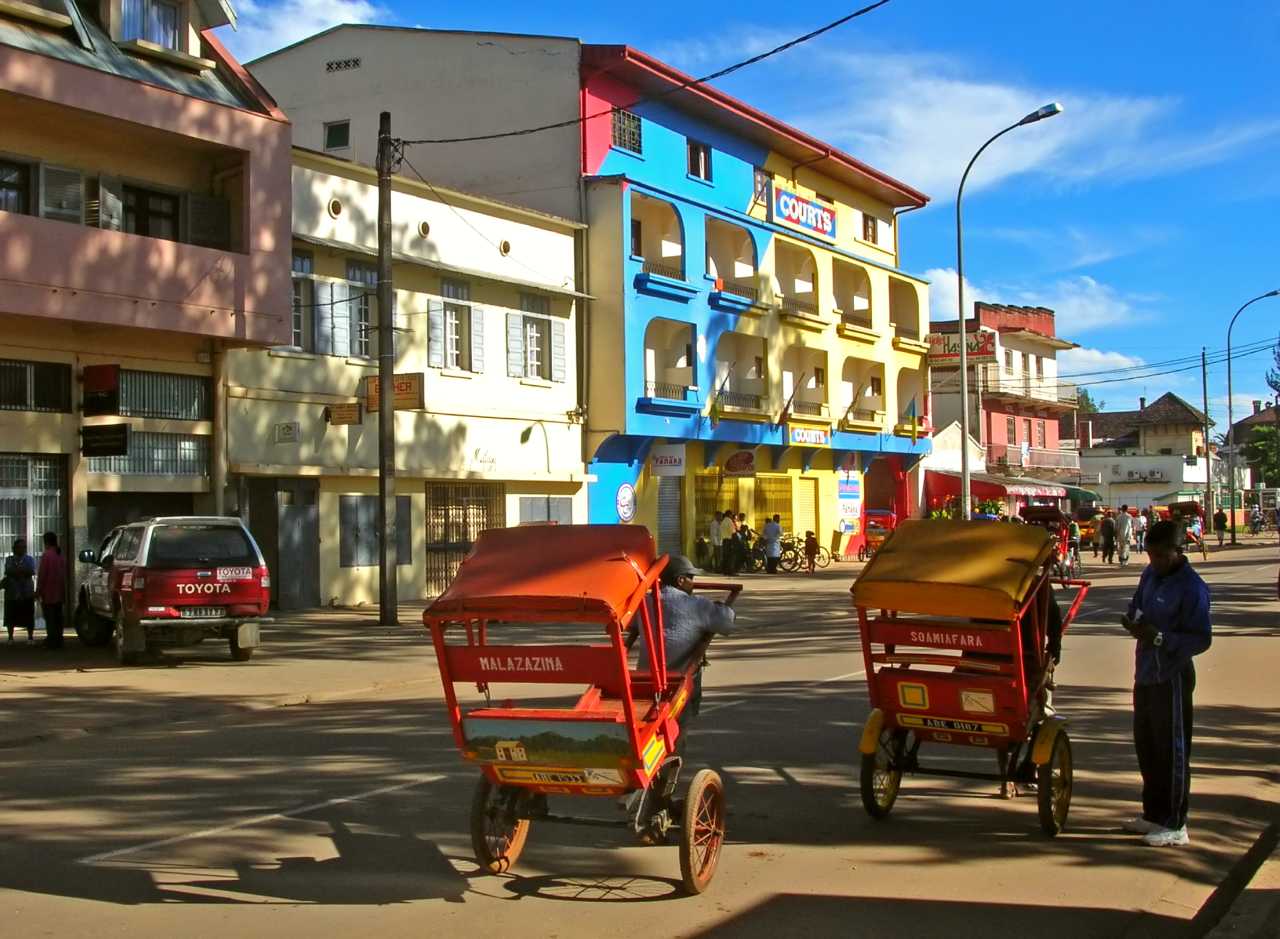
Antsirabe is a city in Madagascar known for its cooler climate and thermal springs. Visitors often enjoy the laid-back atmosphere, with colorful rickshaws and colonial architecture adding to its charm.

The city is a hub for local crafts and markets, where you can find handmade goods. The surrounding countryside offers opportunities for hiking and exploring crater lakes, making it a pleasant base for outdoor activities.

Sightseeing

Antsirabe Train Station: An interesting colonial-era building, though currently closed
Lac Tritriva: A scenic crater lake about 30 minutes from town
Lac Andraikiba: Another beautiful lake, ideal for relaxation
Local Markets: Great spots to experience local culture and shop for crafts
Thermal Springs: Known for their therapeutic properties, popular with locals and visitors alike

"Experience the charm of Antsirabe"Antsirabe

Things to do

Hike in the surrounding hills: Trails vary in difficulty, offering great views
Rent a bicycle: Explore the city and nearby areas at your own pace
Visit local craft workshops: See artisans at work and purchase unique souvenirs
Take a rickshaw ride: A fun way to navigate the city streets
Local food and drinks - Antsirabe

Local food and drinks

Crock Inn: Offers breakfast, lunch, and dinner with limited English-speaking staff
Chez Billy: French-owned restaurant, popular with tourists for lunch and dinner
Local street food: Try koba, a traditional Malagasy snack made from rice and peanuts
Thermal spring cafes: Enjoy local drinks while soaking in the thermal waters
Local traditions - Antsirabe

Local traditions

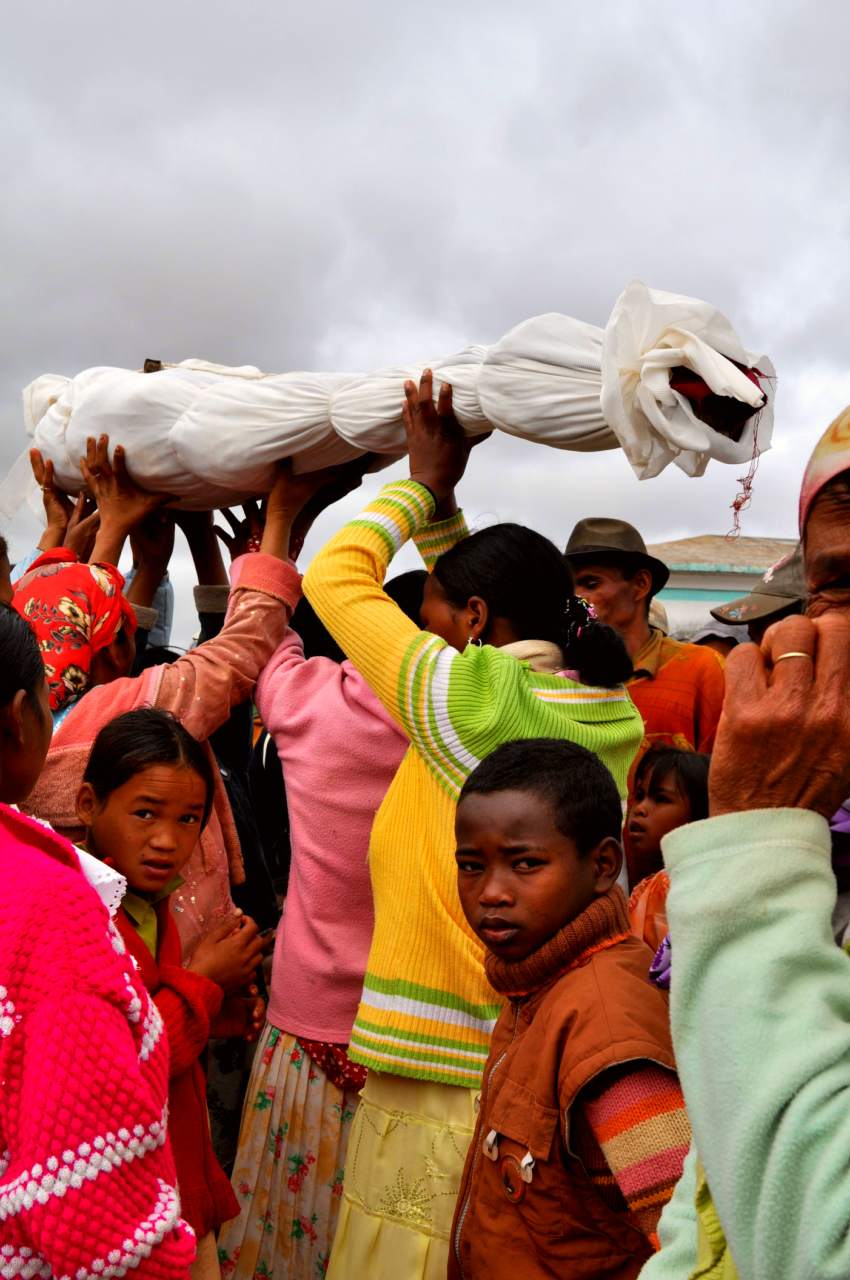
Famadihana: A traditional burial custom involving family gatherings
Local festivals: Celebrations often include music, dance, and food
Craft fairs: Regular events showcasing local artisans and their work

History

Antsirabe was founded in the 19th century, originally as a French colonial settlement. Its name means 'place of salt' in Malagasy, reflecting the area's mineral springs.

The city developed as a center for agriculture and trade, particularly known for its rice production. Today, it retains a mix of colonial architecture and local culture, making it an interesting stop for history enthusiasts.

Things to know

Public transport can be unreliable, so plan ahead
Watch out for tourist traps in markets, especially for souvenirs
Safety can be a concern at night; stick to well-lit areas
The climate is cooler, so pack accordingly, especially in winter

Do's and don'ts

Try local dishes at street stalls
Bargain politely when shopping at markets
Respect local customs and traditions
Use rickshaws for short distances to experience local transport
Don't assume everyone speaks English; learn a few phrases
Don't take photos of people without asking first
Don't wander alone in isolated areas at night
Don't rush; take time to enjoy the local pace

Good to know

Accessibility: Some areas are accessible, but many streets are uneven
Price level: mid-range

Photo: Wikipedia / Wikimedia Commons