search
search
add New trip
Madagascar

Madagascar

MG calendar_monthApr–Jun, Sep–Octbest time schedule10 daysplan for child_careYeswith kids confirmation_numberMid-rangeprice flagAntananarivocapital paymentsMalagasy Ariarycurrency translateMalagasy, Frenchlanguage
MadagascarYour own route Plan a trip here →

Madagascar offers a unique blend of landscapes and wildlife. From the Avenue of the Baobabs to the rainforests of Andasibe, the country is rich in biodiversity and culture.

In pictures

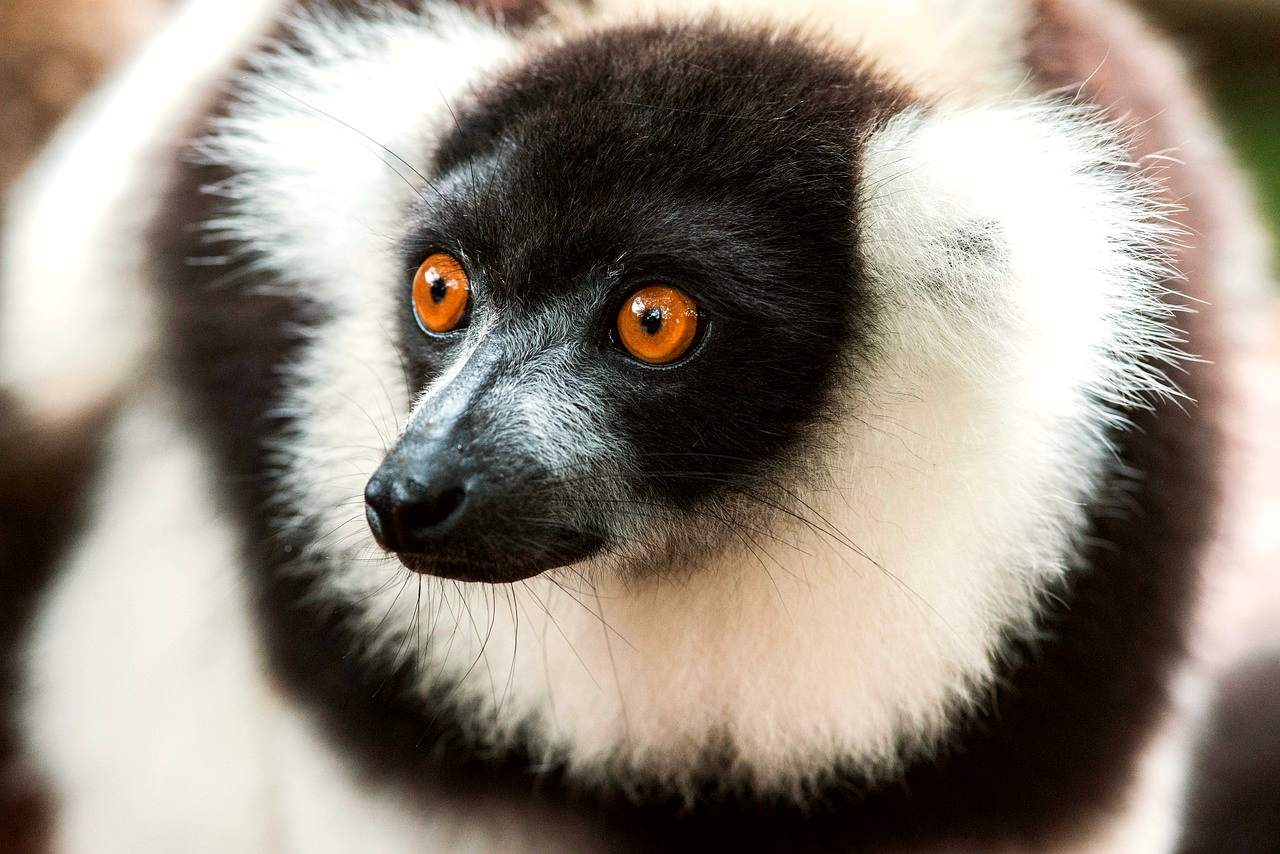
Discovering lemurs
Discovering lemurs
Antananarivo, Madagascar's capital city
Madagascar
Madagascar
Madagascar
Madagascar
Madagascar
Madagascar

Sightseeing

Avenue of the Baobabs: iconic trees lining a dirt road
Andasibe-Mantadia National Park: home to lemurs and unique flora
Isalo National Park: sandstone formations and canyons
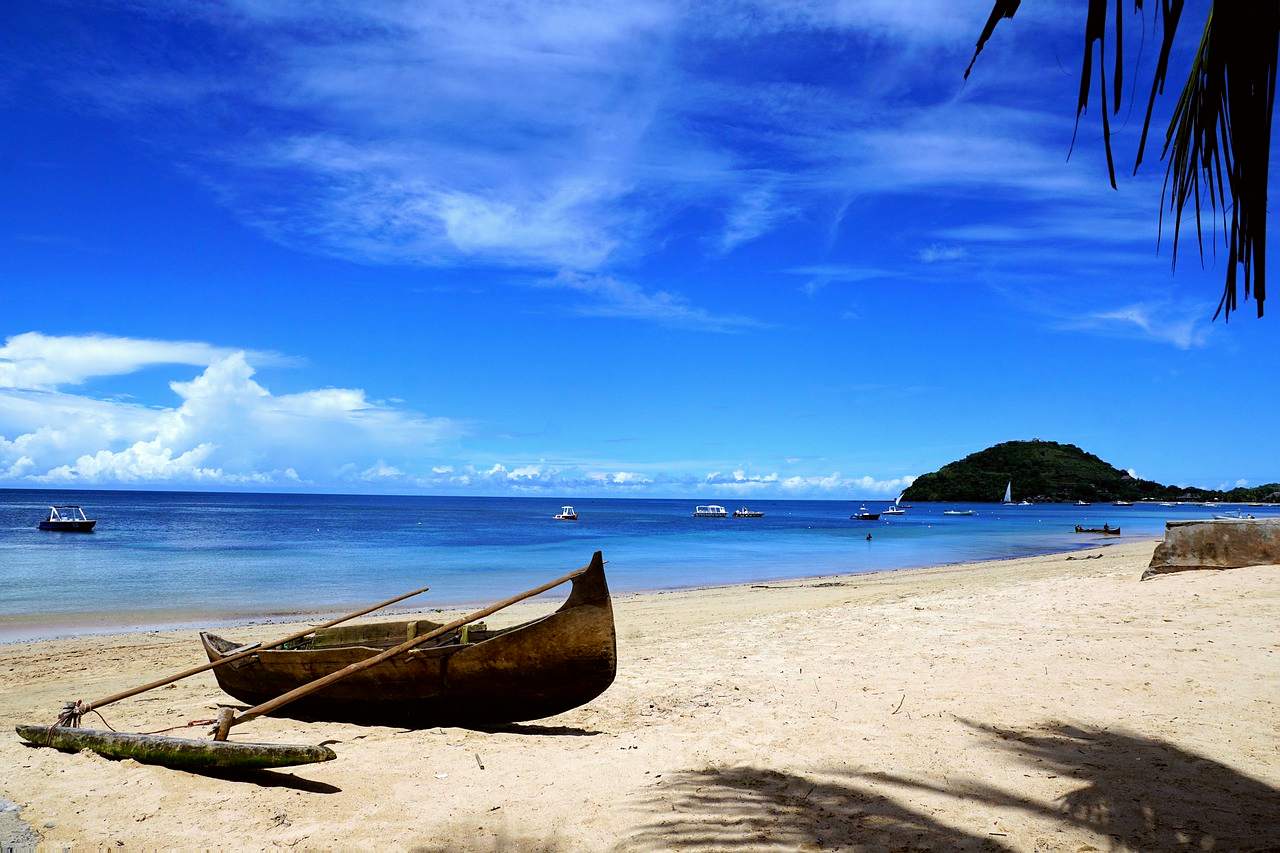
Nosy Be: popular island for beaches and diving
Antananarivo: the capital city with historical sites
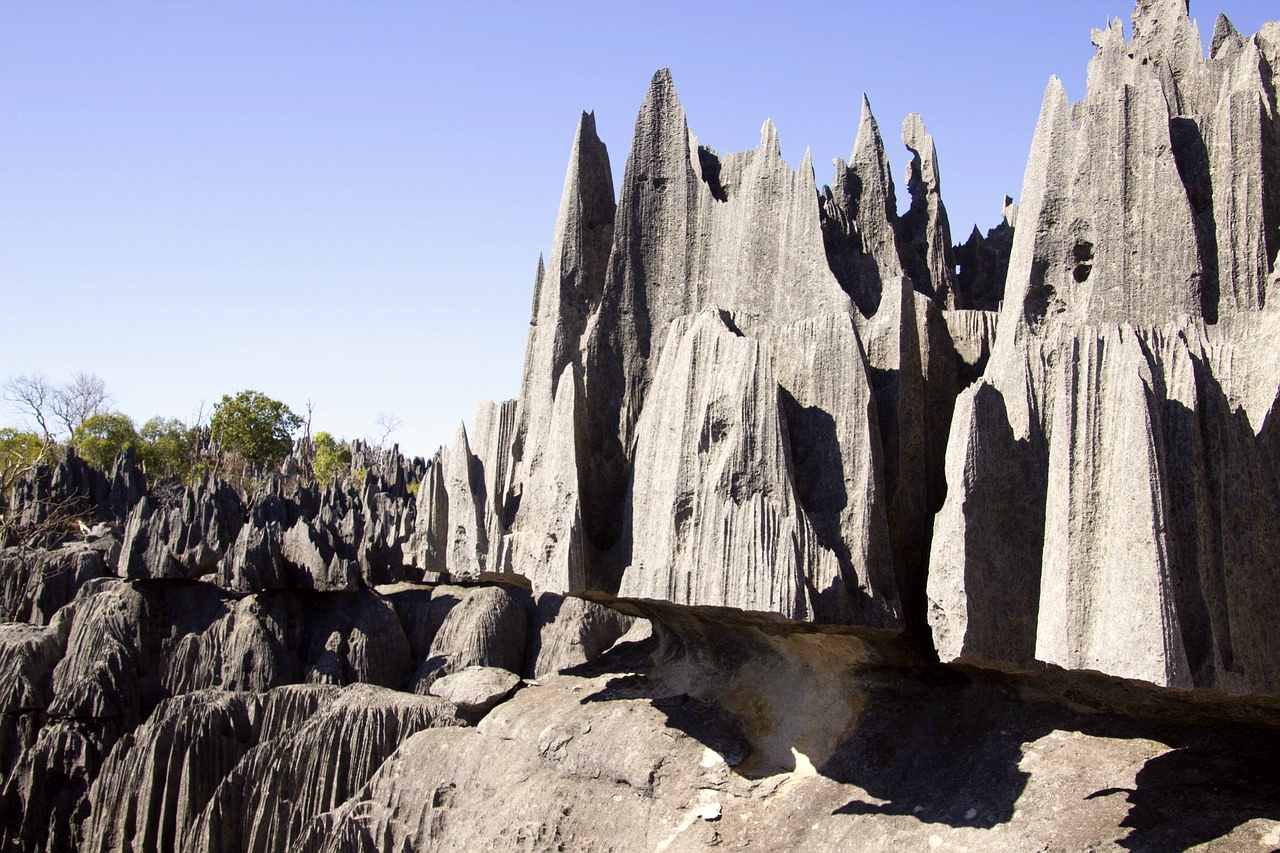
Tsingy de Bemaraha: limestone formations and rich wildlife
Ranomafana National Park: hot springs and diverse species
Ifaty: coastal village known for its coral reefs

"Explore the unique island of Madagascar"Madagascar

Things to do

Hike in Andasibe-Mantadia National Park: see lemurs in their natural habitat
Visit local markets: experience daily life and local crafts
Explore the Avenue of the Baobabs at sunset: great photo opportunities
Take a boat trip in the Pangalanes Canal: scenic waterways
Snorkel in Nosy Be: vibrant marine life and coral reefs
Attend a traditional Malagasy music performance: enjoy local culture
Local food and drinks - Madagascar

Local food and drinks

Ravitoto: pork with cassava leaves, often served in local eateries
Romazava: beef stew with greens, a staple dish in homes
Koba: a sweet snack made from rice flour and peanuts, found in markets
Ranovola: traditional rice water, enjoyed with meals
Bokoboko: a local beer, best enjoyed in social settings
Mofo gasy: Malagasy pancakes, perfect for breakfast or snacks
Local traditions - Madagascar

Local traditions

Famadihana: the turning of the bones ceremony, a unique ancestral tradition
Hira gasy: traditional Malagasy music and dance performances
Santabary: rice planting festival celebrated in rural areas
Tromba: spirit possession rituals, often performed by local shamans
Traditional weaving: a craft passed down through generations, seen in local markets

Do's and don'ts

Respect local customs and traditions
Try to learn a few words of Malagasy
Bargain politely in markets
Dress modestly, especially in rural areas
Support local artisans by purchasing handmade crafts
Don't take photos of people without permission
Don't engage in political discussions with locals
Don't assume English is widely spoken
Don't litter; keep the environment clean
Don't rush; embrace the slower pace of life
Explore the heart of Madagascar's capital

Explore the heart of Madagascar's capital

Antananarivo, often called Tana, is the capital city where you can experience Madagascar's rich culture. The streets are lined with colonial architecture and local markets. Visit the Analakely market for fresh produce and handmade crafts. The city is hilly, so be prepared for some steep walks. While the atmosphere is lively, traffic can be congested, so plan your outings accordingly. Don't miss the chance to try local dishes like romazava, a meat and vegetable stew, at a nearby eatery.

A peaceful spot in the city

A peaceful spot in the city

Lake Anosy is a serene spot in the heart of Antananarivo. The lake is surrounded by jacaranda trees, which bloom in October, creating a picturesque scene. Locals often gather here for picnics or leisurely walks. The nearby monument commemorates World War I soldiers, adding a historical touch to the area. While it is a great place to relax, be cautious of your belongings, especially during busy times. Grab a snack from a nearby vendor and enjoy the view.

Discover Madagascar's royal history

Discover Madagascar's royal history

The Rova of Antananarivo, or the Queen's Palace, is a significant historical site. The chapel's exterior showcases traditional Malagasy architecture. While the palace itself was damaged by fire, the surrounding area offers insight into the country's royal past. You can explore the ruins and enjoy panoramic views of the city. Be prepared for a steep climb to reach the site. Local guides are available to share stories about the Merina kingdom, enriching your visit.
info_outlinePracticalexpand_more
Population: 29.000.000
Best time: April to October

About Madagascar

Travelers can explore diverse ecosystems, meet local communities, and experience a slower pace of life. However, infrastructure can be challenging, and some areas are remote, requiring careful planning.

Basic information

Capital: Antananarivo
Language: Malagasy, French
Currency: Malagasy Ariary
Best time to visit: April to October

Travel information

Fly into Ivato International Airport in Antananarivo for international connections Use taxis or private drivers for local travel, as public transport is limited Road conditions vary, so plan for longer travel times Cash is preferred; ATMs are available in major cities Mobile connectivity is improving, but rural areas may have limited service

Things to know

Expect delays due to road conditions, especially during the rainy season
Be cautious of petty theft in crowded areas
Respect local customs, especially during traditional ceremonies
Some national parks require guides, so plan ahead
Language barriers may exist; learning basic Malagasy phrases helps

Good to know

Accessibility: Many areas are not wheelchair-friendly.
Price level: mid-range
history_eduHistoryexpand_more
History - Madagascar

Madagascar's history is marked by its isolation from the African mainland, leading to a unique evolution of flora and fauna. The island was settled by Austronesian and African peoples around 2000 years ago, creating a rich cultural tapestry.

In the 19th century, the Merina Kingdom unified much of the island, establishing Antananarivo as the capital. French colonization began in the late 19th century, leading to significant social and economic changes. Madagascar gained independence in 1960, but political instability has persisted since.

Photo: Wikipedia / Wikimedia Commons