search
search
add New trip

Mauritius

MU calendar_monthMay–Sepbest time schedule7 daysplan for child_careYeswith kids confirmation_numberMid-rangeprice flagPort Louiscapital ₹Mauritian Rupeecurrency
MauritiusYour own route Plan a trip here →

Mauritius is a stunning island nation in the Indian Ocean, known for its diverse culture and breathtaking landscapes. Travelers can enjoy pristine beaches, lush mountains, and vibrant coral reefs, making it a paradise for nature lovers and adventure seekers alike.

Read more

However, while the island is generally safe, travelers should be aware of occasional petty crime in tourist areas. Public transport can be limited, so renting a car is often the best way to explore the island's hidden gems.

Sightseeing

Port Louis: the bustling capital with a rich history
Le Morne Brabant: a UNESCO World Heritage site with stunning views
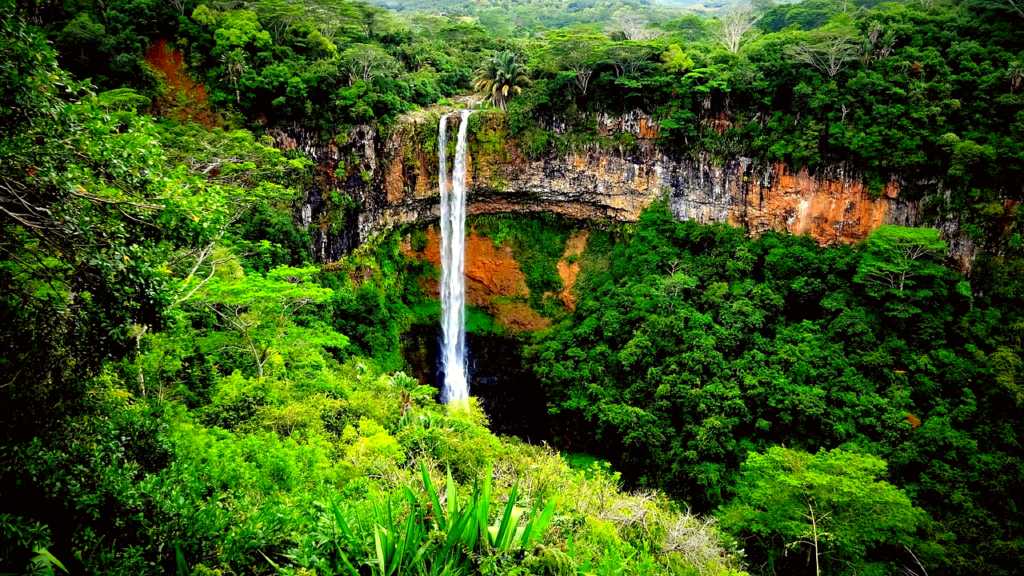
Chamarel: famous for its seven colored earths and waterfalls
Île aux Cerfs: a beautiful island known for its beaches and water sports
Black River Gorges National Park: a haven for hiking and wildlife
Pamplemousses Botanical Garden: home to giant water lilies and diverse flora
Grand Bassin: a sacred lake for Hindus with temples
Trou aux Cerfs: a dormant volcano offering panoramic views

"Paradise of the Indian Ocean"Mauritius

Things to do

Snorkeling: explore vibrant coral reefs and marine life
Hiking: trek through lush national parks and scenic trails
Dolphin Watching: take a boat trip to see dolphins in their natural habitat
Cultural Tours: visit local markets and learn about the island's history
Water Sports: try kitesurfing, windsurfing, or parasailing
Golfing: play on world-class golf courses with stunning views
Spa Treatments: indulge in relaxation at luxury resorts
Culinary Classes: learn to cook traditional Mauritian dishes
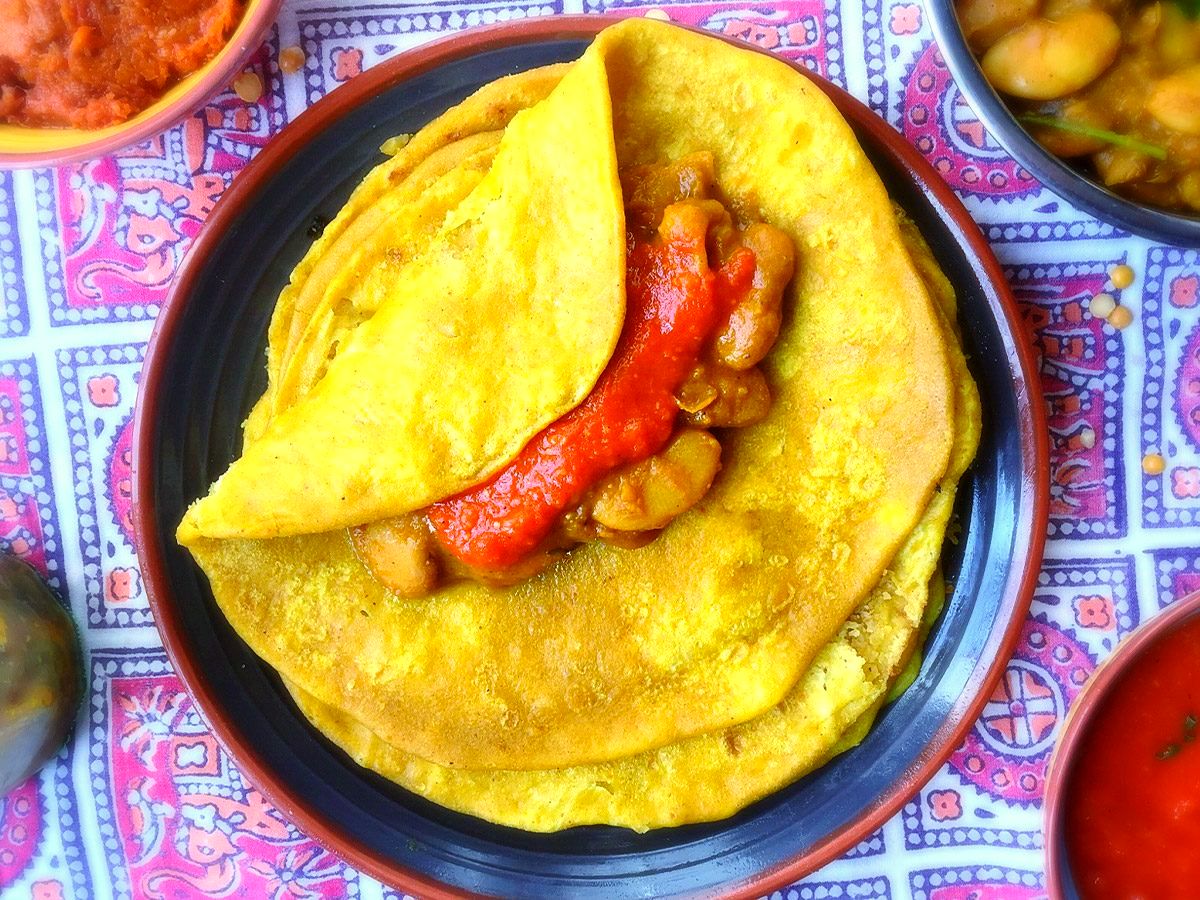
Local food and drinks - Mauritius Wikimedia Commons · Public domain

Local food and drinks

Dholl Puri: a popular street food made of flatbread filled with split peas, best enjoyed at local stalls
Rougaille: a spicy tomato-based dish often served with fish or meat, try it at local restaurants
Biryani: a flavorful rice dish with meat and spices, commonly found in Indian restaurants
Alouda: a refreshing drink made with basil seeds and milk, perfect for hot days
Gajak: local snacks like samosas and bhajis, available at markets
Mauritian Rum: sample the local rum at distilleries or bars

Local traditions

Diwali: the festival of lights celebrated with fireworks and sweets
Holi: the colorful festival marking the arrival of spring
Chinese New Year: celebrated with dragon dances and traditional foods
Mauritian Sega: a traditional dance and music style reflecting the island's heritage
Creole Heritage Day: a celebration of the Creole culture with music, dance, and food

Do's and don'ts

Respect local customs and traditions
Try to learn a few words of Creole or French
Dress modestly when visiting religious sites
Negotiate prices at markets and street vendors
Support local businesses and artisans
Don't take photos of people without permission
Don't engage in public displays of affection
Don't assume everyone speaks English; French and Creole are more common
Don't litter; keep the island clean
Don't rush; embrace the laid-back pace of life

A city of contrasts and colors

Port Louis, the capital of Mauritius, is a blend of modernity and tradition. The skyline features a mix of colonial buildings and contemporary architecture. Stroll through the streets to see the vibrant markets, where you can find everything from spices to textiles. The Caudan Waterfront offers shops and restaurants with views of the harbor. Keep an eye on your belongings, as petty crime can occur in crowded areas. Visiting during the cooler months from May to September can make your exploration more comfortable.

A taste of local culture

Champ de Mars is the oldest racecourse in the Southern Hemisphere, located in Port Louis. On race days, the atmosphere is electric, with locals gathering to cheer for their favorite horses. Enjoy a plate of dholl puri from a nearby vendor, a popular local dish made of flatbread filled with split peas. The area is lively, but be cautious of your surroundings, especially on busy race days. If you prefer a quieter experience, visit during the week when the crowds are smaller.

A peaceful retreat in the city

The Company Gardens in Port Louis offer a serene escape from the city's hustle. This lush park features a variety of tropical plants and trees, perfect for a leisurely stroll or a picnic. Look for the giant tortoises and the beautiful statues scattered throughout the gardens. While it is generally safe, be mindful of your belongings, especially if you visit during busy hours. Early mornings are ideal for a peaceful visit, allowing you to enjoy the gardens before the heat of the day.

Practical

At a glance

Population
1.260.000
Best time
May to December
Accessibility
Many areas are accessible, but some natural sites may pose challenges.
Price level
Mid-range

Basic information

Capital: Port Louis
Language: English, French, Mauritian Creole
Currency: Mauritian Rupee
Best time to visit: May to December

Travel information

Fly into Sir Seewoosagur Ramgoolam International Airport, located about 48 km from Port Louis. Renting a car is advisable for exploring the island, as public transport is not very reliable. Credit cards are widely accepted, but it is wise to carry cash for small purchases, such as a plate of dholl puri from a street vendor. Mobile connectivity is generally good, with several local SIM options available. Roads are mostly in good condition, but be cautious of local driving habits, especially in rural areas where roads can be narrow and winding.

Things to know

Public transport options are limited outside of major towns like Port Louis and Curepipe.
Keep an eye on your belongings in crowded places, especially markets in Grand Baie.
Some attractions, such as the Pamplemousses Botanical Garden, may have restricted hours or require advance booking during busy seasons like July and August.
Be mindful of local customs, particularly during religious festivals such as Thaipoosam Cavadee, which usually falls in January or February.
Tipping is appreciated but not mandatory; rounding up the bill is a common practice.
history_eduHistoryexpand_more

Mauritius was uninhabited until the Dutch arrived in the 16th century, followed by the French and British who shaped its cultural landscape. The island became a key stop for ships traveling to India and was known for its sugar plantations, which relied heavily on slave labor until the abolition of slavery in 1835.

Post-independence in 1968, Mauritius transitioned to a stable democracy and has since developed a diverse economy. The blend of cultures, including African, Indian, Chinese, and European influences, creates a unique social fabric that is evident in the island's traditions and daily life.

Photo credits (1)