search
search
add New trip
Aït Benhaddou

Aït Benhaddou

sosinda · Pixabay
sosinda · Pixabay
calendar_monthMar–May, Sep–Novbest time schedule2 daysplan for directions_car3 h 19from Marrakech child_careYeswith kids confirmation_numberMid-rangeprice
Aït BenhaddouYour own route Plan a trip here →

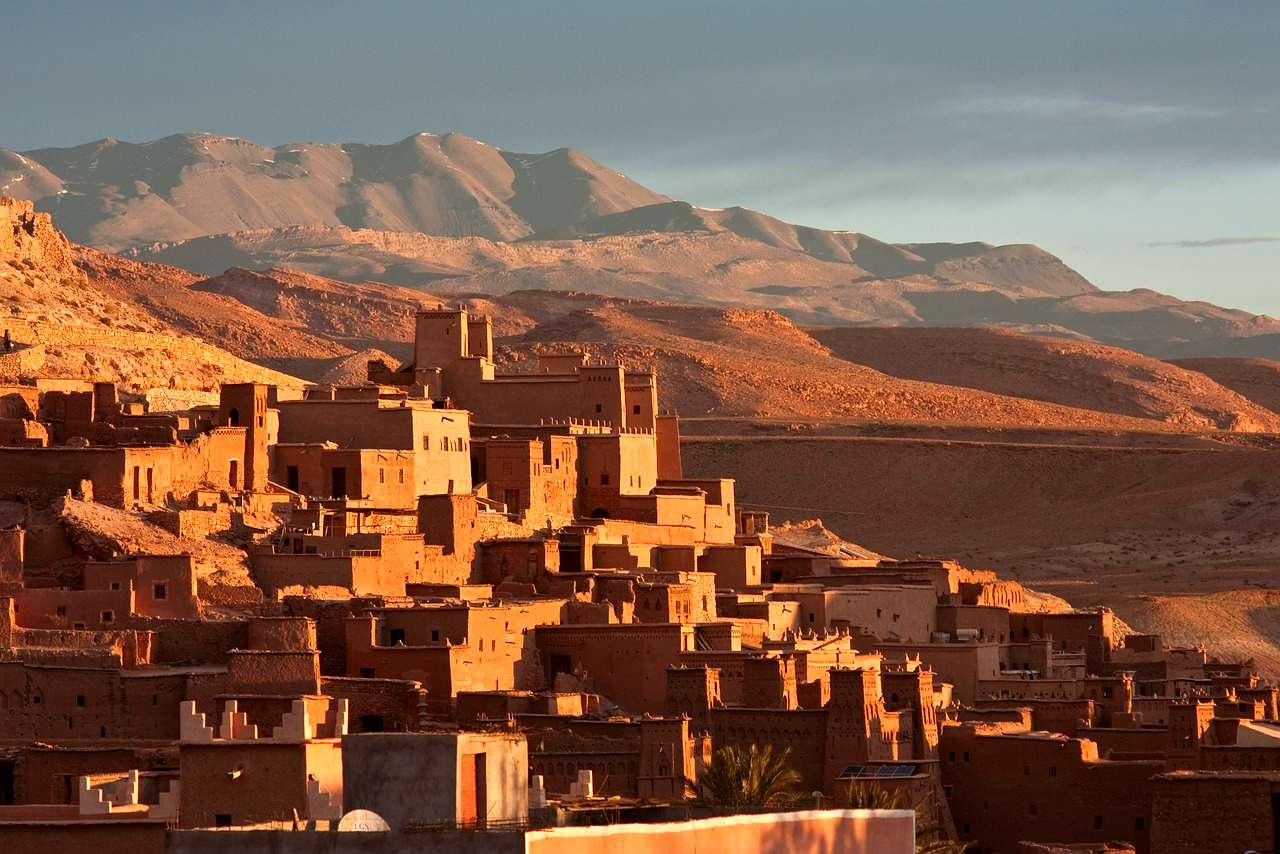
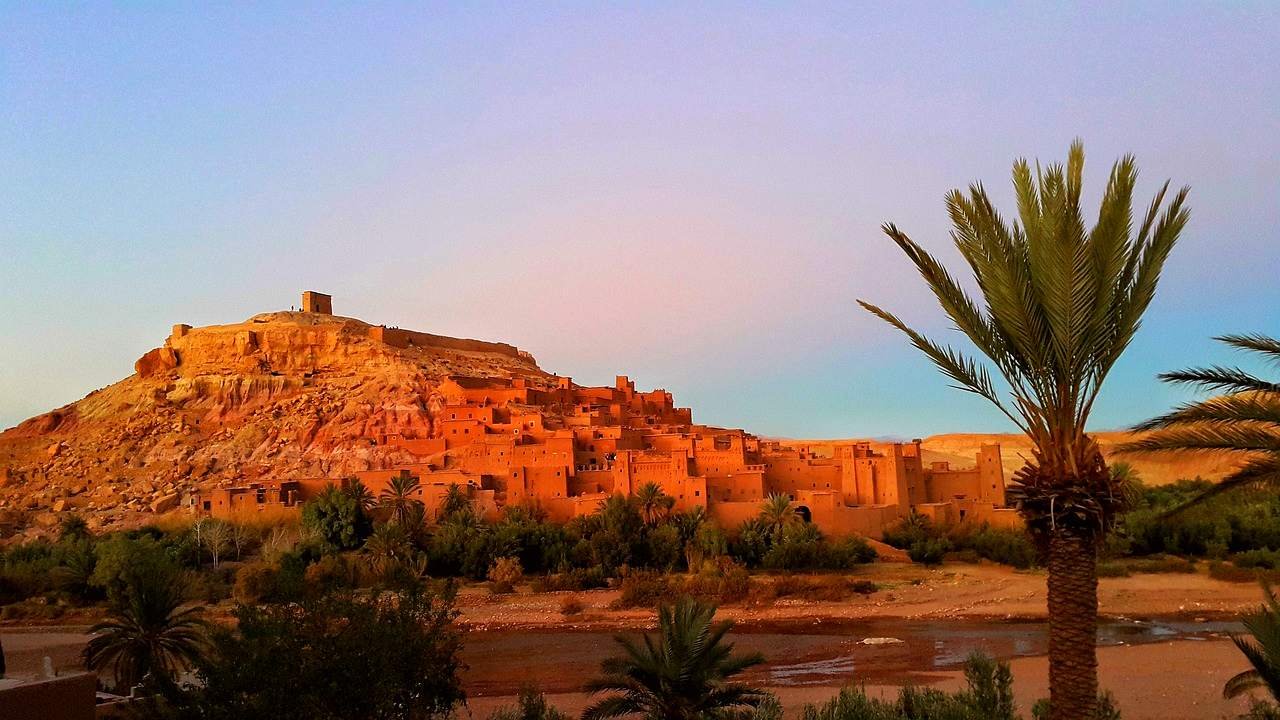
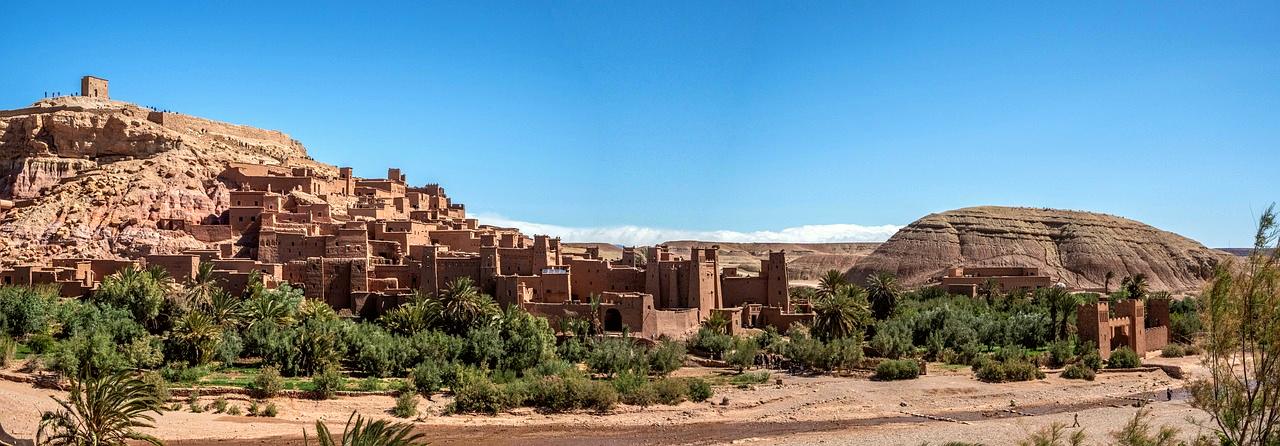
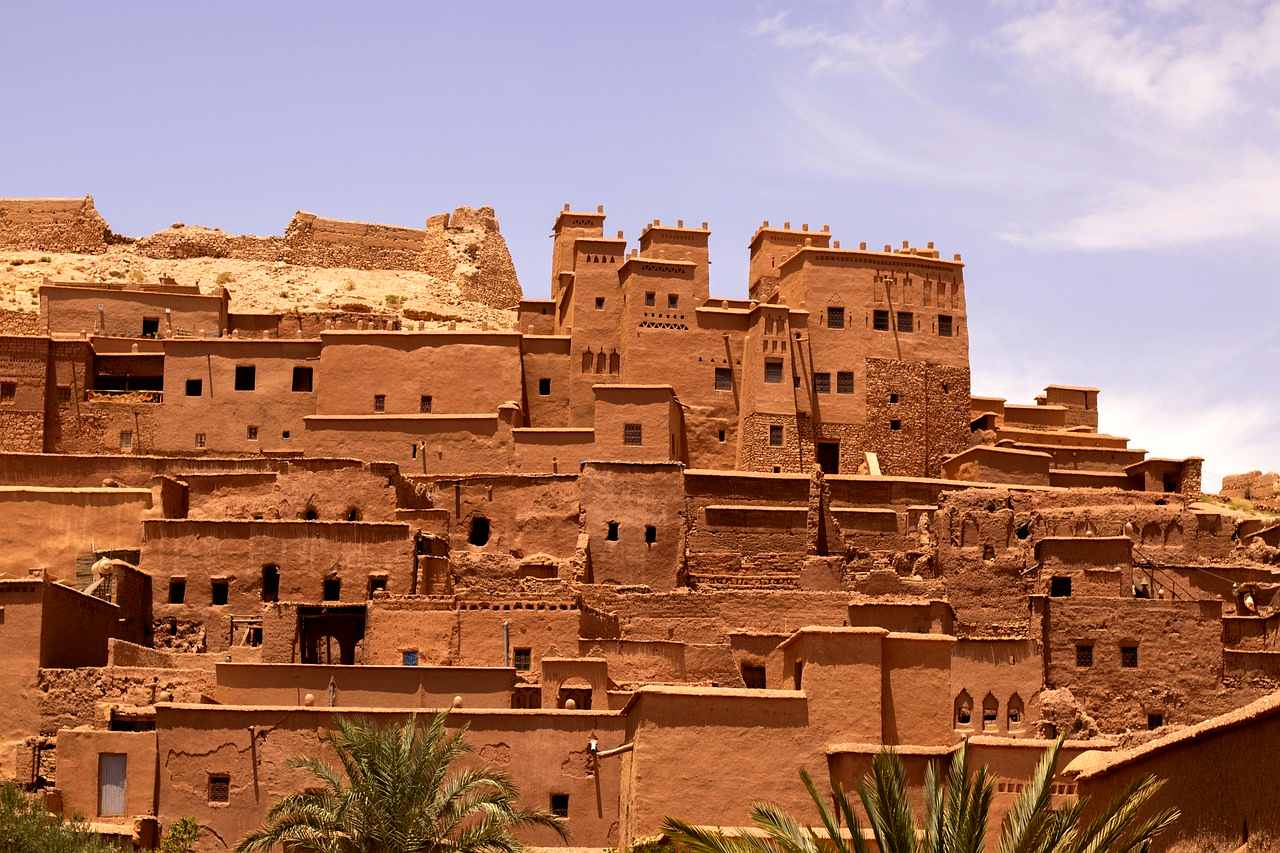
Aït Benhaddou is a striking earthen village along the former caravan route between the Sahara and Marrakech. Its kasbahs, built from clay and straw, rise dramatically against the backdrop of the Atlas Mountains, creating a unique landscape that feels like stepping into a film set.

Read more

Visitors often find themselves wandering through narrow alleys, admiring the intricate architecture. The village's charm lies in its authenticity, with local artisans still practicing traditional crafts, making it a fascinating place to explore.

Routes through here

Every route opens in the planner as your own copy: change any stop, any night.

In pictures

Aït Benhaddou JimboChan · Pixabay
Aït Benhaddou matressa · Pixabay
Aït Benhaddou YakupIpek · Pixabay

Sightseeing

Ksar of Aït Benhaddou: a UNESCO World Heritage site known for its traditional mud-brick architecture
Aït Benhaddou Kasbah: a well-preserved fortress offering panoramic views
Atlas Film Studios: a film studio where many famous movies were shot
Ouarzazate: the nearby city known as the gateway to the Sahara
Tizi n'Tichka Pass: a scenic mountain pass with breathtaking views

"Experience the charm of ancient Morocco"Aït Benhaddou

Things to do

Explore the kasbahs: wander through the ancient structures and learn about their history.
Hike the surrounding hills: enjoy views of the village and the Atlas Mountains.
Visit local artisans: see traditional crafts being made, from pottery to weaving.
Take a guided tour: learn about the culture and history from knowledgeable locals.
Don't miss trying a tagine at a local eatery, it’s a staple dish here.

Local food and drinks

Tagine: a slow-cooked stew served in a traditional clay pot
Couscous: a staple dish often served on Fridays with vegetables and meat
Mint tea: a sweet, refreshing drink enjoyed throughout the day
Local bakeries: try fresh bread baked in communal ovens
Street food: sample snacks like grilled skewers and pastries from local vendors

Local traditions

Friday prayers: a significant day for the local community
Aïd al-Adha: a major Islamic festival celebrated with feasting and family gatherings
Harvest festivals: locals celebrate the harvest season with traditional music and dance
Craft fairs: showcase local artisans and their handmade goods

Do's and don'ts

Try local dishes at family-run restaurants
Respect local customs and dress modestly
Take your time exploring the village's narrow streets
Engage with local artisans and learn about their crafts
Don't take photos of locals without asking for permission
Don't wander off the main paths alone, especially at night
Don't rush your visit; the village is best enjoyed slowly
Don't forget to bring water, especially during hot months

Explore the ancient kasbahs of Aït Benhaddou

The kasbahs of Aït Benhaddou are a sight to behold. Made from clay and straw, these structures have stood the test of time. As you wander through the narrow alleys, take a moment to appreciate the craftsmanship that has gone into each building. The intricate designs and textures tell stories of the past. Climb to the top of the hill for a panoramic view of the village and the surrounding Atlas Mountains. The best time to visit is during the early morning or late afternoon when the light casts beautiful shadows on the walls.

Experience local craftsmanship in the village

Aït Benhaddou is alive with the sounds of artisans at work. As you stroll through the village, you might encounter potters shaping clay or weavers creating beautiful textiles. These crafts are not just for show; they are a vital part of the local economy. Consider purchasing a handmade item as a souvenir. It supports the artisans and gives you a piece of Aït Benhaddou to take home. Engage with the locals, and you may learn about their techniques and traditions, which have been passed down through generations.

Taste traditional Moroccan dishes

Food is an essential part of the Aït Benhaddou experience. Try a tagine, a slow-cooked stew that can be made with chicken, lamb, or vegetables. The flavors are rich and often enhanced with spices like saffron and cumin. Many local restaurants offer this dish, served with fresh bread. Don't miss out on mint tea, a staple in Moroccan culture. It is sweet and refreshing, perfect after a day of exploring. Be prepared for a leisurely meal, as dining here is often a social affair.

Practical

At a glance

Founded
11th century
Population
1.500
Accessibility
Some areas have steep paths and uneven surfaces
Price level
Mid-range

Things to know

Be cautious of local guides who may charge high fees for tours.
Transport options are limited; consider hiring a car or joining a tour.
The village can be crowded during peak tourist seasons, especially in July and August.
Bring cash, as many places do not accept credit cards.
Note that temperatures can drop significantly at night, even in summer.
history_eduHistoryexpand_more

Aït Benhaddou dates back to the 11th century, serving as a vital stop for traders crossing the Sahara. Its strategic location allowed it to flourish as a trading post, connecting various regions of Morocco.

Over the centuries, the village has witnessed numerous historical events, including invasions and the rise of dynasties. Today, it stands as a testament to Morocco's rich cultural heritage, attracting visitors from around the world.

Photo: sosinda · Pixabay Content License · Pixabay

Photo credits (3)