search
search
add New trip
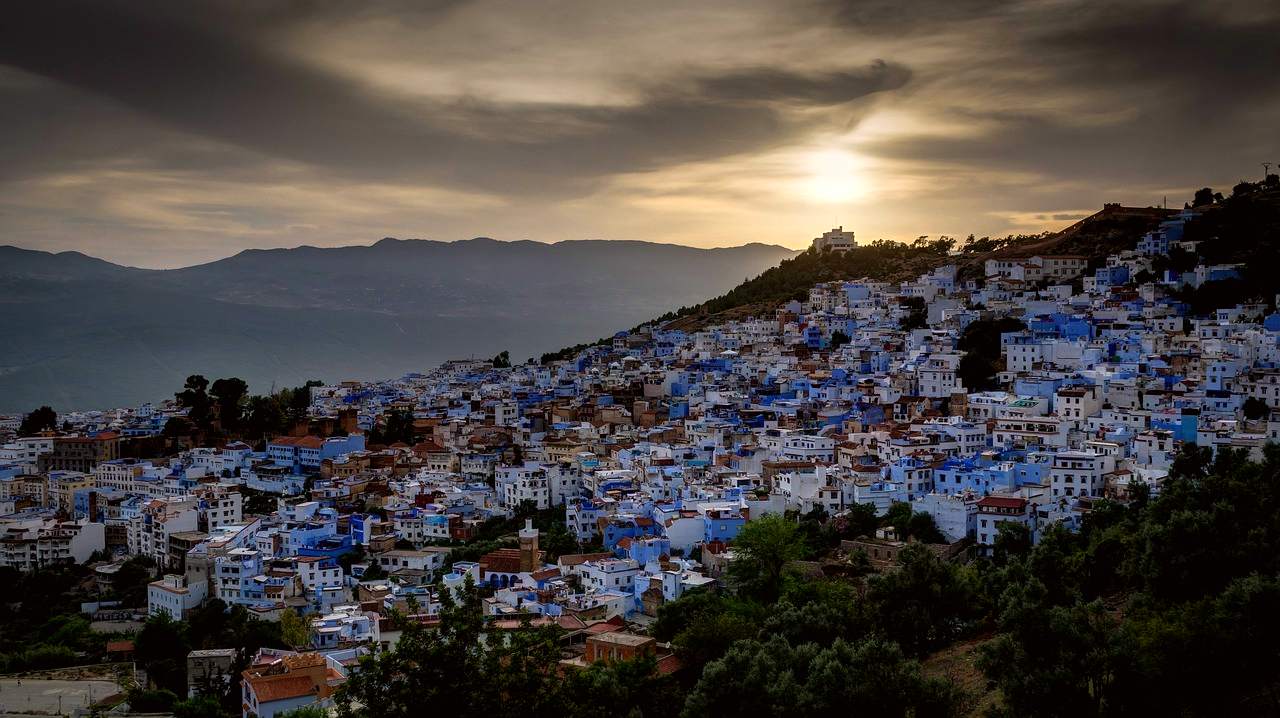
Chefchaouen

Chefchaouen

motamid2006 · Pixabay
calendar_monthMar–May, Sep–Novbest time schedule3 daysplan for directions_car3 h 56from Fès child_careYeswith kids confirmation_numberMid-rangeprice
ChefchaouenYour own route Plan a trip here →

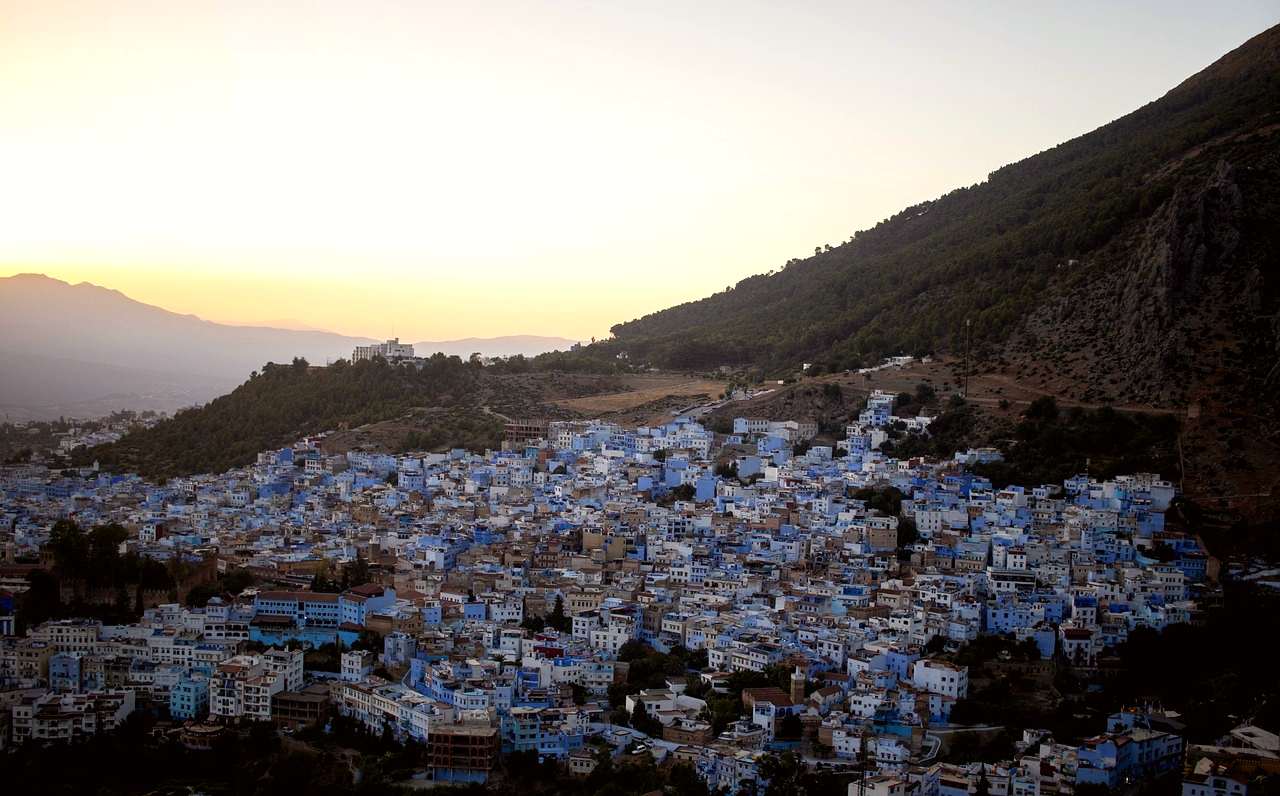
Chefchaouen, known as the Blue Pearl of Morocco, enchants visitors with its vibrant blue-washed buildings and stunning mountain backdrop. The atmosphere is relaxed, making it a perfect spot for leisurely strolls through narrow, winding streets filled with artisan shops and cafes.

Read more

The town's unique charm lies in its blend of Berber, Arab, and Spanish influences, creating a rich cultural tapestry. While the scenery is breathtaking, be prepared for a slower pace of life, where time seems to stand still and the beauty of simplicity reigns.

Routes through here

Every route opens in the planner as your own copy: change any stop, any night.

In pictures

Chefchaouen hnhiri · Pixabay
Chefchaouen YakupIpek · Pixabay
Chefchaouen JanSimons · Pixabay

Sightseeing

Ras El Maa: a scenic waterfall just outside the medina
Kasbah Museum: a glimpse into local history and culture
Plaza Uta el-Hammam: the heart of the town, perfect for people-watching
Spanish Mosque: offers panoramic views of Chefchaouen
Medina: a maze of blue streets and local shops

"Discover the Blue Pearl of Morocco"Chefchaouen

Things to do

Hike in the Rif Mountains: trails lead to scenic views and diverse landscapes.
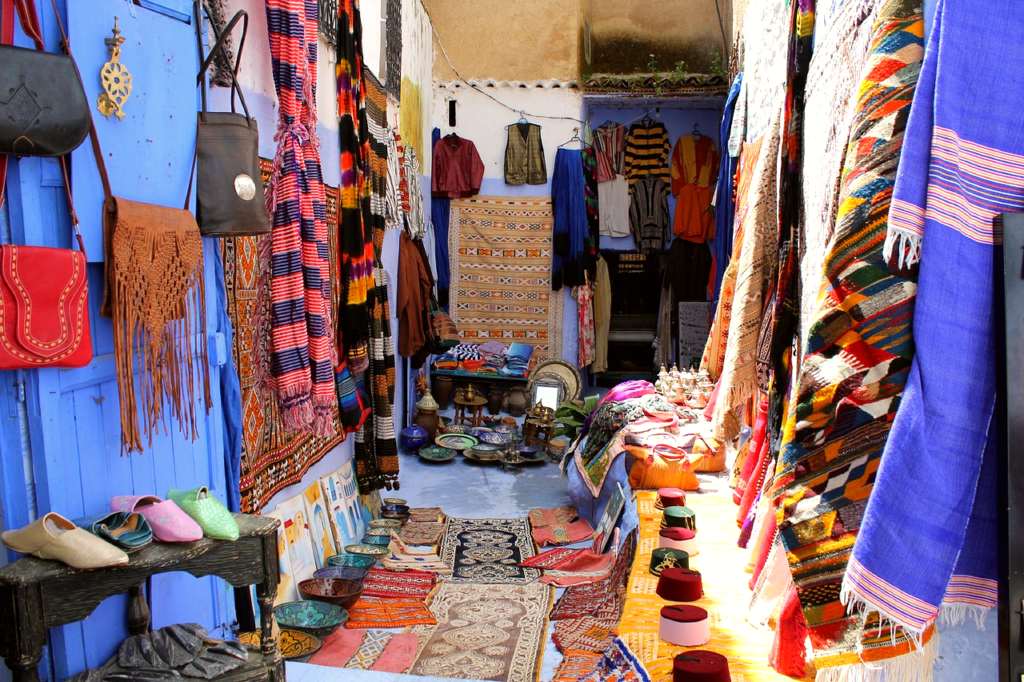
Explore local markets: find unique handicrafts, including woven blankets and pottery.
Visit the Ras El Ma waterfalls: enjoy a peaceful retreat by the flowing water.
Take a cooking class: learn to prepare traditional Moroccan dishes like tagine and couscous.
Don't miss the Kasbah in Outa Hammam square, which offers a glimpse into the town's history for 80 dirham.

Local food and drinks

Tagine: a slow-cooked stew, a must-try
Couscous: fluffy grains served with vegetables and meat
Mint tea: a refreshing local beverage, often served with hospitality
Restaurant Casa Aladdin: known for its cozy atmosphere and local dishes
Cafe Clock: a popular spot for both food and cultural events

Local traditions

Festival of the Blue: celebrates local art and culture
Ramadan: a month of fasting and community gatherings
Berber weddings: colorful celebrations filled with music and dance
Traditional crafts: weaving and pottery are still practiced today

Do's and don'ts

Take your time exploring the medina
Try to learn a few words of Arabic or Berber
Respect local customs and dress modestly
Bargain politely when shopping in markets
Don't rush your visit; enjoy the slow pace
Don't take photos of locals without permission
Don't expect nightlife; the town is quiet at night
Don't ignore the local customs and traditions

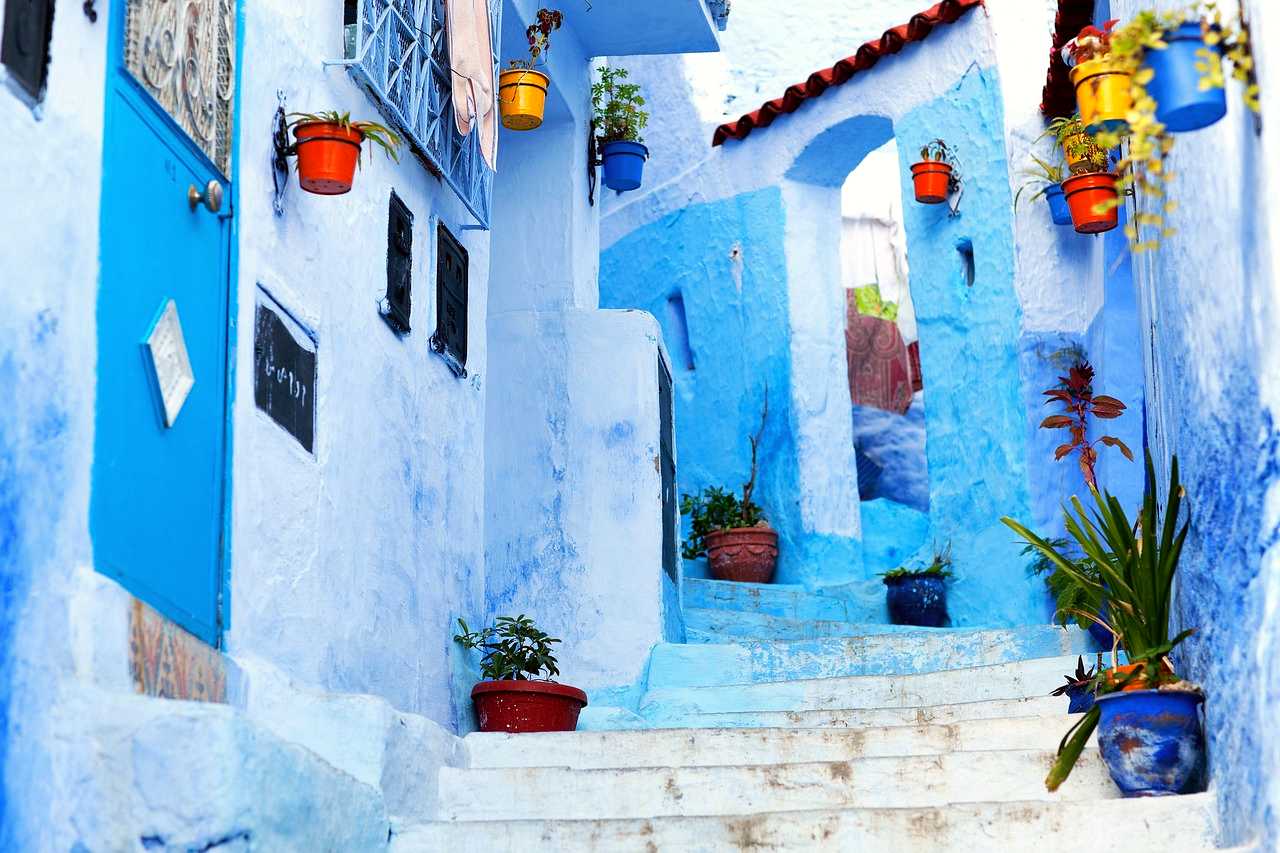
Wander the blue streets of Chefchaouen

The narrow streets of Chefchaouen are painted in various shades of blue, creating a serene atmosphere. As you stroll through the alleys, take note of the intricate doorways and the occasional splash of colorful flowers. The town’s layout encourages exploration, with each turn revealing a new perspective of the mountains. Stop by a local café for a refreshing mint tea, and enjoy the slow pace of life. This is a place where you can truly appreciate the beauty of simplicity.

Experience local culture in the medina

Chefchaouen's medina is a lively blend of shops and stalls selling handmade crafts, textiles, and spices. As you wander through, you might hear the sounds of artisans at work, creating beautiful pottery or weaving traditional rugs. The local markets are a great place to practice your bargaining skills. Be sure to try a plate of tagine, a slow-cooked stew that reflects the region's culinary traditions. Engaging with the locals can provide insight into their way of life and the town's rich history.

Taste the flavors of Chefchaouen

Dining in Chefchaouen offers a chance to savor local flavors. Restaurants often feature dishes made with fresh ingredients, such as couscous and grilled meats. Look for places that serve harira, a traditional Moroccan soup, especially during cooler months. The dining experience is often casual, allowing you to enjoy your meal while taking in the surrounding views. Don't forget to try a slice of local goat cheese, which pairs well with the region's bread.

Practical

At a glance

Founded
1471
Population
42.000
Accessibility
Some areas are steep and uneven
Price level
Mid-range

Things to know

Be cautious of aggressive sales tactics in markets.
Public transport can be limited; consider walking or using taxis.
Some areas may have steep inclines, which can be challenging for those with mobility issues.
Watch for pickpockets in crowded areas, especially during peak tourist seasons.
As of 2023, be aware that the marijuana culture is prevalent, and while it's tolerated, it can attract unwanted attention from touts.
history_eduHistoryexpand_more

Founded in 1471 as a fortress to fight Portuguese invasions, Chefchaouen has a rich history intertwined with Berber culture. The town became a refuge for Muslims and Jews fleeing Spain during the Reconquista, which influenced its architecture and traditions.

Over the centuries, Chefchaouen evolved into a vibrant center for trade and craftsmanship. Its distinctive blue color, believed to symbolize peace and spirituality, was introduced by Jewish refugees in the 1930s, making the town a unique cultural landmark in Morocco.

Photo: motamid2006 · Pixabay Content License · Pixabay

Photo credits (3)