
search
search
add New trip
Fès

Fès

Monlaw · Pixabay
Monlaw · Pixabay
calendar_monthMar–May, Sep–Novbest time schedule3 daysplan for child_careYeswith kids confirmation_numberMid-rangeprice
FèsYour own route Plan a trip here →

Fès is a city where history and culture intertwine. The medina, a UNESCO World Heritage site, is a maze of narrow streets filled with artisans, shops, and the scent of spices. The vibrant atmosphere invites exploration, with each corner revealing a piece of the city's rich past.

Read more

Visitors often find themselves captivated by the intricate architecture and the lively souks. The sound of craftsmen at work and the aroma of traditional dishes create a unique sensory experience. However, navigating the winding alleys can be challenging, so a good map or guide is helpful.

Routes through here

Every route opens in the planner as your own copy: change any stop, any night.

In pictures

Fès Giselleinmotion · Pixabay
Fès Neverlan · Pixabay

Sightseeing

Medina of Fès: a UNESCO World Heritage site with narrow streets
Bou Inania Madrasa: a stunning example of Marinid architecture
Al-Attarine Madrasa: known for its intricate tile work
Dar Batha Museum: showcases Moroccan arts and crafts
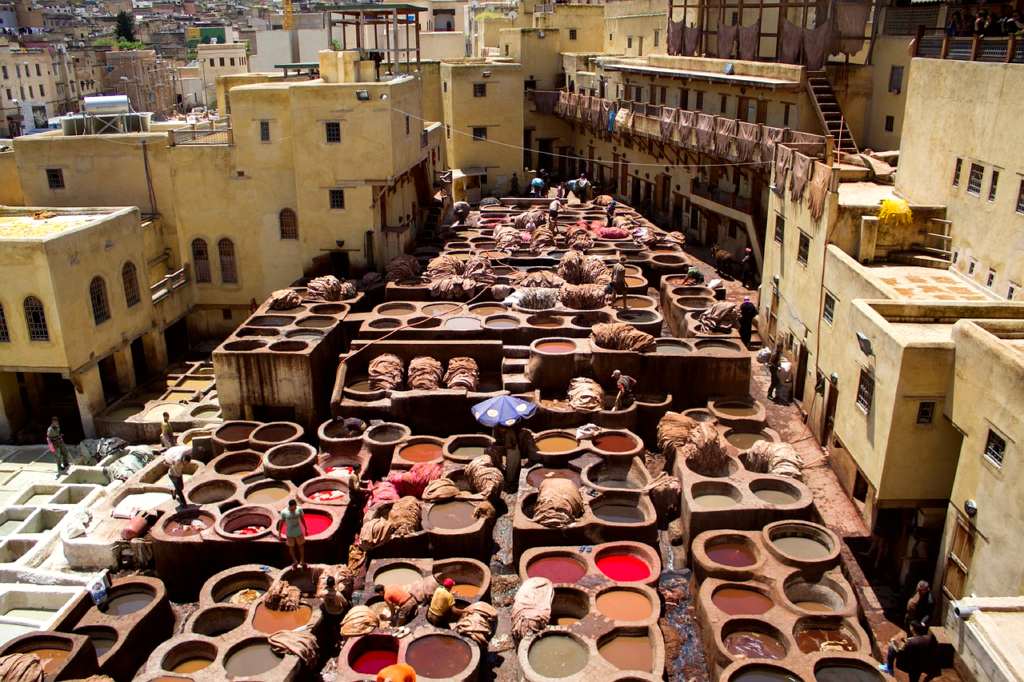
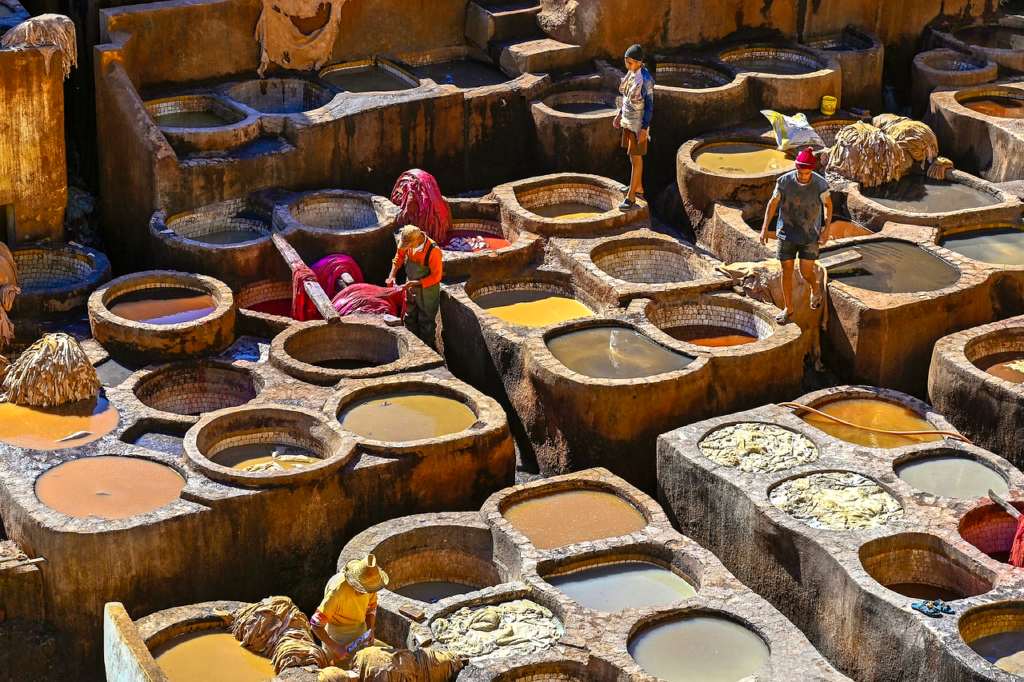
Tannery Chouara: one of the oldest tanneries in the world
Kairaouine Mosque: one of the oldest universities in the world
Royal Palace: impressive gates and beautiful gardens
Borj Nord: offers panoramic views of the city

"Experience the heart of Moroccan culture"Fès

Things to do

Explore the souks: shop for spices like saffron, textiles, and pottery.
Visit the tanneries: observe traditional leather-making processes, especially in the Chouara Tannery.
Take a guided tour: learn about the city's history and culture from a local expert.
Attend a local cooking class: discover how to make tagine or couscous.
Wander through the medina: get lost in the maze of narrow streets and alleys.
Local food and drinks - Fès Wikimedia Commons · Public domain

Local food and drinks

B'stilla: a savory pie filled with pigeon and almonds
Harira: a traditional Moroccan soup, especially during Ramadan
Tagine: slow-cooked stew with meat and vegetables
Mint tea: a staple drink, often served with pastries
Cafe Clock: a popular spot for local dishes and events

Local traditions

Moussem of Moulay Idriss: a religious festival held annually
Ramadan: a month of fasting and nightly feasts
Aïd al-Adha: celebrated with communal prayers and feasting
Henna ceremonies: a traditional practice for weddings and celebrations

Do's and don'ts

Try local dishes: sample the authentic flavors of Fès
Respect local customs: dress modestly, especially in religious sites
Learn a few Arabic phrases: locals appreciate the effort
Take your time: enjoy the slow pace of life in the medina
Don't take photos of people without permission
Don't rush through the souks: enjoy the experience
Don't ignore local etiquette: be polite and respectful
Don't rely solely on GPS: the medina can be confusing

Gateway to the Medina's Rich History

Bab Bou Jeloud is the main entrance to Fès' medina. This blue and green tiled gate is a striking introduction to the city’s rich history. As you pass through, the sounds of artisans crafting leather goods and the scent of fresh mint tea fill the air. The surrounding streets are lined with shops selling everything from intricate pottery to handwoven textiles. Be prepared for a sensory overload, but also for the challenge of navigating the narrow alleys. A local guide can help you uncover the stories behind the architecture and the traditions that have shaped this city.

A Center of Knowledge and Faith

Al-Qarawiyyin University is one of the oldest universities in the world, founded in 859 AD. The mosque's courtyard is a peaceful retreat from the bustling streets outside. Here, you can admire the intricate tile work and the serene atmosphere. Students often gather to study, and the echoes of their discussions add to the ambiance. While visiting, be mindful of prayer times, as the mosque is an active place of worship. This site offers a glimpse into the scholarly traditions that have flourished in Fès for centuries.

A Green Oasis in the City

Jnan Sbil is a public garden that provides a refreshing escape from the medina's chaos. With its winding paths, fountains, and diverse plant life, it invites visitors to relax and unwind. Locals often come here for a morning stroll or to enjoy a quiet moment with a book. The garden is especially beautiful in spring when flowers bloom and the air is filled with their fragrance. Bring a snack and find a bench to enjoy the peaceful surroundings. Just remember that the garden can get busy on weekends, so visiting during the week is a good idea.

Practical

At a glance

Founded
789 AD
Population
1.200.000
Accessibility
The medina has steep streets and uneven paths.
Price level
Mid-range

Things to know

Be cautious in the medina: pickpockets are common.
Bargaining is expected: prices in souks are negotiable.
Public transport can be limited: taxis are often the best option.
Visit during the cooler months of October to April: summer temperatures can exceed 40 degrees Celsius.
history_eduHistoryexpand_more

Fès was founded in the 8th century by Idris I, making it one of the oldest cities in Morocco. It quickly became a center of learning and culture, with the establishment of the University of Al Quaraouiyine in 859 AD, recognized by UNESCO as the oldest existing degree-granting university in the world.

Over the centuries, Fès has been a hub for trade and scholarship, attracting scholars and merchants from across the Islamic world. The city's architecture reflects its rich history, with influences from various dynasties, including the Almoravids and the Marinids.

Photo: Monlaw · Pixabay Content License · Pixabay

Photo credits (3)