search
search
add New trip
Rabat

Rabat

calendar_monthMar–May, Sep–Novbest time schedule3 daysplan for child_careYeswith kids
RabatYour own route Plan a trip here →

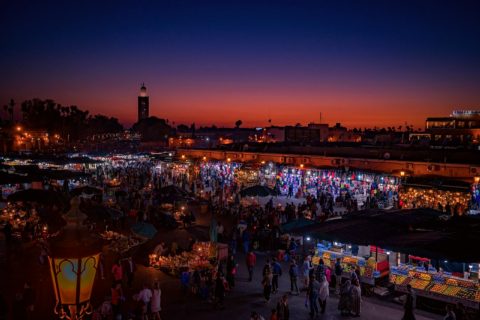
Rabat, the capital of Morocco, offers a blend of modernity and tradition. Its coastal location along the Bou Regreg River provides a refreshing atmosphere, with tree-lined boulevards and historic sites that invite exploration.

In pictures

Rabat
Rabat
Rabat
Rabat
Rabat
The Kasbah of the Udayas, the citadel built by the Almohads on the site of earlier ribats

Sightseeing

Hassan Tower: an iconic minaret with historical significance
Mausoleum of Mohammed V: a stunning tribute to Moroccan royalty
Kasbah of the Udayas: a picturesque fortress with ocean views
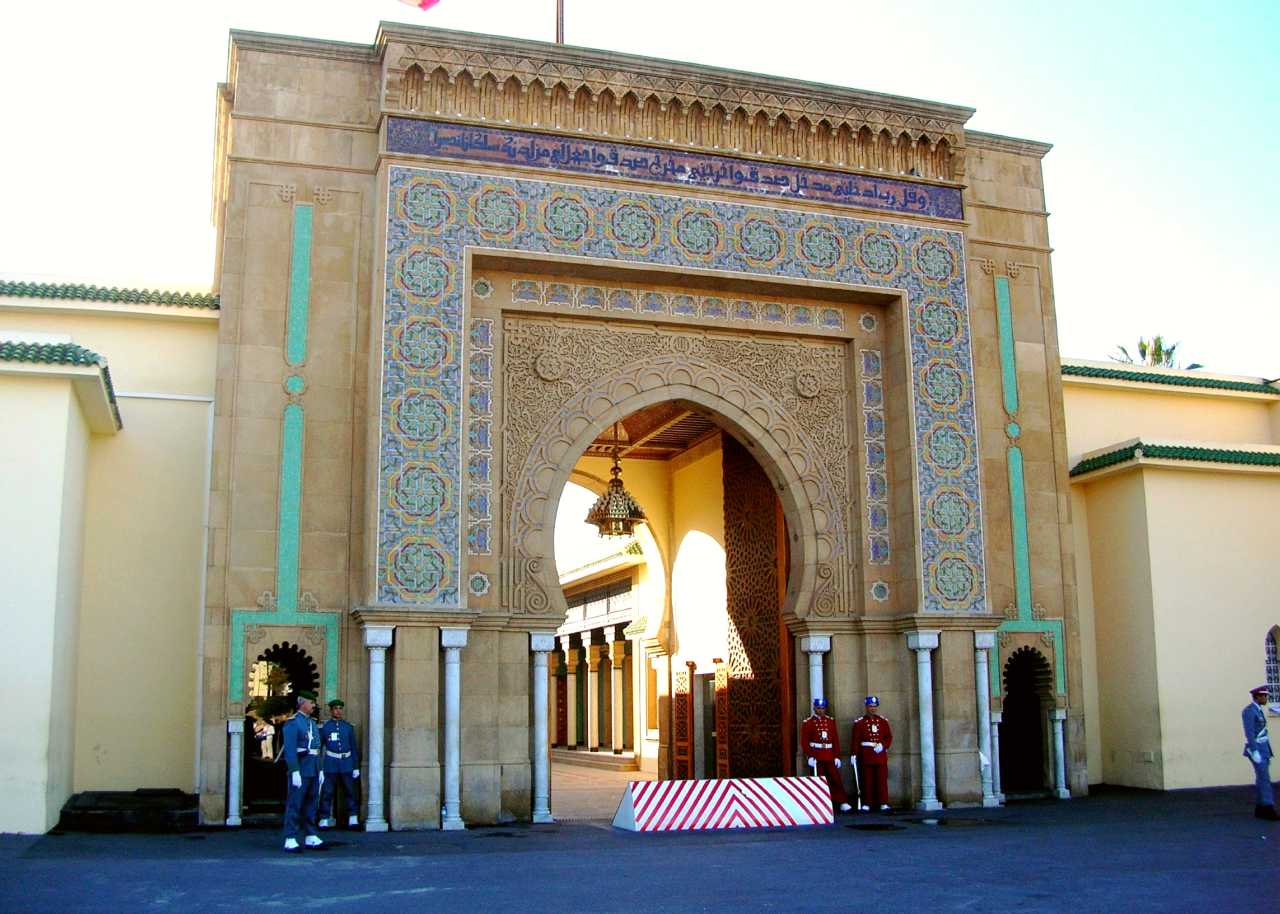
Royal Palace: the official residence of the king, showcasing Moroccan architecture
Chellah: ancient ruins with beautiful gardens and Roman remnants
Rabat Archaeological Museum: home to a rich collection of artifacts
Andalusian Gardens: a peaceful retreat in the heart of the city
National Zoo: a family-friendly destination with diverse wildlife

"Where history meets modernity"Rabat

Things to do

Stroll along the Bou Regreg River: enjoy views of the water and local life.
Explore the Old Medina: shop for handicrafts and immerse in local culture.
Visit the Kasbah of the Oudaias: admire the architecture and gardens, and enjoy the view of the Atlantic Ocean.
Relax in the Andalusian Gardens: a perfect spot for a picnic.
Take a day trip to nearby Salé: experience another side of Moroccan life.
Local food and drinks - Rabat

Local food and drinks

Tagine: a traditional Moroccan stew, often with lamb or chicken
Couscous: a staple dish, usually served on Fridays
Mint tea: a refreshing drink, often enjoyed throughout the day
Bissara: a hearty fava bean soup, perfect for a quick meal
Restaurant Al Marsa: known for its seafood and local dishes
Local traditions - Rabat

Local traditions

Moussem of Moulay Abdellah: a vibrant annual festival celebrating local culture
Eid al-Fitr: a significant religious holiday marking the end of Ramadan
Traditional music and dance: often showcased during local celebrations
Weekly souks: lively markets where locals gather to buy and sell goods

Do's and don'ts

Visit local markets for unique souvenirs
Try street food for an authentic taste of Morocco
Engage with locals to learn about their culture
Respect local customs, especially during religious observances
Don't take photos of people without permission
Don't assume everyone speaks English; learn a few Arabic phrases
Don't rush through the medina; take your time to explore
Don't ignore local dining etiquette, such as eating with your right hand
Explore the serene gardens of Rabat

Explore the serene gardens of Rabat

Rabat's gardens offer a peaceful retreat from the city's activity. The Andalusian Gardens, with their fragrant orange trees and intricate tile work, invite visitors to stroll through shaded pathways. Here, you can sit on a bench and listen to the sound of water flowing from fountains. The gardens are a perfect spot for a quiet afternoon, especially in spring when flowers bloom. Bring a book or simply enjoy the tranquility. Just a short walk from the medina, these gardens provide a refreshing escape from the urban pace.
Visit the Royal Palace for a taste of history

Visit the Royal Palace for a taste of history

The Royal Palace in Rabat is an impressive sight, with its grand architecture and expansive grounds. While you cannot enter the palace itself, the exterior is worth admiring. The intricate details of the gates and the surrounding gardens reflect Morocco's rich history. Nearby, you can find the Royal Guard, often in ceremonial dress, adding to the atmosphere. Plan your visit in the morning to avoid crowds and capture some great photos. Just remember, respect the local customs and keep a respectful distance.

Discover the ancient ruins of Chellah

Discover the ancient ruins of Chellah

Chellah is a fascinating site that combines history and nature. These ancient Roman ruins, located just outside the city, offer a glimpse into the past. You can wander through the remains of temples and mosaics while enjoying the lush gardens that have taken over the site. The storks nesting on the ruins add a unique charm. Entry is affordable, making it a worthwhile stop for history enthusiasts. Visit during the late afternoon for softer light and fewer visitors, allowing for a more personal exploration of this historical treasure.

info_outlinePracticalexpand_more
Since: Founded around 1150 AD
Population: 580.000

About Rabat

Visitors will find a city that feels less touristy than others, allowing for a more authentic experience. The medina is vibrant yet manageable, while the city's gardens and waterfront areas provide serene spots to unwind.

Things to know

Be cautious of pickpockets in crowded areas, especially in the medina.
Public transport can be limited; consider taxis for convenience.
Some attractions may have limited opening hours, so plan ahead.
Avoid overly touristy restaurants for a more authentic dining experience.
history_eduHistoryexpand_more
History - Rabat

Rabat has a rich history that dates back to the 12th century when it was founded as a military outpost by the Almohads. Over the centuries, it evolved into a significant cultural and political center, especially during the reign of the Merinids in the 13th century.

The city has witnessed various influences, from the Portuguese to the French colonial period, which has shaped its architecture and urban landscape. Today, Rabat stands as a symbol of Morocco's heritage and modern aspirations.

Photo: Wikipedia / Wikimedia Commons