search
search
add New trip
Windhoek

Windhoek

wboroma · Pixabay
wboroma · Pixabay
calendar_monthMay–Sepbest time schedule3 daysplan for child_careYeswith kids confirmation_numberMid-rangeprice
WindhoekYour own route Plan a trip here →

Windhoek, the capital of Namibia, offers a blend of colonial history and modern life. Visitors can explore its streets lined with German architecture and enjoy the local culture in various cafes and markets.

Read more

The city is not overly crowded, making it easier to navigate. However, be prepared for the dry climate, especially in summer. The local people are friendly, and you will find a mix of traditional and contemporary influences throughout the city.

Routes through here

Every route opens in the planner as your own copy: change any stop, any night.
In pictures

Windhoek Phlando · Pixabay

Sightseeing

Parliament of Namibia: historic legislative assembly with gardens
National Gallery of Namibia: showcases local art and culture
Independence Museum: three floors of Namibian history
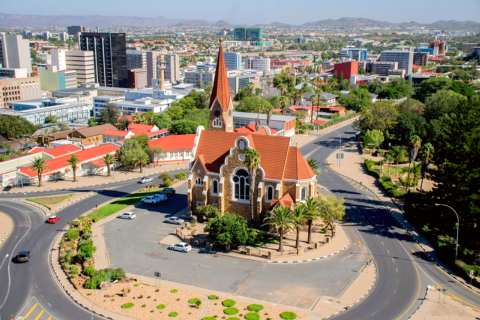
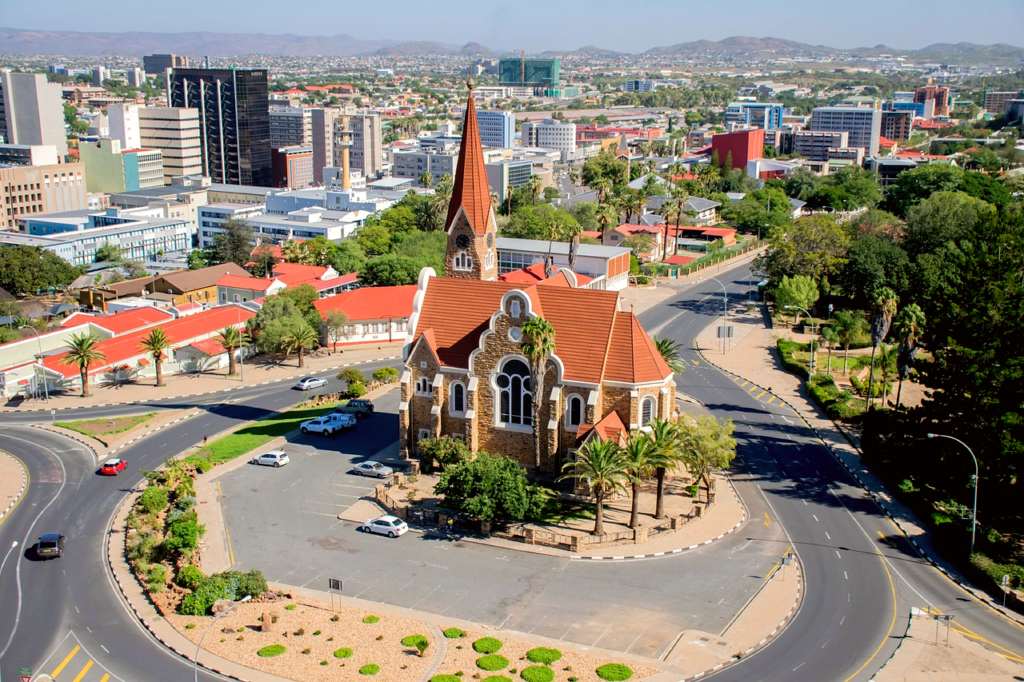
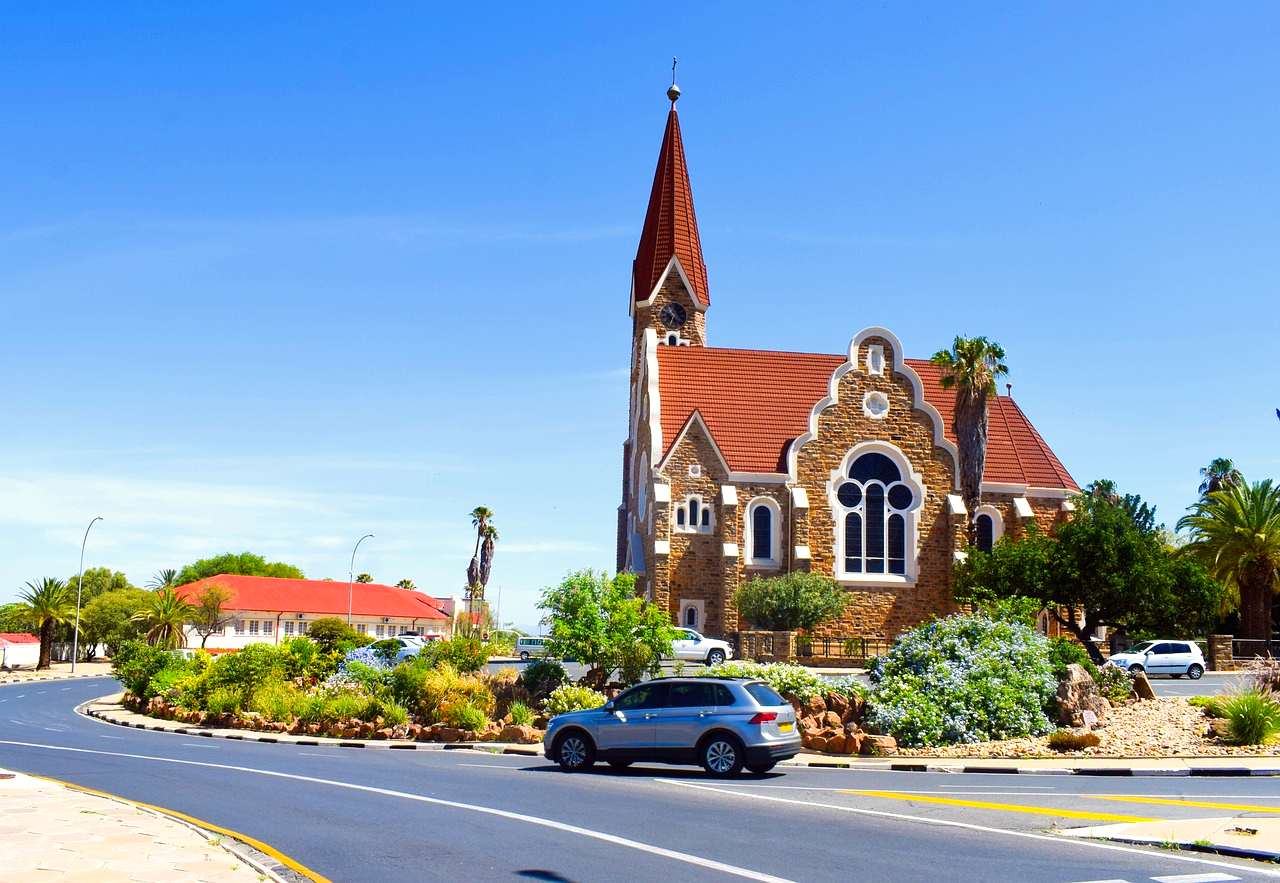
Christuskirche: iconic church with a unique architectural style
Tintenpalast: former government building with beautiful gardens
Namibia Craft Centre: local crafts and souvenirs under one roof
Zoo Park: green space for relaxation and picnics
Heroes' Acre: memorial site honoring Namibian heroes

"A city of history and culture"Windhoek

Things to do

Visit Joe's Beer House: experience local cuisine and a lively atmosphere.
Explore the craft markets: find unique Namibian souvenirs.
Take a guided city tour: learn about Windhoek's history.
Relax at Zoo Park: enjoy a peaceful afternoon outdoors.
Attend a local festival: experience Namibian culture and traditions.
Check the Independence Museum: open Monday to Friday from 08:00 to 17:00, showcasing local history through dramatic artwork.

Local food and drinks

Joe's Beer House: famous for large portions of meat dishes
Bump: popular bar with a lively outdoor area
Chez Ntemba: local hangout with affordable drinks
J&J Gambling House: bar with a casual atmosphere
Try kapana: street food grilled meat sold at stalls
Local traditions - Windhoek Wikimedia Commons · Public domain

Local traditions

Windhoek Carnival: annual celebration with parades and music
Oshana Festival: cultural event showcasing local traditions
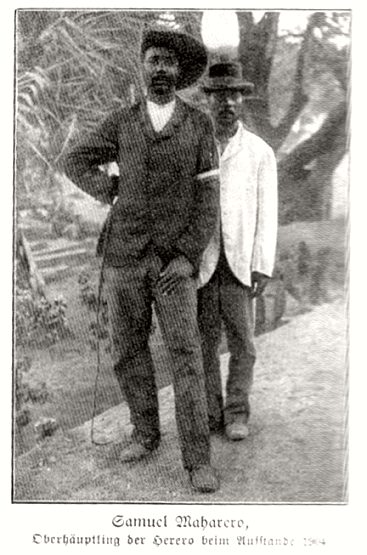
Herero Day: commemorates the Herero people and their history
Namibian Independence Day: national holiday with various festivities

Do's and don'ts

Try local dishes at various restaurants
Visit museums to understand the local history
Engage with locals for cultural insights
Respect local customs and traditions
Don't wander alone at night in unfamiliar areas
Don't assume all prices are fixed; negotiate when possible
Don't ignore local advice on safety and transport
Don't rush your visit; take time to explore

Practical

At a glance

Founded
1840
Population
430.000
Accessibility
Most areas are accessible, but some have uneven surfaces.
Price level
Mid-range

Things to know

Public transport can be limited; taxis are common but negotiate fares.
Safety can be a concern at night; avoid poorly lit areas.
Some attractions may have limited hours, especially on weekends.
Be cautious of tourist traps in markets; compare prices before buying.
history_eduHistoryexpand_more

Windhoek's history dates back to the early 19th century when it was established as a settlement by German colonists. The city served as a military base and administrative center during colonial rule, which significantly influenced its architecture and culture.

After Namibia gained independence in 1990, Windhoek transformed into a symbol of national pride. The city now reflects a blend of its colonial past and the aspirations of its diverse population, making it a focal point for cultural exchange and development.

Photo: wboroma · Pixabay Content License · Pixabay

Photo credits (2)