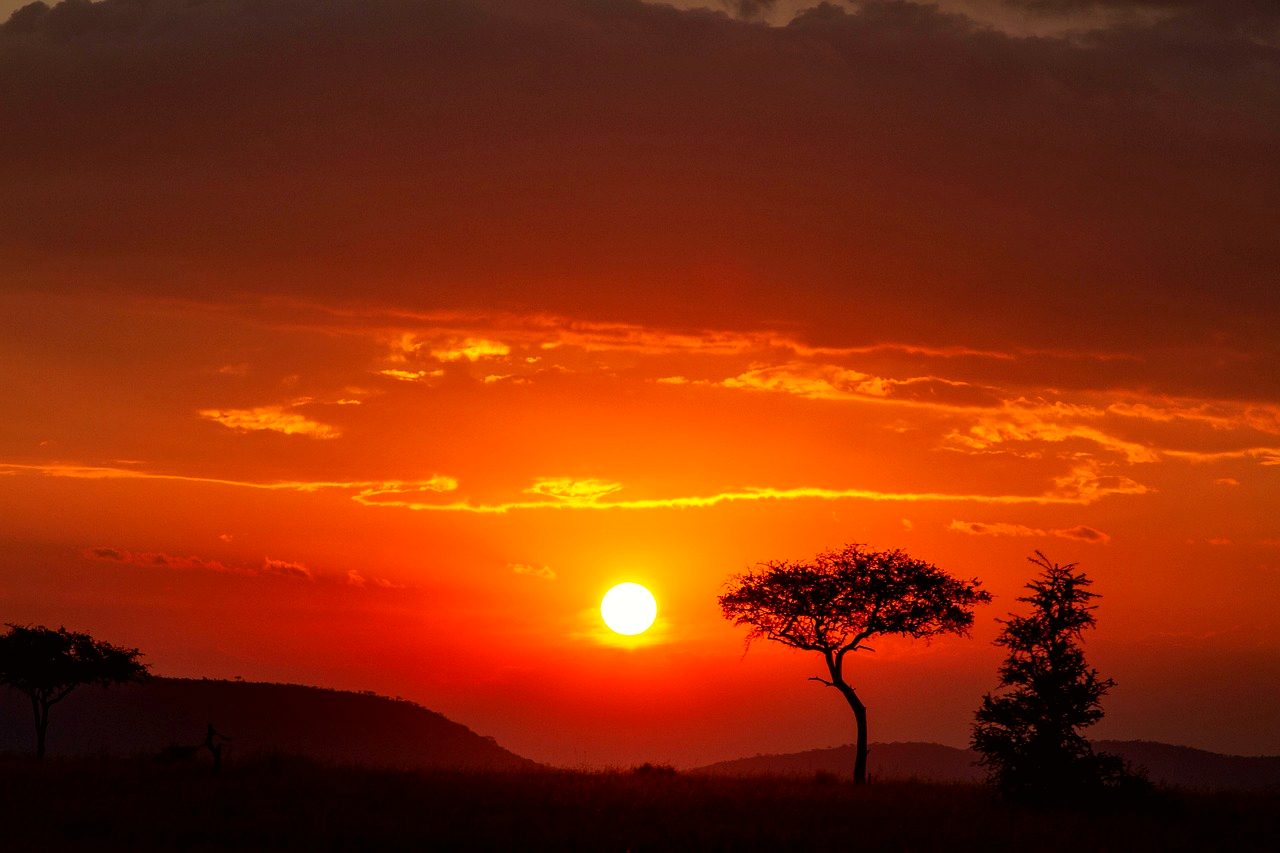
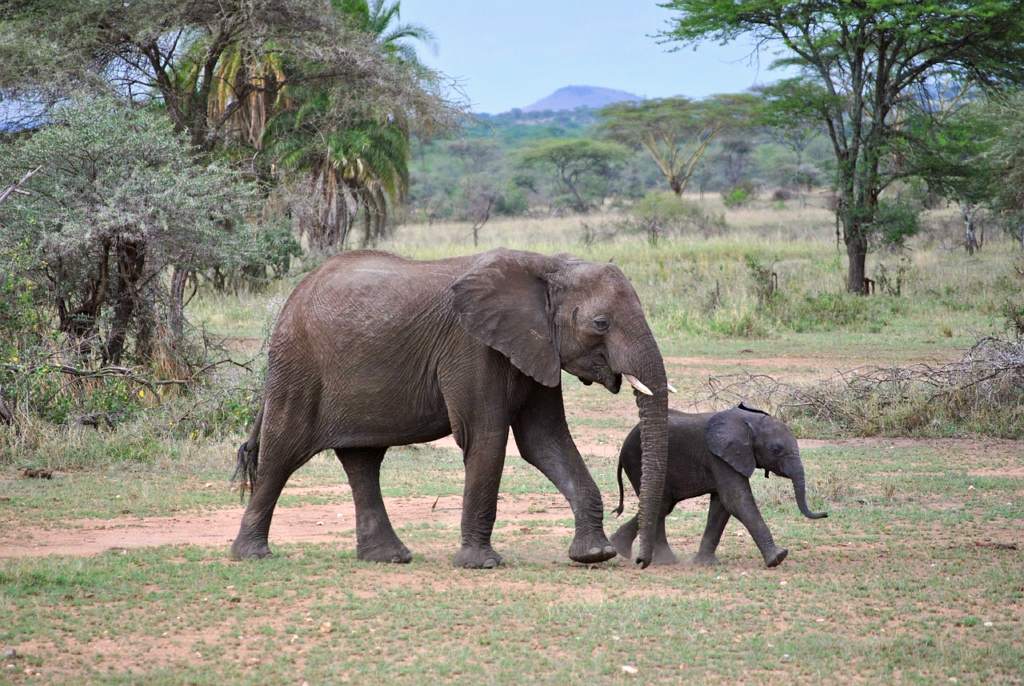
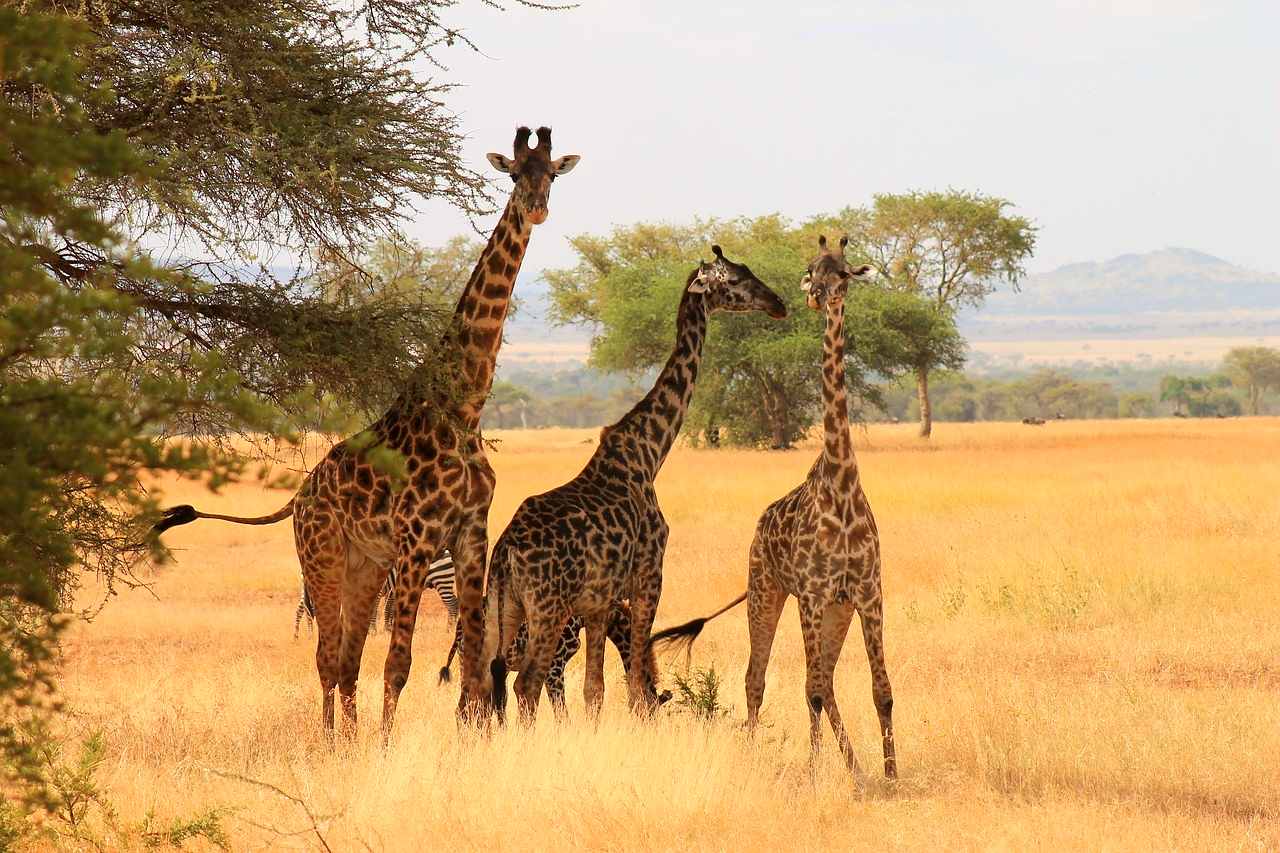
Serengeti is a vast and iconic national park in Tanzania, renowned for its stunning landscapes and incredible wildlife. Visitors are often captivated by the sight of the Great Migration, where millions of wildebeest and zebras traverse the plains, creating a breathtaking spectacle.
Read more
The atmosphere is one of adventure and tranquility, with opportunities for both thrilling safaris and quiet moments in nature. However, the remote location means that amenities can be limited, and planning is essential to make the most of your visit.
Highlights
Serengeti National Park
Home to diverse wildlife and landscapes
Serengeti Visitor Center
The Serengeti Visitor Center serves as a gateway to the Serengeti National Park, offering insights into the re
Seronera River
The Seronera River flows through the Serengeti National Park in Tanzania, attracting visitors for its rich wil
Routes through here
Every route opens in the planner as your own copy: change any stop, any night.
Sightseeing
Things to do
Local food and drinks
Local traditions
Do's and don'ts
Practical
At a glance
- Established
- 1951
- Accessibility
- Limited mobility options in remote areas
- Price level
- Mid-range
Things to know
History
The Serengeti region has been inhabited for thousands of years, with archaeological evidence dating back to early human ancestors. The area was designated as a national park in 1951, aimed at protecting its unique ecosystems and wildlife.
Over the decades, Serengeti has become a symbol of conservation efforts in Africa, attracting researchers and tourists alike. Its rich biodiversity and stunning landscapes continue to be a focal point for wildlife enthusiasts and conservationists.
Photo: patrickgregerson · Pixabay Content License · Pixabay
Photo credits (2)
- nike159 · Pixabay Content License · Pixabay
- Afrika01 · Pixabay Content License · Pixabay