
search
search
add New trip
Stone Town

Stone Town

calendar_monthJun–Octbest time schedule3 daysplan for child_careYeswith kids confirmation_numberMid-rangeprice
Stone TownYour own route Plan a trip here →

Stone Town, the historic heart of Zanzibar, is a vibrant tapestry of cultures, where narrow alleys wind through a mix of Arab, Persian, Indian, and European influences. The air is rich with the scent of spices and the sounds of local vendors, creating an atmosphere that feels both timeless and alive.

In pictures

Stone Town panorama
Stone Town panorama
Art Deco detail of the Ciné Afrique in Stone Town
A sketch of Stone Town showing the old fort and palace from the year 1871 to the year 1875
Former house converted to People's Bank of Zanzibar after revolution
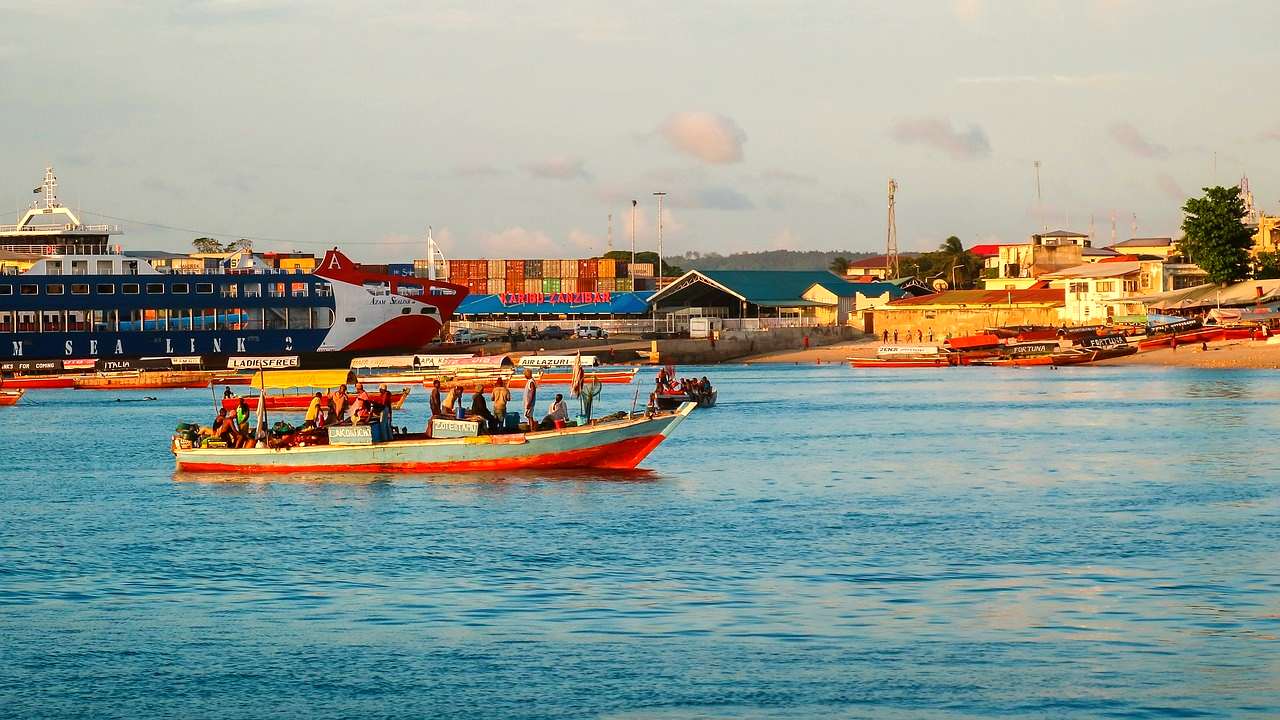
Aerial view of Stone Town and Stone Town Harbour
Effects of the British naval bombardment of the 1896 Anglo-Zanzibar War

Sightseeing

House of Wonders: a museum showcasing Zanzibar's history
Old Fort: a historic fortress with cultural events
Forodhani Gardens: a lively night market by the sea
St. Joseph's Cathedral: a stunning example of Gothic architecture
Sultan's Palace: a glimpse into the royal past of Zanzibar
Darajani Market: a bustling local market for fresh produce
Freddie Mercury Museum: dedicated to the famous singer's early life
Anglican Cathedral: built on the site of a former slave market

"A cultural gem by the sea"Stone Town

Things to do

Explore the narrow streets: get lost in the charm of Stone Town.
Visit local spice farms: learn about Zanzibar's spice trade.
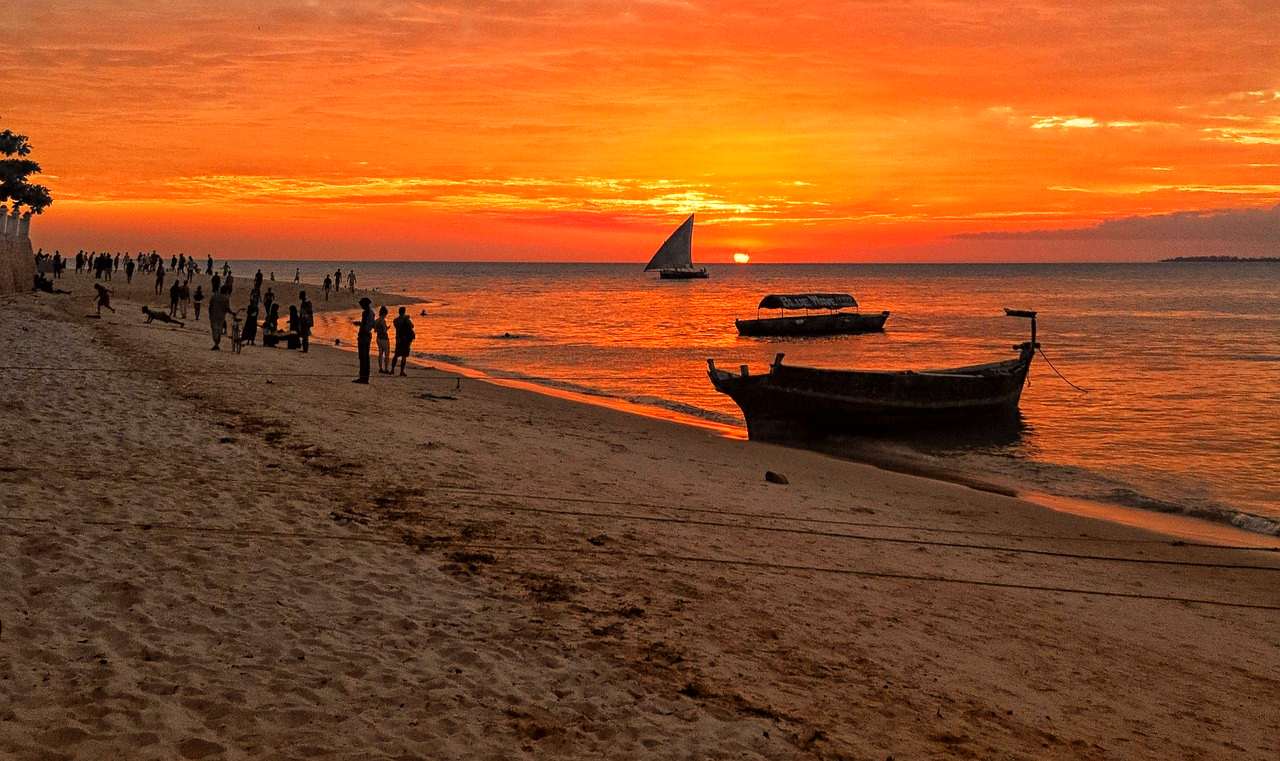
Take a sunset dhow cruise: enjoy the coastline views.
Attend a cultural performance: experience local music and dance at the Old Fort.
Shop for souvenirs: find unique crafts and textiles at the curio market near Forodhani Gardens.
Local food and drinks - Stone Town

Local food and drinks

Zanzibar Pizza: a local street food favorite
Urojo: a delicious soup with a mix of flavors
Seafood BBQ: fresh catches grilled to perfection
Spiced tea: a fragrant drink enjoyed by locals
Kashata: a sweet coconut snack
Local traditions - Stone Town

Local traditions

Sauti za Busara: an annual music festival celebrating African music
Zanzibar International Film Festival: showcasing films from Africa and beyond
Ramadhan: a month of fasting observed with communal prayers and feasts
Cultural dances: traditional performances during special occasions

Do's and don'ts

Respect local customs and dress modestly
Bargain at markets for better prices
Try local dishes at street food stalls
Learn a few Swahili phrases to connect with locals
Don't take photos of people without permission
Don't engage in aggressive bargaining
Don't ignore local dress codes, especially in religious sites
Don't expect Western-style amenities everywhere
Explore the winding alleys of Stone Town

Explore the winding alleys of Stone Town

Stone Town's narrow alleys are a maze waiting to be explored. As you wander, you will encounter intricately carved wooden doors and crumbling coral stone buildings that tell stories of the past. The scent of spices wafts through the air, especially near the Darajani Market, where vendors sell everything from fresh produce to handmade crafts. Be prepared for the heat, particularly in the afternoon, when the sun can be intense. Early mornings or late afternoons are ideal for a leisurely stroll, allowing you to soak in the atmosphere without the crowds.

Catch a film at the historic Cine Afrique

Catch a film at the historic Cine Afrique

Cine Afrique, located in the Kiponda District, is a charming Art Deco cinema that offers a glimpse into Stone Town's cultural scene. The theater screens both local and international films, providing a unique experience for movie lovers. Tickets are affordable, often around 5,000 TZS, making it an accessible outing. The atmosphere is relaxed, and you might find yourself sharing the space with locals who enjoy the same films. Keep in mind that the schedule can vary, so checking in advance is wise to avoid disappointment.

Visit the historic Sultan's Palace

Visit the historic Sultan's Palace

The Sultan's Palace, or Beit al-Sahel, offers a fascinating look into Zanzibar's royal history. This former residence of the sultans is now a museum showcasing artifacts and exhibits that reflect the island's rich past. Entry fees are reasonable, around 10,000 TZS, and guided tours provide valuable insights into the architecture and history. However, the museum can get busy, especially during weekends. Visiting during the week may offer a quieter experience, allowing you to appreciate the displays and the building's grandeur without the rush.

info_outlinePracticalexpand_more
Since: Founded around 1st century AD
Population: 200.000

About Stone Town

Visitors are often captivated by the intricate architecture, bustling markets, and the warm hospitality of the locals. However, the city can be overwhelming at times, especially during peak tourist seasons when the streets become crowded and the heat can be stifling.

Things to know

Be cautious of pickpockets in crowded areas.
Transport can be tricky; taxis are best arranged through hotels.
Some attractions may have limited opening hours.
Watch out for tourist traps in busy markets.

Good to know

Accessibility: Narrow streets may pose challenges for wheelchairs
Island: yes
Price level: mid-range
history_eduHistoryexpand_more

Stone Town has a rich history that dates back to the 1st century, serving as a trading hub for spices, slaves, and ivory. The city became a melting pot of cultures, influenced by Arab, Persian, Indian, and European traders, which is reflected in its unique architecture and vibrant markets.

In the 19th century, Stone Town was the capital of the Sultanate of Zanzibar, further enhancing its significance. The city was a center for the spice trade and played a crucial role in the history of the East African coast. Today, it is a UNESCO World Heritage Site, preserving its historical and cultural heritage.

Photo: Wikipedia / Wikimedia Commons