search
search
add New trip
Tarangire

Tarangire

7523944 · Pixabay
7523944 · Pixabay
calendar_monthJun–Octbest time schedule5 daysplan for directions_car2 h 09from Arusha child_careYeswith kids confirmation_numberMid-rangeprice
TarangireYour own route Plan a trip here →

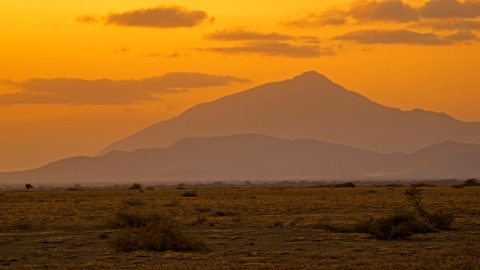
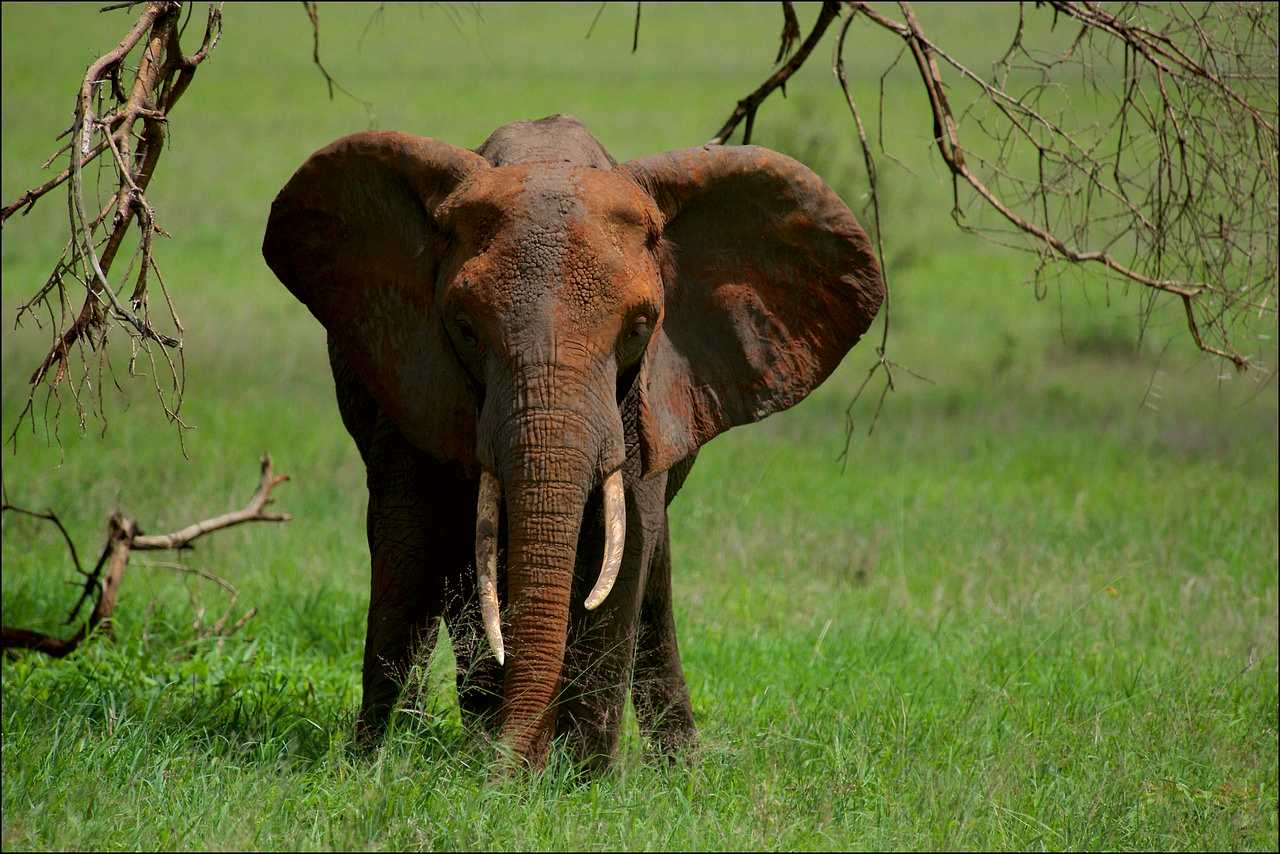
Tarangire is a region in Tanzania known for its diverse wildlife and striking landscapes. The Tarangire National Park is a key attraction, especially during the dry season when animals gather around the Tarangire River. Visitors often find themselves captivated by the sight of elephants and the iconic baobab trees that dot the landscape.

Read more

The area is also rich in Maasai culture, with opportunities to learn about local traditions. While the park offers incredible wildlife experiences, it is essential to plan your visit carefully to make the most of your time here.

Routes through here

Every route opens in the planner as your own copy: change any stop, any night.

Sightseeing

Tarangire National Park: famous for large elephant herds and baobab trees
Baobab Trees: iconic trees that create dramatic scenery
Tarangire River: vital water source attracting wildlife during dry season
Wildlife Viewing: opportunities to see lions, leopards, and various antelope species
Birdwatching: home to over 500 bird species, ideal for enthusiasts
Cultural Visits: interactions with Maasai communities nearby

"Experience the Wild Side of Tanzania"Tarangire

Things to do

Game Drives: early morning and late afternoon drives for wildlife viewing.
Walking Safaris: explore the savanna on foot with a ranger, offered by select lodges outside the main park.
Birdwatching: spot over 500 bird species, especially near swamps.
Sundowners: enjoy scenic sunset views with drinks, often featuring baobab silhouettes.
Cultural Visits: learn about Maasai traditions and lifestyle through organized visits from some lodges.

Local food and drinks

Lodge Dining: full-board meals with local and international dishes
Packed Lunches: sandwiches, chicken, and fruit for game drives
Local Beers: try Serengeti or Kilimanjaro at lodge bars
Fresh Juices: enjoy passion fruit or mango juice
Coffee: locally roasted coffee served at lodges

Local traditions

Maasai Culture: traditional dances and ceremonies are common
Harvest Festivals: celebrate the end of the farming season
Wildlife Conservation: community efforts to protect local wildlife

Do's and don'ts

Book game drives in advance for better availability.
Carry water during excursions to stay hydrated.
Respect wildlife; maintain a safe distance.
Engage with local communities to learn about their culture.
Don't feed the animals; it can be harmful.
Don't wander off the designated paths in the park.
Don't ignore safety guidelines provided by guides.
Don't expect extensive shopping options inside the park.

Practical

At a glance

Founded
1970
Accessibility
Limited mobility options in the park.
Price level
Mid-range

Things to know

Transport can be limited; consider hiring a guide.
Wildlife encounters can be unpredictable; stay alert.
Avoid drinking tap water; stick to bottled or filtered.
Plan visits during the dry season, from June to October, for the best wildlife viewing.
history_eduHistoryexpand_more

The Tarangire region has been inhabited by pastoralist communities for centuries, particularly the Maasai, who grazed their livestock across the seasonal grasslands. The area became a national park in 1970, aimed at preserving its unique wildlife and ecosystems.

Over the years, Tarangire has gained recognition for its significant elephant populations and diverse habitats. The park plays a crucial role in the migration patterns of various species, making it an important ecological area in Tanzania.

Photo: 7523944 · Pixabay Content License · Pixabay