search
search
add New trip

Uganda

UG calendar_monthJun–Octbest time schedule10 daysplan for child_careYeswith kids flagKampalacapital ShUgandan Shillingcurrency translateEnglish, Lugandalanguage
UgandaYour own route Plan a trip here →

Uganda, known as the Pearl of Africa, offers a rich tapestry of landscapes, wildlife, and culture. From the lush greenery of its national parks to the vibrant markets in Kampala, the country is a haven for nature lovers and cultural enthusiasts alike.

Read more

Travelers can expect warm hospitality and a chance to engage with diverse communities. However, infrastructure can be challenging in rural areas, and it's wise to plan your routes carefully to avoid delays.

Sightseeing

Bwindi Impenetrable National Park: home to endangered mountain gorillas
Murchison Falls National Park: stunning waterfalls and wildlife
Lake Victoria: Africa's largest lake with beautiful islands
Kampala: the bustling capital with rich history
Jinja: adventure hub for white-water rafting
Queen Elizabeth National Park: diverse ecosystems and wildlife
Rwenzori Mountains: breathtaking hiking trails
Fort Portal: gateway to the crater lakes region

"Experience the Pearl of Africa"Uganda

Things to do

Gorilla trekking: an unforgettable wildlife experience
White-water rafting: thrilling rapids on the Nile
Cultural tours: engage with local tribes and traditions
Birdwatching: over 1,000 species to discover
Hiking: explore the scenic Rwenzori Mountains
Visit local markets: experience the vibrant culture and crafts

Local food and drinks

Matoke: steamed green bananas, a staple dish, try it in local restaurants
Luwombo: a rich stew made with meat or vegetables, best enjoyed at family gatherings
Posho: maize porridge, commonly served with meals, found everywhere
Rolex: a popular street food, chapati filled with eggs and vegetables, grab it from vendors
Malwa: a local brew made from fermented millet, often enjoyed during celebrations
Nile Special: a popular local beer, perfect for relaxing after a day of exploration

Local traditions

Eid al-Fitr: celebrated by the Muslim community with feasting and prayers
Kisanja: a traditional harvest festival showcasing local produce
Traditional weddings: vibrant ceremonies with rich cultural significance
Dance and music: integral to celebrations, featuring local instruments
Craft fairs: showcasing local artisans and their work

Do's and don'ts

Engage with locals: they are friendly and welcoming
Try local foods: embrace the culinary diversity
Respect cultural practices: be mindful of traditions
Bargain politely: it's part of the shopping experience
Use both hands when giving or receiving items: it's a sign of respect
Don't take photos of people without permission: it can be seen as disrespectful
Don't display wealth: it can attract unwanted attention
Don't engage in political discussions: they can be sensitive
Don't ignore local customs: they are important to the community
Don't litter: keep the environment clean

Explore the breathtaking Rwenzori Mountains

The Rwenzori Mountains, often shrouded in mist, offer a stunning backdrop for hikers and nature lovers. Known for their unique flora and fauna, these mountains are a UNESCO World Heritage site. Trekking here can be challenging, with steep trails and unpredictable weather, so be prepared with proper gear and a good guide. The views from the peaks are worth the effort, revealing lush valleys and glacial lakes. Just remember, the altitude can be tough on some travelers, so take your time acclimatizing.

Meet the gentle giants of Bwindi

Bwindi Impenetrable National Park is home to the majestic mountain gorillas, and tracking them is a once-in-a-lifetime experience. Watching a toddler gorilla play in the trees is heartwarming and unforgettable. However, the trek to see these incredible creatures can be strenuous, often requiring steep climbs through dense forest. Permits are essential and can be pricey, so plan ahead. The local guides are knowledgeable and passionate about conservation, making the experience even more enriching. Just be prepared for muddy trails and the possibility of rain.

Experience the vibrant life of Kampala

Kampala, the bustling capital of Uganda, is a city full of life and energy. From the colorful markets to the lively street food scene, there is always something happening. Take a stroll through the local neighborhoods to truly feel the pulse of the city. However, traffic can be chaotic, so allow extra time for travel. Don't miss the chance to visit local landmarks like the Bahai Temple or the Gaddafi Mosque, which offer a glimpse into the city's diverse culture. Engaging with locals can lead to memorable experiences, but be mindful of your belongings in crowded areas.
Practical

At a glance

Population
46.000.000
Best time
December to February

Basic information

Capital: Kampala
Language: English, Luganda
Currency: Ugandan Shilling
Best time to visit: December to February

Travel information

International flights arrive at Entebbe International Airport, located about 40 kilometers from Kampala. Public transport includes buses and matatus, but they can be crowded and uncomfortable. Road conditions vary significantly; a 4WD is recommended for rural areas, especially during the rainy season from March to May and October to November. Mobile payments are common, and cash is still widely used, particularly in smaller towns. Internet connectivity is improving, but rural areas may have limited access, so plan accordingly.

Things to know

Health precautions are essential; vaccinations for yellow fever and hepatitis A are recommended.
Scams targeting tourists can occur, especially in urban areas like Kampala.
Respect local customs and dress modestly, particularly in rural regions.
Road safety can be a concern; drive defensively and be cautious of potholes.
Wildlife encounters can be unpredictable; always follow guidelines provided by park rangers.
history_eduHistoryexpand_more
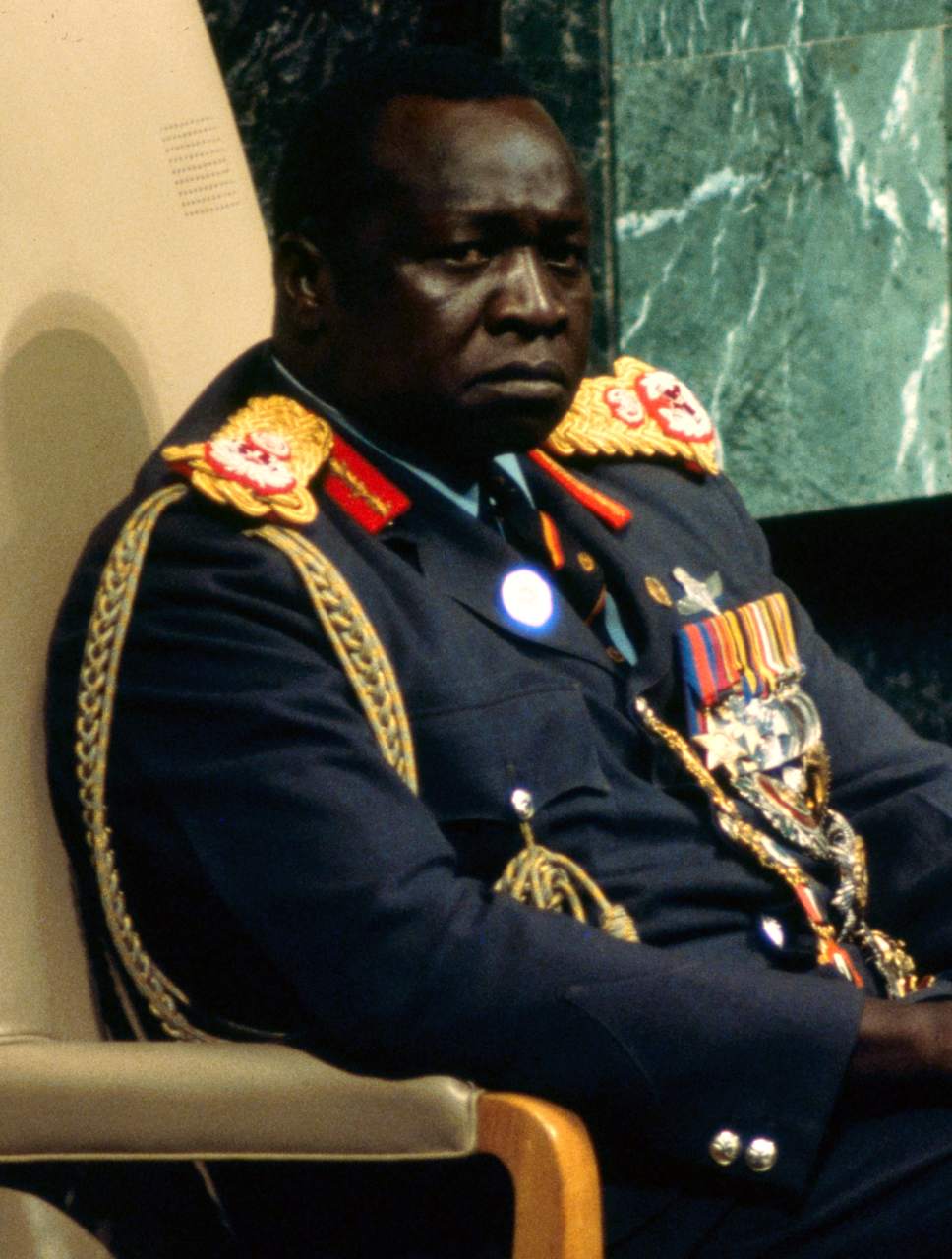
History - Uganda Bernard Gotfryd · Public domain

Uganda's history is marked by its diverse ethnic groups and colonial past. The Kingdom of Buganda played a significant role in shaping the region, with its influence felt throughout the country. British colonial rule began in the late 19th century, leading to significant social and political changes.

Post-independence in 1962, Uganda faced political turmoil, including the brutal regime of Idi Amin. The country has since made strides towards stability and development, with a focus on tourism and conservation as key economic drivers.

Photo credits (1)