search
search
add New trip
Delhi

Delhi

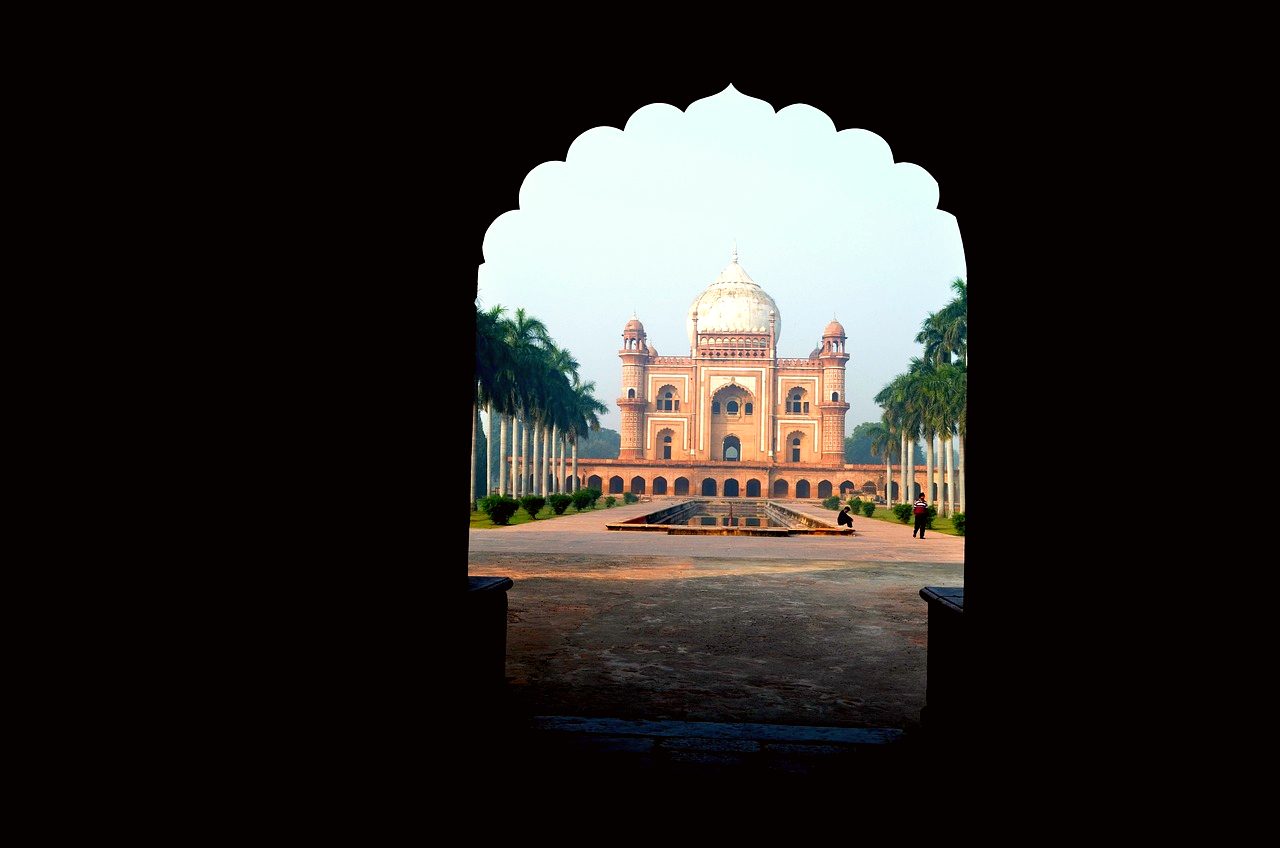
ajaysharda59 · Pixabay
calendar_monthOct–Febbest time schedule5 daysplan for child_careYeswith kids confirmation_numberMid-rangeprice
DelhiYour own route Plan a trip here →

Delhi is a city of contrasts, where ancient history meets modern life. Visitors often find themselves navigating through a mix of chaotic streets, rich aromas from street food, and the sounds of honking cars. The air quality can be poor, especially in winter, so plan your visit accordingly.

Read more

As you explore, you'll encounter impressive architecture, from Mughal forts to colonial buildings. The city can be overwhelming for first-time travelers, but with patience, you can uncover its layers of culture and history. A good hotel can provide a comfortable retreat from the city's hustle.

Routes through here

Every route opens in the planner as your own copy: change any stop, any night.

In pictures

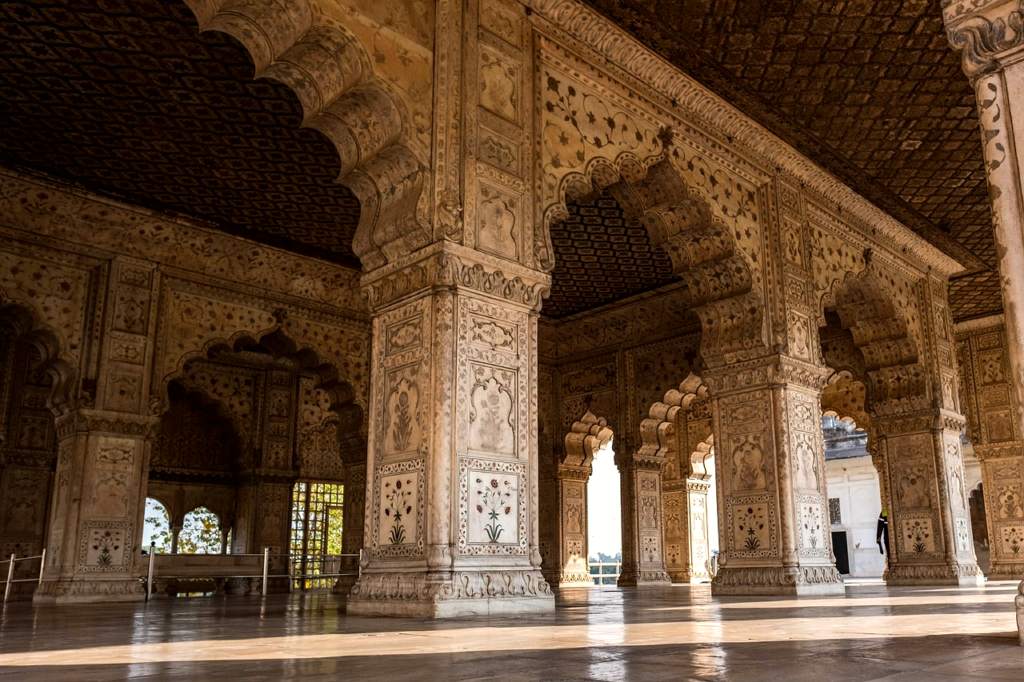
Delhi enjoytheworld · Pixabay

Sightseeing

Red Fort: A UNESCO World Heritage Site and former Mughal palace
Jama Masjid: One of the largest mosques in India, built in the 17th century
Qutb Minar: A 73-meter tall minaret, showcasing Indo-Islamic architecture
Humayun's Tomb: A stunning garden tomb and UNESCO site
India Gate: A war memorial and popular gathering spot
Lotus Temple: A Bahá'í House of Worship known for its flower-like architecture
Akshardham Temple: A modern temple complex with intricate carvings
Chandni Chowk: A historic market area known for its street food and shops

"A city of history and modernity"Delhi

Things to do

Visit Paranthe Wali Gali: Try stuffed parathas in this famous street.
Explore the markets: Shop for textiles, spices, and handicrafts.
Attend a cricket match: Experience the excitement at Arun Jaitley Stadium.
Take a rickshaw ride: Navigate the narrow lanes of Old Delhi.
Visit the National Museum: Discover India's rich history and culture.
Don't miss the Red Fort and Jama Masjid, both significant historical sites.

Local food and drinks

Chole Bhature: A popular North Indian dish of spicy chickpeas and fried bread
Biryani: A fragrant rice dish, often made with chicken or mutton
Kebabs: Grilled meat skewers, available at various street stalls
Lassi: A refreshing yogurt drink, often flavored with fruit
Parathas: Stuffed flatbreads, especially from Paranthe Wali Gali

Local traditions

Diwali: The festival of lights celebrated with fireworks and sweets
Holi: The festival of colors, marked by throwing colored powders
Eid: Celebrated with prayers and feasting in mosques
Republic Day: A national holiday with a grand parade showcasing India's diversity

Do's and don'ts

Try local street food for an authentic experience
Dress modestly when visiting religious sites
Negotiate prices in markets to get a fair deal
Use registered taxis or rideshare apps for safety
Don't drink tap water; opt for bottled water instead
Don't flash valuables in crowded areas
Don't assume all public transport is safe at night
Don't ignore local customs and etiquette

A glimpse into Mughal architecture

The Tomb of Humayun is a remarkable example of Mughal architecture, completed in 1572. This UNESCO World Heritage site features intricate gardens and a striking red sandstone facade. Visiting early in the morning allows you to enjoy the peaceful atmosphere before the crowds arrive. The site is not just about the tomb; the surrounding gardens are perfect for a leisurely stroll. Be prepared for some vendors selling snacks nearby, which can be a nice treat after exploring the grounds.

Experience the heart of Delhi's culture

Jama Masjid, one of the largest mosques in India, stands proudly in Old Delhi. Its grand entrance leads to a vast courtyard that can accommodate thousands of worshippers. Climb the minaret for a panoramic view of the city, but be ready for a steep staircase. The area around the mosque is filled with street vendors selling delicious biryani and kebabs, making it a great spot to sample local flavors. Just keep an eye on your belongings, as the crowds can be quite dense.

Explore a symbol of India's history

The Red Fort, a UNESCO World Heritage site, is a significant symbol of India's history. Built in the 17th century, its massive red sandstone walls are an impressive sight. Inside, you can explore various museums and gardens that showcase Mughal architecture. The evening light casts a warm glow on the fort, making it a lovely time for photographs. Be aware that the fort can get crowded, especially during weekends, so visiting on a weekday might offer a more relaxed experience.

Practical

At a glance

Founded
600 BC
Population
20.000.000
Accessibility
Some areas are wheelchair accessible, but many are not.
Price level
Mid-range

Things to know

Air pollution can be severe, especially in winter months.
Traffic can be chaotic, so allow extra time for travel.
Street food is delicious but choose vendors carefully for hygiene.
Public transport is affordable but can be crowded during peak hours.
The summer months can be scorchingly hot, with temperatures often exceeding 40 degrees Celsius.
history_eduHistoryexpand_more

Delhi has a rich history that dates back thousands of years, serving as a capital for various empires. The city has seen the rise and fall of many dynasties, including the Mughals, who left a significant architectural legacy.

In the 20th century, Delhi became the capital of India after independence in 1947. The city has since evolved into a major political, cultural, and economic center, reflecting the complexities of modern India while still holding onto its historical roots.

Photo: ajaysharda59 · Pixabay Content License · Pixabay

Photo credits (1)