kiomigo
search
search
add New trip
Aurangabad

Aurangabad

Population: 1.200.000 Since: Founded in the 17th century Price: Mid-range
accessible Accessibility: Some areas are wheelchair accessible, but many sites have stairs

Introduction

Aurangabad is a vibrant city in Maharashtra, known for its rich history and cultural heritage. Visitors are often captivated by its blend of ancient architecture and modern life, making it a unique destination in India.

The city serves as a gateway to the UNESCO World Heritage Sites of Ajanta and Ellora Caves, showcasing stunning rock-cut sculptures and paintings. The local markets buzz with energy, offering a taste of the region's crafts and cuisine, making it a delightful stop for travelers.

In pictures

Aurangabad
Aurangabad
Aurangabad
Aurangabad
Aurangabad
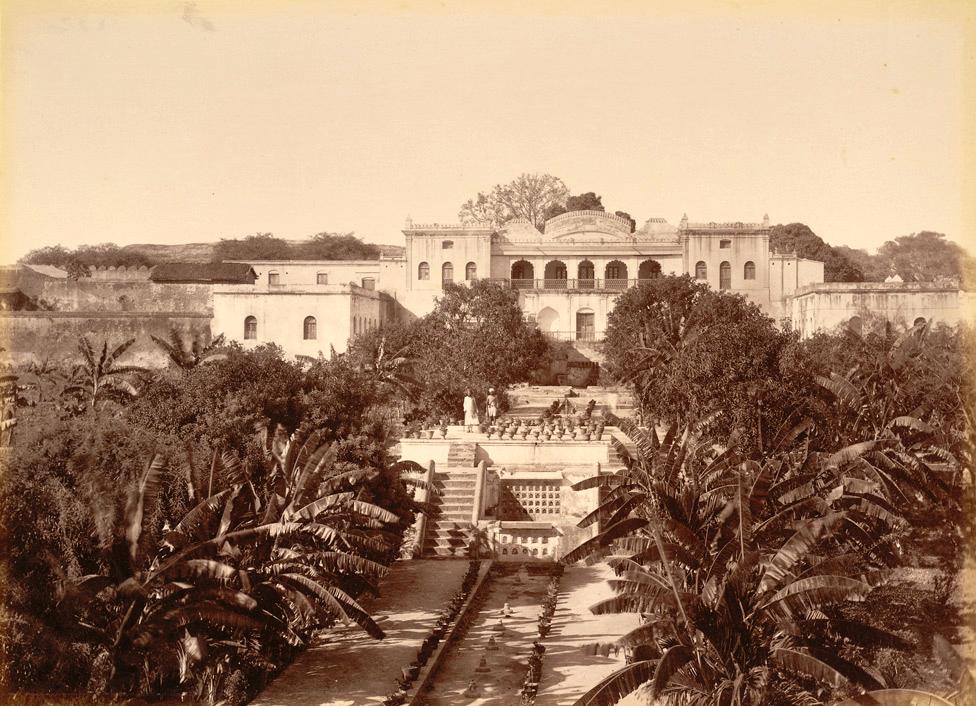
Painting of Malik Ambar of the Ahmadnagar Sultanate, the founder of Khadki (later Aurangabad)

Sightseeing

Ajanta Caves: Ancient rock-cut caves famous for their Buddhist art
Ellora Caves: A remarkable site with Hindu, Jain, and Buddhist temples
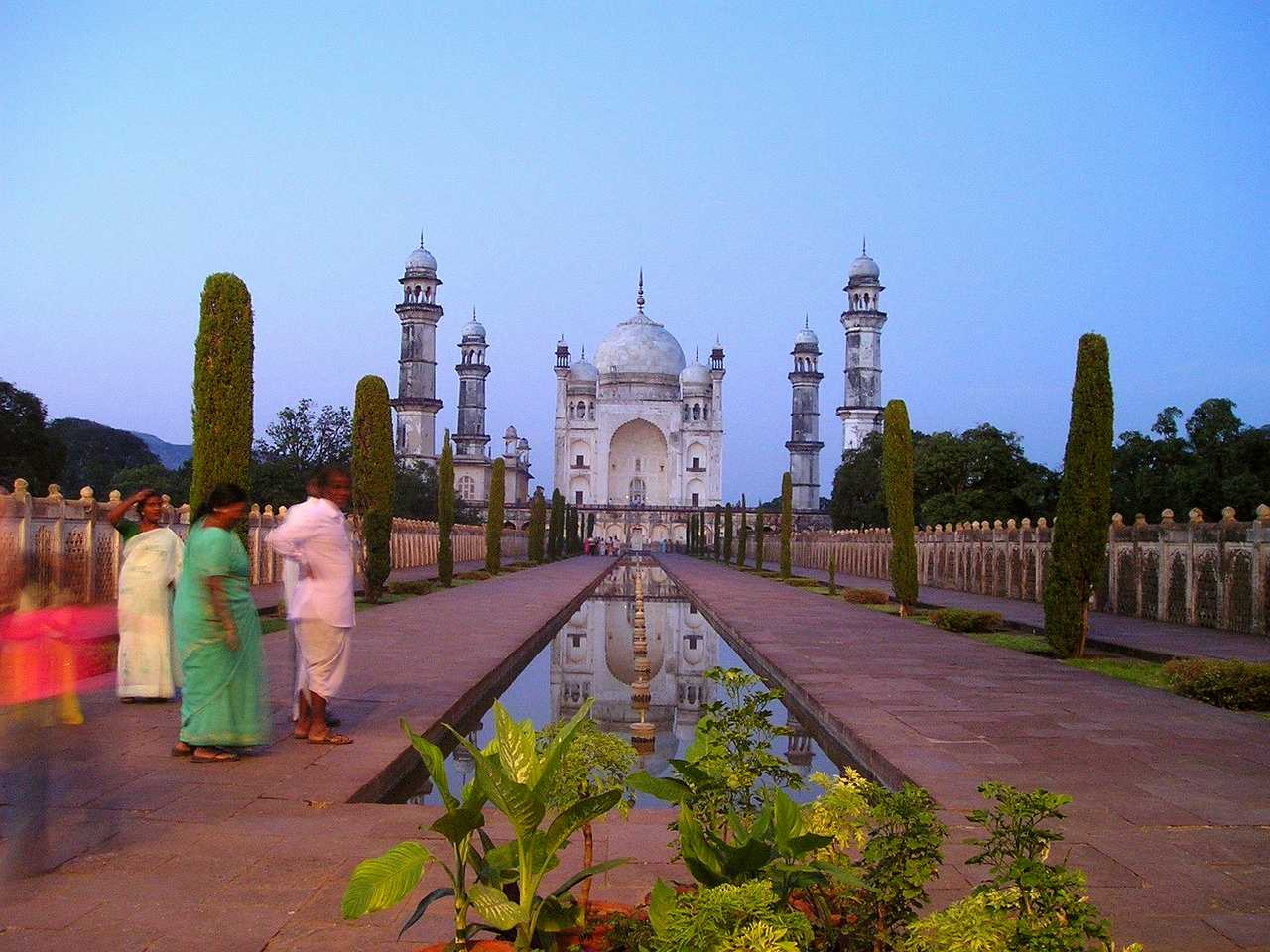
Bibi Ka Maqbara: A stunning mausoleum often called the 'Mini Taj'
Daulatabad Fort: A historic fort with impressive architecture and views
Aurangabad Caves: Lesser-known caves with beautiful carvings
Jain Temple: A serene temple showcasing intricate designs
Ghrishneshwar Temple: One of the twelve Jyotirlingas in India
Nehru Garden: A peaceful park ideal for relaxation

"A city of history and culture"Aurangabad

Things to do

Explore the Ajanta and Ellora Caves: Marvel at ancient artistry
Visit local markets: Shop for Paithani sarees and Himroo shawls
Take a heritage walk: Discover the city's historical architecture
Enjoy local festivals: Experience the vibrant culture during celebrations
Local food and drinks - Aurangabad

Local food and drinks

Naan Qalia: A traditional meat dish served with naan
Biryani: Flavorful rice dish, often made with chicken or mutton
Puran Poli: Sweet flatbread stuffed with lentils and jaggery
Kharra: A spicy snack made from roasted chickpeas
Shahi Tukda: A rich dessert made with bread and milk

Local traditions

Gudi Padwa: Celebrated as the Marathi New Year with processions
Diwali: The festival of lights, marked by decorations and sweets
Ramzan: Observed with fasting and special prayers
Makar Sankranti: A harvest festival celebrated with kite flying
History - Aurangabad

History

Aurangabad was founded in the 17th century by Malik Ambar, a prominent figure in the Deccan Sultanate. The city flourished under the rule of the Mughals, becoming a center for trade and culture, and was named after the Mughal Emperor Aurangzeb.

The region is steeped in history, with the nearby Ajanta and Ellora Caves dating back to the 2nd century BC. These caves are a testament to India's rich artistic heritage and have drawn visitors for centuries, making Aurangabad a historical treasure.

Things to know

Be cautious of touts near tourist sites, as they can be persistent
Public transport can be limited, consider hiring a private vehicle
Safety is generally good, but stay aware of your surroundings
Visit during winter months for more pleasant weather

Do's and don'ts

Try local street food for an authentic taste
Respect local customs and dress modestly
Bargain at markets for better prices
Learn a few basic Marathi phrases to connect with locals
Don't take photos in restricted areas, especially at religious sites
Don't ignore local traffic rules, they can be chaotic
Don't visit during monsoon if you dislike heavy rains
Don't rush through the caves, take your time to appreciate the art

Good to know

Accessibility: Some areas are wheelchair accessible, but many sites have stairs
Price level: mid-range

Photo: Wikipedia / Wikimedia Commons