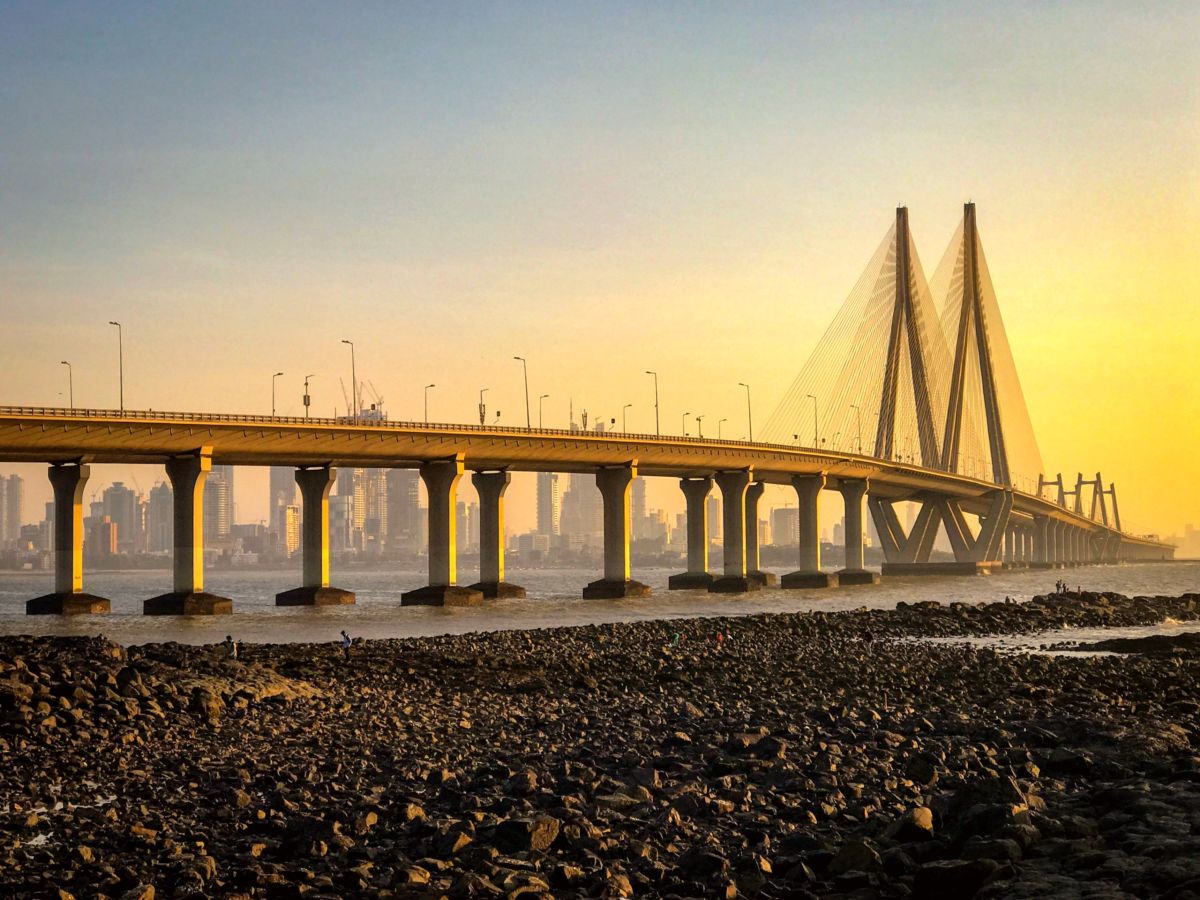
Mumbai
Introducción
Mumbai, una metrópoli bulliciosa, es una vibrante mezcla de culturas, tradiciones y modernidad. Los visitantes a menudo quedan cautivados por sus calles animadas, su rica historia y la calidez de su gente, lo que la convierte en un destino único en India.
Sin embargo, el ritmo acelerado de la ciudad puede ser abrumador. Desde el tráfico caótico hasta los trenes locales abarrotados, navegar por Mumbai requiere paciencia y un sentido de aventura.
En imágenes
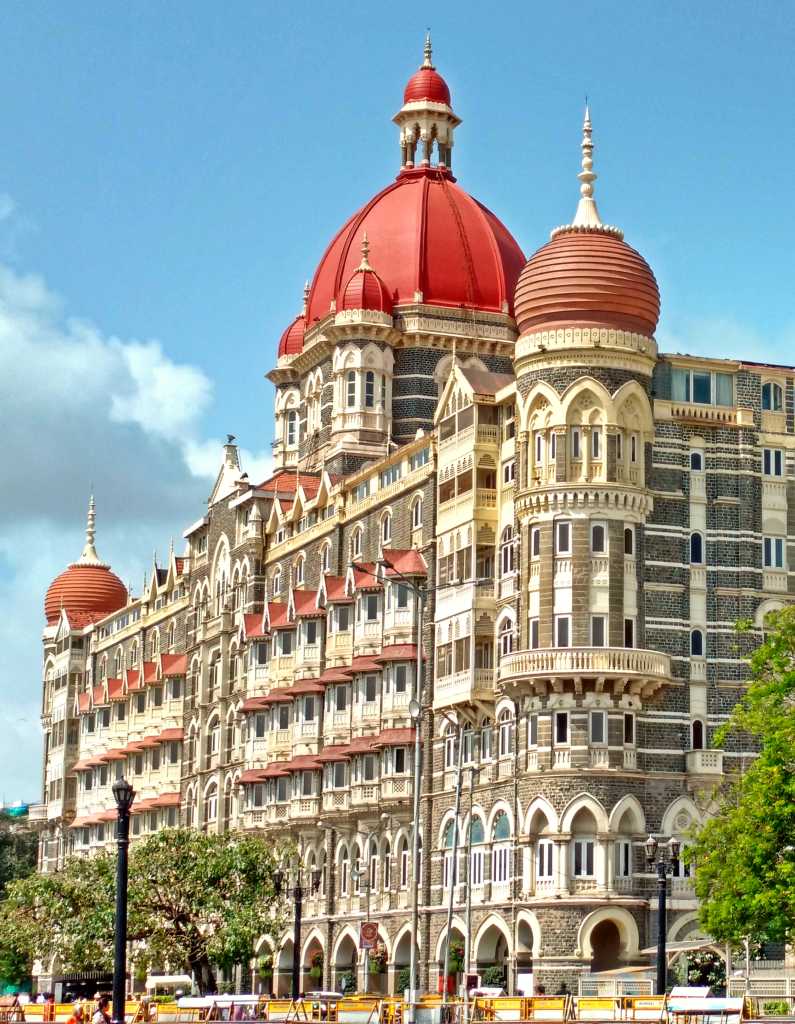
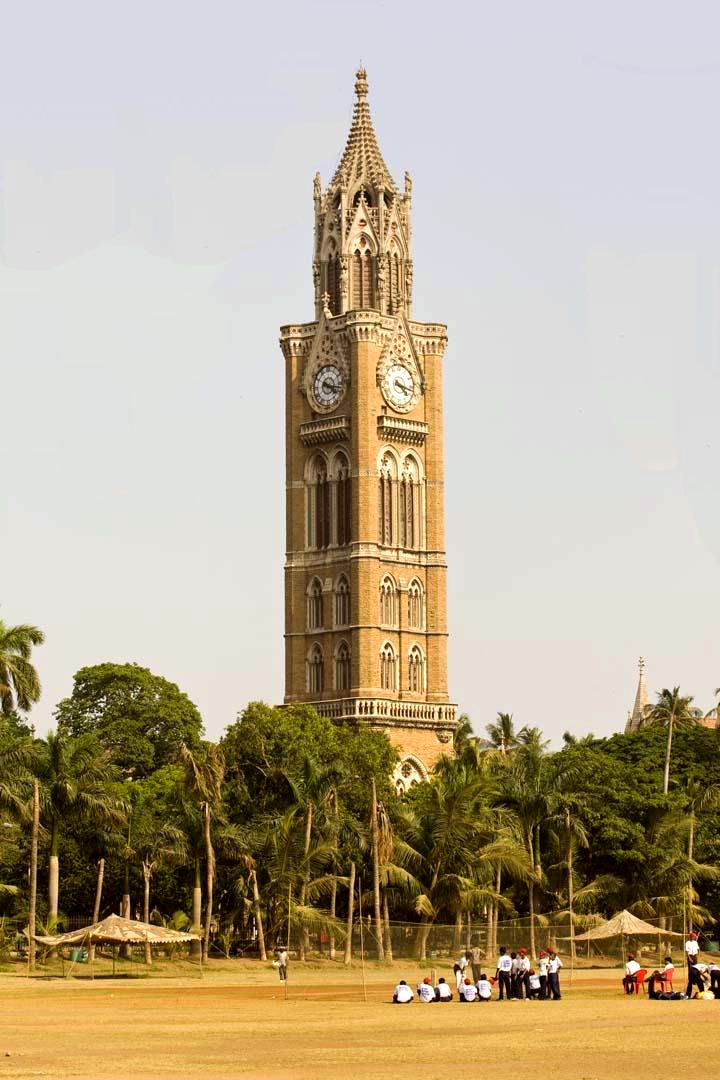
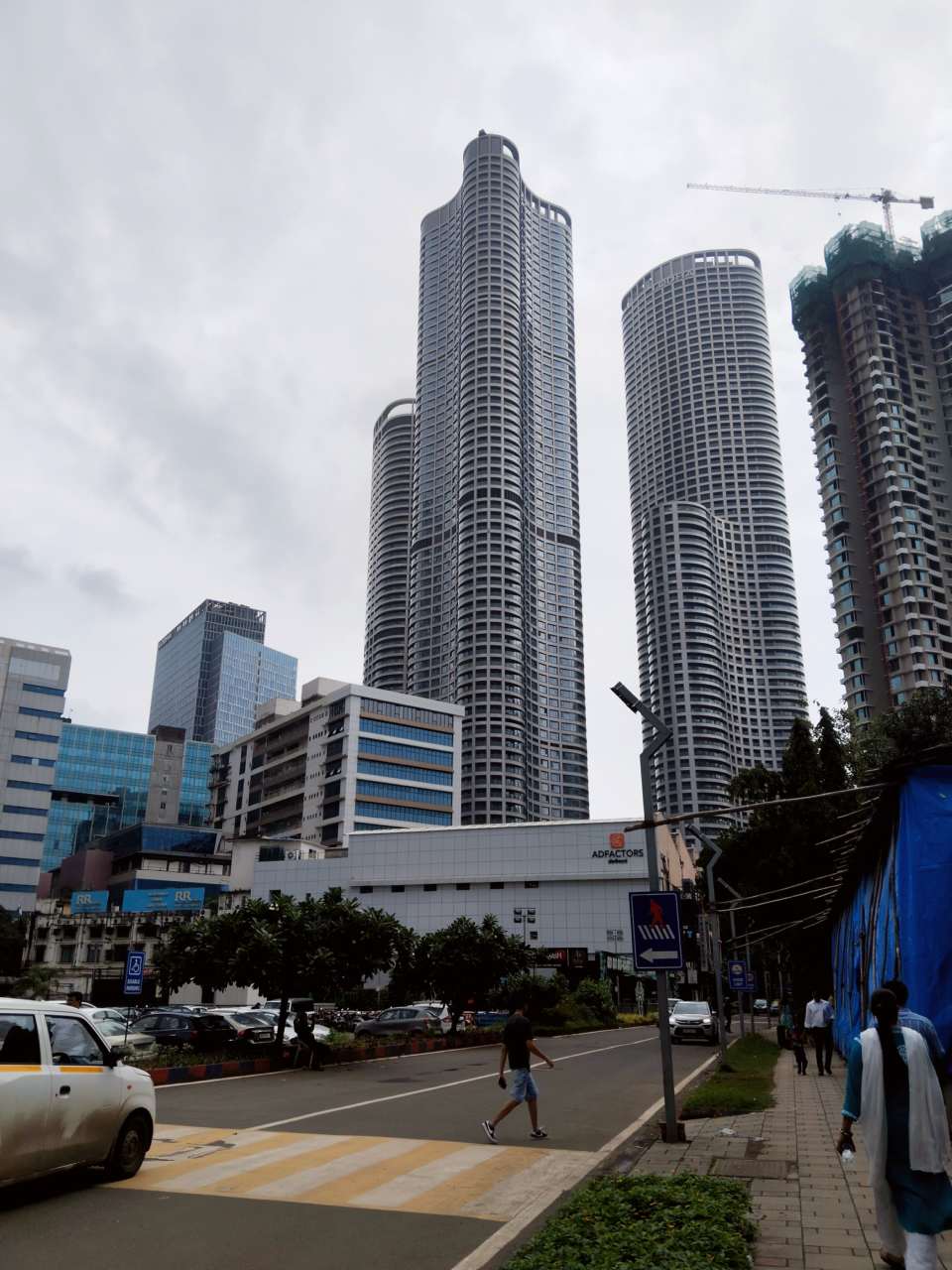
Sightseeing
Qué hacer
Principales atracciones
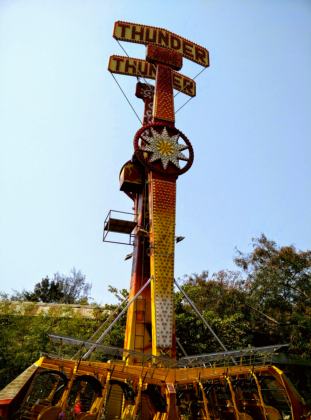
Essel World
A popular amusement park with rides.
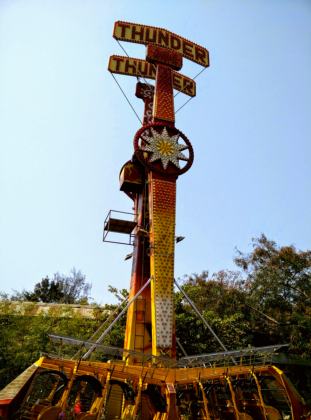
EsselWorld
Amusement park with rides and games
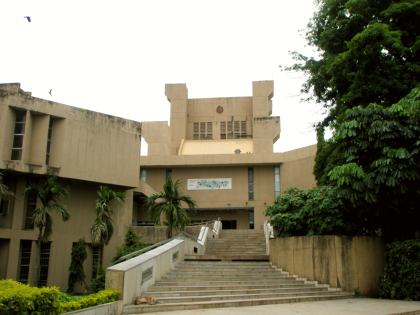
Nehru Science Centre
Interactive science exhibits for all ages.
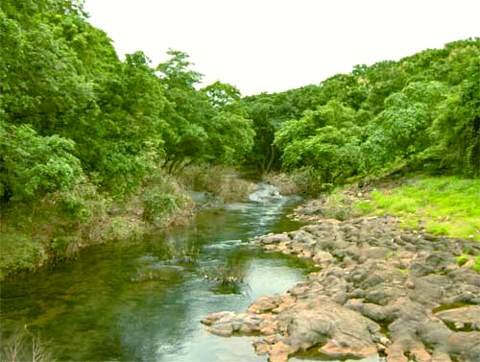
Sanjay Gandhi National Park
Sanjay Gandhi National Park is a large green space in the northern suburbs of Mumbai, covering over 100 square
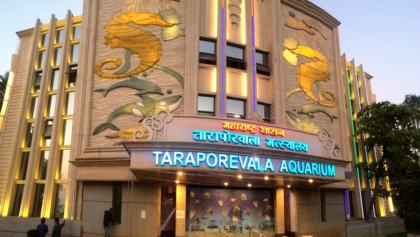
Taraporewala Aquarium
Home to a variety of marine life.
Comida y bebida local
Tradiciones locales

Historia
La historia de Mumbai se remonta a tiempos antiguos, originalmente una colección de islas habitadas por comunidades pesqueras. Los portugueses colonizaron la zona en el siglo XVI, seguidos por los británicos, quienes la transformaron en un importante puerto comercial y centro urbano.
La ciudad desempeñó un papel crucial en el movimiento de independencia de India y desde entonces ha evolucionado hasta convertirse en un centro financiero global. Hoy en día, Mumbai es conocida por su población diversa y como el corazón de Bollywood, reflejando su rica tapeza cultural.
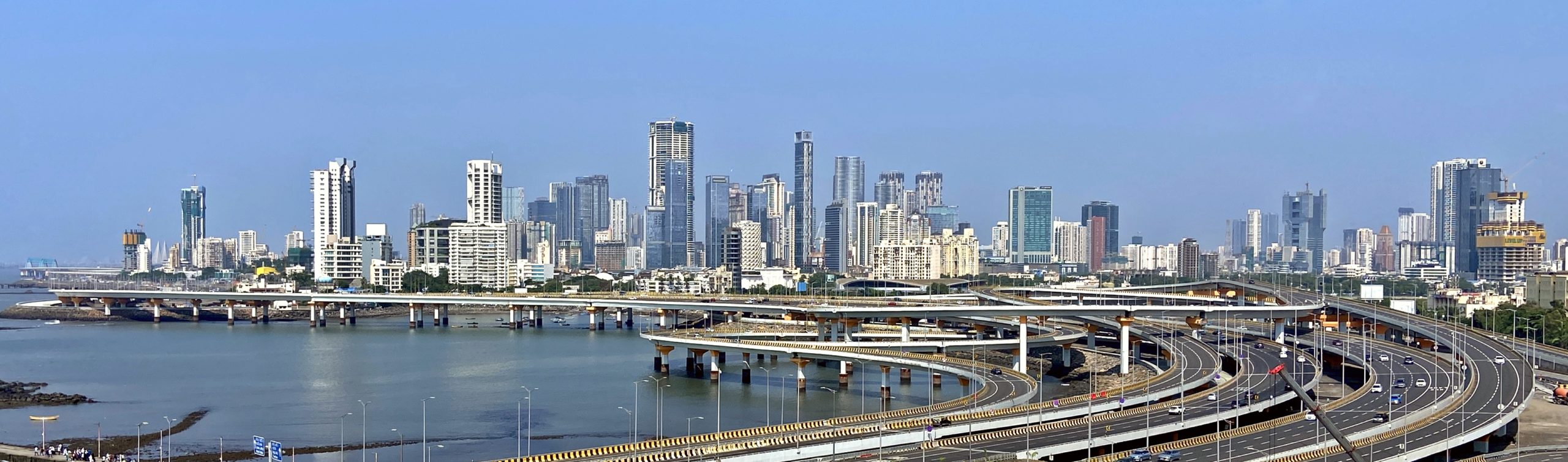
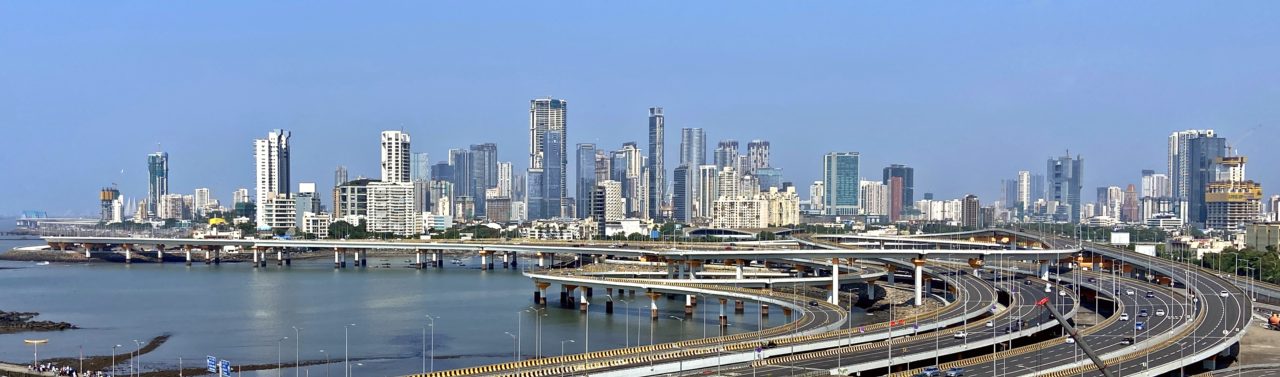
A drive along Mumbai's scenic coastline
The Coastal Road in Mumbai is a great way to escape the city's chaos. It runs along the Arabian Sea and offers amazing views of the water and the skyline. Early mornings or late afternoons are the best times to drive, as the sun gives a nice glow to the waves. You might see local fishermen working or families having a fun day out. Just be ready for traffic, especially during busy hours. Parking can be tricky too, so think about using public transport or ride-sharing to enjoy your trip.
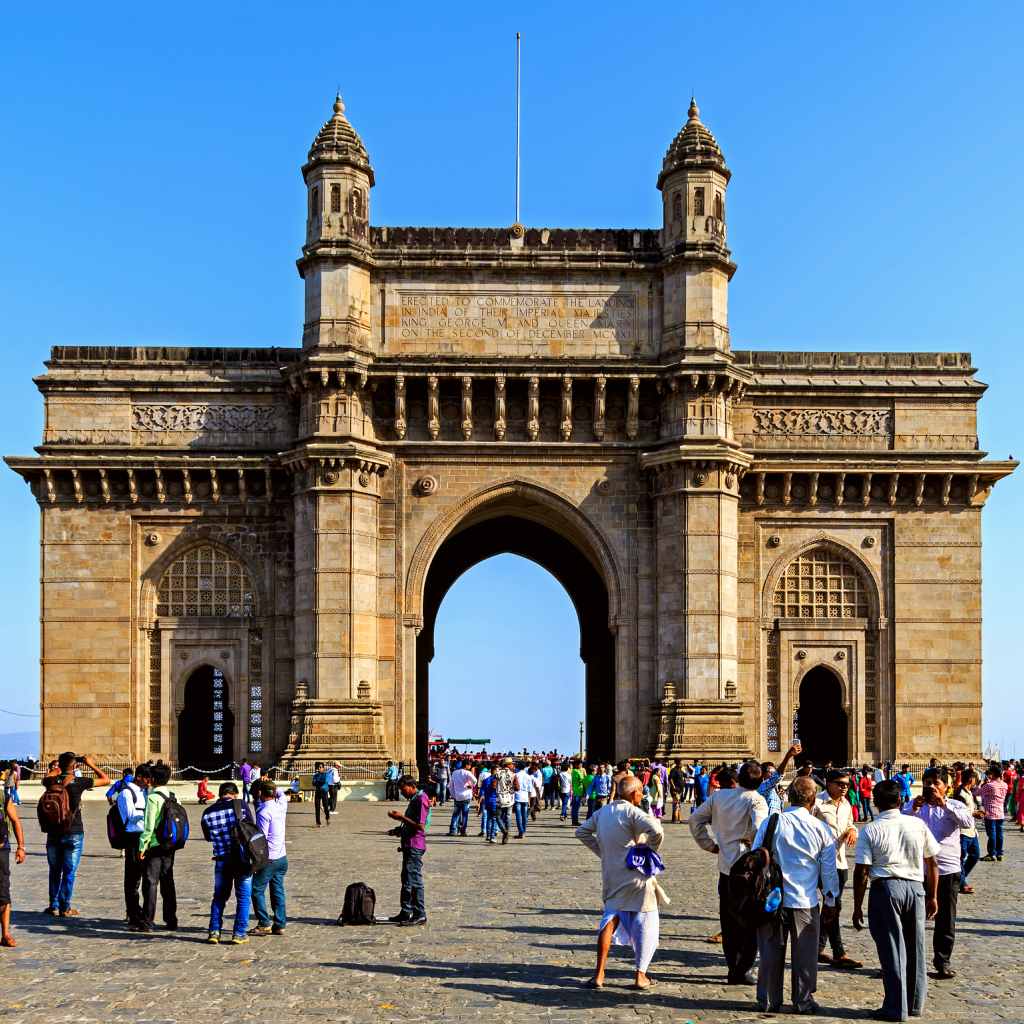
Gateway of India: A historical landmark
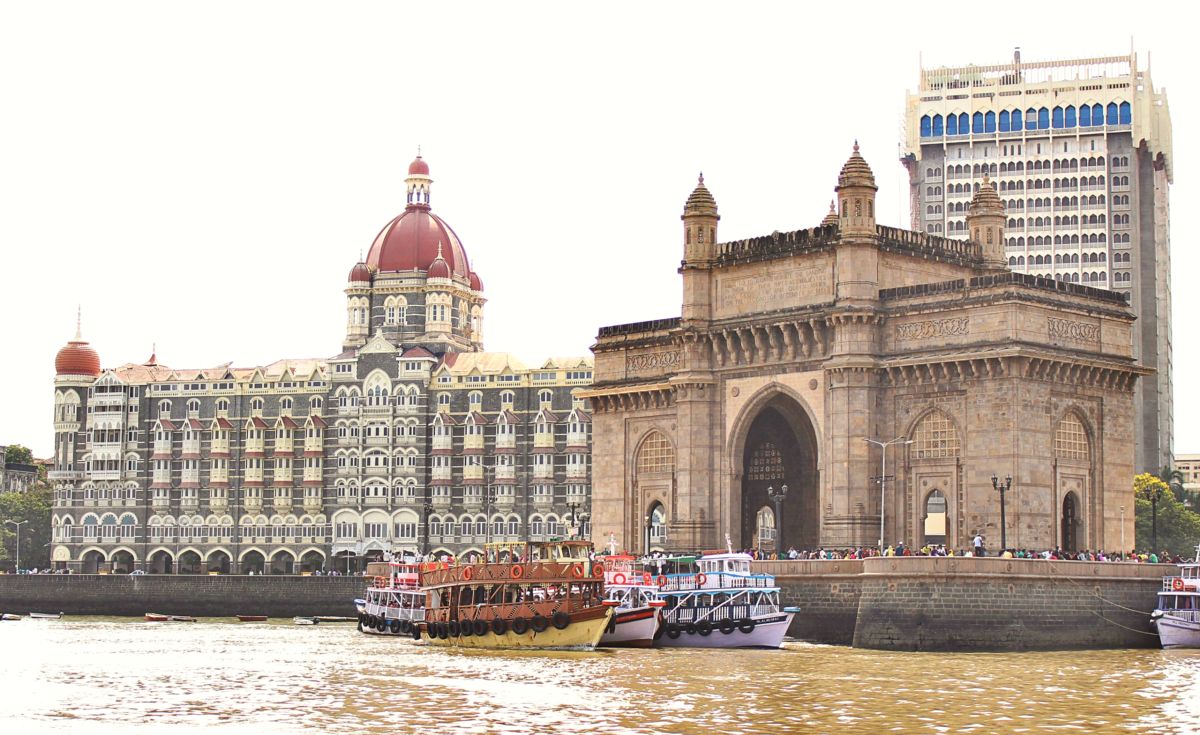
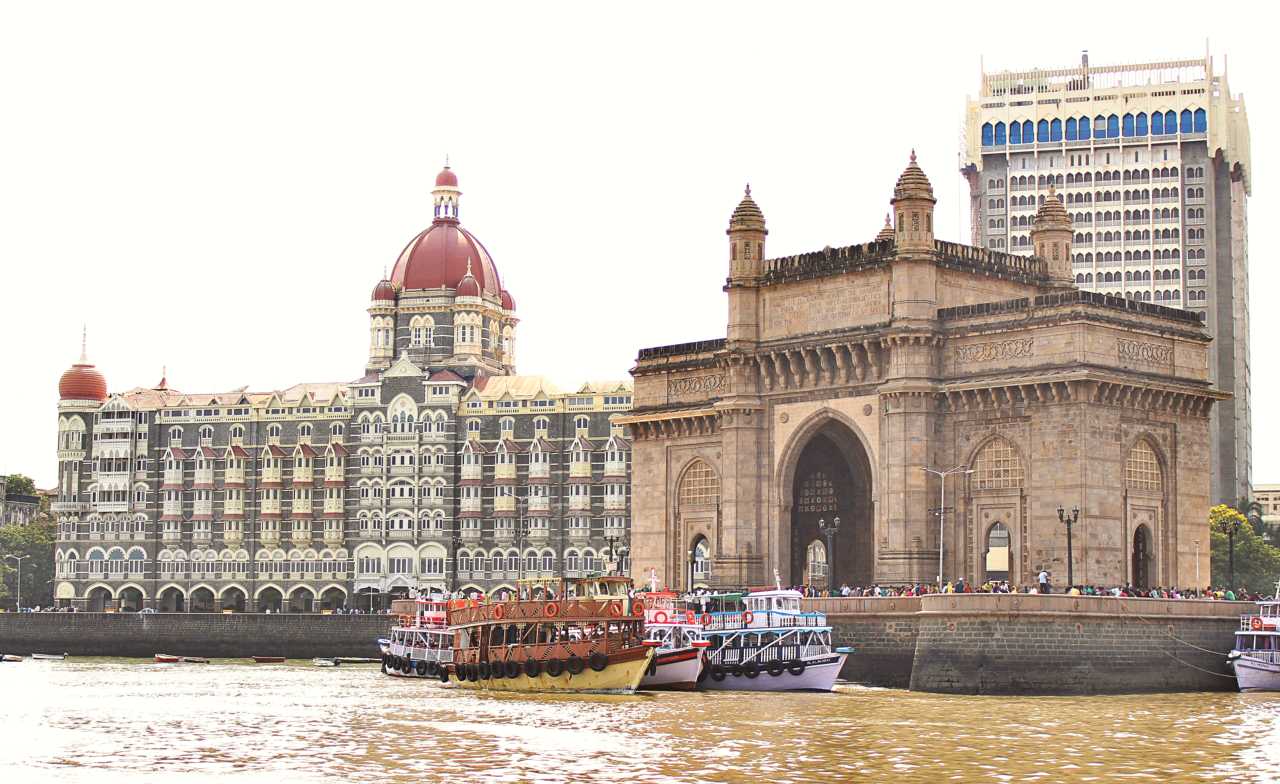
The Gateway of India is a symbol of Mumbai's colonial history. Built in 1924, this archway looks out over the Arabian Sea and is a favorite spot for both tourists and locals. You can catch a boat from here to visit Elephanta Island, famous for its ancient caves. It can get pretty crowded, especially on weekends and holidays, so going early in the morning can give you a more peaceful experience. Nearby street vendors sell snacks like bhel puri and pani puri, which are perfect for a quick bite while you soak in the vibe.
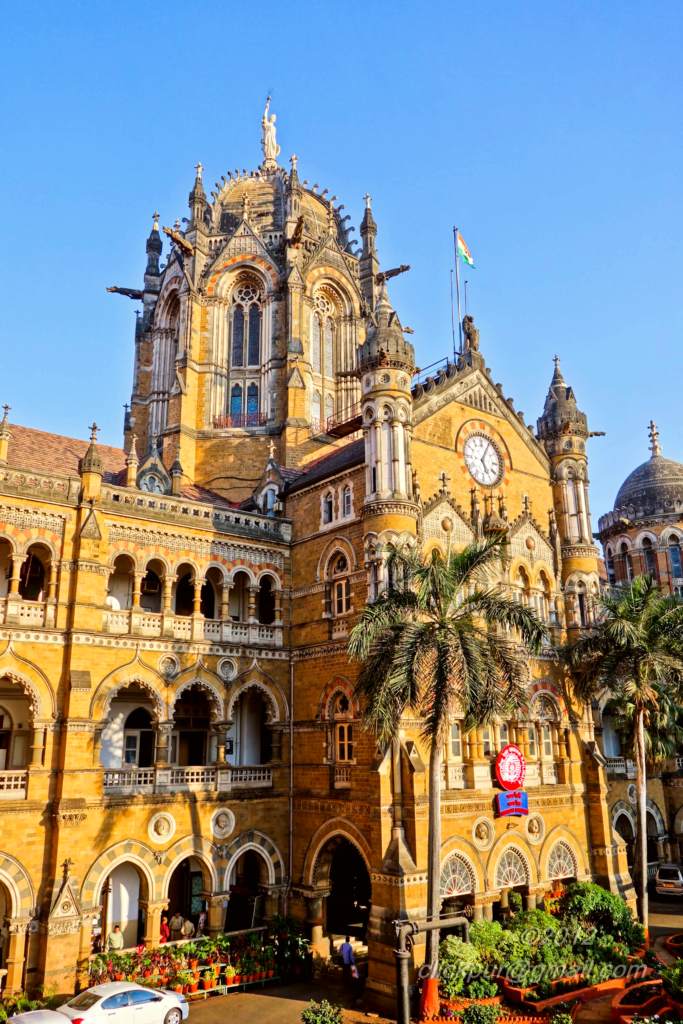
Explore Mumbai's railway heritage
Chhatrapati Shivaji Maharaj Terminus, a UNESCO World Heritage site, shows off Mumbai's rich railway history. The architecture mixes Victorian Gothic and Indian styles, making it a stunning sight. Inside, you can check out exhibitions that showcase how rail travel has evolved in India. While the station is busy and functional, take a moment to appreciate the intricate details of the building. Keep an eye on your belongings since it can get crowded. Visiting during off-peak hours can make your experience even better, letting you explore without the rush.
Cosas que saber
Qué hacer y qué evitar
Bueno saber
Foto: Wikipedia / Wikimedia Commons