search
search
add New trip
Jaipur
Destinations › … › India › Rajasthan

Jaipur

dedishari · Pixabay
dedishari · Pixabay
calendar_monthNov–Marbest time schedule5 daysplan for child_careYeswith kids confirmation_numberMid-rangeprice
JaipurYour own route Plan a trip here →

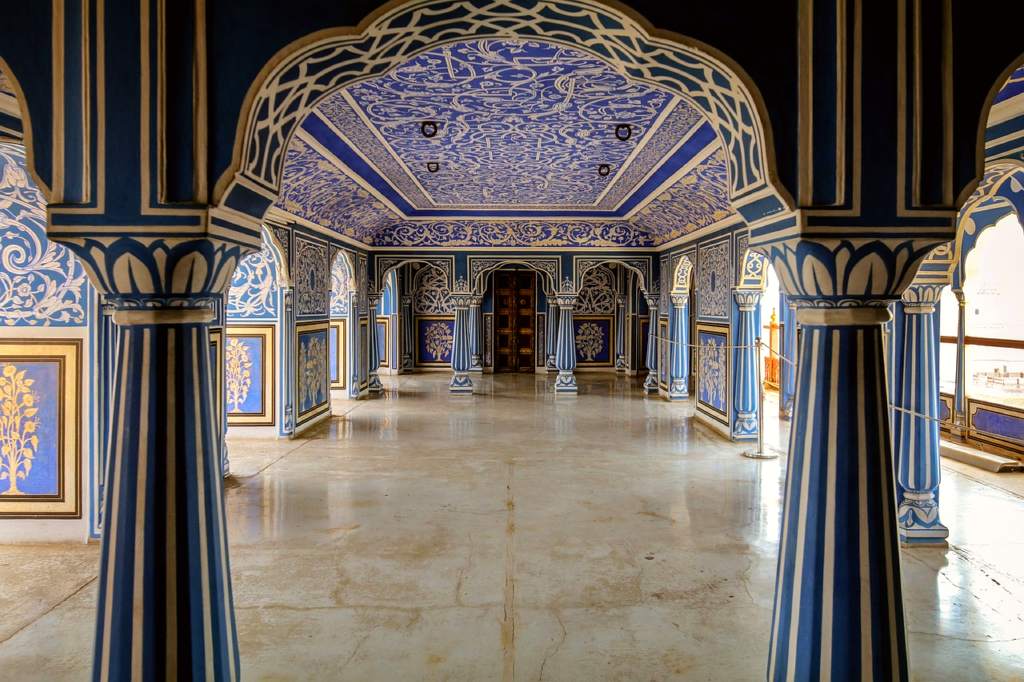
Jaipur, known as the Pink City, is a vibrant blend of history and modernity. The city is characterized by its stunning palaces, bustling bazaars, and rich cultural heritage, making it a feast for the senses.

Read more

Visitors are often captivated by the warm hospitality of the locals and the colorful streets. However, the city's rapid growth can lead to traffic congestion and noise, so be prepared for a lively atmosphere.

Routes through here

Every route opens in the planner as your own copy: change any stop, any night.

In pictures

Jaipur SusanFleming · Pixabay
Jaipur sarangib · Pixabay
Jaipur Ma Frank · Pixabay

Sightseeing

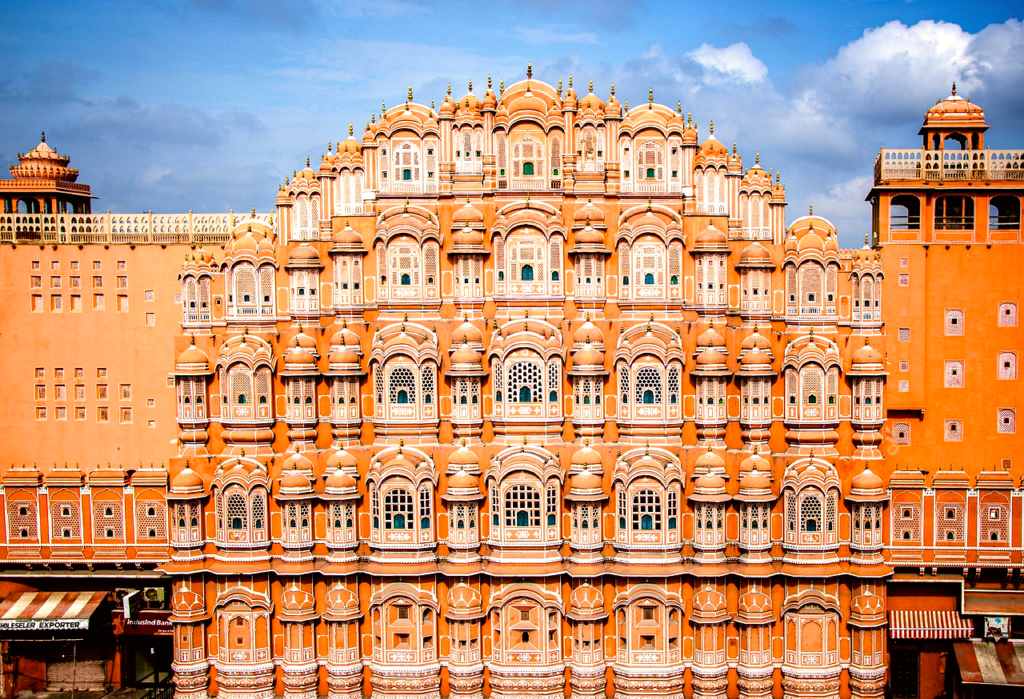
Hawa Mahal: The iconic palace with its unique façade and numerous windows.
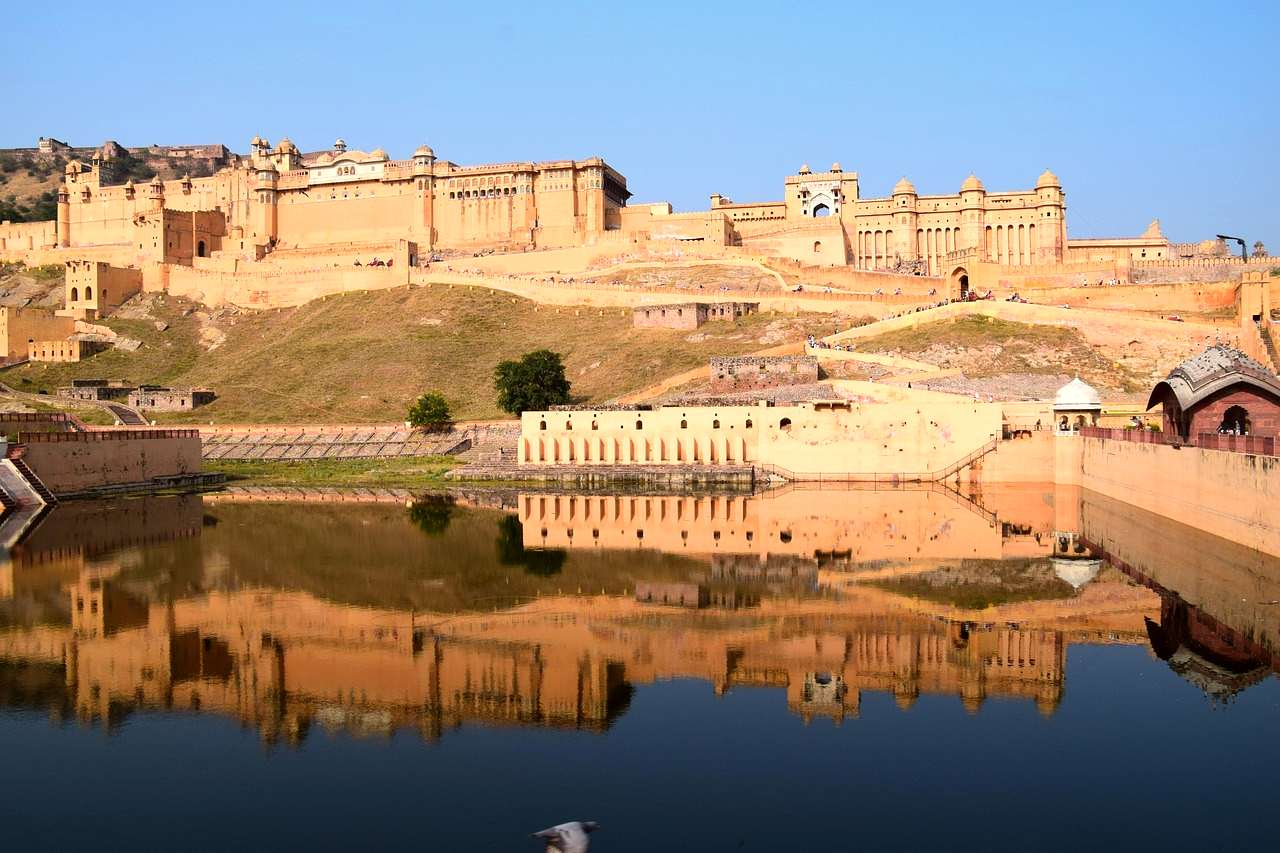
Amber Fort: A majestic fort offering stunning views and intricate architecture.
City Palace: A royal residence showcasing a mix of Mughal and Rajput architecture.
Jantar Mantar: An astronomical observatory with impressive instruments.
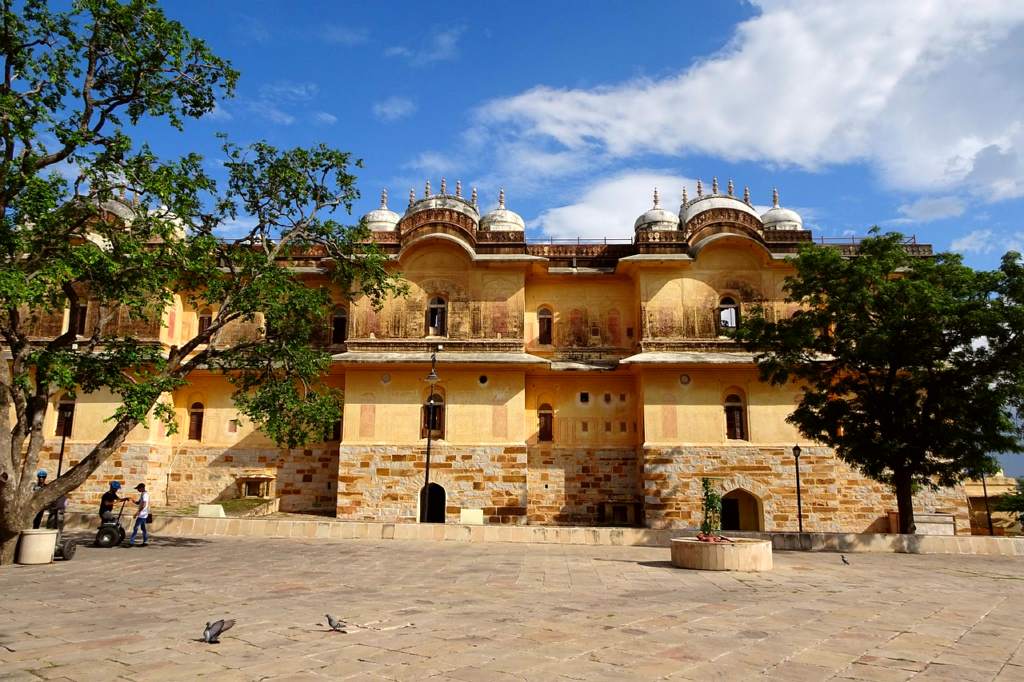
Nahargarh Fort: A fort with panoramic views of the city, especially at sunset.

"Experience the Royal Heritage of Rajasthan"Jaipur

Things to do

Explore local markets: Visit Johari Bazaar and Bapu Bazaar for handicrafts.
Attend a cultural show: Experience traditional Rajasthani dance and music at venues like Chokhi Dhani.
Take a hot air balloon ride: Enjoy views of the city from above, especially during the cooler months from October to March.
Visit a local workshop: Learn about traditional crafts like block printing at places such as Anokhi.

Local food and drinks

Dal Baati Churma: A traditional Rajasthani dish of lentils and baked bread.
Ghevar: A sweet disc-shaped dessert, especially popular during festivals.
Lassi: A refreshing yogurt drink, often flavored with fruits.
Chaat: Street food snacks that are a must-try for their flavors.
Chai: Enjoy a cup of spiced tea from local vendors.

Local traditions

Teej Festival: Celebrated with songs, dances, and swings in monsoon.
Gangaur Festival: A celebration of marital fidelity and the arrival of spring.
Rajasthani Weddings: Known for their grandeur and colorful rituals.
Kite Festival: Held in January, it fills the skies with vibrant kites.

Do's and don'ts

Bargain at markets: Haggling is expected and part of the experience.
Dress modestly: Respect local customs, especially in religious sites.
Try street food: Local vendors offer delicious and authentic flavors.
Learn a few Hindi phrases: It can enhance your interactions with locals.
Don't take photos in restricted areas: Always ask for permission first.
Don't ignore local customs: Be respectful of traditions and practices.
Don't drink tap water: Stick to bottled water to avoid illness.
Don't rush your visit: Take time to soak in the culture and sights.

Explore the grandeur of Amber Palace

Amber Palace, built in the 16th century, showcases intricate mirror work and stunning views of the surrounding hills. The palace's architecture reflects a blend of Hindu and Mughal styles, making it a fascinating site for history enthusiasts. Visitors can wander through the expansive courtyards and admire the Sheesh Mahal, where the walls are adorned with thousands of tiny mirrors. Be prepared for a steep climb to reach the palace, which can be tiring in the heat. Early morning or late afternoon visits are ideal to avoid crowds and enjoy the cooler temperatures.

Experience tranquility at Birla Mandir

Birla Mandir, a marble temple dedicated to Lord Vishnu and Goddess Lakshmi, stands out with its intricate carvings and peaceful ambiance. The temple is open to visitors of all faiths and offers a serene escape from the city's hustle. The white marble shines brightly under the sun, and the surrounding gardens provide a lovely spot to relax. However, be mindful of the dress code, as modest attire is required. Visiting during the evening can be particularly rewarding, as the temple is beautifully illuminated.

Discover the astronomical wonders of Jantar Mantar

Jantar Mantar is an astronomical observatory built in the 18th century, featuring a collection of large instruments used for measuring time and celestial bodies. The most impressive structure is the Samrat Yantra, a massive sundial that can accurately tell the time to within two seconds. Visitors can explore the various instruments and learn about their historical significance. The site can get quite hot during midday, so plan your visit in the morning or late afternoon. Guided tours are available and can enhance your understanding of this unique scientific heritage.

Practical

At a glance

Founded
1727
Population
3.000.000
Accessibility
Some areas are wheelchair accessible, but many are not.
Price level
Mid-range

Things to know

Be cautious of touts: Some may lead you to overpriced shops.
Traffic can be chaotic: Plan your travel times accordingly.
Public transport is limited: Consider hiring a private driver.
Stay hydrated: The heat can be intense, especially from April to June.
history_eduHistoryexpand_more

Jaipur was founded in 1727 by Maharaja Sawai Jai Singh II, who sought to create a planned city. The city was designed according to Shilpa Shastra, an ancient Indian treatise on architecture, which is evident in its grid-like layout and distinct pink buildings.

Over the years, Jaipur has evolved into a major cultural and economic hub in Rajasthan. Its rich history is reflected in the numerous forts and palaces that dot the landscape, attracting visitors from around the world.

Photo: dedishari · Pixabay Content License · Pixabay

Photo credits (3)