search
search
add New trip
Agra
DestinationsIndiaUttar Pradesh

Agra

calendar_monthOct–Marbest time schedule3 daysplan for child_careYeswith kids confirmation_numberMid-rangeprice
AgraYour own route Plan a trip here →

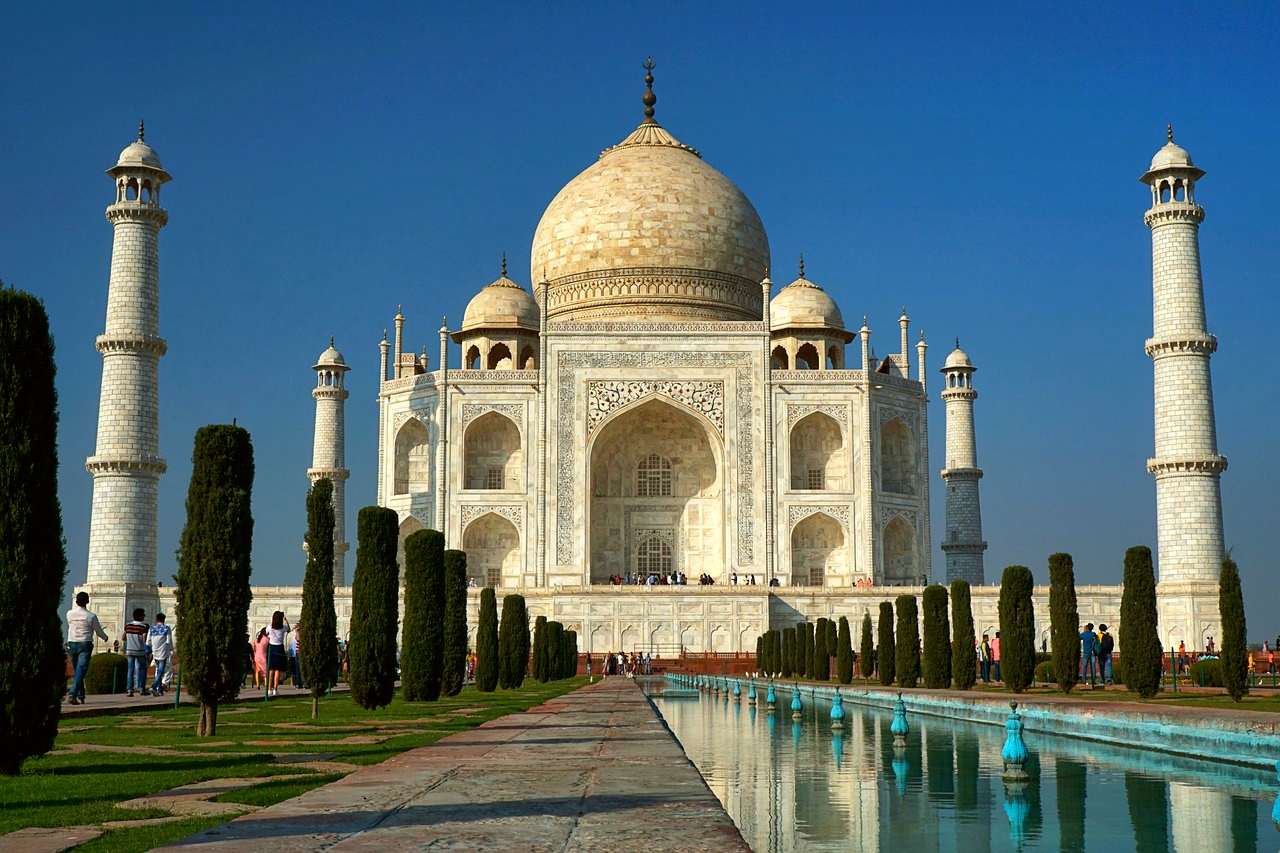
Agra, a city steeped in history, is best known for the iconic Taj Mahal, a symbol of love and architectural brilliance. The bustling streets are filled with a mix of local vendors, historical sites, and a vibrant culture that invites exploration.

In pictures

Agra
Agra
Agra
Agra
Agra
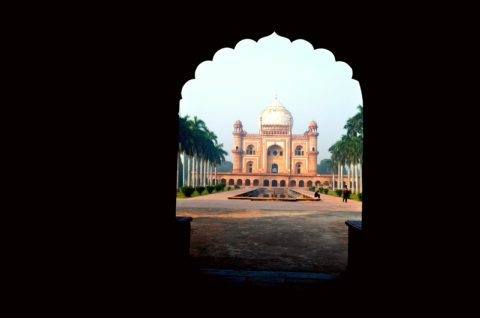
The Tomb of Mariam-uz-Zamani in Sikandra was originally built as a Baradari by Sultan Sikandar Khan Lodi in 1495.

Sightseeing

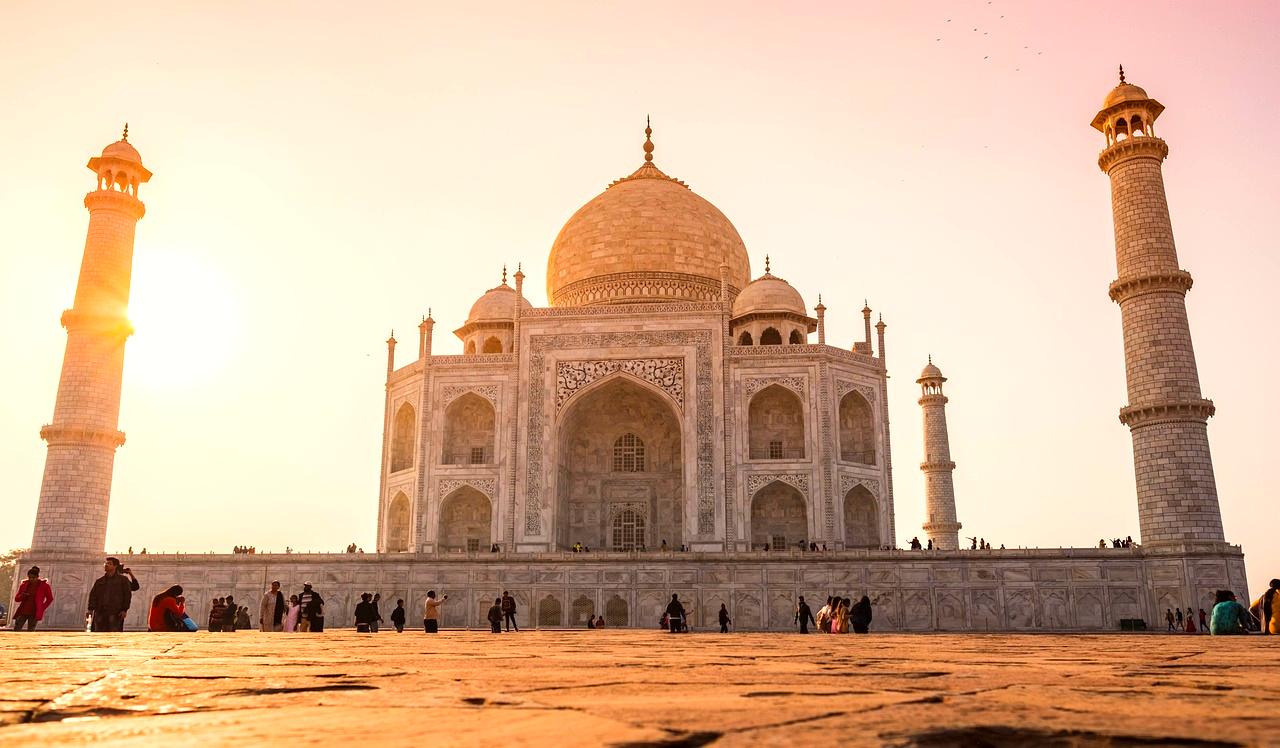
Taj Mahal: the world-famous mausoleum built by Shah Jahan
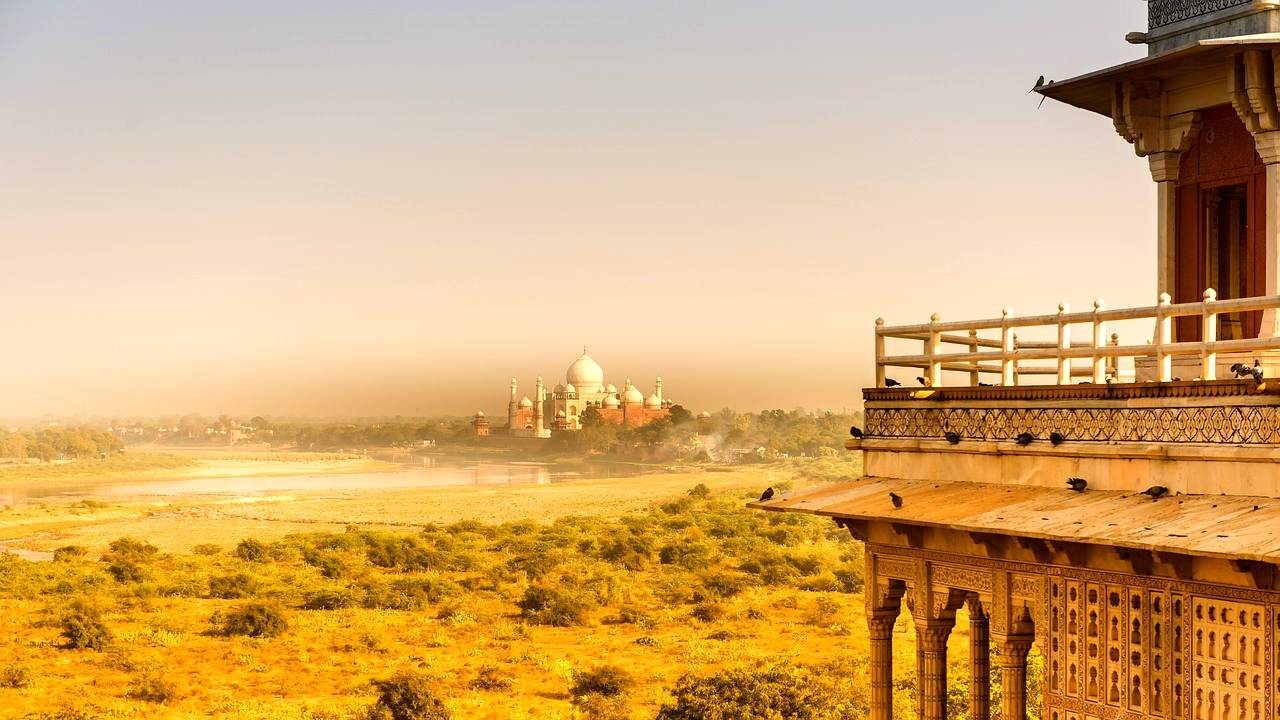
Agra Fort: a UNESCO World Heritage site with stunning views
Itimad-ud-Daulah's Tomb: known as the 'Baby Taj', a beautiful marble tomb
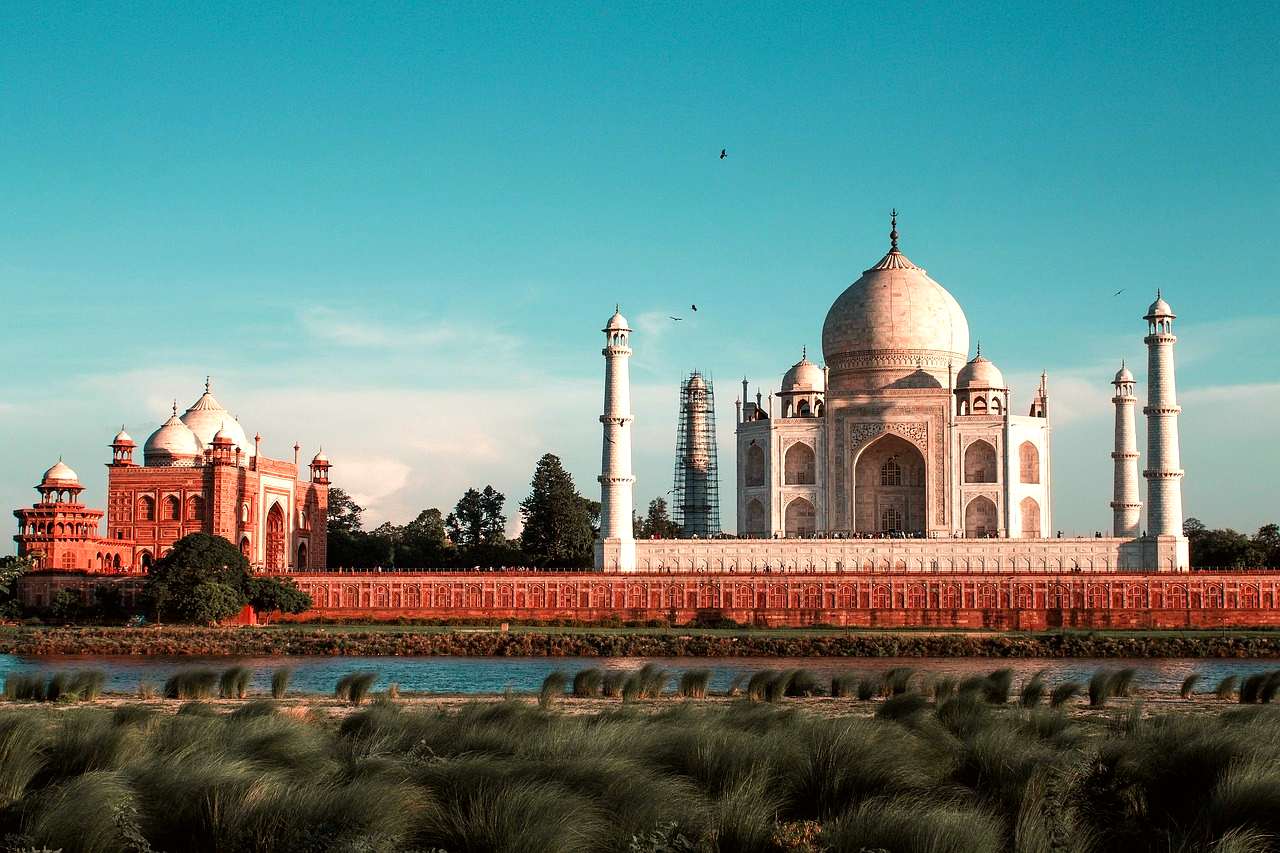
Mehtab Bagh: a serene garden with a view of the Taj Mahal
Jama Masjid: a grand mosque with intricate architecture
Fatehpur Sikri: a nearby abandoned Mughal city, rich in history
Akbar's Tomb: the final resting place of the Mughal emperor Akbar
Chini Ka Rauza: a lesser-known tomb with beautiful tile work

"Where history whispers through time"Agra

Things to do

Explore the Taj Mahal at sunrise for fewer crowds and a cooler temperature.
Visit local markets like Sadar Bazaar for authentic handicrafts and souvenirs.
Take a guided tour to learn about Mughal history, especially at Agra Fort.
Enjoy a sunset view of the Taj from Mehtab Bagh, which is less crowded in the evening.
Experience a traditional Mughlai meal at a local restaurant, try the biryani or kebabs.
Local food and drinks - Agra

Local food and drinks

Petha: a sweet made from ash gourd, a local specialty
Mughlai cuisine: rich dishes like biryani and kebabs
Lassi: a refreshing yogurt drink, perfect for the heat
Chaat: spicy street snacks available at various stalls
Puri Jalebi: a popular breakfast dish, sweet and savory
Local traditions - Agra

Local traditions

Taj Mahotsav: an annual cultural festival celebrating art and crafts
Eid celebrations: vibrant festivities with communal prayers and feasting
Diwali: the festival of lights, celebrated with great enthusiasm
Holi: the festival of colors, marked by joyous celebrations

Do's and don'ts

Visit the Taj Mahal early in the morning
Try local street food from reputable vendors
Respect local customs and dress modestly
Bargain politely when shopping in markets
Don't take photos in restricted areas, especially inside monuments
Don't engage with aggressive street vendors
Don't ignore local traffic rules when crossing streets
Don't visit without checking the weather, as it can be extreme
A delicate masterpiece of Mughal architecture

A delicate masterpiece of Mughal architecture

The Tomb of Itmad-ud-Daulah, often referred to as the 'Baby Taj', is a lesser-known but exquisite example of Mughal architecture. Built in the early 17th century, this tomb features intricate marble inlay work and beautiful gardens. It offers a quieter experience compared to the Taj Mahal, allowing visitors to appreciate the craftsmanship without the crowds. The surrounding area is peaceful, making it a perfect spot for reflection. However, be prepared for some uneven paths and limited amenities nearby.

A serene tribute to a great Mughal emperor

A serene tribute to a great Mughal emperor

The Tomb of Akbar the Great, located in Sikandra, is an expansive complex that showcases the grandeur of Mughal architecture. The site features lush gardens and impressive gateways, making it a pleasant place to stroll. The tomb itself is adorned with intricate carvings and beautiful tile work. While it is less crowded than other attractions, the distance from central Agra means you may need to plan your transport accordingly. Bring water and snacks, as facilities are limited.

Explore the history within Agra Fort's walls

Explore the history within Agra Fort's walls

Agra Fort is a UNESCO World Heritage site that offers a glimpse into the Mughal era. The fort's red sandstone walls and impressive architecture tell stories of power and intrigue. Inside, you can explore various palaces, mosques, and gardens. The views of the Taj Mahal from the fort are particularly striking. However, be prepared for a fair amount of walking and some steep stairs. It can get hot during the day, so an early visit is advisable to avoid the heat and crowds.

info_outlinePracticalexpand_more
Since: Founded around 1500 AD
Population: 1.586.000

About Agra

Visitors can expect a blend of the old and new, with Mughal architecture standing alongside modern developments. However, the city's charm can be overshadowed by heavy traffic and the throngs of tourists, especially near major attractions.

Things to know

Be cautious of touts near major attractions, they can be persistent.
Traffic can be chaotic, plan extra time for travel.
Avoid visiting during peak summer months, especially June to August, due to extreme heat.
Public transport options are limited, consider hiring a private driver or using e-rickshaws for short distances.

Good to know

Accessibility: Some areas are wheelchair accessible, but many sites have stairs.
Price level: mid-range
history_eduHistoryexpand_more

Agra's history dates back to ancient times, with references in texts as early as the 11th century. It rose to prominence during the Mughal Empire, becoming a center of culture and architecture, particularly under emperors like Akbar and Shah Jahan.

The city is home to some of India's most significant architectural achievements, including the Taj Mahal, built in the 17th century as a mausoleum for Shah Jahan's beloved wife, Mumtaz Mahal. Agra's historical significance continues to attract millions of visitors each year.

Photo: Wikipedia / Wikimedia Commons