West Bengal
 Oct–Marbest time
10 daysplan for
Yeswith kids
Oct–Marbest time
10 daysplan for
Yeswith kids
West Bengal is a vibrant state in India, known for its rich cultural heritage, diverse landscapes, and bustling cities. From the serene beauty of the Sundarbans to the artistic hub of Kolkata, it offers a unique blend of experiences for travelers seeking history, nature, and culinary delights.
Read more
The state is also famous for its festivals, art, and literature, making it a cultural hotspot. However, be prepared for the hustle and bustle of urban life, especially in Kolkata, where traffic can be overwhelming and the crowds dense.
Sightseeing
Local food and drinks
Local traditions
Practical
At a glance
- Best time
- October to March
History
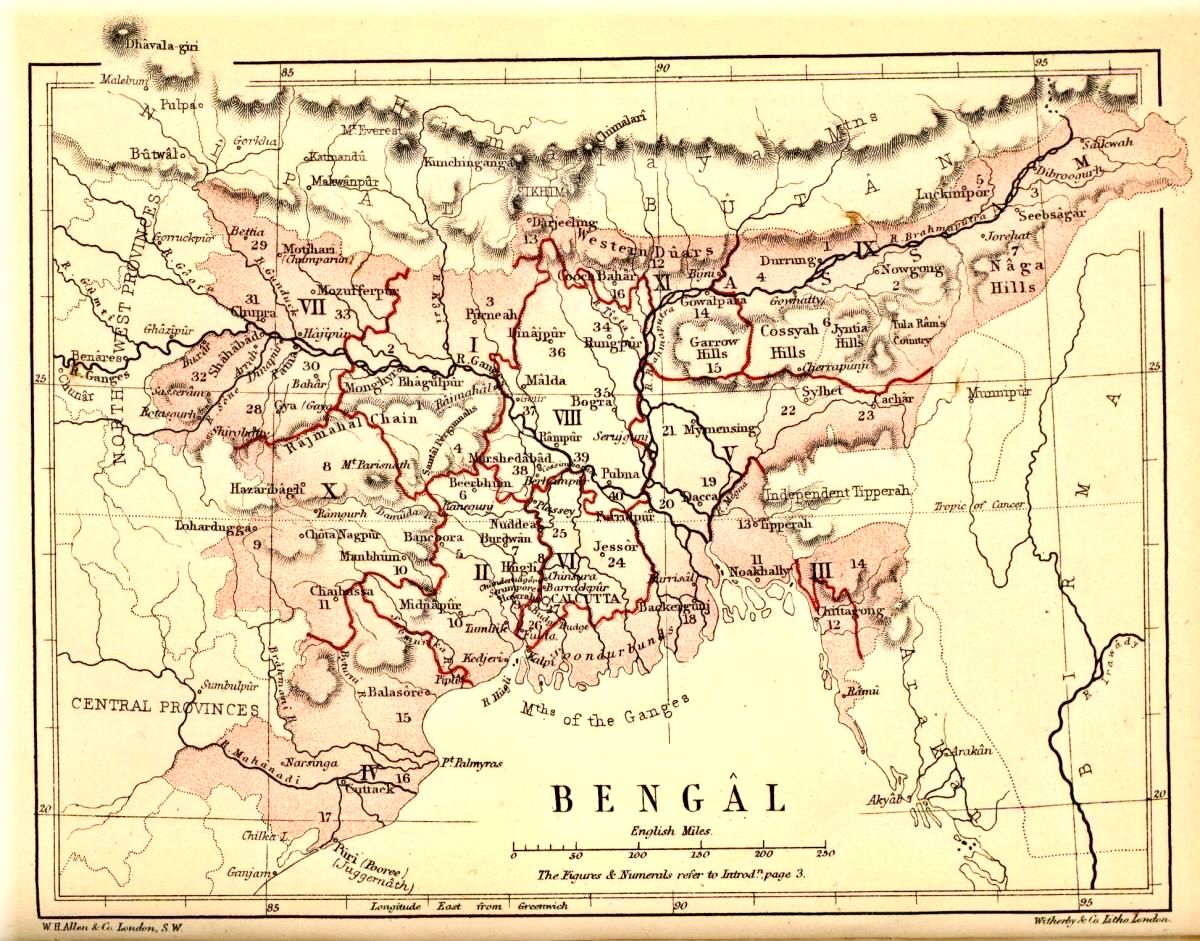 W. H. Allen and Co. · Public domain
West Bengal has a rich history that dates back to ancient times, influenced by various dynasties and cultures. The region played a significant role during the British colonial period, with Kolkata serving as the capital of British India until 1911, leading to a blend of Western and Indian cultures.
Post-independence, West Bengal has been a center for political movements and cultural renaissance. The state has seen significant migration and communal tensions, particularly during the partition of India in 1947, shaping its modern identity and demographics.
Photo credits (1)
- W. H. Allen and Co. · Public domain · Wikipedia