search
search
add New trip
Destinations › … › Indonesia › Java

Jakarta

calendar_monthApr–Jun, Sep–Octbest time schedule4 daysplan for child_careYeswith kids confirmation_numberMid-rangeprice
JakartaYour own route Plan a trip here →

Jakarta is a bustling metropolis that perfectly blends modernity with rich cultural heritage. The city is alive with energy, from its crowded streets filled with motorbikes to the vibrant markets where traditional crafts and street food abound.

Read more

Visitors will find a mix of colonial architecture, contemporary skyscrapers, and a diverse population that reflects Indonesia's vast cultural tapestry. However, the city's traffic can be overwhelming, and the heat may take some getting used to.

Sightseeing

National Monument: an iconic symbol of Indonesia's independence
Old Town (Kota Tua): a historical area with colonial buildings
Istiqlal Mosque: the largest mosque in Southeast Asia
Jakarta Cathedral: a stunning neo-gothic church
Taman Mini Indonesia Indah: a cultural park showcasing Indonesia's diversity
Ancol Dreamland: a large recreational park by the sea
Museum Nasional: a comprehensive museum of Indonesian history
Sunda Kelapa Harbor: a historic port with traditional wooden ships

"A vibrant blend of cultures and history"Jakarta

Things to do

Explore the street food scene: try Asinan Betawi, a mix of pickled vegetables with peanut sauce.
Visit the markets: shop for handicrafts at Pasar Baru.
Take a boat tour: navigate the canals of Jakarta.
Experience nightlife: check out bars in Kemang or the clubs in SCBD.
Attend a cultural performance: see a Lenong theatre show with Gambang Kromong music.
Relax in parks: unwind at Taman Suropati or Taman Menteng.
Don't forget to visit the Jakarta History Museum to learn about the city's past.

Local food and drinks

Nasi Goreng: Indonesia's famous fried rice dish
Sate: skewered and grilled meat served with peanut sauce
Gado-Gado: a salad of boiled vegetables with peanut dressing
Teh Botol: sweetened jasmine tea in a bottle
Kerak Telor: a traditional Betawi omelette snack

Local traditions

Jakarta Fair: an annual trade and cultural festival
Betawi Culture: local customs and traditional performances
Jakarta's Chinese New Year: vibrant celebrations in Chinatown
Ramadan: special events and night markets during the holy month

Do's and don'ts

Try local street food for an authentic experience
Respect local customs and dress modestly at religious sites
Negotiate prices at markets for souvenirs
Learn a few basic Indonesian phrases to connect with locals
Don't assume all areas are safe, research beforehand
Don't drink tap water, stick to bottled water
Don't rush through your visit, take time to explore
Don't ignore traffic rules when crossing streets

The pulse of Jakarta's modern life

The Central Business District of Jakarta is a striking contrast to the city's historical sites. Skyscrapers tower above, housing major corporations and upscale restaurants. Here, you can find the Plaza Indonesia shopping mall, where luxury brands line the halls. The area is also known for its nightlife, with bars and clubs that attract both locals and tourists. However, be prepared for heavy traffic, especially during rush hours. It can take a while to navigate the busy streets, so plan your outings accordingly.

A glimpse into Jakarta's colonial past

Fatahillah Square is the heart of Jakarta's Old Town, where colonial architecture tells stories of the past. The Jakarta History Museum, housed in the former city hall, showcases artifacts from the Dutch colonial era. You can stroll around the square, enjoying street performances and local snacks like kue cubir, a traditional cake. The atmosphere is lively, especially on weekends. However, the area can get crowded, so visiting early in the day might offer a quieter experience.

Explore Indonesia's rich heritage

The National Museum of Indonesia is a treasure trove of cultural artifacts. From ancient relics to traditional costumes, the museum provides insight into the diverse cultures of the archipelago. Admission is affordable, making it accessible for all visitors. The museum's spacious galleries allow for a leisurely exploration. However, some exhibits may not have English translations, so consider hiring a guide for a more enriching experience. The museum is a great way to spend a few hours away from the city's hustle.
Practical

At a glance

Founded
400 AD
Population
10.500.000
Accessibility
Some areas are wheelchair accessible, others are not
Price level
Mid-range

Things to know

Traffic congestion is notorious, plan travel times wisely.
Major roads can be packed during rush hours and weekends, especially during the rainy season when motorcyclists seek shelter under fly-overs.
Public transport can be limited, consider ride-hailing apps like Gojek or Grab.
Safety varies by area, stay aware of your surroundings.
Watch out for tourist traps in popular areas.
history_eduHistoryexpand_more

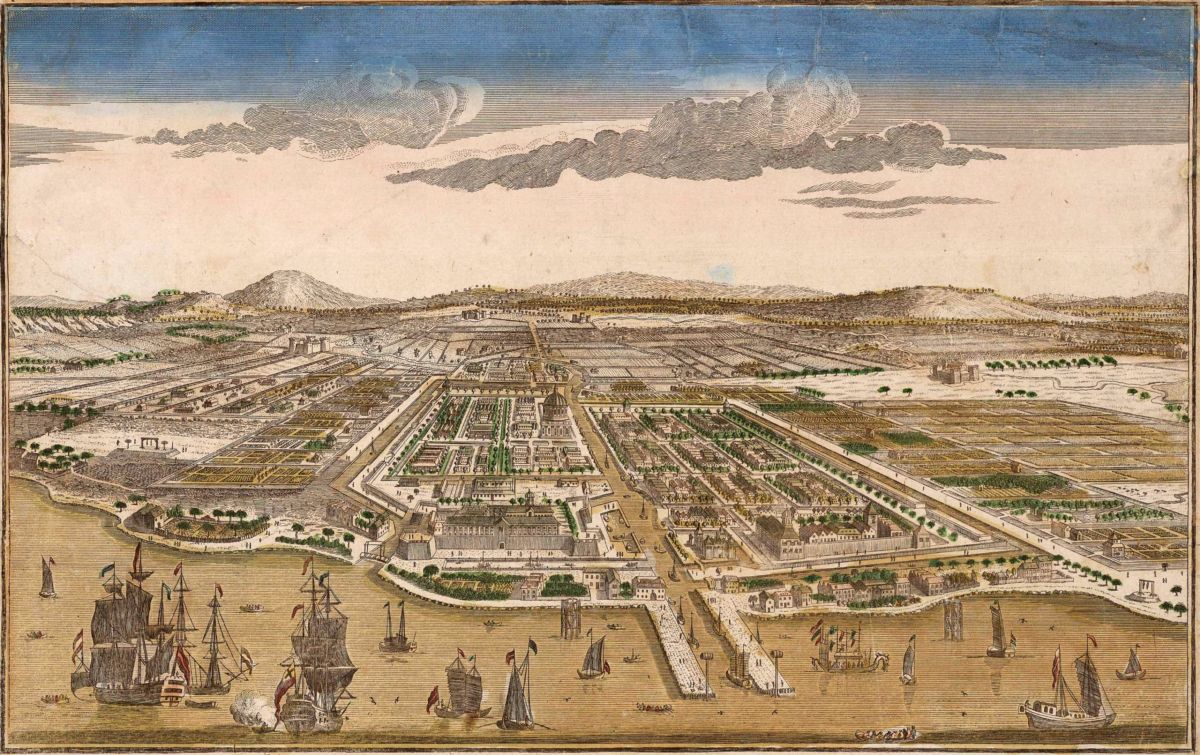
Jakarta's history dates back to the 4th century when it was known as Sunda Kelapa, a port city for the Hindu kingdom of Sunda. The city evolved under Portuguese and Dutch colonial rule, becoming Batavia in the 17th century, a crucial trade hub in the region.

Post-independence in 1945, Jakarta emerged as the capital of Indonesia, witnessing rapid urbanization and population growth. Today, it stands as a testament to Indonesia's journey through colonialism, independence, and modernization.

Photo credits (1)
  • Paris : Daumont I. van Reyne. - London : R. Sayer, 1754 · Public domain · Wikimedia Commons