search
search
add New trip
Mataram
Destinations › … › Indonesia › Lombok

Mataram

calendar_monthApr–Jun, Sep–Octbest time schedule3 daysplan for child_careYeswith kids confirmation_numberMid-rangeprice
MataramYour own route Plan a trip here →

Mataram, the capital of Lombok, offers a blend of urban life and rich cultural heritage. Visitors can explore bustling markets, traditional crafts, and the warm hospitality of the Sasak people.

Read more

The city serves as a gateway to Lombok's stunning landscapes, yet retains its own charm with local parks and historical sites. While it may not be as touristy as Bali, Mataram provides an authentic Indonesian experience that is both vibrant and inviting.

In pictures

Mataram
Mataram

Sightseeing

Mayura Water Palace: a historic site with beautiful gardens
Narmada Park: a serene park with a replica of Mount Rinjani
Lingsar Temple: a unique site for Hindu and Muslim worship
Pura Meru: Lombok's largest Hindu temple
Museum Negeri Nusa Tenggara Barat: showcases local history and culture
Batu Bolong Temple: offers stunning coastal views
Taman Narmada: a cultural park with historical significance

"Experience the Heart of Lombok"Mataram

Things to do

Visit Mayura Park, a historic garden and water palace from the 18th century, located at Jl.
Purbasari 29.
The park is open from 08:00 to 21:00 and has an entrance fee of Rp20,000.
Explore traditional crafts at local artisan workshops in Cakranegara.
Attend a Sasak cultural performance at the local cultural center to experience local traditions.
Take a cooking class to learn how to prepare Lombok's famous dishes like ayam taliwang.
Hike nearby hills such as Bukit Pergasingan for panoramic views of the city and surrounding landscapes.
Narmada Park, about 10 km east of Mataram, is another historic royal garden worth visiting.

Local food and drinks

Ayam Taliwang: spicy grilled chicken, a local specialty
Sate Rembiga: beef satay with a rich sauce
Plecing Kangkung: spicy water spinach salad
Nasi Goreng Lombok: Lombok-style fried rice
Warung Makan: local eateries serving authentic dishes

Local traditions

Bau Nyale Festival: celebrates the arrival of sea worms
Sasak weddings: colorful ceremonies rich in customs
Ramadan traditions: vibrant night markets and feasts
Local crafts: weaving and pottery are integral to culture

Do's and don'ts

Respect local customs and dress modestly
Try the local cuisine at street vendors
Learn a few basic Indonesian phrases
Bargain politely in markets
Don't take photos of people without permission
Don't expect English to be widely spoken
Don't ignore local etiquette, especially in temples
Don't rush through your visit, take time to explore

Explore Lombok's rich history here

The Mataram Museum offers a glimpse into the cultural heritage of Lombok. Inside, you will find artifacts that tell the story of the Sasak people, including traditional clothing and tools. The museum is not large, but it is well-organized and informative. Admission is usually affordable, making it a great stop for those interested in local history. Be sure to check the opening hours, as they can vary. After your visit, consider strolling through the nearby park to enjoy the local atmosphere.
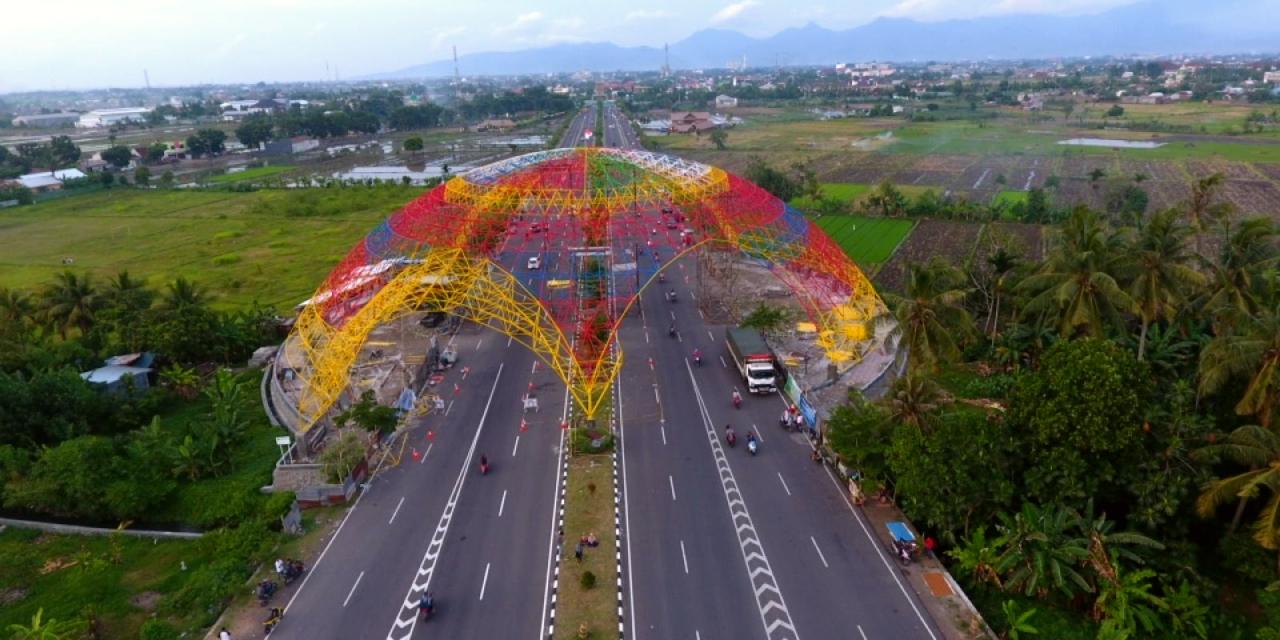
A symbol of Mataram's cultural identity

A symbol of Mataram's cultural identity

Tembolaq Gate stands as a striking landmark in Mataram, showcasing traditional Sasak architecture. This gate is often a backdrop for photos, especially during local festivals. It is located near the city center, making it easy to visit. While the gate itself is not a museum, it represents the rich cultural identity of the area. Take a moment to appreciate the intricate carvings and the stories they tell. Nearby, you can find local vendors selling snacks, so grab a bite while you explore.
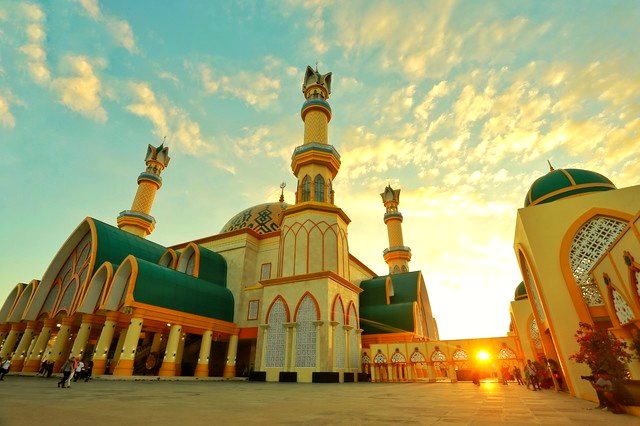
A serene spot for reflection

A serene spot for reflection

The Hubbul Wathan Islamic Center is an impressive mosque that reflects the Islamic heritage of Lombok. Its architecture features beautiful domes and intricate tile work. Visitors are welcome, but be mindful of prayer times. The peaceful atmosphere makes it a great place to sit and reflect. If you are interested in learning more about the local culture, consider joining a guided tour. The center is located in a lively neighborhood, so you can easily explore nearby shops and eateries after your visit.

Practical

At a glance

Founded
1600
Population
400.000
Accessibility
Some areas are accessible, but expect uneven paths
Price level
Mid-range

Things to know

Be cautious of tourist traps in markets, especially for souvenirs.
Public transport can be limited, consider hiring a driver.
Safety is generally good, but stay aware of your surroundings.
Visit during the dry season, from April to October, for the best weather.
Note that the rainy season can bring heavy downpours from November to March, which may affect travel plans.
history_eduHistoryexpand_more

Mataram has a rich history that dates back to the 17th century when it became the center of the Mataram Sultanate. The city has evolved from a royal capital to a bustling urban center, reflecting the diverse influences of various cultures over the centuries.

Today, Mataram is a melting pot of traditions, with remnants of its royal past visible in its architecture and cultural practices. The city continues to grow, balancing modernization with the preservation of its heritage.

Photo: Government of West Nusa Tenggara province · Public domain · Wikimedia Commons

Photo credits (4)