search
search
add New trip
Ambon
DestinationsIndonesiaMaluku

Ambon

calendar_monthApr–Jun, Sep–Octbest time schedule5 daysplan for child_careYeswith kids confirmation_numberMid-rangeprice
AmbonYour own route Plan a trip here →

Ambon is a vibrant city nestled in the Maluku Islands of Indonesia, known for its stunning coastal views and rich cultural heritage. Visitors are often captivated by the warm hospitality of the locals and the blend of diverse cultures that shape the city's identity.

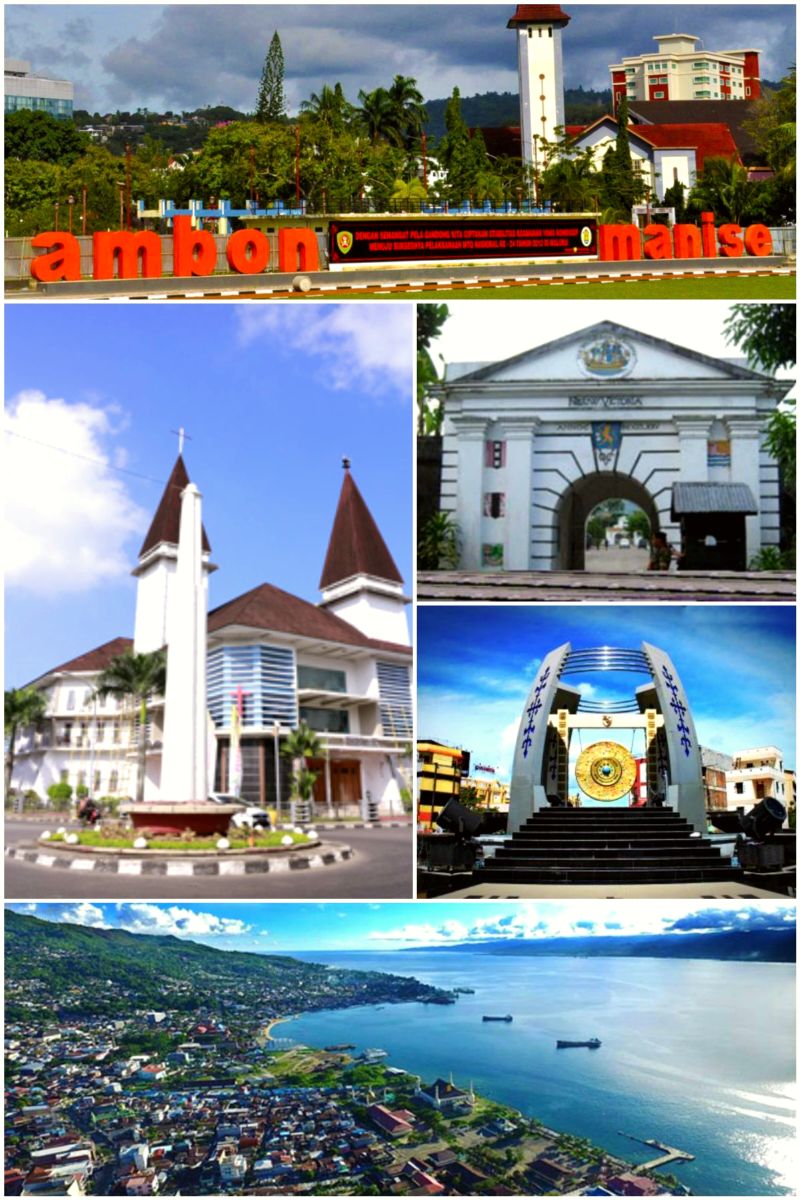
In pictures

Ambon
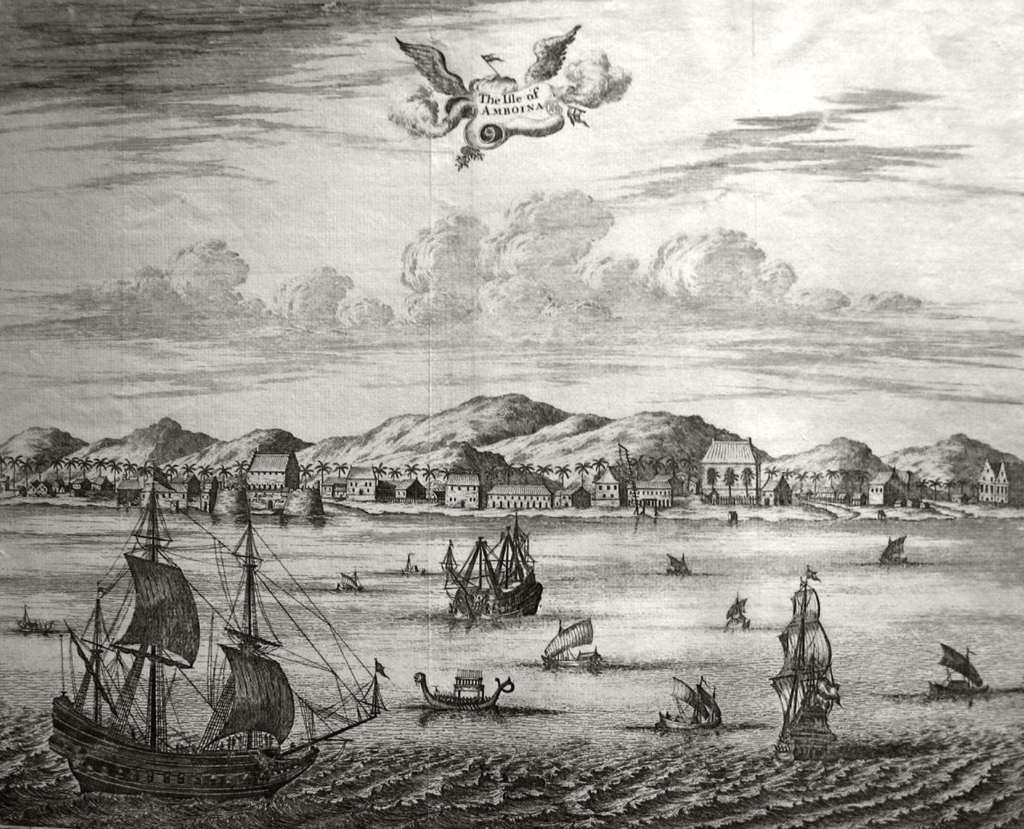
Amboina in the 17th century under Portugal.
Lithograph of a street view in Ambon (1880s)
The 35th World Peace Gong
Ambon
Ambon War Cemetery which holds the remains of 1,777 Allied soldiers[10]

Sightseeing

Fort Amsterdam: A historical fort with panoramic views
World Peace Gong: A symbol of harmony and unity
Ambon Bay: Stunning natural beauty and great for photos
Masjid Raya Al-Fatah: A beautiful mosque worth visiting
Pattimura Park: A relaxing green space in the city center
Museum Siwalima: Showcases Maluku's rich history and culture
Namalatu Beach: A serene beach for sunbathing and swimming
Hatu Saka Beach: Known for its clear waters and tranquility

"A Gem of the Maluku Islands"Ambon

Things to do

Snorkel at Molana Island: Explore diverse marine life.
Hike to Leitimur Mountain: Enjoy views of the bay and surrounding landscape.
Visit local markets: Experience the local culture at Pasar Mardika, where you can find fresh produce and traditional snacks.
Take a boat tour: Discover nearby islands like Saparua and Nusa Laut, known for their beaches and historical sites.
Local food and drinks - Ambon

Local food and drinks

Papeda: A traditional sago dish served with fish
Ikan Bakar: Grilled fish, often marinated with spices
Klepon: Sweet rice cake filled with palm sugar
Sop Buntut: Oxtail soup, a local favorite
Tahu Tempe: Fried tofu and tempeh, popular street food
Local traditions - Ambon

Local traditions

Pasola Festival: A traditional horse-riding event
Cultural performances: Showcasing local music and dance
Religious ceremonies: Reflecting the city's diverse beliefs
Traditional weaving: A craft passed down through generations

Do's and don'ts

Try local dishes at street stalls
Respect local customs and traditions
Engage with locals for a richer experience
Explore beyond the city to discover hidden gems
Don't assume everyone speaks English
Don't ignore local dress codes, especially in religious sites
Don't venture out alone at night in unfamiliar areas
Don't rush your visit; take time to soak in the culture
info_outlinePracticalexpand_more
Since: Founded around 1500
Population: 300.000

About Ambon

The atmosphere is laid-back, with a mix of bustling markets and serene beaches. While exploring, you will find a unique blend of traditional and modern influences, making Ambon a fascinating destination for those seeking both adventure and relaxation.

Things to know

Public transport can be limited, so plan ahead.
Be cautious of street vendors, as some may overcharge.
Safety can vary, so stay aware of your surroundings.
Check local weather conditions, as rain can affect travel.
The rainy season typically runs from November to March, so expect heavier rainfall during this time.

Good to know

Accessibility: Some areas are accessible, but uneven terrain exists.
Price level: mid-range
history_eduHistoryexpand_more

Ambon has a rich and complex history, dating back to the spice trade in the 16th century when it became a focal point for European powers. The city has seen various influences, from Portuguese and Dutch colonization to Japanese occupation during World War II, each leaving a mark on its cultural landscape.

In recent years, Ambon has worked towards reconciliation after periods of conflict, striving to promote peace and unity among its diverse communities. Today, it stands as a testament to resilience and cultural richness, attracting visitors interested in its historical significance.

Photo: Wikipedia / Wikimedia Commons