search
search
add New trip
Komodo Island

Komodo Island

WanderingRedhead · Pixabay
calendar_monthApr–Jun, Sep–Octbest time schedule5 daysplan for directions_car5 h 29from Flores child_careYeswith kids confirmation_numberMid-rangeprice
Komodo IslandYour own route Plan a trip here →

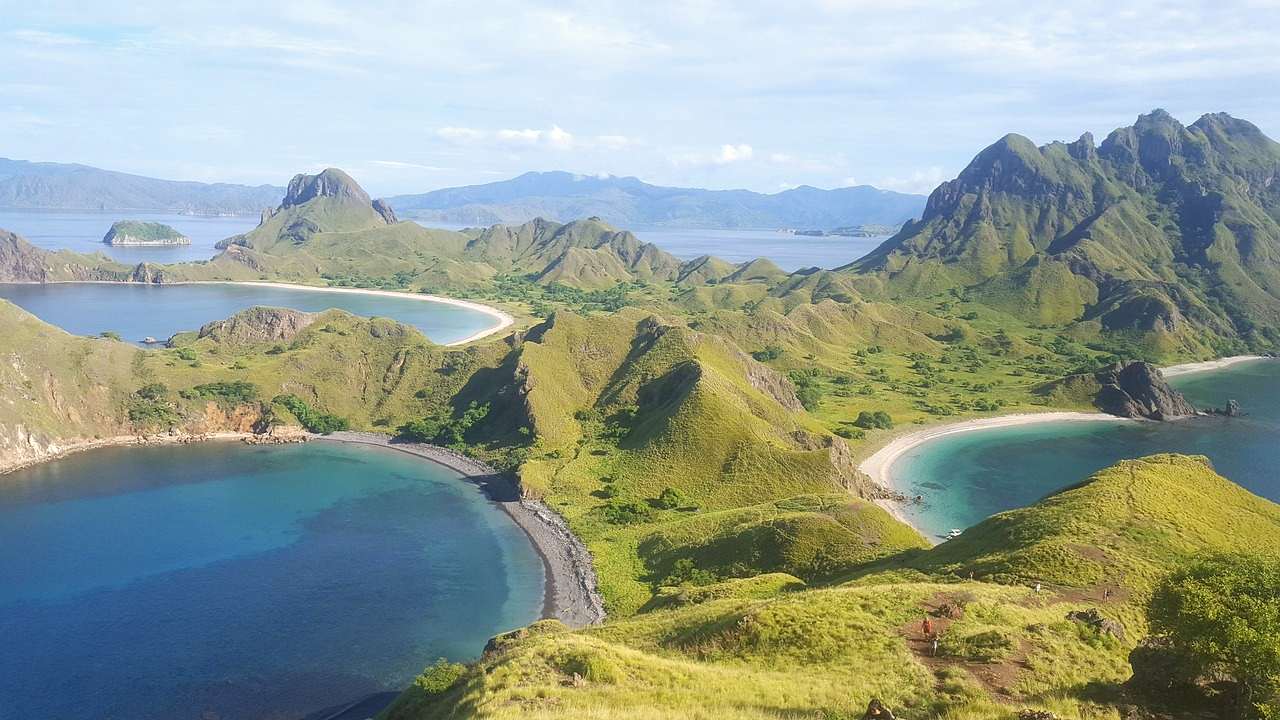
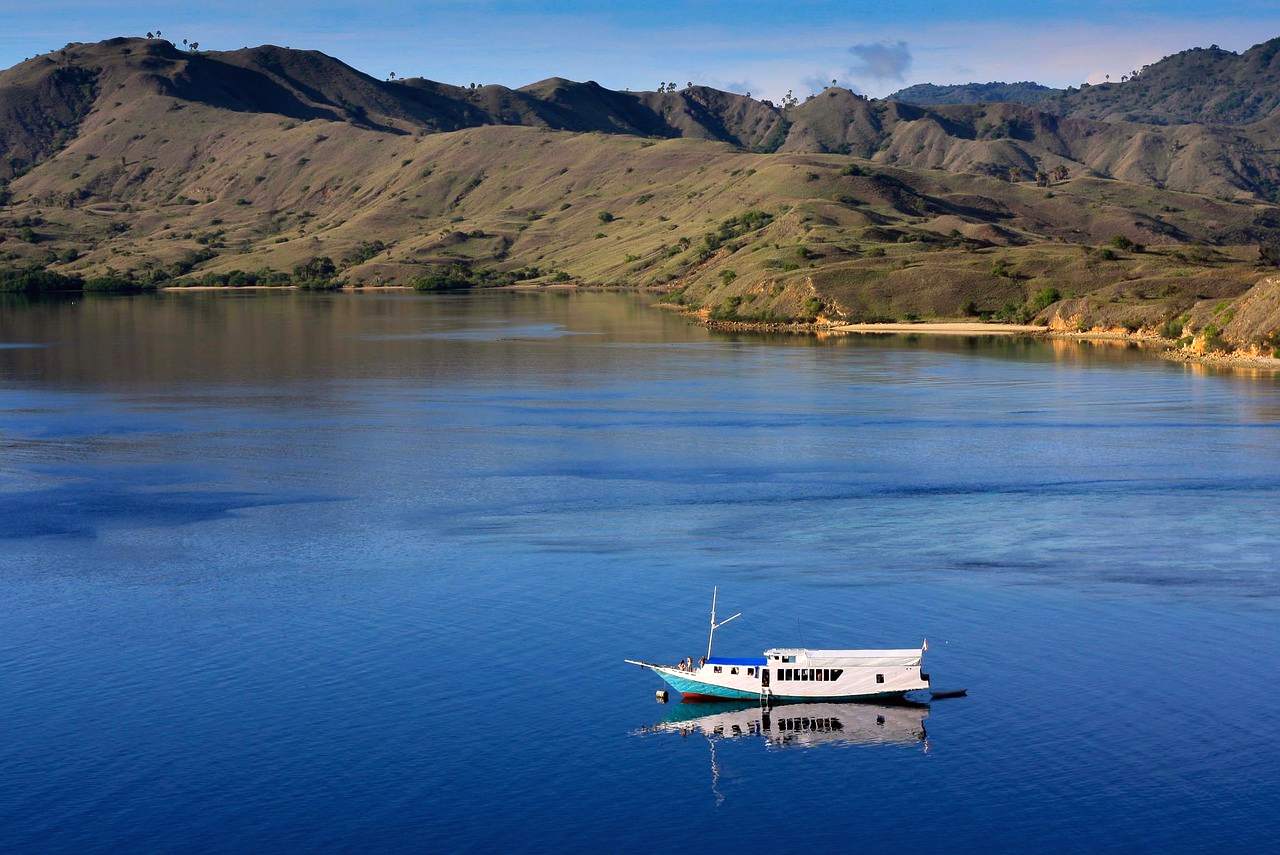
Komodo Island offers a unique blend of rugged landscapes and rich biodiversity, making it a paradise for nature lovers. Visitors are often captivated by the island's dramatic scenery, from volcanic hills to pristine beaches, and the iconic Komodo dragons that roam freely.

Read more

The atmosphere is laid-back, with a sense of adventure in the air. Travelers can explore the island's national park, snorkel in vibrant coral reefs, and immerse themselves in the local culture, all while enjoying the warm hospitality of the residents.

In pictures

Komodo Island Hyparxis · Pixabay
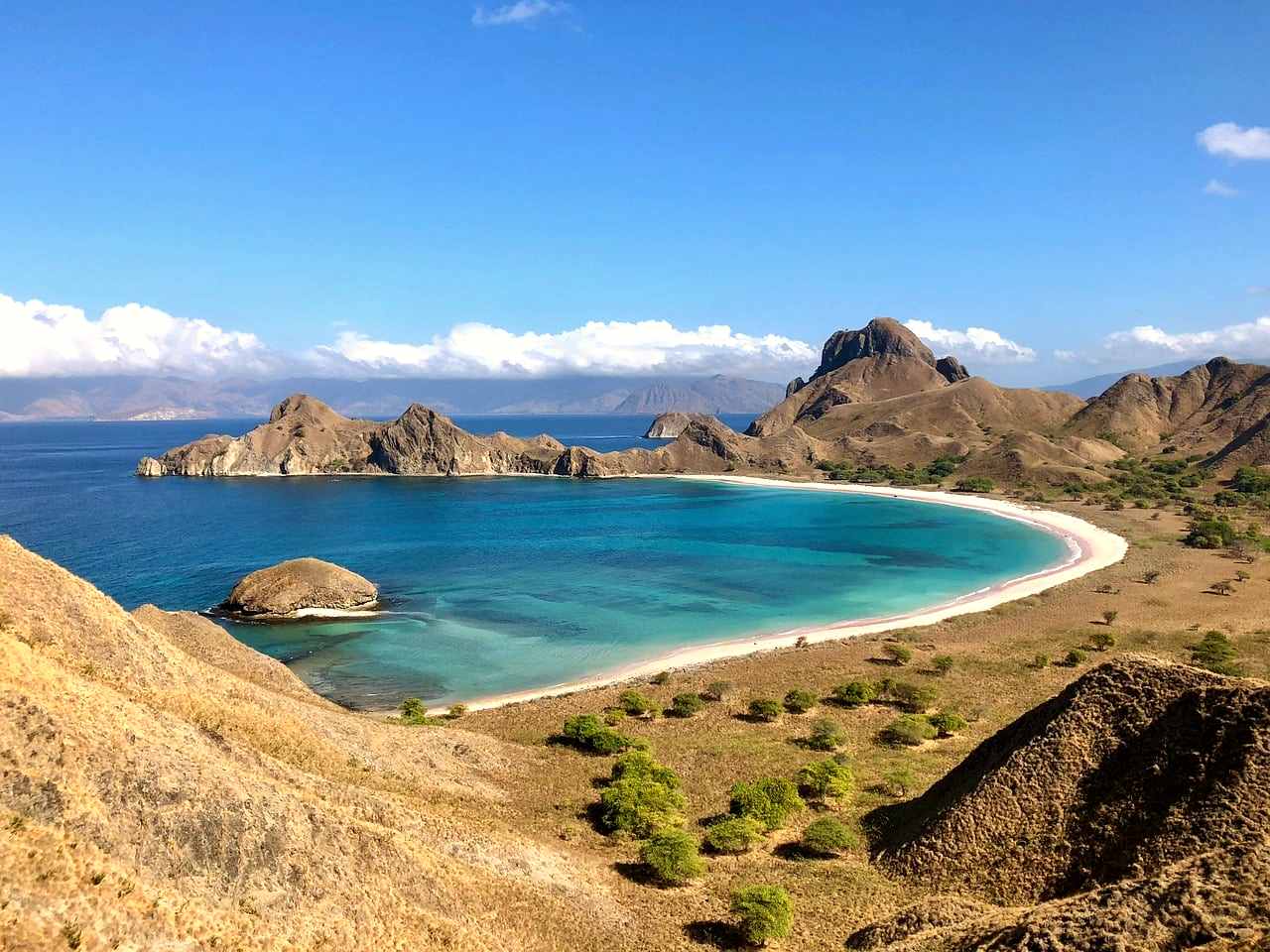
Komodo Island mataramweb · Pixabay
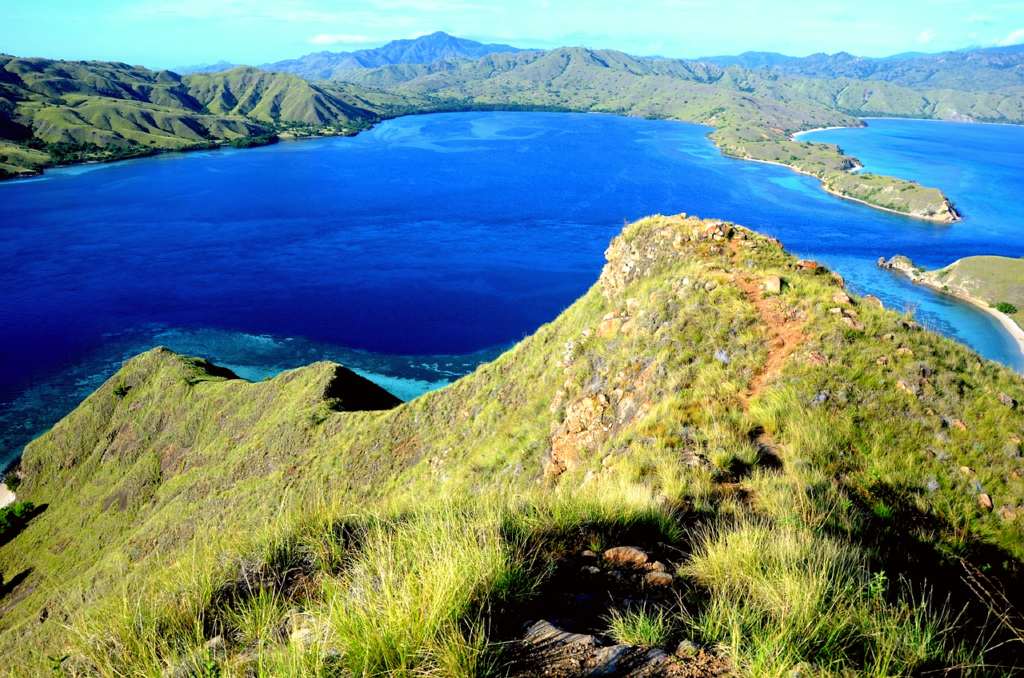
Komodo Island JamesDeMers · Pixabay
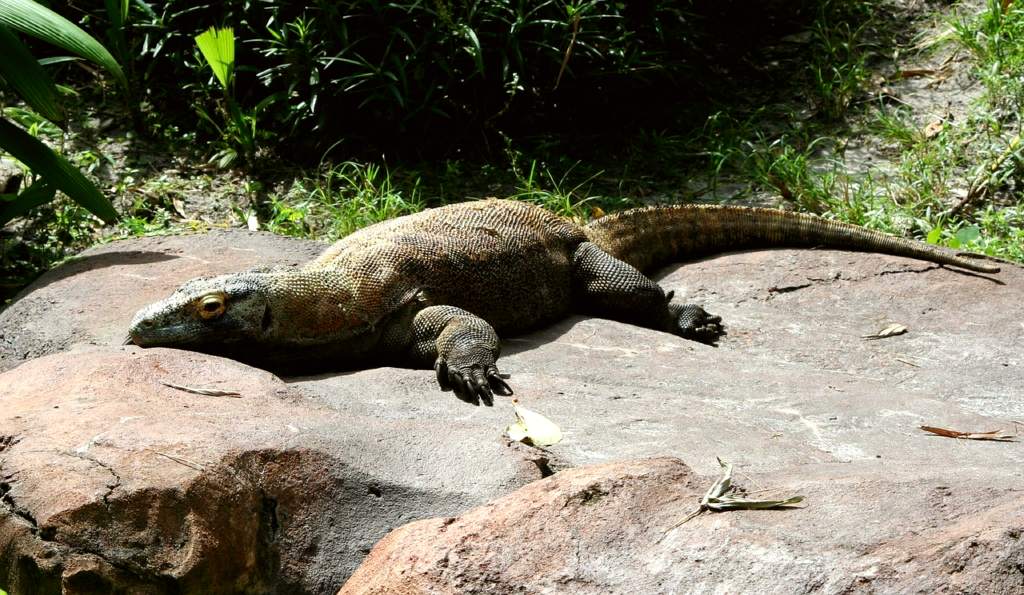
Komodo Island giusti596 · Pixabay

Sightseeing

Komodo National Park: home to the famous Komodo dragons
Pink Beach: a stunning beach with pink sand
Padar Island: offers breathtaking panoramic views
Manta Point: a popular spot for manta ray sightings
Kalong Island: known for its flying foxes at sunset

"Nature's wonderland awaits you"Komodo Island

Things to do

Hike to Komodo dragon habitats: experience the thrill of seeing these creatures up close on Rinca Island or Komodo Island.
Snorkel or dive: explore coral reefs around Pink Beach, known for its diverse marine life.
Visit local villages: learn about the culture and traditions of the island's inhabitants, such as the fishing practices in Kampung Komodo.
Take a boat tour: discover secluded coves and beaches like Kanawa Island, which are less crowded.
Consider a guided tour for a more informative experience, especially if you want to learn about the unique ecosystems.

Local food and drinks

Seafood BBQ: fresh fish grilled to perfection
Nasi Goreng: Indonesian fried rice, a local favorite
Sate: skewered and grilled meat, often served with peanut sauce
Bubur Ayam: chicken porridge, a comforting dish
Teh Botol: sweetened jasmine tea, a popular drink

Local traditions

Cultural festivals: celebrate local customs and traditions throughout the year
Fishing rituals: traditional practices that honor the sea and its bounty
Community gatherings: locals come together for events and celebrations
Craftsmanship: local artisans create unique handicrafts reflecting their heritage

Do's and don'ts

Respect local wildlife; maintain a safe distance
Engage with local communities; learn about their culture
Bring cash; many places do not accept cards
Use reef-safe sunscreen; protect marine life
Don't feed the Komodo dragons; it is dangerous
Don't litter; keep the island clean
Don't ignore safety guidelines; follow park rules
Don't rush your visit; take time to explore

Explore the rugged beauty of Komodo Island

The landscape of Komodo Island is striking, with volcanic hills and rocky coastlines. Hiking through the national park reveals panoramic views of the surrounding waters. The trails can be steep and challenging, so wear sturdy shoes. Along the way, you might spot the famous Komodo dragons basking in the sun. These creatures are best viewed from a safe distance, as they are wild animals. The park is also home to various bird species and unique flora, making it a rewarding experience for nature enthusiasts.

Encounter the iconic Komodo dragon

Seeing a Komodo dragon in its natural habitat is a highlight for many visitors. These large lizards can grow up to 10 feet long and are known for their impressive hunting skills. Guided tours are available, ensuring you learn about their behavior and habitat. Be prepared for the heat, as temperatures can soar during the day. The best time to visit is early morning or late afternoon when the dragons are more active. Remember to keep a safe distance and follow your guide's instructions.

Discover the island's unique vegetation

The vegetation on Komodo Island is diverse, ranging from dry savannah to lush forests. This variety supports a wide array of wildlife, including the endemic Komodo dragon. Take a moment to appreciate the unique plants, such as the spiky pandanus and various cacti. The best way to explore is on foot, allowing you to fully immerse yourself in the natural surroundings. Bring plenty of water and sunscreen, as shade can be scarce. Each season brings different blooms and colors, so consider timing your visit for the best experience.

Practical

At a glance

Population
2.000
Accessibility
Limited mobility options; uneven terrain
Island
yes
Price level
Mid-range

Things to know

Be cautious of the Komodo dragons; they are wild animals.
Transport can be limited; plan ahead for boat schedules, especially during the rainy season from December to March.
Accommodations vary; some may be basic or remote, so check reviews before booking.
Weather can be hot and humid; stay hydrated and wear sunscreen, particularly from April to October when temperatures peak.
As of 2023, entry fees to Komodo National Park have increased, so budget accordingly.
history_eduHistoryexpand_more

Komodo Island has a rich history that dates back centuries, with the island being inhabited by the indigenous Komodo people. The island gained international attention in the early 20th century when the Komodo dragon was discovered, leading to its designation as a national park in 1980.

Since then, Komodo Island has become a UNESCO World Heritage Site, attracting scientists and tourists alike. The island's unique ecosystem and the conservation efforts surrounding the Komodo dragon have made it a focal point for biodiversity studies.

Photo: WanderingRedhead · Pixabay Content License · Pixabay

Photo credits (4)