kiomigo
search
search
add New trip
Kupang

Kupang

Population: 400.000 Since: Founded around 1500 AD Price: Budget Capital city
accessible Accessibility: Some areas are accessible, but many are not.

Introduction

Kupang, the capital of East Nusa Tenggara, is a vibrant coastal city that offers a unique blend of cultures and stunning natural beauty. Visitors are greeted by warm hospitality and a rich tapestry of traditions, making it a delightful stop for those exploring Indonesia.

The city boasts beautiful beaches, bustling markets, and a lively atmosphere. However, it is essential to navigate its streets with care, as traffic can be chaotic and public transport options are limited.

In pictures

Kupang
Kupang
Kupang
Kupang
Kupang
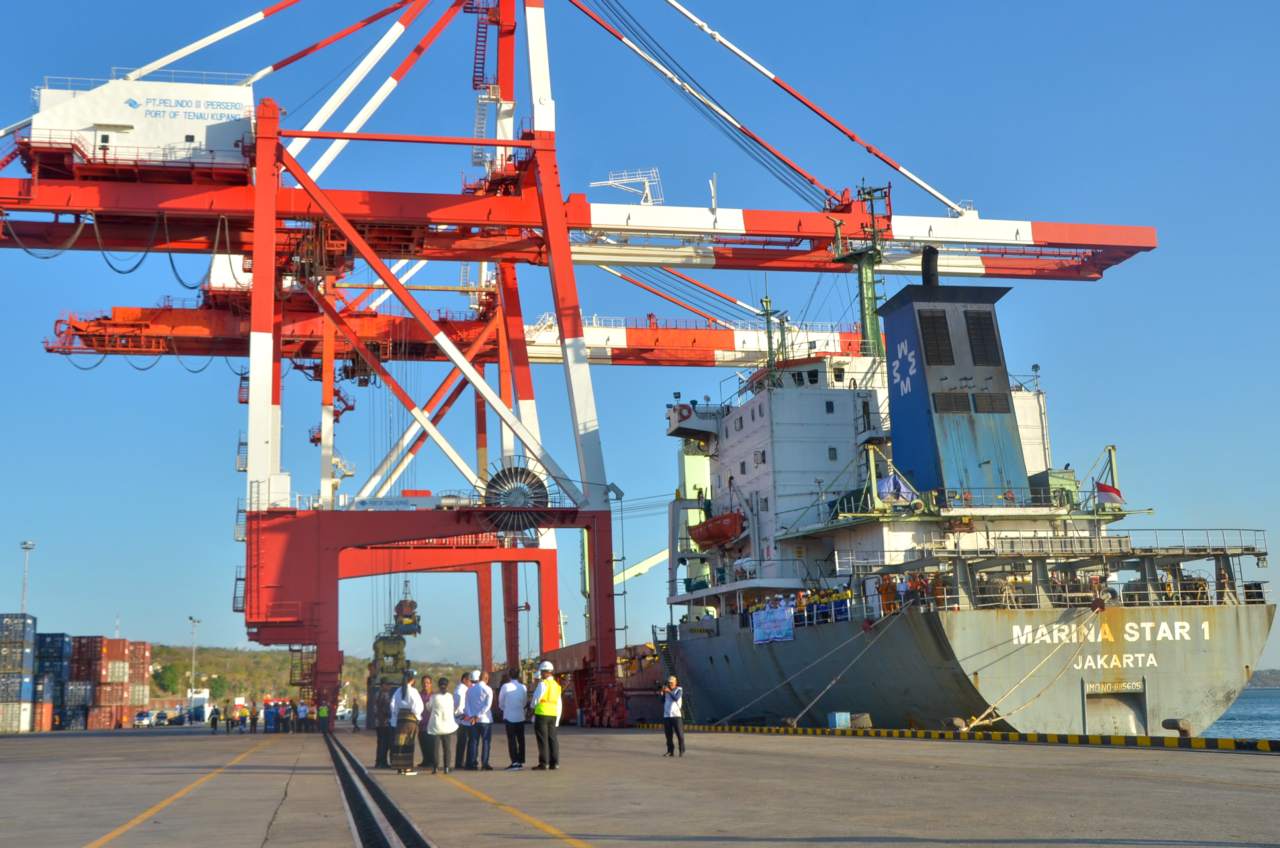
The harbor of Kupang in the early 20th century.

Sightseeing

Lasiana Beach: a serene spot for relaxation
Kupang's Traditional Market: a vibrant local shopping experience
Fort Concordia: historical remnants with scenic views
Taman Nostalgia: a peaceful park ideal for families
Oesapa Beach: a quieter beach for swimming and sunbathing

"A Coastal Gem of East Nusa Tenggara"Kupang

Things to do

Explore the local markets: immerse yourself in local culture
Visit the beaches: enjoy sunbathing and water activities
Take a boat tour: discover nearby islands and marine life
Experience local festivals: engage with the community's traditions

Local food and drinks

Ikan Bakar: grilled fish, a local favorite
Sate Kambing: delicious goat skewers
Kolo: traditional rice dish often served with meat
Es Kelapa Muda: refreshing young coconut drink
Warung Sederhana: popular spot for local cuisine

Local traditions

Pasola Festival: a traditional horse-riding event
Local weaving: showcasing intricate textile craftsmanship
Religious ceremonies: reflecting the diverse beliefs of the community
Harvest celebrations: honoring agricultural traditions
History - Kupang

History

Kupang has a rich history that dates back to the early 16th century when it became a significant trading port for the Portuguese. Over the centuries, it has seen various influences, including Dutch colonization, which shaped its cultural landscape.

Today, Kupang is a melting pot of cultures, with a diverse population that includes indigenous groups and migrants from other parts of Indonesia. This blend is evident in the city's architecture, cuisine, and daily life.

Things to know

Be cautious of street vendors: some may overcharge
Public transport is limited: consider renting a vehicle
Traffic can be unpredictable: plan extra time for travel
Safety varies by area: stay informed about neighborhoods

Do's and don'ts

Try local dishes: experience authentic flavors
Respect local customs: engage with the community
Bargain at markets: it's part of the shopping experience
Stay hydrated: the climate can be quite hot
Don't flash valuables: keep belongings secure
Don't assume English is widely spoken: learn a few phrases
Don't ignore local advice: locals know best about safety
Don't rush your visit: take time to soak in the culture

Good to know

Accessibility: Some areas are accessible, but many are not.
Price level: budget

Photo: Wikipedia / Wikimedia Commons