search
search
add New trip
West Sumbawa

West Sumbawa

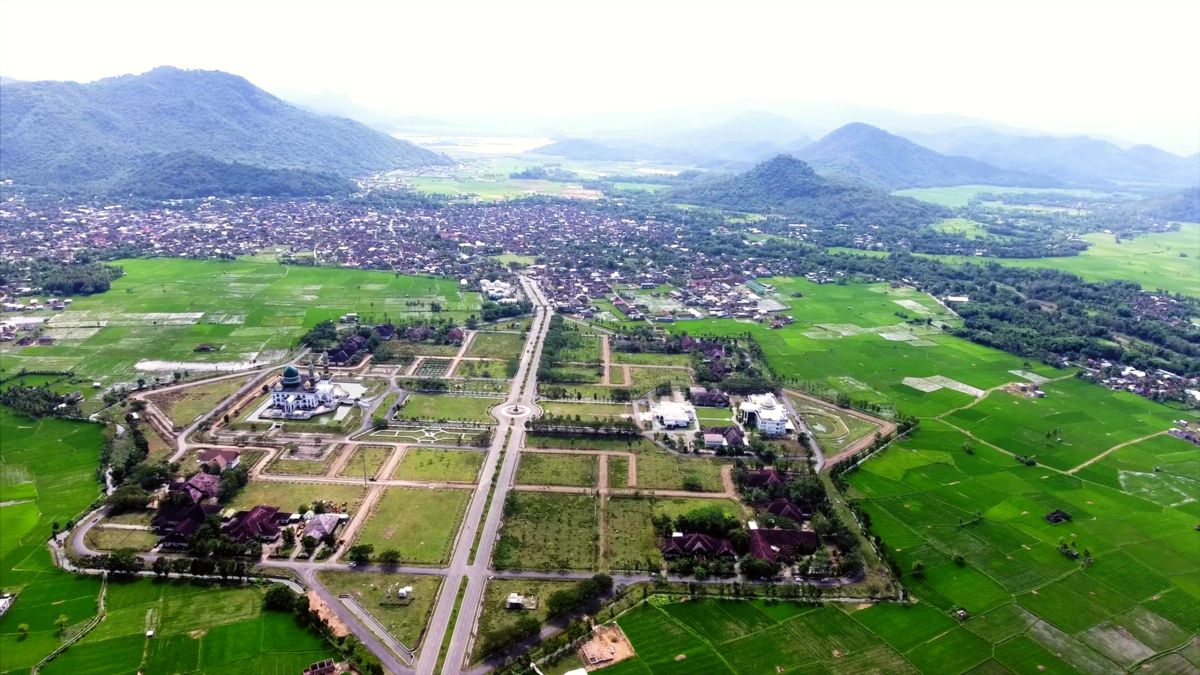
Government of West Sumbawa (Sumbawa Barat) · Public domain
calendar_monthApr–Jun, Sep–Octbest time schedule7 daysplan for directions_car5 h 47from Mataram child_careYeswith kids confirmation_numberBudgetprice
West SumbawaYour own route Plan a trip here →

West Sumbawa is a hidden gem in Indonesia, offering a blend of stunning landscapes and rich culture. Visitors are greeted by lush hills, pristine beaches, and a laid-back atmosphere that invites exploration and relaxation.

Read more

The city is less commercialized than other tourist spots, allowing for an authentic experience. Local markets and friendly residents enhance the charm, making it a perfect destination for those seeking tranquility away from the crowds.

Sightseeing

Maluk Beach: known for its surf breaks and scenic views
Poto Tano Port: a gateway to nearby islands
Sumbawa Besar: the historical capital with cultural sites
Kertasari Waterfall: a beautiful natural escape
Batu Hijau: a famous mining site with stunning landscapes

"Discover the Serenity of West Sumbawa"West Sumbawa

Things to do

Surfing: ride the waves at Maluk Beach, known for its consistent swells and surf competitions held in July.
Hiking: take a trek through the hills around the area, with trails varying in difficulty, including a popular route to the summit of Mount Tambora.
Snorkeling: explore the coral reefs at Tanjung Ringgit, where you can see colorful fish and sea turtles, especially vibrant during the dry season.
Cultural tours: visit Sumbawa Besar to learn about local traditions and crafts, including the intricate weaving of Sumbawa textiles.
Fishing: join local fishermen for a day on the water, where you might catch snapper or grouper, with trips often available from the fishing village of Poto Tano.

Local food and drinks

Sate Rembiga: a local skewered meat dish
Nasi Goreng Sumbawa: fried rice with regional spices
Ikan Bakar: grilled fish, often served fresh
Kopi Sumbawa: local coffee with unique flavors
Warung Makan: small eateries serving authentic meals

Local traditions

Bau Nyale Festival: celebrates the arrival of sea worms
Traditional weaving: showcasing local craftsmanship
Ceremonial dances: performed during special occasions
Harvest festivals: honoring agricultural practices

Do's and don'ts

Respect local customs and traditions
Try to learn a few words in Bahasa
Bargain politely at local markets
Support local businesses and artisans
Don't assume all areas are tourist-friendly
Don't litter; keep the environment clean
Don't take photos of locals without permission
Don't engage in disrespectful behavior towards traditions

Practical

At a glance

Founded
1500 AD
Population
150.000
Accessibility
Some areas are challenging for limited mobility
Price level
Budget

Things to know

Public transport is infrequent, so consider renting a scooter or car for flexibility.
Some areas may not have English signs, so knowing basic Bahasa Indonesia can be beneficial.
Watch out for stray dogs and other animals on the roads, especially in rural areas.
The dry season runs from April to October, making it the best time for outdoor activities.
Be aware that during the rainy season, from November to March, some roads may become muddy and difficult to navigate.
history_eduHistoryexpand_more

West Sumbawa has a rich history influenced by various cultures, including the Sasak and Balinese. The region was once a vital trade route, connecting islands and facilitating cultural exchanges.

Over the years, it has evolved from a remote area into a developing destination, while still retaining its traditional roots. The local economy is primarily based on agriculture and fishing, with tourism gradually becoming more significant.

Photo: Government of West Sumbawa (Sumbawa Barat) · Public domain · Wikimedia Commons