search
search
add New trip

Papua

ID calendar_monthMay–Sepbest time schedule10 daysplan for
PapuaYour own route Plan a trip here →

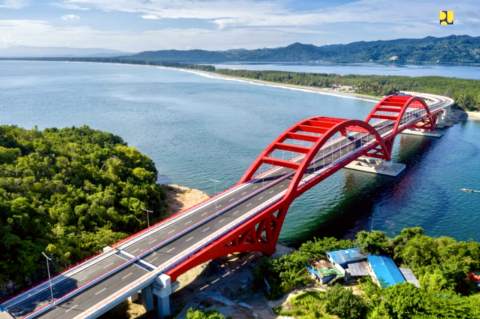
Papua, located in Indonesia, is a treasure trove of natural beauty and cultural diversity. Travelers can explore lush rainforests, stunning beaches, and vibrant coral reefs, making it a paradise for nature lovers and adventure seekers alike.

Read more

However, access can be challenging, and infrastructure may not be as developed as in other regions. Visitors should be prepared for remote areas and varying levels of comfort, but the rewards are immense, from unique wildlife to rich indigenous cultures.

Sightseeing

Baliem Valley: characterized by steep valleys and traditional Dani villages.
Lake Sentani: a large lake with cultural importance, hosting an annual festival in July that showcases local music and dance.
Raja Ampat Islands: renowned for diving and snorkeling, featuring coral reefs rich in marine biodiversity.
Lorentz National Park: a UNESCO World Heritage site with glaciers, rainforests, and a variety of wildlife, ideal for adventurous hikers.
Asmat Region: recognized for intricate wood carvings and a deep indigenous culture, with opportunities to meet local artisans.
Mount Jayawijaya: Indonesia's highest peak, favored for trekking, particularly during the dry season from May to September when trails are more accessible.
Wamena: the primary access point to the Baliem Valley, with a local market open daily where you can find fresh produce and handmade crafts.
Jayapura: the capital city, home to historical sites like Fort Oranje and panoramic views of the surrounding mountains, especially striking at sunrise.

"Discover Papua's Untamed Beauty"Papua

Local food and drinks

Papuan Sago: staple food made from sago palm
Ikan Bakar: grilled fish, often served with spicy sauce
Papuan Chicken: traditional dish, usually cooked with local spices
Klepon: sweet rice cake filled with palm sugar
Arak: local alcoholic beverage, often made from palm sap

Local traditions

Waisak Festival: celebration of Buddha's birthday
Cultural Festivals: showcasing traditional dances and music
Asmat Carving: intricate wood carvings reflecting local culture
Traditional Ceremonies: important rites of passage and community events

Practical

At a glance

Best time
May to October
history_eduHistoryexpand_more

Papua has a rich and complex history, influenced by indigenous cultures and colonial powers. The region was first explored by Europeans in the 16th century, and it has seen various waves of migration and cultural exchange over the centuries.

In the 20th century, Papua became a focal point of political tension, particularly regarding its status within Indonesia. The struggle for independence and cultural preservation continues to shape the region's identity today.