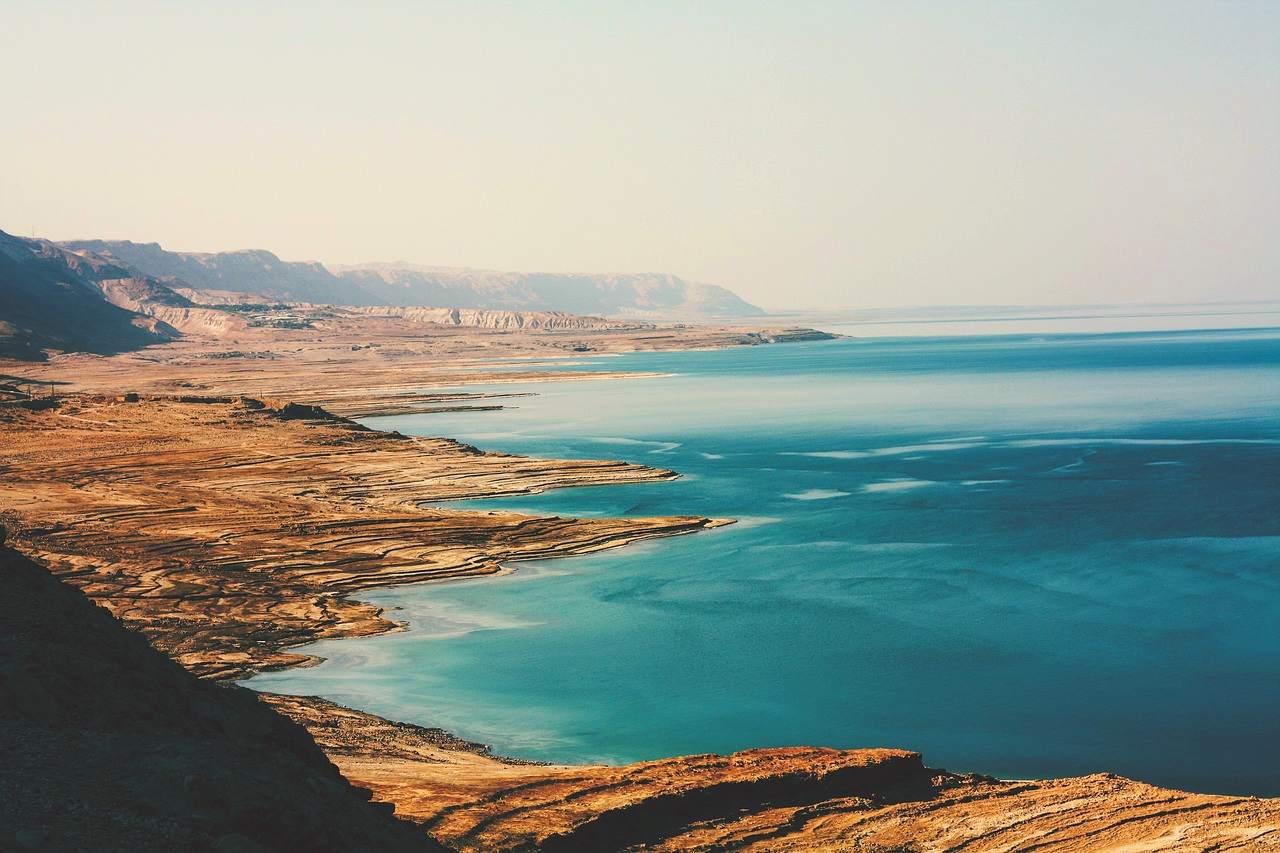
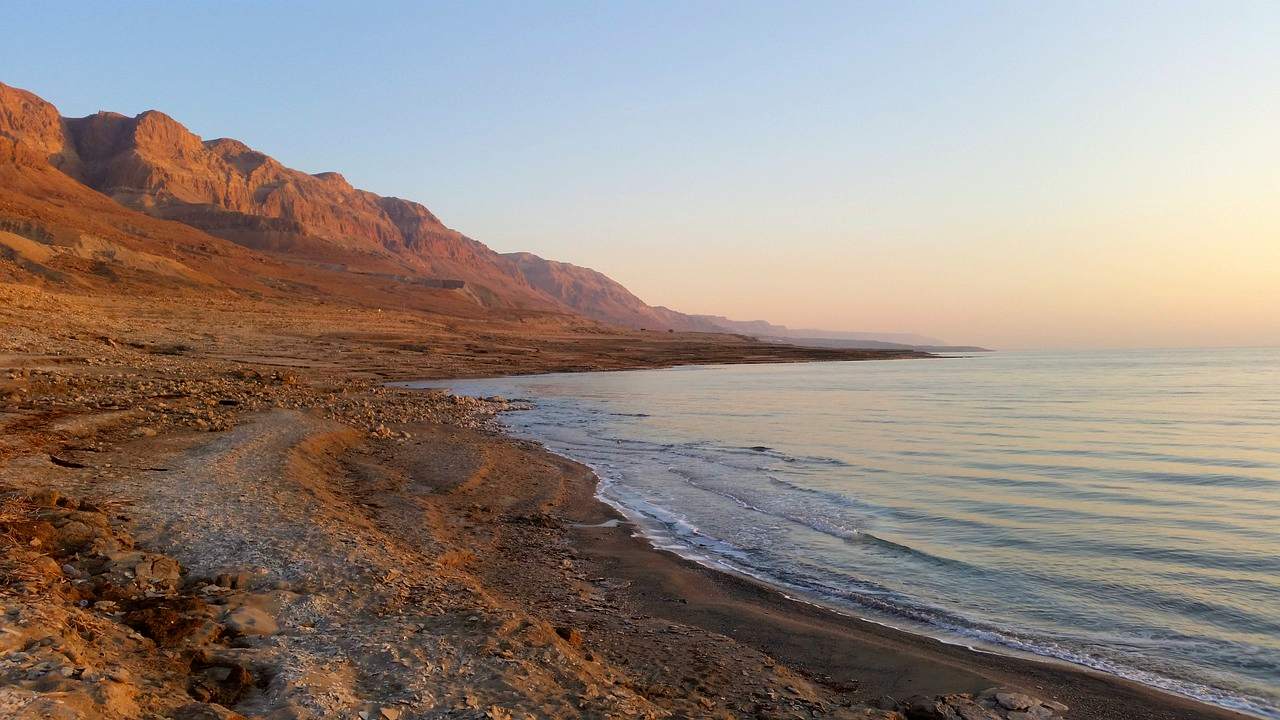
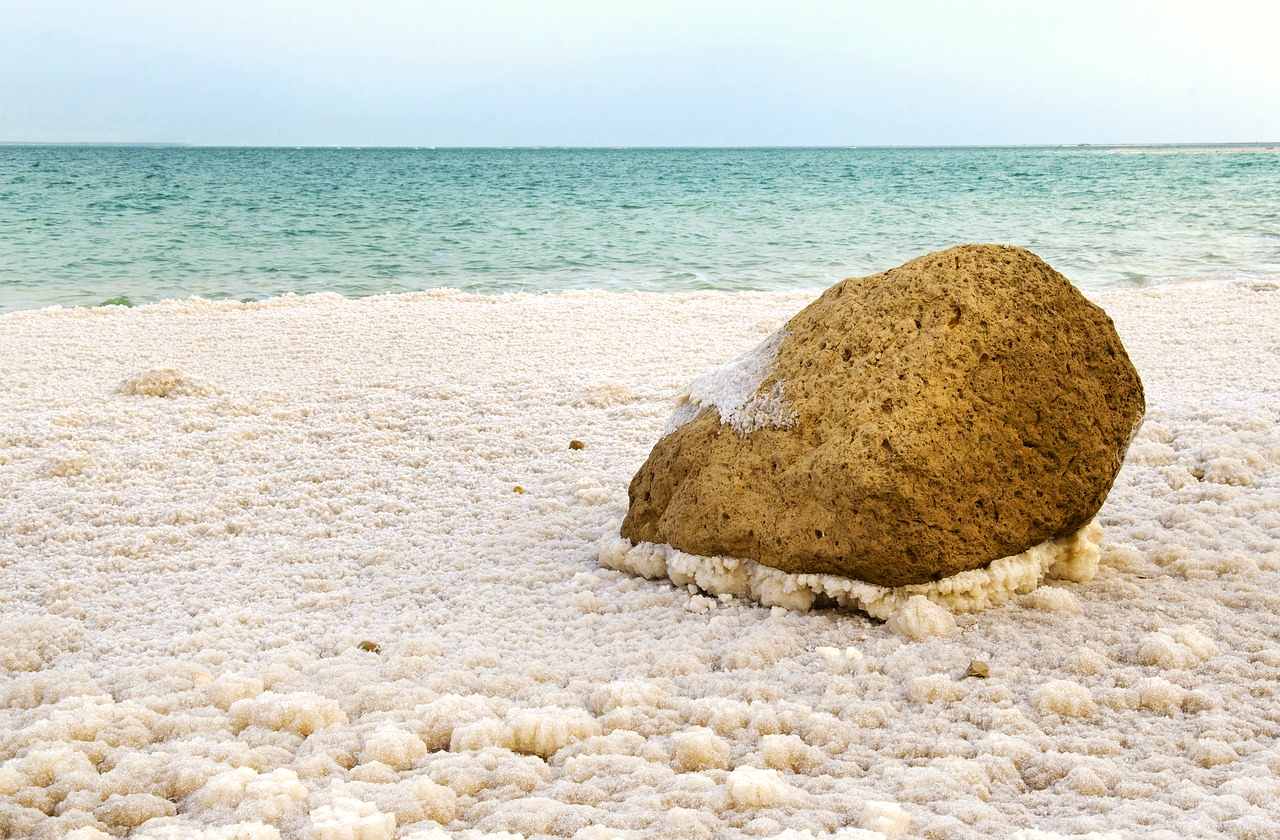
The Dead Sea region offers a unique blend of natural beauty and historical significance. Visitors are drawn to its surreal landscapes, where the salt-laden waters create a striking contrast against the surrounding desert. Floating in the sea is a must-do experience, as the high salinity makes it nearly impossible to sink.
Read more
However, the area can be quite touristy, especially around popular resorts. While the views are stunning, be prepared for crowded spots and higher prices at some attractions. Exploring the less commercialized areas can provide a more authentic experience.
Highlights
Routes through here
Every route opens in the planner as your own copy: change any stop, any night.
Sightseeing
Things to do
Local food and drinks
Local traditions
Do's and don'ts
Practical
At a glance
- Founded
- 3000 BC
- Accessibility
- Some areas are wheelchair accessible, but not all.
- Price level
- Mid-range
Things to know
History
The Dead Sea has been a site of human activity for thousands of years, known for its mineral-rich waters and therapeutic properties. Ancient civilizations, including the Romans and the Jews, recognized its significance, leading to the establishment of settlements and fortifications like Masada.
In the 20th century, the area gained further attention with the discovery of the Dead Sea Scrolls in the Qumran Caves. This archaeological find shed light on early Jewish history and the development of religious texts, making the region a focal point for historians and theologians alike.
Photo: svetlanabar · Pixabay Content License · Pixabay
Photo credits (2)
- emohic · Pixabay Content License · Pixabay
- jdblack · Pixabay Content License · Pixabay