search
search
add New trip
Aqaba

Aqaba

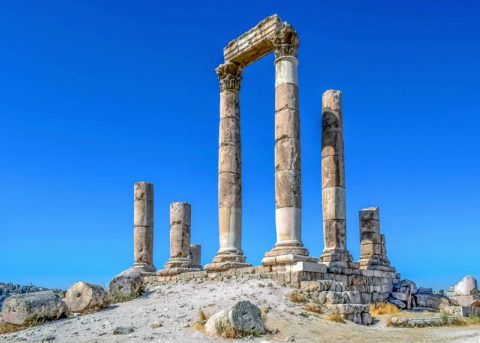
8834113 · Pixabay
8834113 · Pixabay
calendar_monthMar–May, Sep–Novbest time schedule3 daysplan for directions_car4 h 01from Amman child_careYeswith kids confirmation_numberMid-rangeprice
AqabaYour own route Plan a trip here →

Aqaba is a coastal city in Jordan, known for its access to the Red Sea. Visitors can enjoy a mix of historical sites and modern amenities, with a laid-back atmosphere that invites exploration.

Read more

The city has undergone significant development, improving infrastructure and facilities. However, some areas may feel crowded, especially during peak tourist seasons. Be prepared for occasional discrepancies in road maps and signage.

Routes through here

Every route opens in the planner as your own copy: change any stop, any night.

In pictures
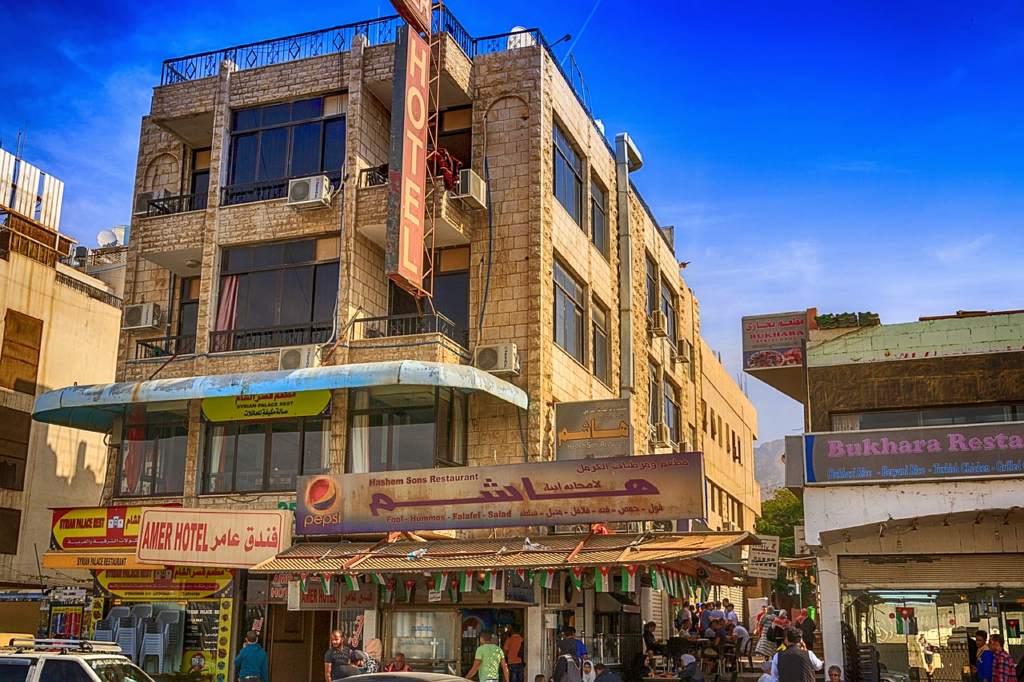
Aqaba Skybluesrich · Pixabay

Sightseeing

Aqaba Castle: A 14th-century fortress with ongoing renovations
Aqaba Heritage Museum: Showcases local history and culture
Roman Church: A fourth-century church reflecting ancient architecture
Public Beaches: Various spots for sunbathing and swimming
Coral Reefs: Great for snorkeling and diving enthusiasts
Ayla Oasis: A modern development with shops and dining options

"Jordan's gateway to the Red Sea"Aqaba

Things to do

Snorkel or dive in the Red Sea: Explore the coral reefs and marine life.
Hike Mount Um al Nusaylah: Offers views of Aqaba and Eilat across the water.
Visit local markets: Experience authentic Jordanian culture at Souq al-Huda.
Relax at public beaches: Some may have litter, so choose wisely.

Local food and drinks

Hummus: A staple dish available at many local eateries
Falafel: Popular street food, often served in pita
Shawarma: Lamb meat wrapped in pita, a local favorite
Fresh seafood: Available at Al-Afran street, known as the fish market
Karak tea: A spiced tea enjoyed by locals, often served in parks
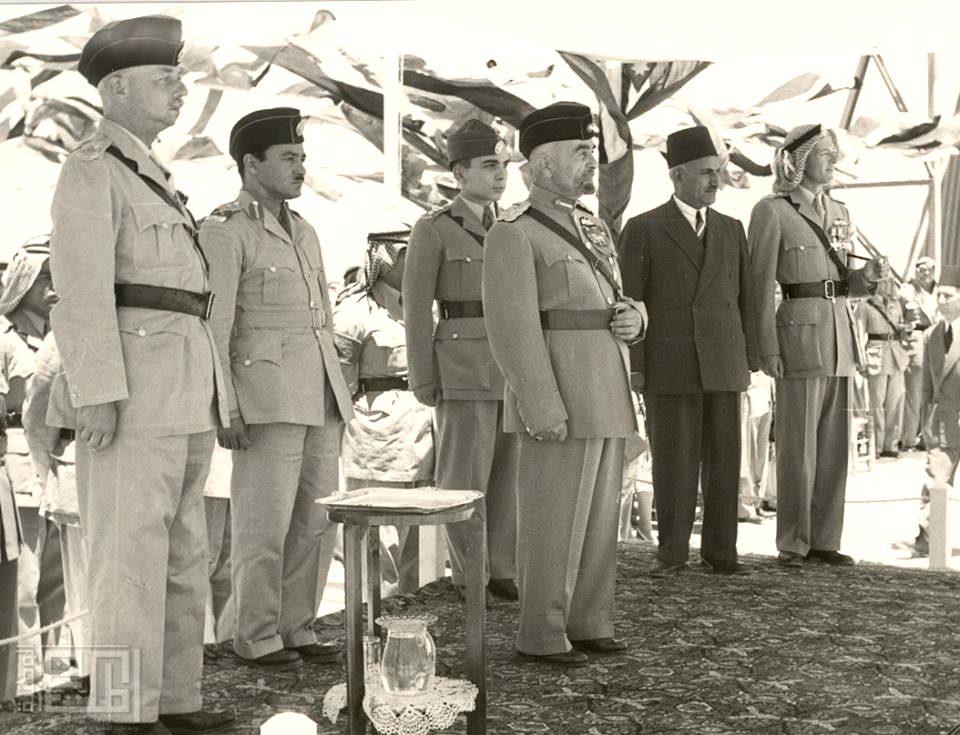
Local traditions - Aqaba Jordanian army staff · Public domain

Local traditions

Eid al-Fitr: Celebrated with family gatherings and feasts
Jordan Independence Day: Marked with parades and festivities
Local markets: A hub for social interaction and commerce

Do's and don'ts

Try local street food for an authentic experience
Negotiate prices in markets for better deals
Respect local customs and dress modestly
Explore beyond the main tourist areas for a more local feel
Don't assume all beaches are clean; check before visiting
Don't rely solely on public transport; taxis are more convenient
Don't take photos of locals without permission
Don't ignore safety advice regarding swimming in certain areas

Practical

At a glance

Founded
4000 BC
Population
150.000
Accessibility
Some areas are wheelchair accessible, but not all.
Price level
Mid-range

Things to know

Be cautious of tourist traps, especially near popular sites.
Public transport can be limited; taxis are common but negotiate fares.
Some beaches may not be well-maintained, check reviews before visiting.
Alcohol is not widely available outside of resorts, plan accordingly.
history_eduHistoryexpand_more

Aqaba has a rich history, dating back to ancient times when it served as a vital port for trade routes. The city has seen various civilizations, including the Nabateans and Romans, who left their mark on the region.

In modern times, Aqaba has evolved into a key tourist destination, especially for those seeking sun and sea. Its strategic location has also made it a focal point for regional politics and development.

Photo: 8834113 · Pixabay Content License · Pixabay

Photo credits (2)