search
search
add New trip
Wadi Rum

Wadi Rum

ChiemSeherin · Pixabay
calendar_monthMar–May, Sep–Novbest time schedule3 daysplan for directions_car4 h 05from Amman child_careYeswith kids confirmation_numberMid-rangeprice
Wadi RumYour own route Plan a trip here →

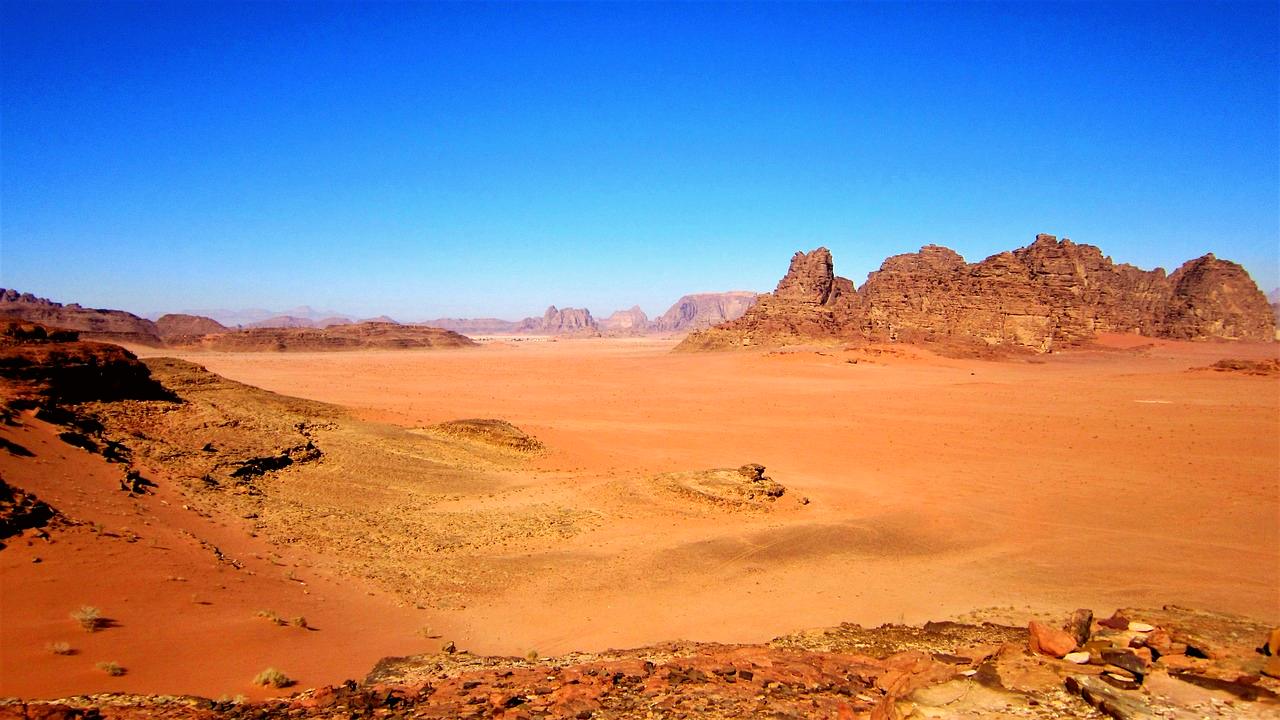
Wadi Rum is a vast desert landscape in Jordan, characterized by its towering sandstone mountains and unique rock formations. Visitors often find themselves captivated by the stark beauty and the sense of isolation that this area offers.

Read more

The best times to explore are during spring and autumn, when temperatures are more moderate. Many travelers choose to stay overnight in Bedouin camps, allowing for a deeper connection with the desert and its culture.

Routes through here

Every route opens in the planner as your own copy: change any stop, any night.

In pictures

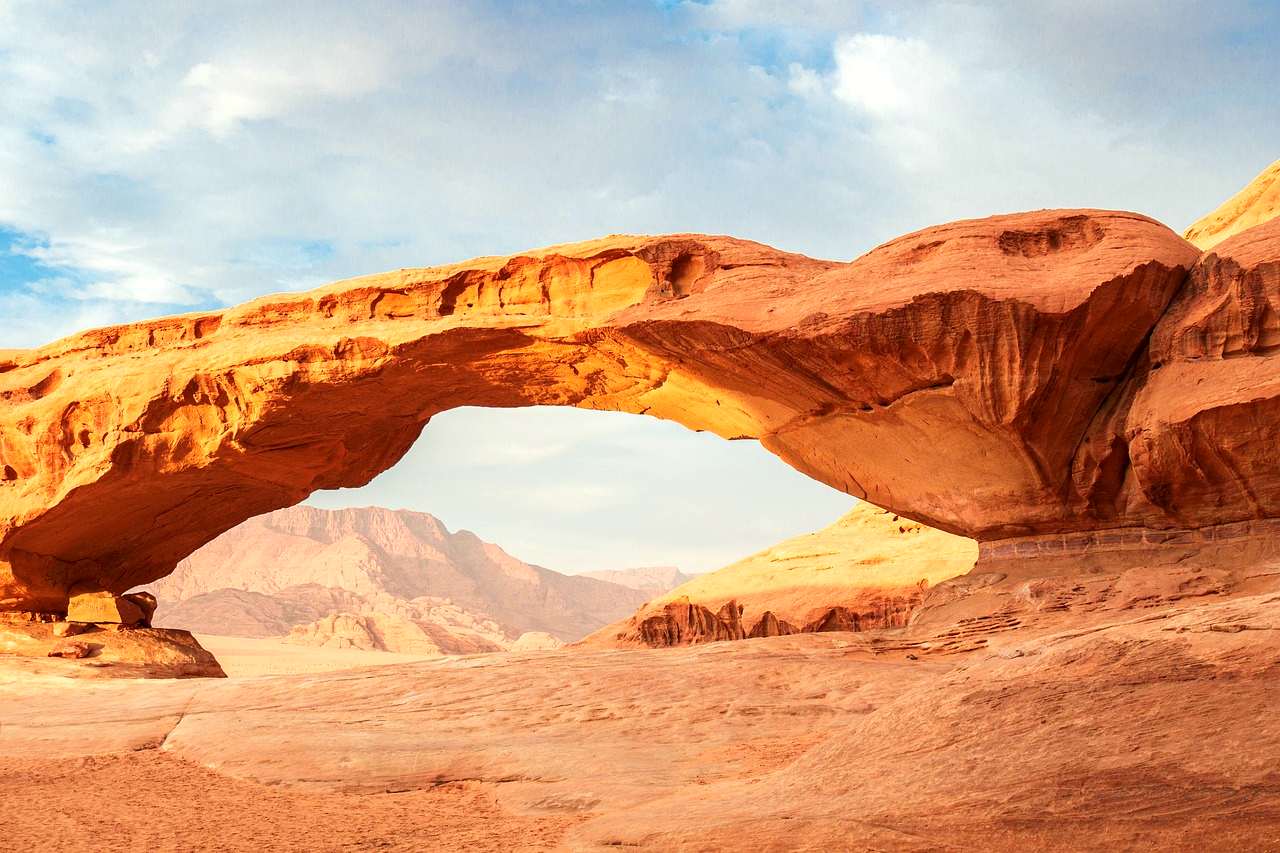
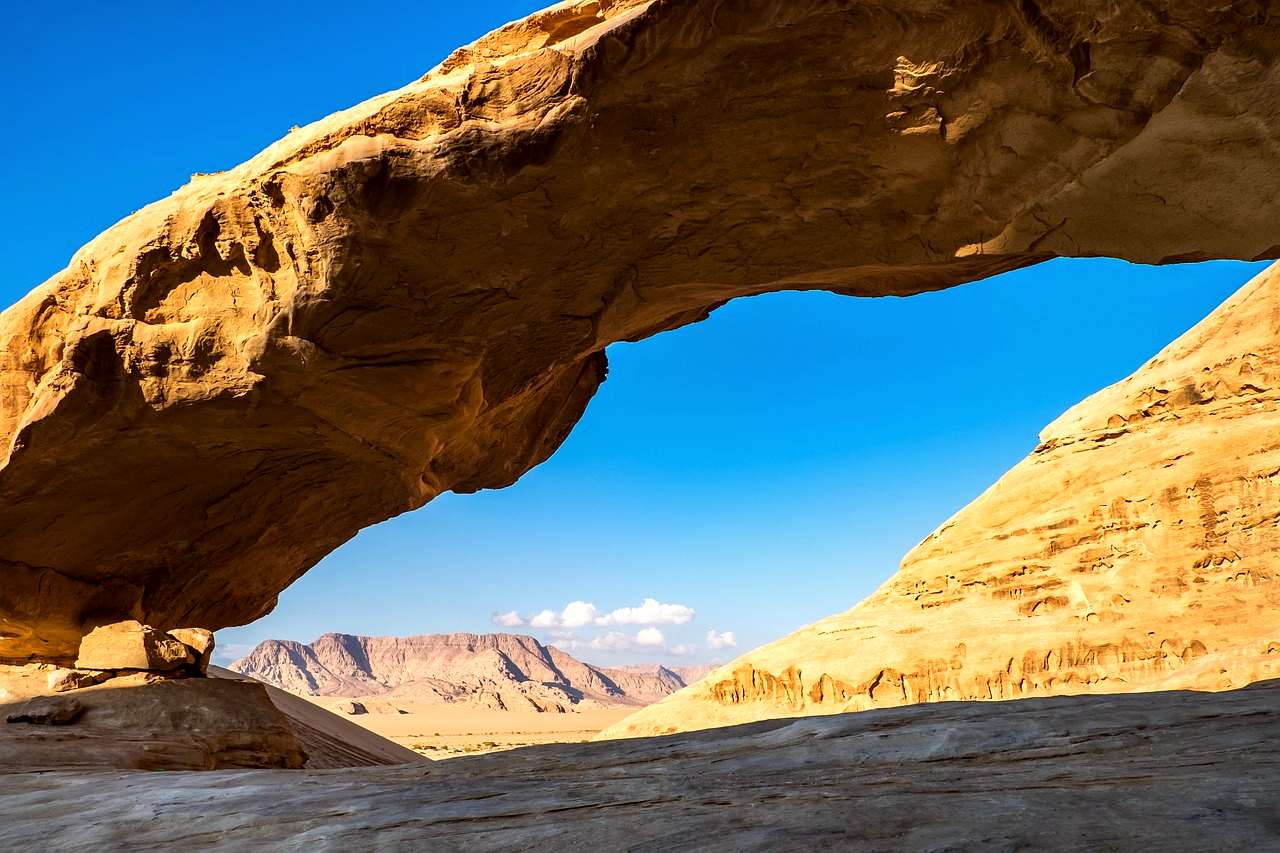
Wadi Rum ChiemSeherin · Pixabay
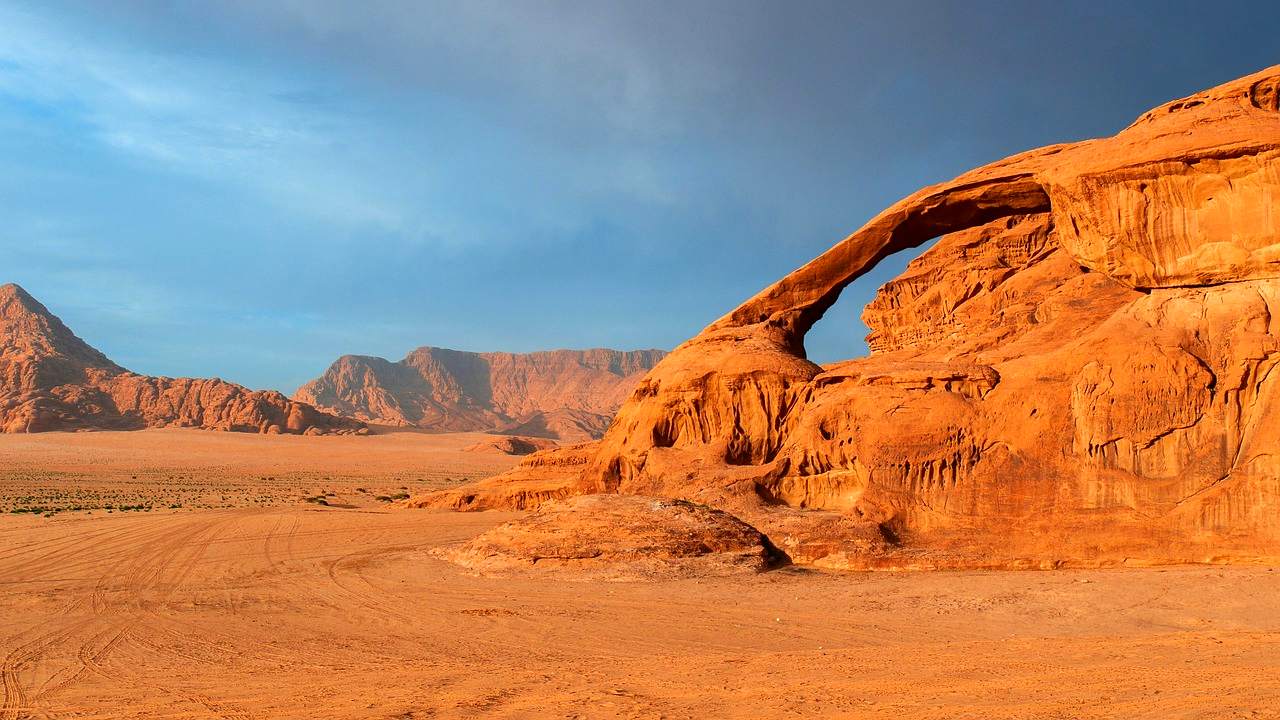
Wadi Rum SandcatSkywalker · Pixabay
Wadi Rum mailanmaik · Pixabay

Sightseeing

Abu Kashaba Canyon: A sandy canyon with desert trees, ideal for guided walks.
Anfashieh Inscriptions: Ancient carvings depicting a camel caravan from the Nabatean period.
Burdah Rock Bridge: The highest rock arch in the area, offering stunning views.
Jabal al Kharaz: A white sandstone natural rock bridge, notable for its filming location.

"Experience the beauty of the desert"Wadi Rum

Things to do

Take a 4x4 tour: Experience the desert's vastness and unique rock formations.
Ride a camel: A traditional way to explore the landscape, with rides typically lasting around an hour.
Stay overnight in a Bedouin camp: Immerse yourself in local culture, with meals often featuring traditional dishes like zarb.
Hike to rock formations: Discover the unique geological features on foot, including the Burdah Rock Bridge, which requires a multi-hour trek to reach.

Local food and drinks

Zarb: A traditional Bedouin dish of meat and vegetables cooked underground.
Mint tea: A popular beverage enjoyed in Bedouin camps.
Hummus: A staple dish found in local eateries.
Pita bread: Often served with meals, fresh and warm.
Dates: A common snack, sweet and nutritious.

Local traditions

Bedouin hospitality: Guests are treated with great respect and offered food and drink.
Cultural storytelling: Bedouins share tales of their history and legends around the fire.
Traditional music: Live performances often accompany meals in camps.
Seasonal festivals: Celebrations that showcase local customs and traditions.

Do's and don'ts

Respect local customs and traditions.
Engage with Bedouin guides for an authentic experience.
Take plenty of water during excursions.
Leave no trace; take all rubbish with you.
Don't wander off without a guide; the desert can be disorienting.
Don't expect luxury accommodations; facilities are basic.
Don't disturb wildlife or natural formations.
Don't forget to negotiate prices with guides.

Explore the vast desert landscape

Wadi Rum's expansive desert stretches as far as the eye can see. The towering sandstone mountains create a dramatic backdrop for those who venture into this arid wonderland. Hiking through the desert, you can encounter ancient petroglyphs etched into the rocks, remnants of past civilizations. The quiet of the desert is punctuated only by the sound of the wind. Bring plenty of water and wear sturdy shoes, as the terrain can be challenging. Sunrise and sunset are particularly beautiful times to experience the landscape, casting warm hues across the rocks.

Experience Bedouin culture

Staying overnight in a Bedouin camp offers a glimpse into the traditional lifestyle of the desert's inhabitants. You can enjoy a meal of zarb, a dish of marinated meat and vegetables cooked underground, while listening to stories of Bedouin life. The camps often provide comfortable tents and a chance to stargaze in the clear desert sky. Be prepared for a communal experience, as you may share the space with other travelers. Respect local customs and engage with your hosts to enrich your experience.

Adventure through unique rock formations

Wadi Rum is famous for its unique rock formations, which attract climbers and adventurers from around the world. You can try rock climbing or take a jeep tour to explore the area. The landscape is dotted with natural arches and towering cliffs, each with its own story. Be cautious when climbing, as some routes can be challenging. A local guide can enhance your experience, sharing insights about the geology and history of the area. Remember to bring your camera to capture the striking formations.

Practical

At a glance

Founded
4000 BC
Population
4.000
Accessibility
Limited mobility options; rough terrain.
Price level
Mid-range

Things to know

Transport is limited; private vehicles are not allowed beyond the village.
Guided tours are essential for exploring the area; prices can vary significantly, often starting around 50 JOD for a half-day tour.
Night temperatures can drop to near freezing in winter, so pack warm clothing.
Be prepared for limited amenities; bring your own food and water.
history_eduHistoryexpand_more

Wadi Rum has been inhabited for thousands of years, with evidence of human presence dating back to prehistoric times. The area is rich in archaeological sites, including rock carvings and inscriptions that tell the story of ancient civilizations. In modern times, Wadi Rum gained international attention as a filming location for movies like 'Lawrence of Arabia' and 'The Martian.' Its dramatic landscapes continue to attract filmmakers and adventurers alike.

Photo: ChiemSeherin · Pixabay Content License · Pixabay

Photo credits (3)