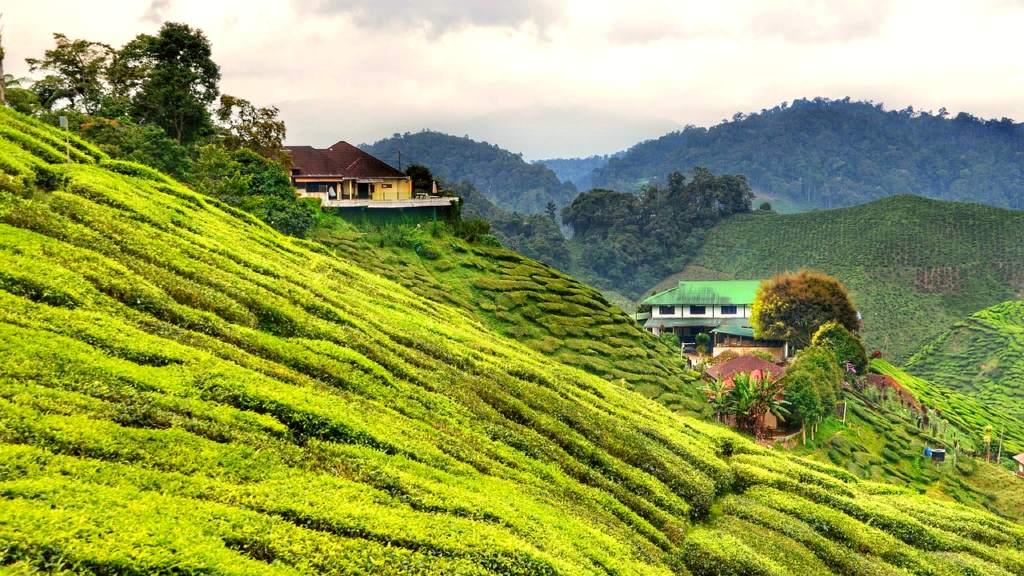
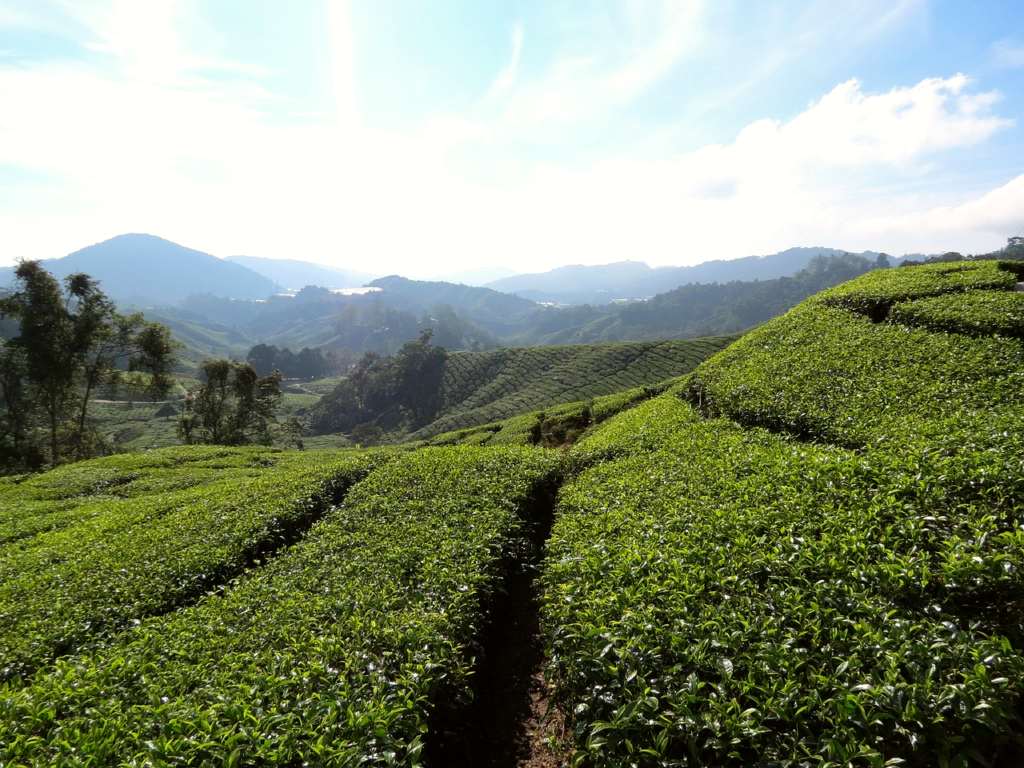
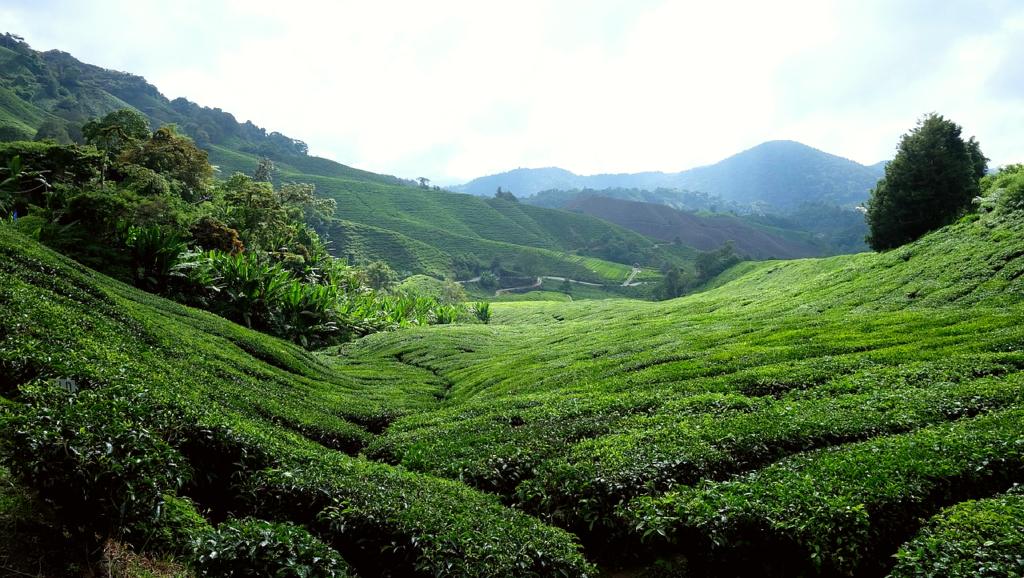
Cameron Highlands is a cool escape from Malaysia's heat, located at about 1,500 meters above sea level. The area is known for its tea plantations, strawberry farms, and lush greenery, making it a popular spot for nature lovers and those seeking a break from the tropical climate.
Read more
Visitors can enjoy the fresh air while exploring the rolling hills and diverse flora. The highlands are also home to various local markets and eateries, where you can sample traditional dishes and local produce. However, be prepared for occasional rain and cooler temperatures, especially in the evenings.
Steamboat: a pot of boiling soup for cooking your own food
Kampung Nasi Lemak: a traditional Malaysian breakfast dish
Banana Leaf Rice: a popular South Indian meal served on a banana leaf
Boh Tea: local tea best enjoyed at the Boh plantations
Scones: a classic treat served with tea at local cafes
Local traditions
Pongal Festival: celebrated by the Indian community with rice offerings
Harvest Festival: locals celebrate the agricultural bounty with festivities
Cultural performances: traditional dances and music during local events
Tea picking: a seasonal activity showcasing local tea culture
Do's and don'ts
Try local dishes at various eateries.
Visit the tea plantations for tastings.
Explore the markets for fresh produce.
Take part in strawberry picking.
Don't underestimate the weather; it can change quickly.
Don't litter; keep the highlands clean.
Don't ignore safety signs while trekking.
Don't rush; take your time to enjoy the scenery.
Practical
At a glance
Founded
1885
Population
35.000
Accessibility
Some areas have steep paths, not all are wheelchair accessible.
Price level
Mid-range
Things to know
Expect cooler temperatures, especially at night, so pack warm clothing.
Transport options can be limited; consider renting a car for convenience.
Some tours may include additional fees, so clarify costs upfront.
Be cautious of slippery trails when trekking, especially after rain.
history_eduHistoryexpand_more
Cameron Highlands was discovered by British surveyor Sir William Cameron in 1885 during a mapping expedition. The area began to develop in the 1920s when it was recognized for its agricultural potential, particularly for tea cultivation. Over the years, it became a retreat for British settlers seeking relief from the tropical heat. Today, it remains a popular destination for both locals and tourists, known for its cool climate and agricultural heritage.
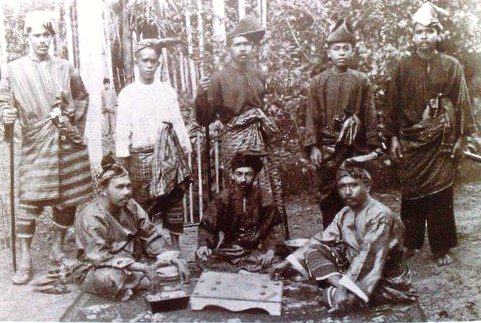 Wan Zamzuri Wan Hasenan · Public domain