search
search
add New trip
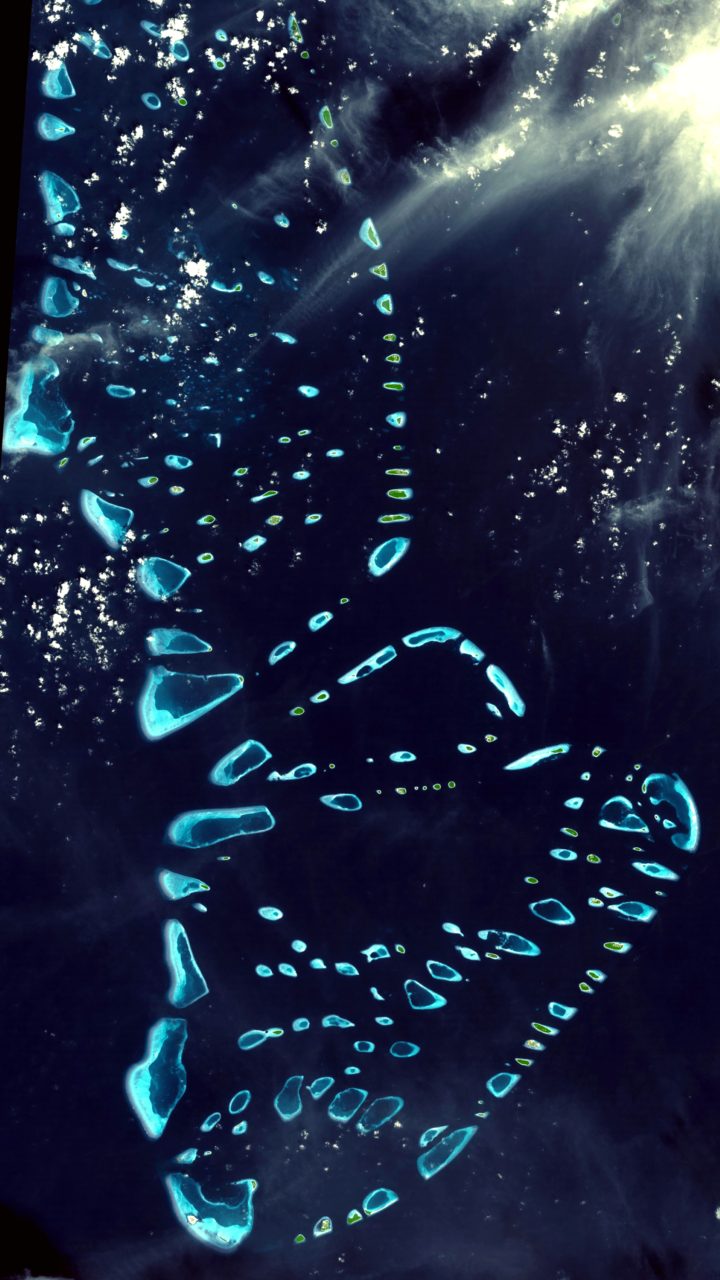
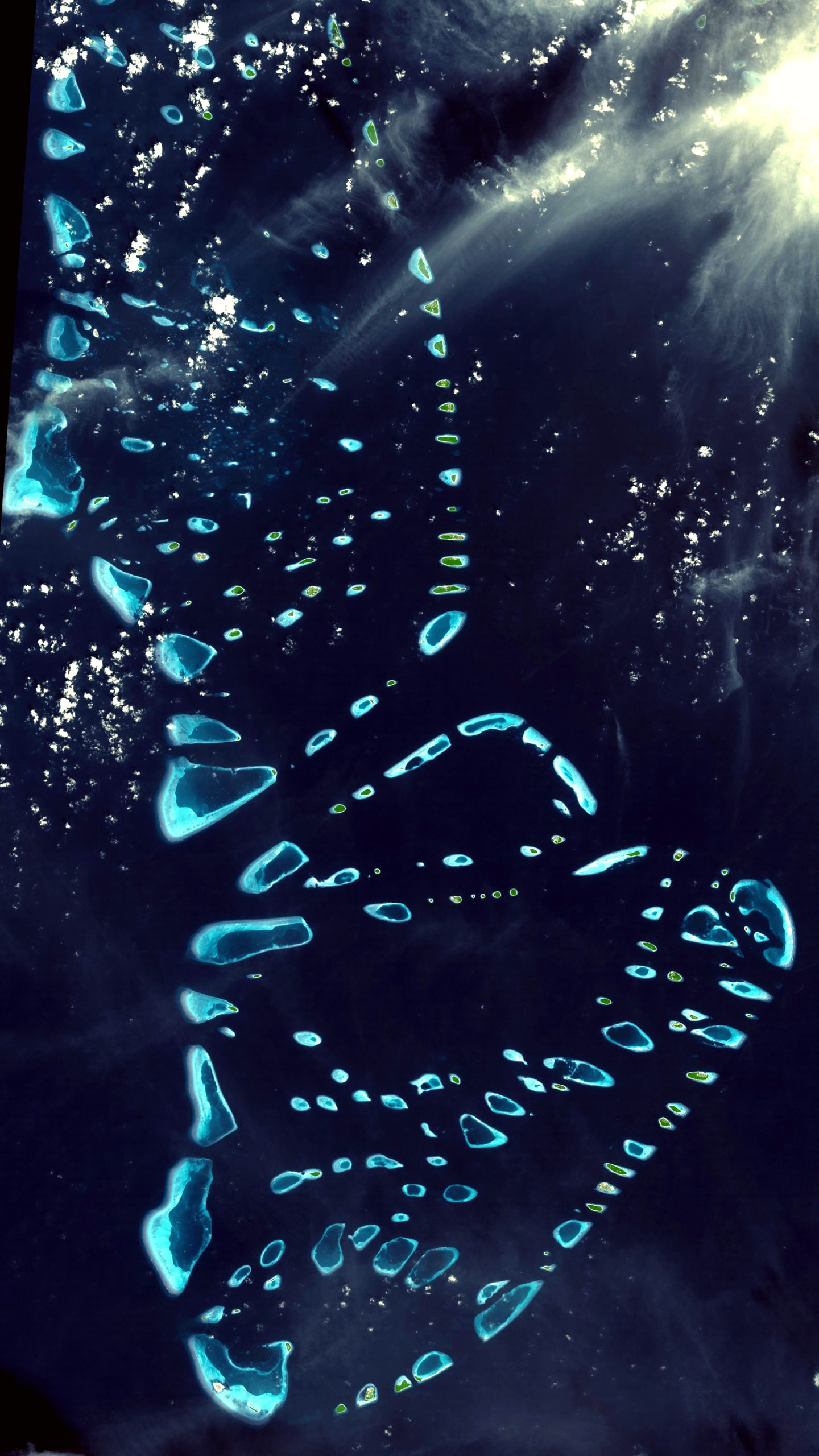
The Maalhosmadulu Atolls seen from space. The Southern Maalhosmadulu Atoll and Fasdūtherē Atoll (centre) make up Baa Atoll

Baa Atoll

Wikimedia Commons · Public domain
calendar_monthNov–Maybest time schedule7 daysplan for directions_car22 minfrom Malé child_careYeswith kids confirmation_numberExpensiveprice
Baa AtollYour own route Plan a trip here →

Baa Atoll is a serene paradise in the Maldives, known for its stunning natural beauty and vibrant marine life. Visitors are often captivated by the crystal-clear waters and white sandy beaches, making it a perfect getaway for relaxation and adventure.

Read more

The atoll is home to several luxurious resorts, but it also offers a glimpse into local Maldivian culture. The laid-back atmosphere invites travelers to unwind while exploring the rich underwater ecosystems and lush landscapes.

In pictures

The Maalhosmadulu Atolls seen from space. The Southern Maalhosmadulu Atoll and Fasdūtherē Atoll (centre) make up Baa Atoll Wikimedia Commons · Public domain
The Maalhosmadulu Atolls seen from space. The Southern Maalhosmadulu Atoll and Fasdūtherē Atoll (centre) make up Baa Atoll

Sightseeing

Hanifaru Bay: famous for manta ray sightings
Thulhaadhoo Island: known for traditional handicrafts
Kudarikilu: a local fishing village with authentic experiences
Baa Atoll Biosphere Reserve: UNESCO site with diverse wildlife
Maalhos: a picturesque island with local charm
Dhigali Haa: a great spot for snorkeling and diving

"A tranquil escape in the Maldives"Baa Atoll

Things to do

Snorkel with manta rays at Hanifaru Bay, a remarkable experience.
Explore local islands like Dharavandhoo to engage with Maldivian culture.
Diving excursions are available to explore coral reefs around Maalhos.
Relax on the beach at Thulhaadhoo, known for its tranquility.
Take a sunset cruise from Baa Atoll to see the colors reflecting on the water.

Local food and drinks

Mas Huni: a traditional Maldivian breakfast dish
Garudhiya: a fish soup served with rice
Fihunu Mas: grilled fish with local spices
Hedhikaa: Maldivian snacks, perfect for tea time
Local cafes: try authentic dishes in casual settings

Local traditions

Eid celebrations: important religious festivals with feasting
Bodu Beru: traditional drumming and dance performances
Fishing culture: integral to daily life and community
Local crafts: handmade items reflect cultural heritage

Do's and don'ts

Respect local customs and dress modestly
Try local dishes for an authentic experience
Engage with locals to learn about their culture
Use reef-safe sunscreen to protect marine life
Don't litter; keep the beaches clean
Don't disturb wildlife, especially during nesting
Don't expect nightlife; it's a quiet destination
Don't forget to negotiate prices in local markets
Explore the underwater world of Baa Atoll Wikimedia Commons · Public domain

Explore the underwater world of Baa Atoll

Baa Atoll is a prime spot for snorkeling and diving. The waters are home to manta rays and whale sharks, especially during the months of May to November. Dive sites like Hanifaru Bay attract marine life in droves, offering a chance to see these majestic creatures up close. Bring your underwater camera; the coral reefs are alive with color. However, be prepared for strong currents in some areas, so it's best to dive with a guide who knows the local conditions.

Experience local Maldivian culture

While Baa Atoll is known for its resorts, the local islands provide a different perspective. Visit Eydhafushi, the capital of the atoll, where you can stroll through the streets and see traditional Maldivian houses. Try local dishes like mas huni, a tuna salad served with flatbread, at a small café. Keep in mind that modest dress is appreciated in these areas, and be respectful of local customs. The pace of life here is slower, allowing you to connect with the culture.

Relax on pristine beaches

Reethi Beach is one of the many beautiful stretches of sand in Baa Atoll. The soft white sand and clear waters make it an ideal spot for sunbathing or a leisurely swim. You can rent a kayak or paddleboard for a different view of the coastline. Be aware that some areas can get crowded during peak season, particularly from December to April. If you prefer solitude, visit during the shoulder months when the beaches are quieter and the weather is still pleasant.

Practical

At a glance

Founded
600 AD
Population
3.000
Accessibility
Limited mobility options; check specific resorts
Island
yes
Price level
Expensive

Things to know

Be cautious of tourist traps at some resorts.
Transport options can be limited; arrange transfers ahead of time.
Respect local customs, especially on inhabited islands.
Weather can change quickly; check forecasts before your trip.
The best time to visit is from November to April, when rainfall is generally low.
history_eduHistoryexpand_more

Baa Atoll has a rich history that dates back centuries, with its islands being inhabited for generations. The atoll was historically significant for trade routes and fishing, contributing to the local economy and culture.

In recent years, Baa Atoll has gained international recognition as a UNESCO Biosphere Reserve, highlighting its ecological importance. This designation has helped to promote sustainable tourism while preserving the unique environment and local traditions.

Photo: Public domain · Wikimedia Commons

Photo credits (1)